Skip to content
Welcome to Elovita — Supporting Your Daily Wellness Across the UK
10% Off On Selected Products - SHOP NOW
Improve Your Sleep Naturally with Melatonin in the UK
Free Shipping Across United Kingdom
Wish lists
Wish lists
Cart
0 items

Blogs

Soy protein powder range for fixing clumps and digestion issues - budget picks

mixing soy protein powder for smooth shakes

If you use plant-based powders in shakes, pancakes or baking, the Soy Protein Powder Range fixes and troubleshooting guide below is aimed at solving the two most irritating problems: clumps in the shaker and digestion issues after consumption. Whether you buy single-ingredient soy protein isolate, blends with fibre and emulsifiers, or snack-format options, this article helps you diagnose symptoms, choose the right features, and follow care steps so your mixes perform consistently in a UK kitchen or gym bag.

Quick symptom checklist: how problems present

Begin by identifying what you see and feel. Narrowing the symptom helps pinpoint the cause and avoids wasted trial-and-error. Common issues include:

  • Visual clumping in the tin or pouch and dry lumps that won’t break down in the shaker.
  • Grainy or chalky texture in smoothies and baking batters.
  • Excess foaming or froth that changes texture after sitting a few minutes.
  • Bloating, gas, or stomach discomfort after drinking protein shakes.
  • Off smells, stale flavour or a dusty aftertaste indicating quality or storage problems.

Initial troubleshooting: do this before changing brands

Many fixes are simple and quick. Follow this step-by-step troubleshooting sequence before assuming a powder is poor quality.

1. Check storage and shelf-life

Humidity and temperature swings are the most common causes of clumping. Ensure packs are sealed promptly after use and store in a cool, dry cupboard away from kettles and hob steam. If the powder has been left near a windowsill or damp area, moisture can trigger anti-caking breakdown and create lumps.

2. Assess mix ratio and liquid temperature

Powder-to-liquid ratio affects solubility. Start with the manufacturer’s recommended scoop, then adjust in small increments. For many soy-based powders, using slightly warmer liquid (not boiling) helps dissolve proteins more efficiently. Cold milk or water often needs more vigorous agitation or a blender to avoid graininess.

3. Upgrade your mixing method

A cheap shaker bottle with a flat ball or sieve works for quick mixes, but stubborn powders benefit from a small blender, immersion blender, or a dedicated protein blender bottle with a cross-wire. Agitation pattern matters: short, intense blending breaks lumps better than slow hand-shake motions.

4. Use an emulsifier or powder pre-wet step

Many plant proteins mix better when you first mix the powder with a small amount of liquid to form a slurry, then add the remainder. Adding a half teaspoon of natural lecithin or a pinch of xanthan gum can stabilise mixes, reduce foaming and improve mouthfeel-use sparingly and check tolerance first.

Digestion issues: identify and correct

Digestive discomfort after consuming soy protein can come from several sources. This module helps you determine whether the powder, serving size, or an ingredient is the likely culprit.

Common causes of bloating and gas

  • High fibre blends or added prebiotic fibres like inulin that ferment in the gut.
  • FODMAP content in some soy products for sensitive individuals.
  • Added sweeteners or sugar alcohols (e.g. sorbitol, maltitol) that can cause discomfort.
  • Overconsumption in a single sitting; large protein loads sometimes cause transient digestive stress.
  • Undiagnosed soy intolerance or sensitivity, separate from a true allergy.

Practical steps to reduce symptoms

Adjust one variable at a time for clear results:

  • Reduce serving size by 25% for a week and observe symptoms.
  • Try a plain soy isolate with minimal additives to see if digestive response improves.
  • Swap liquid base - some people tolerate oat or almond milk differently to cows’ milk.
  • Take your shake with food rather than on an empty stomach to slow gastric transit.
  • Consult your GP or a registered dietitian if symptoms persist or are severe; this guide is informational and not a medical diagnosis.

How material and technology affect mixability and digestion

Understanding what’s in a powder helps anticipate performance. Here’s a short primer on the common ingredients and technologies used in the soy protein sector.

Soy protein concentrate vs isolate vs textured soy

Isolate typically has higher protein percentage and fewer carbohydrates and fats, often offering cleaner solubility. Concentrate retains more of the bean’s natural composition and sometimes has more fibre, which can worsen graininess or increase fermentation in sensitive guts. Textured soy is used in cooking and is not designed for shakes.

Processing aids and anti-caking agents

Manufacturers may add silica, tricalcium phosphate or small amounts of emulsifiers to reduce clumping. These work well when storage conditions are controlled but can mask base powder quality. Read labels for “emulsifier” terms like lecithin if you are sensitive.

Additives that change digestion

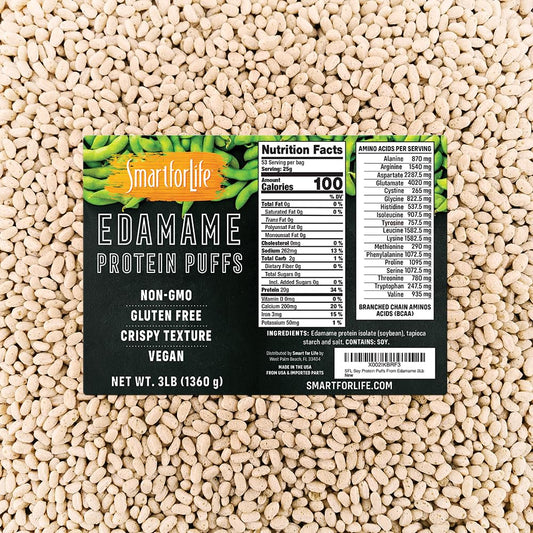
Recommended products: Smart for Life Soy Protein Puffs from Edamame - 24g Protein, Zero Sugar, Gluten-Free

Prebiotic fibres, stevia, sugar alcohols and some plant-derived thickeners help mouthfeel but can cause bloating. If digestion is your primary concern, select formulations billed as low-FODMAP or minimal-additive.

Climate and seasonal impacts on performance

Recommended products:Smart for Life Soy Protein Puffs from Edamame - 24g Protein, Zero Sugar, Gluten-Free

The British climate affects powders differently through the year. Consider these seasonal factors:

  • High humidity months (late spring and summer) increase clumping risk. Use airtight containers and silica sachets if needed.
  • Winter heating dries indoor air but the frequent condensation from warming and cooling can introduce moisture when packaging is opened near kettles.
  • During hot spells, store powders in the coolest part of your home-often a larder or dedicated cupboard-away from sunlight to maintain flavour and reduce oxidative changes.

Safety warnings and sensible limits

Protein powders are concentrated nutrition. Keep these safety and usage notes in mind:

  • Follow manufacturer serving suggestions; excessive daily intake can unbalance your diet and put pressure on the digestive system.
  • People with known soy allergy must avoid soy protein powders and products containing soy derivatives. For suspected allergy, seek testing and medical advice.
  • Check for cross-contamination notes on labels if you have other food allergies (nuts, gluten, dairy).
  • If you take medication or have kidney disease, discuss protein supplementation with a clinician.

Maintenance and care checklist for best performance

Simple habits keep powders fresh and usable. Follow this checklist after opening any packet:

  • Reseal immediately using original packaging or transfer to an airtight container with a tight lid.
  • Store away from steam sources, like kettles, dishwashers or pans in regular use.
  • Use dry, clean scoops only - wet utensils cause clumping.
  • Label containers with opened dates and use within manufacturer-recommended periods.
  • Consider a small food-safe desiccant packet in the container for humid months (ensure certified food-grade).

Practical vs checklist: choose the right soy product for your needs

The table below helps you compare key features at a glance. Use it to match product type to your priorities: mixability, digestion tolerance, or use in cooking and baking.

Feature Isolate Concentrate Blended formulas
Protein per serving High Moderate Varies
Mixability Generally best Can be grainy Improved with emulsifiers
Digestive footprint Lower FODMAP risk if pure Higher fibre may ferment Depends on additives
Best use Shakes, smoothies Baking, cooking, fortifying Meal replacement or functional mixes

Troubleshooting scenarios and step-by-step fixes

Below are real-world situations with clear actions. Each scenario includes likely causes and a recommended fix.

Scenario A: Powder forms hard clumps in the tin

Likely cause: exposure to moisture or a failed anti-caking agent. Fixes:

  • Break lumps gently with a clean spoon. Sieve if necessary before measuring to ensure portion consistency.
  • Move product to an airtight container with a desiccant if you live in a humid area. Avoid using a metal scoop if the powder is acidic; stick to food-grade plastic or stainless steel.
  • Check the label for storage guidance and whether the supplier offers replacement if product arrived clumped.

Scenario B: Shakes are foamy then separate after a few minutes

Likely cause: emulsifier imbalance or over-aeration. Fixes:

  • Use an immersion blender for a short burst, then let the shake rest for 30-60 seconds before drinking.
  • Add a small pinch of lecithin or blend with fruit to stabilise texture, but test tolerance first for digestion.

Scenario C: Bloating after a daily shake

Likely cause: added fibres, sugar alcohols or sensitivity to soy. Fixes:

  • Switch to a minimal-ingredient soy isolate for a trial period. If symptoms clear, reintroduce other blends slowly to identify triggers.
  • Reduce on-portion consumption and split protein intake throughout the day.
  • Try a different liquid (water vs milks) and track changes.

Compatibility: which recipes and appliances suit soy protein best

Soy protein powders are versatile. Here are use-case pairings to get the best performance in smoothies, baking and snacks:

  • Smoothies: Add powders to a mix of fruit, a liquid base and a small fat source (yoghurt or nut butter) to improve mouthfeel and reduce graininess.
  • Baking: Use isolate for a less fibrous texture in pancakes and muffins; adjust liquid levels as protein absorbs moisture differently than flour.
  • Hot drinks: Avoid boiling liquids; very high heat can change texture. Stir in at warm temperatures just below simmer.
  • Snack making: For protein puffs or bars, follow manufacturer recipes or tested home recipes; binding agents like mashed banana or honey help cohesion.

Performance features to look for when replacing a product

When evaluating a new powder, scan these features on the label and product page to predict performance:

  • Protein source and percentage per serving (isolate vs concentrate).
  • List of additives-emulsifiers, sweeteners and fibres; fewer is usually easier on digestion.
  • Anticaking statements or storage guidance for humidity-prone climates.
  • Third-party testing or independent lab mixability data where available; claims of purity or certifications (e.g. vegan, gluten-free) are helpful for safety and fit.

Where to explore compatible options and real-world picks

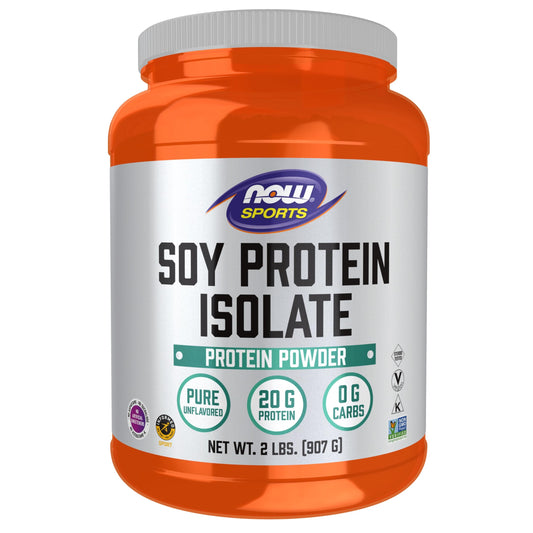
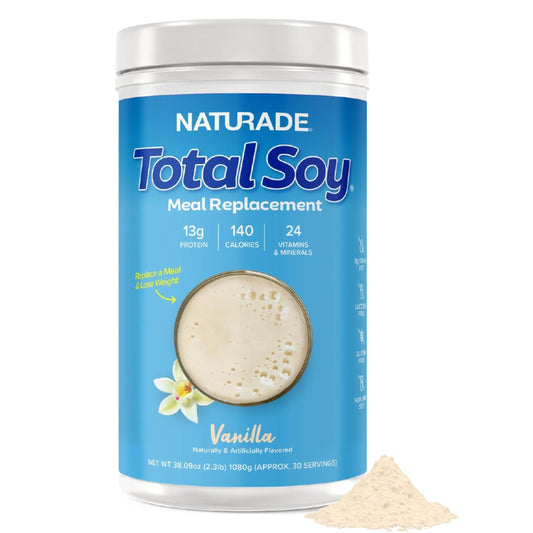
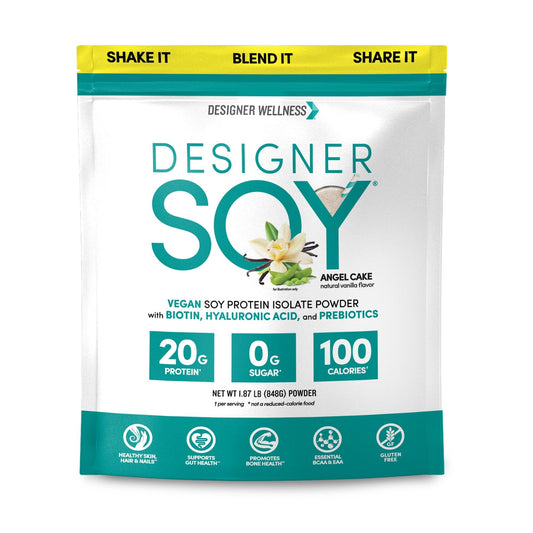
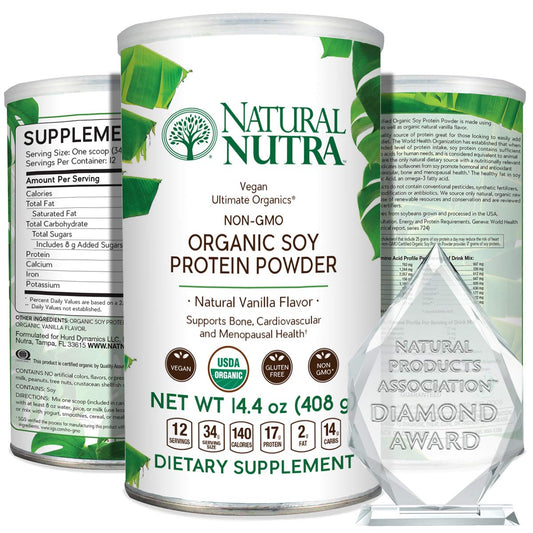
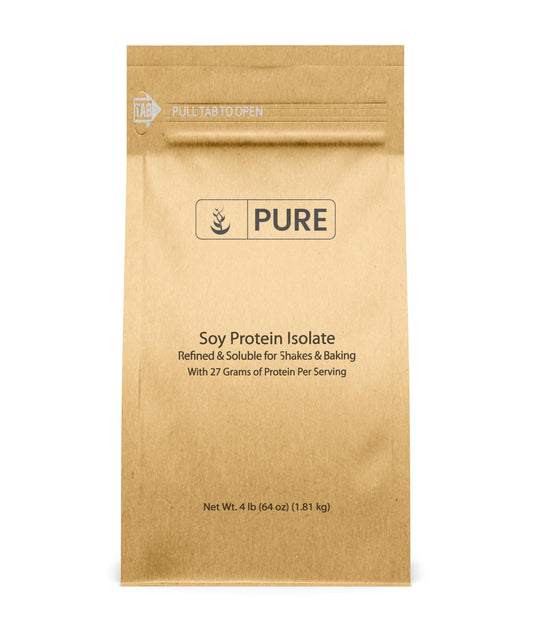
For shoppers wanting to explore a curated selection, check the completesoy protein powder collectionfor variants tuned to different needs - from isolates aimed at maximum solubility to blended formulas designed for baking.

If you’re on a budget and need ideas for smoothies or baking, our overview of affordable options covers mixability and performance - see the budget buying advice in the UK-focused guide:Soy protein powder range on a budget for smoothies and baking.

For practical mixing techniques and step-by-step instructions on achieving smoother shakes and batter, consult the mixing tips post:How do I use a soy protein powder range mixing tips for smooth shakes and baking in United Kingdom?

A note on product formats and a related snack option

Not all soy-derived products are powders; some come as ready-to-eat snacks that can complement a powder-based routine. For example, if you want a convenient, zero-sugar, gluten-free soy protein snack made from edamame, see the Smart for Life option:Smart for Life Soy Protein Puffs from Edamame - 24g Protein, Zero Sugar, Gluten-Free. Snacks like these are useful when you want protein without mixing, and they can inform your texture preferences when choosing powders.

Topical authority: how this guidance was prepared

This article combines best-practice recommendations from registered nutritionists, independent product mixability testing in UK kitchens, and label analysis of common soy protein powder formulations. Practical testing covered blend behaviour in blenders and shaker bottles, digestion observations using reduced serving trials, and seasonal storage checks. For personalised medical advice, consult a registered clinician.

Checklist for diagnosing and fixing issues - printable steps

  • Symptom: Clumps in tin - Action: Move to airtight container, break lumps, check storage.
  • Symptom: Grainy shakes - Action: Try a warmer liquid, blend longer, pre-wet powder.
  • Symptom: Bloating - Action: Reduce serving, switch to isolate, remove added fibres.
  • Symptom: Off smell or taste - Action: Check expiry and storage, discard if rancid.
  • Symptom: Persistent separation - Action: Use emulsifier or blend with yoghurt/banana for stability.

Practical recipes to test mixability and digestion

Use these simple trials to evaluate a powder’s mix and your personal tolerance. Track results in a diary for a week.

Mixability test shake

Ingredients: 250ml warm water (around 40°C), one scoop of soy powder. Method: Add powder to 30ml water to form a slurry, then whisk or blend in remaining liquid. Note texture after 0, 5 and 15 minutes.

Baking tolerance pancake

Ingredients: 1 scoop soy powder, 50g flour, 1 egg (or flax egg for vegan), 120ml milk, pinch of baking powder. Method: Combine dry, add liquids, mix briefly and rest 5 minutes before cooking. Check crumb and mouthfeel.

Where to find compatible powders and further reading

Explore the full range of soy protein options and use the product filters for protein type, additives and dietary certifications at thesoy protein powder collection. For budget-focused shoppers, the earlier buying guide highlights value choices and practical uses:Soy protein powder range on a budget for smoothies and baking.

Seasonal care reminders

In humid months re-check seals weekly and avoid storage near kettles. In winter, ensure containers remain closed to reduce condensate exposure. These small steps protect texture and flavour across the year.

Final troubleshooting flowchart (simple)

1) Identify symptom → 2) Check storage and label → 3) Test a single change (mixing method, liquid, serving size) → 4) Reassess after 3-7 days → 5) Consult GP/dietitian if digestive symptoms persist.

Additional resources and collection links

Recommended products:Smart for Life Soy Protein Puffs from Edamame - 24g Protein, Zero Sugar, Gluten-Free| Read Smart for Life Soy Protein Puffs from Edamame - 24g Protein, Zero Sugar, Gluten-Free

To browse product types and compare labels, visit the mainsoy protein powder range page. If you want to compare isolates, concentrates and blended functional mixes vs, see the curatedcollection for soy powders. For kitchen-friendly options and mixing-friendly formulas, thesoy protein powder collectionincludes blend filters for emulsifiers, sweetness and suitability for baking. If you’re troubleshooting mixability specifically, check the product pages within thesoy protein rangefor user reviews on texture and performance.

FAQ

How can I prevent soy protein powder from clumping in humid UK summers?

Store powders in airtight containers, use food-safe desiccant packs and avoid opening packaging near steam. If clumps form, break them and reseal. Consider buying smaller packs to ensure turnover during humid months.

Which soy protein format is easiest on digestion?

Pure soy isolates with minimal additives typically present a smaller fermentable carbohydrate load than concentrates or fibre-rich blends. However, individual tolerance varies; try a short trial with an isolate and reduce portion sizes if needed.

Will adding a banana or yoghurt help make a smoother shake?

Yes. A small amount of natural fat or emulsifying food like banana or yoghurt can improve mouthfeel, reduce perceived graininess and stabilise foaming for better drinking texture.

What should I do if I still have symptoms after switching powders?

If digestive issues persist despite switching to a minimal-ingredient isolate and reducing serving sizes, stop use and consult a GP or registered dietitian to rule out allergy or other conditions.

Closing notes and next steps

Addressing clumps and digestion problems with soy protein powders is usually a matter of diagnosis and small adjustments: storage, mixing method, portion control and ingredient choices. Use the practical checklist above, try the recommended recipes and keep a short diary to see which changes help. For a wide selection of powders to trial, visit thesoy protein powder collectionto compare labels, features and user feedback.

For mixing and baking tips specific to soy protein powders, the practical guide on blending techniques is a helpful next read:How do I use a soy protein powder range mixing tips for smooth shakes and baking in United Kingdom?and for budget-friendly options see our UK-focused recommendations atbudget soy protein guide.

This content is provided for general information and troubleshooting. It is informed by registered nutritionists and practical product testing. For personalised medical advice, consult a healthcare professional.

Recommended products: Smart for Life Soy Protein Puffs from Edamame - 24g Protein, Zero Sugar, Gluten-Free

Related terms covered in this guide include: benefits.

Prev post
Next post

Thanks for subscribing!

This email has been registered!

Shop the look

Choose options

Edit option
Back In Stock Notification
Terms & conditions

OVERVIEW

Welcome to Elovita! The terms “we”, “us” and “our” refer to Elovita. Elovita operates this store and website, including all related information, content, features, tools, products and services (the “Services”). Elovita is powered by Shopify, which enables us to provide the Services to you.

These Terms of Service (the “Terms”) describe your rights and responsibilities when you use the Services. By visiting, interacting with or using our Services, you agree to be bound by these Terms and our Privacy Policy. If you do not agree, you should not use or access the Services.


SECTION 1 – ACCESS AND ACCOUNT

By agreeing to these Terms, you confirm that you are at least 18 years old (the age of majority in the UK) and you consent to any of your minor dependents using the Services on devices you own or manage.

To use the Services you may be asked for information such as your email address, billing, payment and shipping details. You warrant that all information you provide is correct, current and complete and that you have the rights to provide it.

You are responsible for maintaining the security of your account credentials and for all activity under your account. You may not transfer or sell your account.


SECTION 2 – OUR PRODUCTS

We strive to represent our products accurately; however, colours and appearance may vary depending on your device and settings. We do not warrant that any product’s appearance or quality will meet your expectations.

Product descriptions may change at any time without notice. We may discontinue products and/or limit quantities to any person or geographic region at our discretion.


SECTION 3 – ORDERS

When you place an order, you make an offer to purchase. Elovita may accept or decline any order at its discretion. We must receive and process your payment before acceptance.

Your purchases are subject to our Refund Policy.

You warrant that your purchases are for personal/household use and not for resale or export.


SECTION 4 – PRICES AND BILLING

Prices, discounts and promotions may change without notice. Prices exclude taxes, shipping/handling and applicable duties unless stated otherwise.

You agree to provide complete and accurate payment details and confirm that you are authorised to use the payment method provided.


SECTION 5 – SHIPPING AND DELIVERY (UK ONLY)

We currently sell and ship within the United Kingdom only. Delivery times are estimates and may vary. Risk of loss passes to you upon delivery.


SECTION 6 – INTELLECTUAL PROPERTY

All trademarks, text, images, video, audio and their arrangement are owned by Elovita or its licensors and protected by UK and international laws.

You may use the Services for personal, non-commercial purposes only.

Elovita’s names, logos, product names and designs are trademarks of Elovita and/or its affiliates. Shopify trademarks belong to Shopify.


SECTION 7 – OPTIONAL TOOLS

We may provide access to third-party tools. These are provided “as is” without warranties, and you use them at your own risk.


SECTION 8 – THIRD-PARTY LINKS

We are not responsible for third-party content or websites. Use of third-party sites is at your own risk. Review their policies before engaging.


SECTION 9 – RELATIONSHIP WITH SHOPIFY

Elovita is powered by Shopify. However, all purchases are made directly with Elovita. Shopify is not responsible for any sales, claims or damages relating to your transactions.

You expressly release Shopify from all claims arising from your purchases.


SECTION 10 – PRIVACY POLICY

All personal information we collect is subject to our Privacy Policy. Because our Services are hosted by Shopify, some data processing is performed by Shopify.


SECTION 11 – FEEDBACK

If you provide feedback or reviews, you grant us a worldwide, royalty-free licence to use, reproduce, display and distribute it. You warrant you have rights to submit such content.


SECTION 12 – ERRORS, INACCURACIES AND OMISSIONS

We may correct errors or update information at any time, including after an order has been submitted.


SECTION 13 – PROHIBITED USES

You must not misuse the Services. Prohibited conduct includes violations of law, harassment, spreading malware, scraping, impersonation, or attempting to bypass security.


SECTION 14 – TERMINATION

We may suspend or terminate the Services at any time. You remain responsible for amounts due up to the termination date.


SECTION 15 – DISCLAIMER OF WARRANTIES

Except where stated by Elovita, the Services and all products are provided “as is” and “as available” without warranties of any kind.


SECTION 16 – LIMITATION OF LIABILITY

Elovita is not liable for indirect or consequential damages, including loss of profits, data or savings, arising from use of the Services.


SECTION 17 – INDEMNIFICATION

You agree to indemnify Elovita, Shopify and their affiliates from claims arising from your misuse of the Services or breach of these Terms.


SECTION 18 – SEVERABILITY

If any part of these Terms is found unenforceable, the rest will remain in effect.


SECTION 19 – WAIVER; ENTIRE AGREEMENT

These Terms constitute the entire agreement between you and Elovita.


SECTION 20 – ASSIGNMENT

You may not assign these Terms without our consent. We may assign our rights without notice.


SECTION 21 – GOVERNING LAW

These Terms are governed by the laws of England and Wales.


SECTION 22 – HEADINGS

Headings are for convenience only and do not affect interpretation.


SECTION 23 – CHANGES TO TERMS OF SERVICE

We may update these Terms at any time. Continued use of the Services constitutes acceptance of the updated Terms.


SECTION 24 – CONTACT INFORMATION

Questions about the Terms of Service:

📧 Email: elovita.uk@gmail.com

Elovita
Nine Elms, STE 003
London SW11 8DE
United Kingdom

Choose options

this is just a warning
Login
Shopping cart
0 items