








Soy Protein Powders
This collection brings together soy protein powders built for everyday sports nutrition, from structured strength training to on-the-go endurance days. Based in the United Kingdom, Elovita UK Supplement focuses on practical formats that mix easily and fit real routines. Soy protein isolate is a complete protein containing essential amino acids, helping support muscle maintenance and recovery as part of a balanced diet. It’s a strong alternative to whey for those who prefer plant protein, want a lactose-free option, or follow a vegan-friendly approach.
Expect straightforward options for shakes, smoothies, and meal prep, with macros that are easy to track. Soy’s neutral profile also makes it versatile in recipes, from oats to baking. Related entities and keywords in this range include soy protein isolate, plant-based protein, vegan protein powder, amino acids, muscle recovery, strength training, endurance nutrition, and shaker-friendly powders. Pricing and budgets are considered with clear selection context in GBP.
Best uses in your routine
Soy protein can help you hit daily protein targets without adding complexity. It works well as a post-workout shake, a high-protein snack, or a base for consistent meal planning.
- Post-training protein shakes for recovery
- Breakfast blends with porridge or smoothie bowls
- Recipe-friendly protein for baking and meal prep
- Simple add-ins alongside creatine or electrolytes
How to choose the right powder
Compare grams of protein per serving, flavour and sweetness preferences, and how the powder blends (shaker vs blender). If you’re cutting, bulking, or maintaining, pick a serving size and cadence that matches your training plan, then keep it consistent week to week.
-
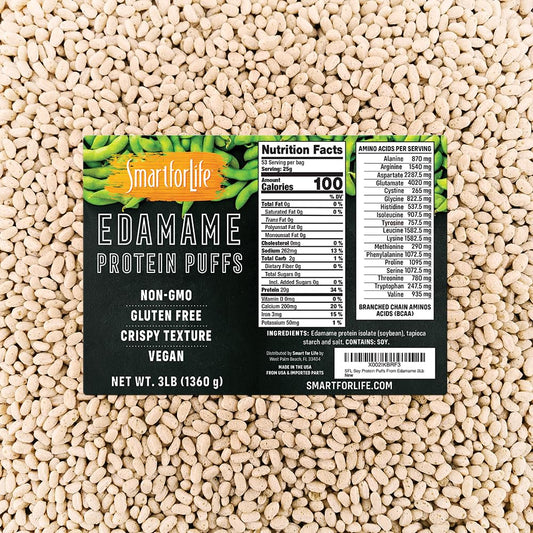
Vendor:Smart for Life
Smart for Life Soy Protein Puffs from Edamame – 24g Protein, Zero Sugar, Gluten-Free
Crave-worthy protein crunch from edamame Smart for Life Soy Protein Puffs from Edamame deliver a satisfying, protein-forward crunch that blends seamlessly into your daily routine. Made from immature soybeans, these puffs are unflavored and unsweetened, so they won’t introduce a strong aftertaste to your...- £76.90
- £76.90
- Unit price
- per
-
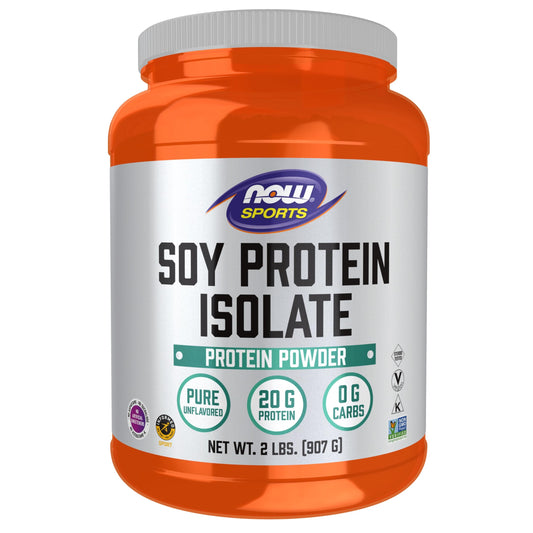
Vendor:NOW Foods
NOW Foods Sports Soy Protein Isolate 20 g – Unflavored, 2-Pound
OverviewNOW Sports Soy Protein Isolate provides a clean, vegetable-based protein with a robust amino acid profile. Each serving delivers 20 grams of protein and zero carbohydrates, making it a versatile foundation for daily nutrition, workouts, or recovery routines. The unflavored powder blends smoothly into...- £58.28
- £58.28
- Unit price
- per
-
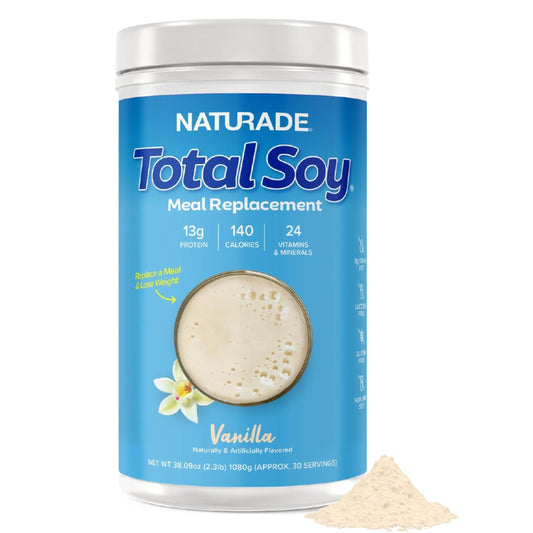
Vendor:Naturade
Naturade Total Soy Plant-Based Meal Replacement Powder – Vanilla, 13g Complete Protein
Overview Naturade Total Soy Plant-Based Meal Replacement Powder in Vanilla delivers a clean, dairy-free protein option with 13g of complete soy protein per serving. It provides all essential amino acids to support everyday nutrition and a balanced routine. Designed to work with natural hormonal...- £60.46
- £60.46
- Unit price
- per
-
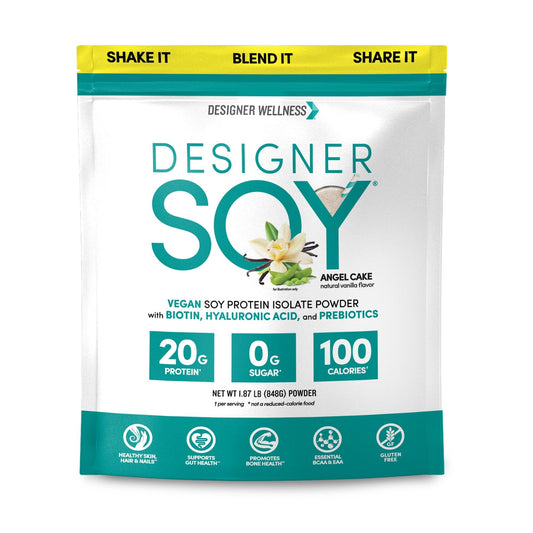
Vendor:Designer Wellness
Designer Wellness Soy Isolate Protein Powder — Angel Cake Vanilla, 0 Sugar, Biotin & Prebiotics
Elevate your daily protein with flavor and thoughtful wellness Designer Wellness Angel Cake Vanilla Soy Isolate Protein Powder blends plant-based protein with a carefully chosen wellness mix in a dairy-free, sugar-free formula. The powder delivers a light, naturally flavored vanilla aroma and a smooth...- £44.32
- £44.32
- Unit price
- per
-
Vendor:Yummy-Yamaguchi
Yummy-Yamaguchi Natto Starter Spores (Nattomoto) – 3g × 2 Pack, 100% Organic Japanese Soybeans
Discover Yummy-Yamaguchi Japanese Natto Starter Spores Unlock the traditional, savory world of natto fermentation with our Natto Starter Spores. Each 3 g sachet carries Bacillus subtilis Natto derived from 100% organic soybeans and proudly produced in Japan. This two-pack provides a reliable foundation for...- £44.32
- £44.32
- Unit price
- per
-
Vendor:BulkSupplements
BulkSupplements Soy Protein Isolate Powder – Vegan, Unflavored, 30 g Serving, 1 kg
Pure Vegan Protein, Unflavored and Ready for Your Routine Meet BulkSupplements Soy Protein Isolate Powder, a clean, unflavored vegan protein option designed to blend smoothly into your day. Each 1 kg tub delivers a substantial 30 g protein per serving, offering a flexible foundation...- £56.05
- £56.05
- Unit price
- per
-
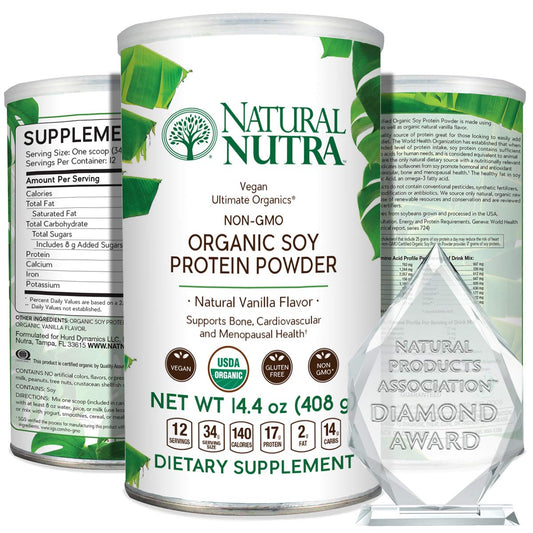
Vendor:Natural Nutra
Natural Nutra Organic Vegan Soy Protein Powder – Midlife Wellness, Heart & Bone Support | Gluten Free, Non-GMO, Sugar-Free, 14.4 oz
Overview Natural Nutra Organic Vegan Soy Protein Powder is a high-quality plant-based protein option designed for everyday nutrition. The vanilla flavor makes it a tasty addition to shakes, smoothies, and recipes without dairy or added sugar. This powder is gluten free and non-GMO, aligning...- £57.42
- £57.42
- Unit price
- per
-
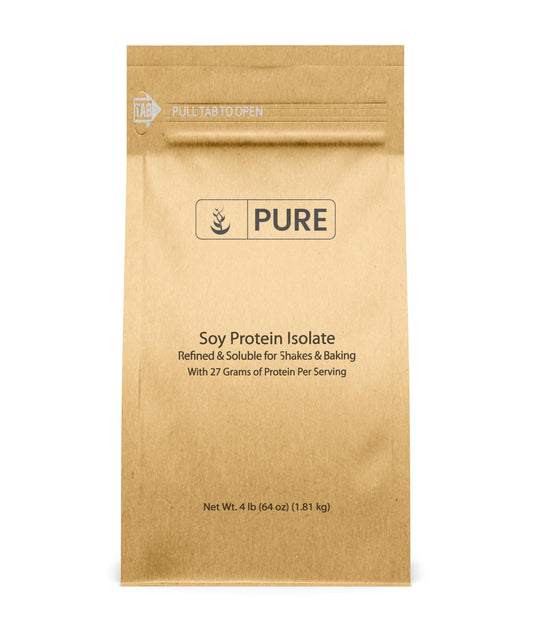
Vendor:PURE ORIGINAL INGREDIENTS
Pure Original Ingredients Soy Protein Isolate (4 lb) – Pure, No Fillers or Additives
Pure Original Ingredients Soy Protein Isolate (4 lb) Designed for purity and simplicity, this soy protein isolate provides a clean, neutral canvas for your daily recipes. The powder has a light aroma and a fine, silky texture that blends smoothly into drinks and foods...- £68.13
- £68.13
- Unit price
- per
-
Vendor:Q-CAN
Q-CAN Plus Fermented Soy Beverage – Organic, Non-GMO, Gluten-Free, Original
Q-CAN Plus Fermented Soy Beverage – Original (15) Q-CAN Plus is a plant-based beverage designed for easy daily nutrition, crafted from 100% USDA Certified Organic soybeans. The Original formulation emphasizes a robust fermentation process that delivers a diverse nutrient profile. This ready-to-drink option combines...- £484.57
- £484.57
- Unit price
- per