








Nettle Herbal Supplements
Explore a curated selection of nettle supplements for customers in the United Kingdom, created for those who prefer a straightforward, plant-based addition to a balanced daily routine. Nettle (Urtica dioica), also known as stinging nettle, is a well-known botanical with a long history of traditional herbal use across the UK and Europe. This collection brings together easy-to-compare options so you can choose products that align with your preferences, lifestyle and supplement habits.
Within the range you’ll find clear ingredient panels and practical formats, helping you assess serving guidance, allergen notes and whether a product is a single-herb nettle extract or part of a broader botanical blend. If you are building a consistent routine at home, planning travel essentials, or simplifying your supplement shelf, nettle products can be selected in forms that suit your schedule.
Formats to match your routine
Different formats offer different advantages. Consider convenience, flexibility and how you like to take supplements day to day.
- Capsules and tablets for simple daily use
- Tinctures and liquid drops for adjustable servings
- Single-ingredient nettle for a minimal stack
- Blends pairing nettle extract with complementary herbs
Quality, compatibility and transparency
Many shoppers compare nettle products alongside everyday choices such as vitamin C, zinc and magnesium, depending on personal goals and professional guidance. This page is designed for confident browsing with transparent labelling, consistent product details, and pricing shown in GBP for the United Kingdom. If you are pregnant, breastfeeding, taking medication, or managing a medical condition, consult a pharmacist or qualified healthcare professional before use.
-
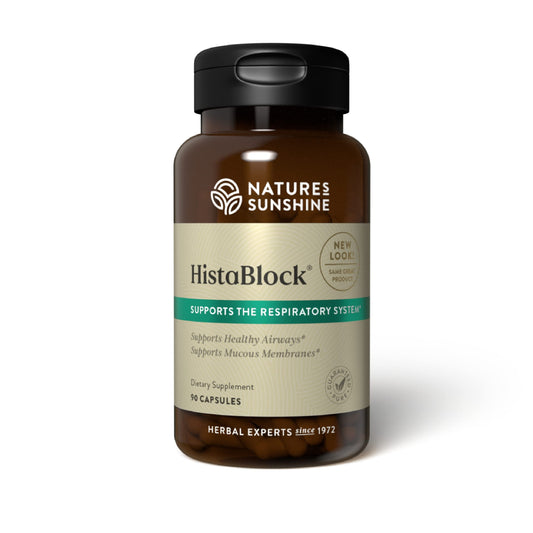
Vendor:Nature's Sunshine
Nature's Sunshine HistaBlock – Respiratory Support & Seasonal Comfort | 90 Capsules
Nature's Sunshine HistaBlock: Natural support for seasonal changes As seasons shift, the air can bring a mix of irritants and minor discomfort. Nature's Sunshine HistaBlock offers a thoughtfully crafted herbal blend in a convenient capsule format, designed to support your daily routine during times...- £44.27
- £44.27
- Unit price
- per
-
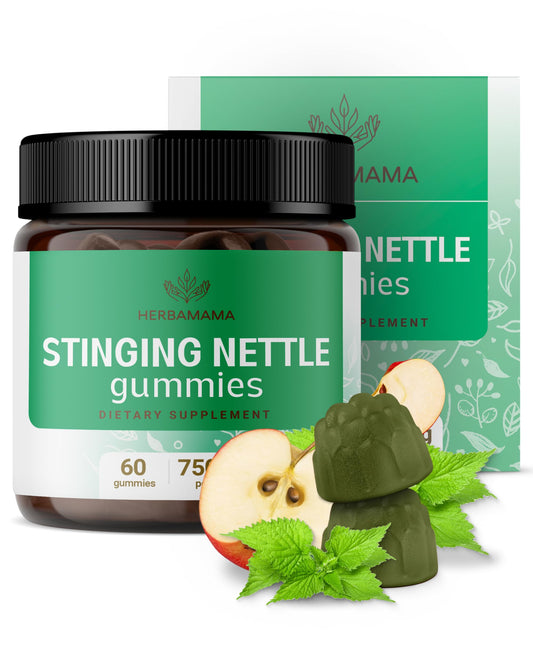
Vendor:HERBAMAMA
HERBAMAMA Stinging Nettle Gummies – 7500mg Root Extract for Urinary Support – Vegan, Non-GMO, 60 Apple Chews
Delightful, nettle-based support for daily urinary comfort HERBAMAMA Stinging Nettle Gummies bring together a plant-forward nettle root formula with a bright apple flavor in a soft, easy-to-chew bite. Each bottle contains a total nettle root extract designed for a convenient daily ritual that fits...- £42.12
- £42.12
- Unit price
- per
-
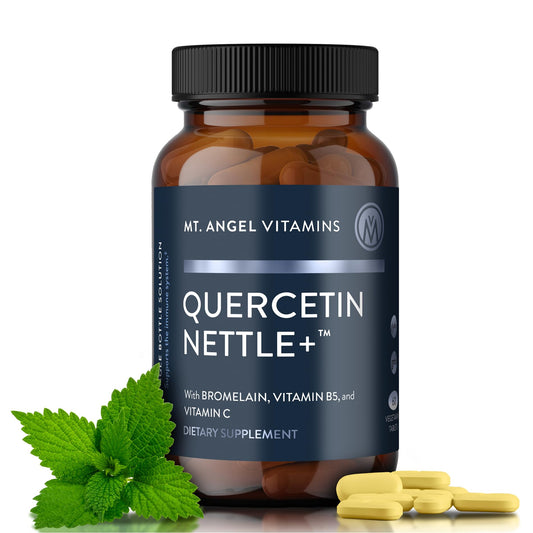
Vendor:Mt. Angel Vitamins
Mt. Angel Vitamins Quercetin with Bromelain & Stinging Nettle | 1000mg Phytosome | Seasonal Nasal Comfort & Histamine Support | Made in USA
Overview Mt. Angel Vitamins Quercetin with Bromelain & Stinging Nettle Leaf Extract combines a 1000mg quercetin complex with a natural bromelain enzyme and nettle leaf extract. Designed to align with seasonal environmental shifts, this blend emphasizes purity and a clean ingredient list, using a...- £39.61
- £39.61
- Unit price
- per
-
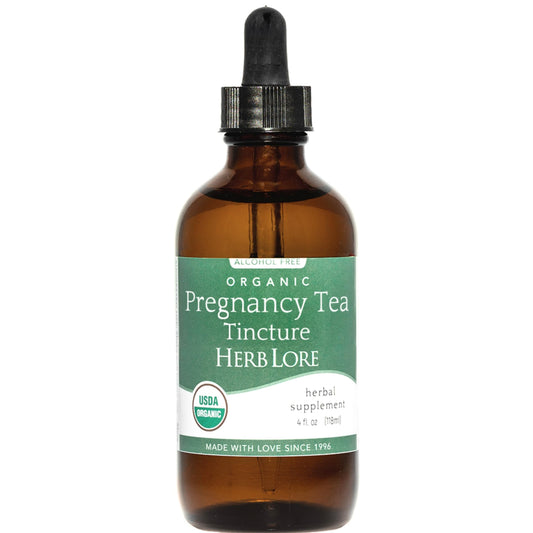
Vendor:Herb Lore
Herb Lore Organic Pregnancy Tea Tincture – Red Raspberry Leaf for Pregnancy & Postpartum
Convenient, Ready-to-Use Pregnancy Tea The Herb Lore Pregnancy Tea Tincture delivers a warm, earthy aroma and the ease you need during pregnancy. A few drops stirred into 8 oz of water create a soothing cup, or you can place the tincture directly under the...- £54.18
- £54.18
- Unit price
- per
-
Vendor:Herb Lore
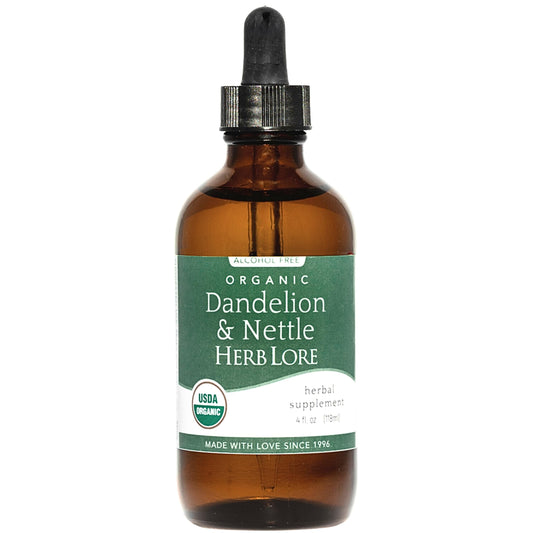
Herb Lore Organic Dandelion & Nettle Tincture – Alcohol-Free Liquid Extract Drops, 4 fl oz
Discover Herb Lore Organic Dandelion & Nettle Tincture Embrace a plant-based tincture crafted from USDA Organic dandelion leaf and stinging nettle leaf. This glycerin-based extraction delivers a gentle, alcohol-free experience designed for everyday wellness. The warm, amber liquid carries a mild herbal aroma and...- £53.08
- £53.08
- Unit price
- per
-
Vendor:Secrets of the Tribe
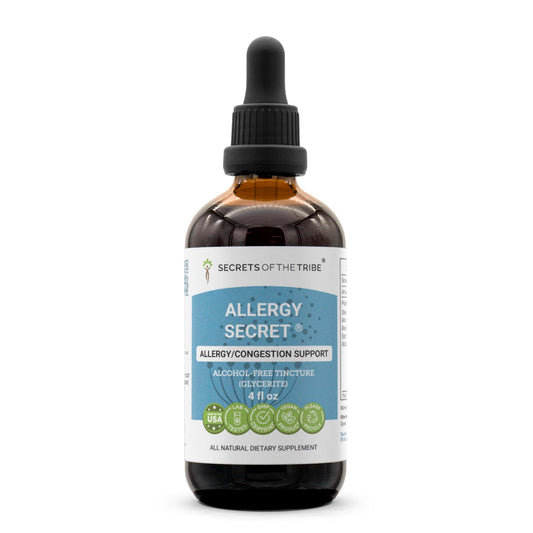
Secrets of the Tribe Allergy Secret Alcohol-Free Herbal Extract – 4 FL OZ
Discover Allergy Secret Secrets of the Tribe Allergy Secret Alcohol-Free Herbal Extract is a thoughtfully crafted blend designed to support occasional seasonal discomfort and congestion. This alcohol-free formula combines rosemary, mullein leaf, marshmallow, stinging nettle, and eyebright to offer a versatile, everyday herbal option...- £54.18
- £54.18
- Unit price
- per
-
Vendor:Secrets of the Tribe
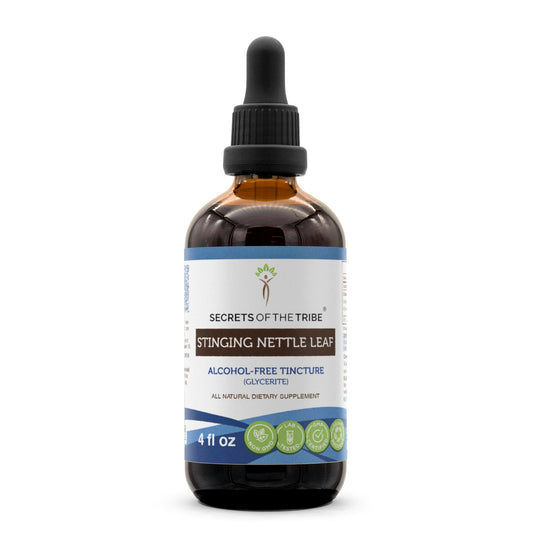
Secrets of the Tribe Stinging Nettle Leaf Tincture (Glycerite) 694 mg – Alcohol-Free, 4 Fl Oz | Allergy Support
Pure, Alcohol-Free Stinging Nettle Tincture for Everyday Wellness Secrets of the Tribe brings together time-honored herbs and modern extraction to capture the earthy, grassy notes of dried stinging nettle leaf (Urtica dioica) in a gentle glycerite. This 4 fl oz bottle provides a potent...- £51.99
- £51.99
- Unit price
- per
-
Vendor:NEW AGE
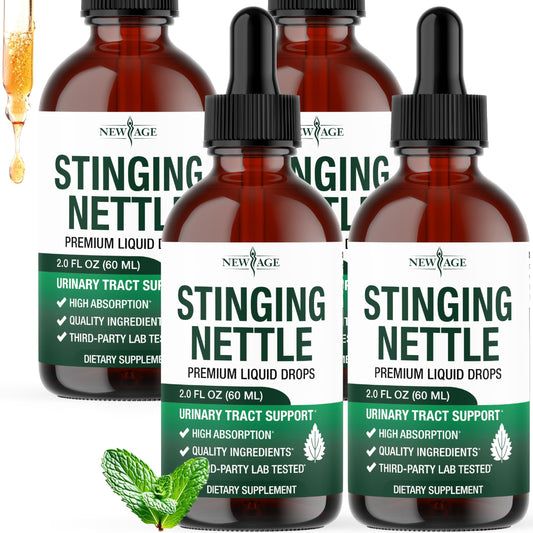
NEW AGE Stinging Nettle Root Drops – Vegan Extract Tincture for Men & Women (8 fl oz)
Overview Discover NEW AGE Stinging Nettle Root Drops, a plant-based tincture crafted for daily support of urinary tract well-being in adults. Housed in a generous 8 fl oz bottle, this formulation emphasizes vegan ingredients, a GMO-free profile, and the absence of artificial additives. The...- £45.05
- £45.05
- Unit price
- per
-
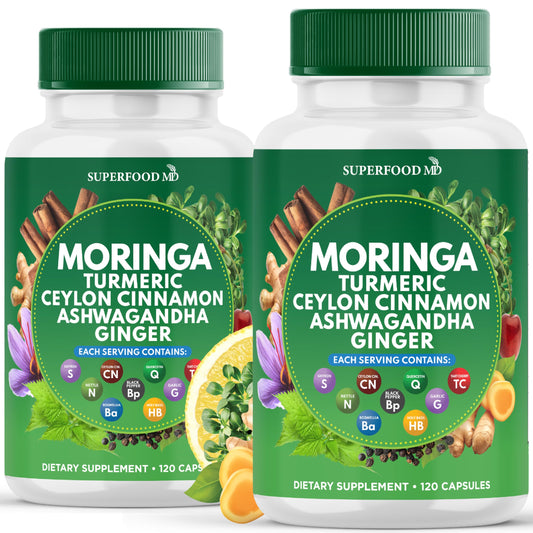
Vendor:Superfood MD
Moringa Supplement with Turmeric, Ginger & Boswellia – 240 Capsules | Superfood MD
All-in-One Moringa Supplement with Turmeric, Ginger & Boswellia Discover a thoughtfully engineered blend designed to support everyday vitality. This formula centers around Moringa leaf powder and blends in turmeric curcumin, ginger root, and boswellia serrata to create a versatile, 240‑capsule bottle. Alongside these core...- £48.66
- £48.66
- Unit price
- per
-
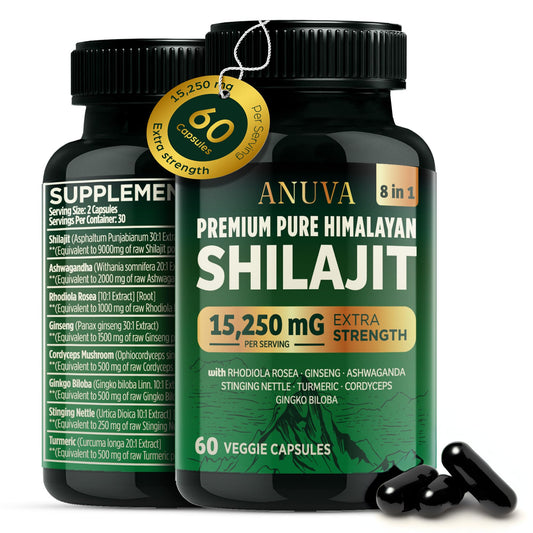
Vendor:Anuva
Anuva Pure Shilajit Ultra Himalayan Capsules – Organic Shilajit 15,250mg with Ashwagandha, Ginseng, Cordyceps | 60 Vegetarian Capsules
Powerful, balanced energy in a vegetarian capsule Anuva Pure Shilajit Ultra Himalayan Capsules bring together rugged Himalayan purity with a thoughtfully crafted adaptogenic blend. The capsules have a smooth, earthy aroma and a clean, easy-to-swallow profile that fits into a busy lifestyle. Each dose...- £50.89
- £50.89
- Unit price
- per
-
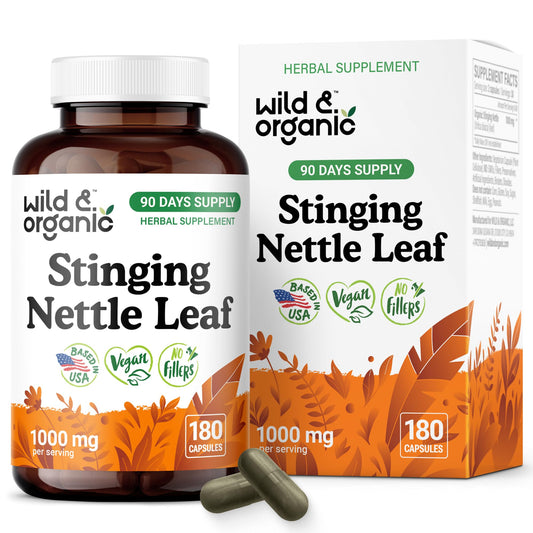
Vendor:Wild & Organic
Wild & Organic Stinging Nettle Leaf Capsules 1000 mg – Urinary Support – 180 Vegan Capsules (90 Days) – Vegan, Non-GMO, Gluten-Free
Wild & Organic Stinging Nettle Leaf Capsules offer a straightforward, plant-based option for daily wellness. Each serving contains 1000 mg of stinging nettle leaf sourced from premium Urtica dioica, designed to fit a busy lifestyle. The formula emphasizes clarity and simplicity: vegan-friendly capsules, a...- £47.27
- £47.27
- Unit price
- per
-
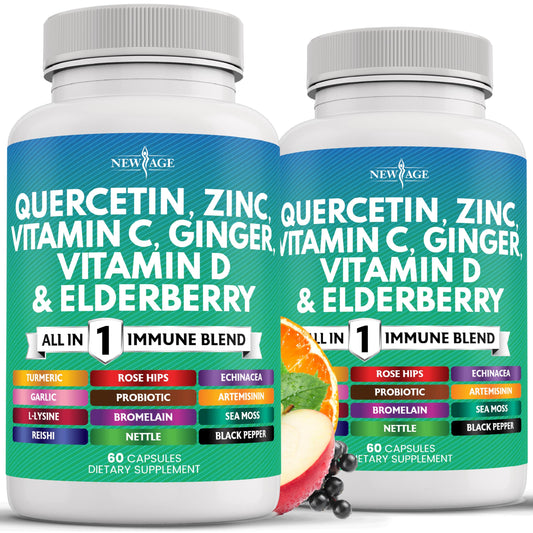
Vendor:NEW AGE
NEW AGE Quercetin Zinc Vitamin C & D with Bromelain, Elderberry & Nettle – Artemisinin, Sea Moss, Echinacea – 120 Count
Overview Meet a versatile all-in-one immunity blend designed for daily use. This formula combines more than a dozen immune-supporting ingredients in a single capsule, helping you maintain everyday vitality and resilience as seasons shift. The emphasis is on a well-rounded nutrient profile rather than...- £43.18
- £43.18
- Unit price
- per
-
Vendor:Swanson
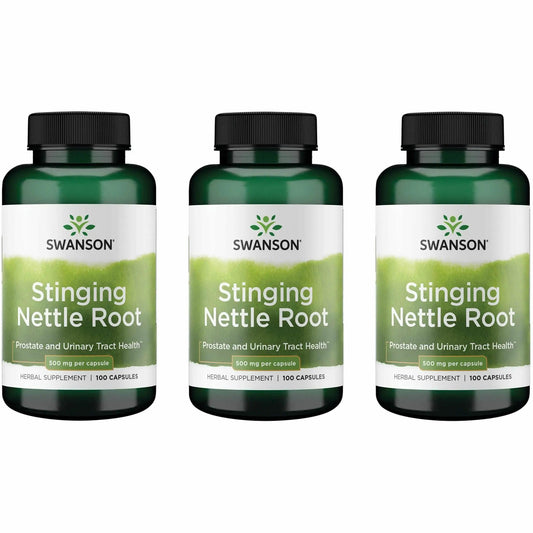
Swanson Stinging Nettle Root 500 mg - 100 Capsules - 3 Pack | Herbal Supplement
Overview Discover Swanson Stinging Nettle Root, a versatile herbal supplement designed for daily wellness routines. Each capsule contains 500 mg of Stinging Nettle Root, packaged in a practical 3 pack for ongoing use. This product is crafted to support a consistent wellness habit without...- £45.28
- £45.28
- Unit price
- per
-
Vendor:Swanson
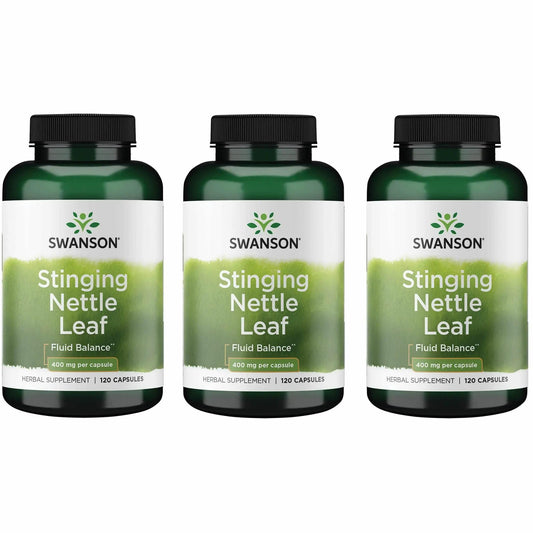
Swanson Stinging Nettle Leaf – Urinary & Respiratory Support (120 Capsules) – 3 Pack
Discover Swanson Stinging Nettle Leaf (Urtica Dioica) Rooted in traditional herbal care, Swanson Stinging Nettle Leaf offers a clean, daily-friendly way to incorporate nettle into your wellness routine. Each bottle contains 120 capsules, and the 3-pack option makes it convenient to keep a steady...- £43.33
- £43.33
- Unit price
- per
-
Vendor:HERBANA MANUFACTURING
HERBANA Stinging Nettle Leaf & Root Liquid Extract – Urinary & Kidney Support (4 oz, 60-Day Supply)
Meet a carefully crafted herbal tincture from HERBANA MANUFACTURING: Stinging Nettle Leaf & Root in a 4 fl oz bottle, designed for daily use. This high-potency extract blends organic Urtica dioica with a nutrient-rich profile to complement a balanced wellness routine. The tincture’s earthy,...- £44.32
- £44.32
- Unit price
- per
-
Vendor:JB Wellness Co
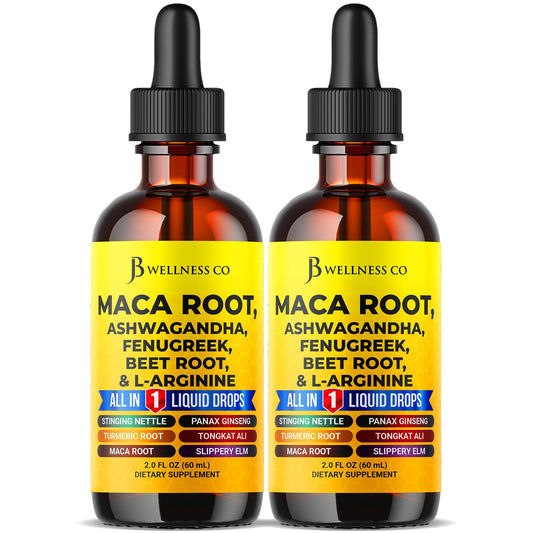
JB Wellness Co Organic Maca Root Liquid Drops with Ashwaganda, Nettle, Fenugreek, Beet Root & L-Arginine – 4oz
Plant-powered daily vitality in a convenient liquid JB Wellness Co Organic Maca Root Liquid Drops offer a flexible, plant-forward approach to daily wellness. The blend centers on maca root and ashwagandha, with nettle, fenugreek, beet root, and L-arginine. Presented as a liquid, it’s easy...- £44.27
- £44.27
- Unit price
- per
-
Vendor:ECLECTIC INSTITUTE
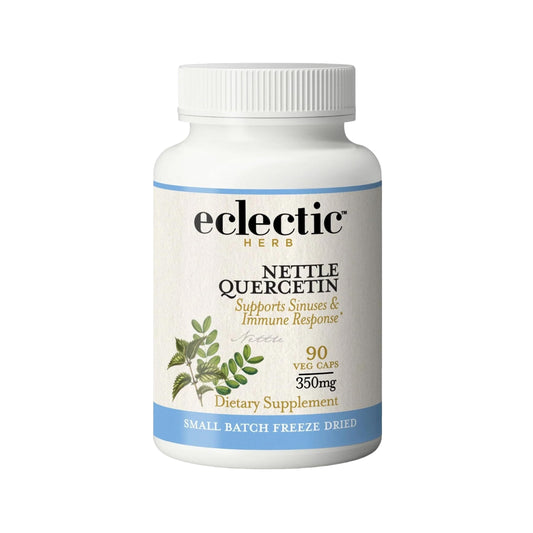
Eclectic Institute Eclectic Herb Nettle Quercetin Capsules | Non-GMO, Vegan | 90 CT
Meet Eclectic Herb Nettle Quercetin Capsules Designed for everyday wellness, this plant-based blend combines freeze-dried nettle with quercetin, a powerful plant-derived antioxidant. The result is a naturally sourced capsule that fits into a vegan, non-GMO lifestyle while offering a rich, earthy profile and easy...- £40.13
- £40.13
- Unit price
- per
-
Vendor:Oregon's Wild Harvest
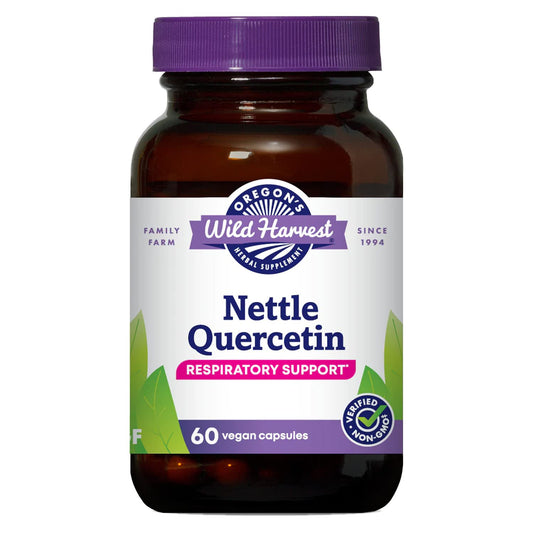
Oregon's Wild Harvest Nettle Quercetin Capsules — Non-GMO Organic Herbal Supplement, 60 Count
Overview Seasonal changes can bring everyday demands that feel more noticeable at times. Oregon's Wild Harvest Nettle Quercetin Capsules blend a plant-based nettle extract with quercetin to offer a simple, vegan-friendly option that aligns with busy, ingredient-conscious routines. The formulation focuses on supporting the...- £42.08
- £42.08
- Unit price
- per
-
Vendor:Oregon's Wild Harvest
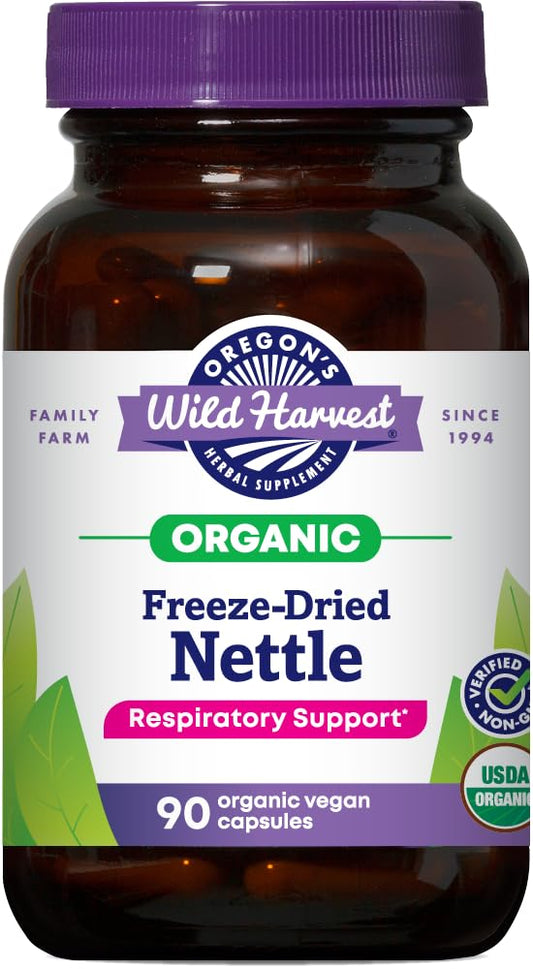
Oregon's Wild Harvest Certified Organic Nettle Capsules - 600 mg, 90 Capsules
Natural nettle capsules to support an active lifestyle There is a world of outdoor possibilities, and Oregon's Wild Harvest nettle capsules are designed to fit into your routine. Each capsule provides 600 mg of certified organic nettle tops (Urtica dioica), harvested young and freeze-dried...- £41.96
- £41.96
- Unit price
- per
-
Vendor:Wild & Organic
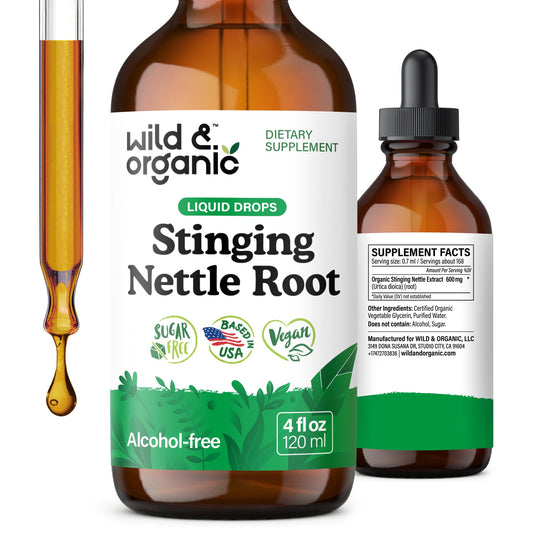
Wild & Organic Stinging Nettle Tincture - 600 mg Root Extract, Alcohol-Free, Vegan, 4 fl oz
Overview Wild & Organic Stinging Nettle Tincture is a plant-based liquid supplement designed for daily wellness routines. Each serving delivers 600 mg of stinging nettle root extract in a glycerin-based tincture that is both vegan and alcohol-free. This formulation prioritizes clean ingredients and straightforward,...- £41.03
- £41.03
- Unit price
- per