



Skip to content
Welcome to Elovita — Supporting Your Daily Wellness Across the UK
10% Off On Selected Products - SHOP NOW
Improve Your Sleep Naturally with Melatonin in the UK
Free Shipping Across United Kingdom
Wish lists
Wish lists
Cart
0 items

Blogs

How do I use ball of foot cushion pads properly? Tips for all day comfort and flats (Ball of Foot Cushion Collection)

Ball-of-foot cushion pad placement inside a women’s heel

If theball of your footfeels sore, hot, or “burny” after a day in heels or even slim flats, you’re not alone. The forefoot takes a lot of pressure-especially in high heels, pointed toe shoes, and hard-soled footwear where there’s little built-in shock absorption.Ball-of-foot cushion padscan help by adding a soft layer where you load the most weight, improving grip, and reducing friction that leads to rubbing and blisters.

Ball of Foot Cushion Collection how to tips is the focus of this guide.

This step-by-step technique guide answers the most common question people ask:How do I use ball of foot cushion pads properly?You’ll learn where to place them, how to stop them sliding, how to choose a shape for different shoes, and how to keep them feeling fresh. For options and styles, you can browse theBall of Foot Cushion Collection.

Primary focus:Ball of Foot Cushion Collection how to tips-so you can walk more comfortably, for longer, in your everyday shoes.

What ball-of-foot cushions actually do (and what they don’t)

Before placement tips, it helps to understand the real-worldbenefitsand limitations. Most ball-of-foot cushions are made from gel, silicone, foam, or fabric-topped materials designed to:

  • Add cushioningunder the forefoot to soften impact and reduce pressure points
  • Increase gripto help prevent sliding forward (especially in heels)
  • Reduce frictionto help prevent rubbing, hot spots, and blisters
  • Improve comfortin thin-soled flats, court shoes, sandals, and some trainers

They don’t change the structure of the shoe, and they won’t “fix” the fit if your shoes are significantly too big, too narrow, or the wrong shape for your foot. Think of them as a comfort and support accessory-most effective when paired with good fit and sensible wear time breaks.

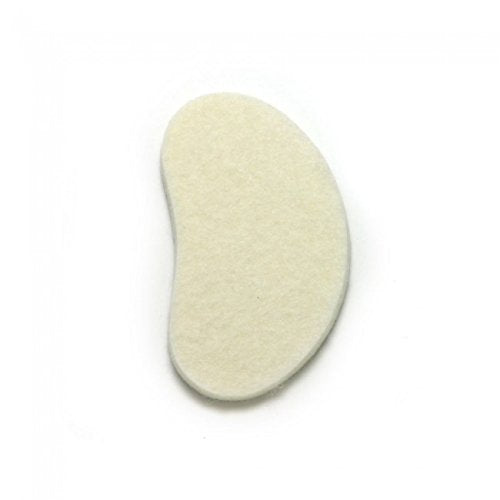
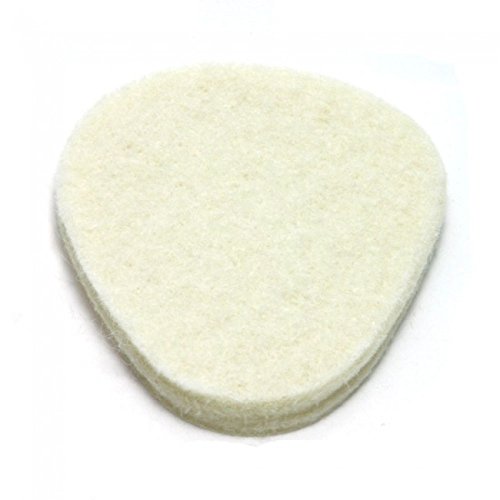
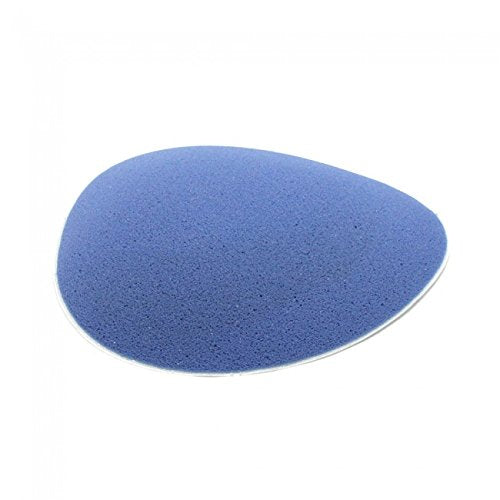
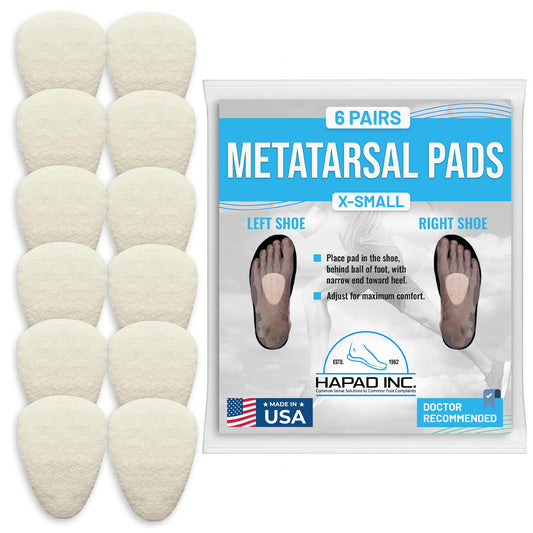
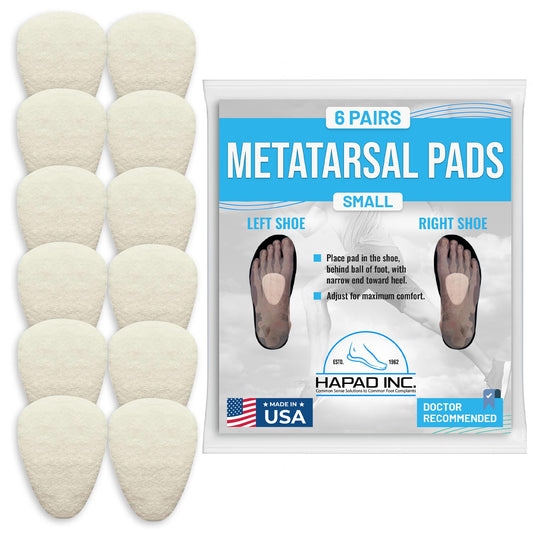
If you’re looking to explore different pad shapes (full forefoot pads, teardrop pads, metatarsal-style pads, non-slip gel cushions), start with theElovita Ball of Foot Cushion Collectionto compare styles for heels, flats, and open-toe shoes.

How to use ball of foot cushion pads properly: step-by-step placement

The biggest reason forefoot pads feel “wrong” is placement. Too far forward can crowd the toes; too far back can miss the pressure zone and create a ridge you feel with each step. Use this simple technique.

Step 1: Identify your pressure zone (30 seconds)

Stand barefoot on a hard floor and gently rock forward until you feel weight shift onto the ball of your foot (the area behind your toes, across the metatarsal heads). That’s the zone you want to cushion-not your toe pads and not your arch.

Step 2: Clean the inside of the shoe first

For adhesive or tacky gel pads to stay put, wipe the insole with a clean, slightly damp cloth and let it dry completely. If the shoe has dust, foot powder, or conditioner residue, the pad is more likely to slide.

Step 3: Dry your feet (and avoid lotions right before wear)

Moisture and creams can increase slip. If you like moisturiser, apply it at night-then wash and dry feet before wearing pads the next day.

Step 4: Position the pad using a “toe line” guide

Place the pad so its front edge sits just behind the base of your toes (where your toes meet your foot). You should still be able to wiggle your toes comfortably. If it feels like your toes are being pushed up or squeezed, the pad is too far forward.

Step 5: Press firmly and test-walk indoors

Once placed, press firmly for 10-20 seconds to help it bond (or to seat a non-adhesive cushion). Walk around indoors for a minute. If you feel a lump, peel and reposition slightly-small shifts (a few millimetres) can make a big difference.

Step 6: Fine-tune for heel height

Higher heelsshift more weight forward. In stilettos and high courts, you may prefer the pad a touch further back to spread load across the ball of the foot. Inlow heels and flats, placing it closer to the natural ball-of-foot zone often feels most natural.

If you want to see forefoot pad options tailored to different shoe types, browseball-of-foot cushions for heels and flats.

Technique tips for all-day comfort in heels

Heels create a forward slide that increases pressure, friction, and toe crowding. The goal is to stabilise the forefoot while keeping the shoe comfortable for longer wear-commutes, events, weddings, nights out, and office days.

Tip 1: Pair forefoot cushions with the right fit (especially the heel cup)

If your heel lifts in the shoe, you’ll often compensate by gripping with your toes, which increases forefoot strain. A secure heel fit can reduce that “clawing” feeling and help the cushion do its job.

Tip 2: Choose a shape that matches your toe box

For pointed toes, a slimmer teardrop shape can reduce bulk. For round-toe courts, a wider pad often feels more supportive. For open-toe sandals, look for styles that don’t peek out at the front edge.

Tip 3: Use non-slip techniques if you slide forward

If you feel yourself inching forward in your shoes:

  • Make sure the insole is completely dry and free of dust
  • Press the pad down firmly before wearing
  • Consider a more grippy gel texture designed to reduce forward slide
  • Check if the shoe is slightly long-extra length can encourage sliding

You can explore different grip and thickness options in theBall of Foot Cushion Collection range.

Tip 4: Prevent “edge feel” by smoothing transitions

If the pad edge is noticeable, it’s usually one of three things: it’s too thick for the shoe, it’s positioned too far back, or the shoe’s insole is very thin and firm. Try repositioning slightly forward, or switch to a thinner gel/foam option.

Tip 5: Break in both the shoes and the cushions

Even with the right cushion, wearing brand-new heels for hours can be tough. Do a short indoor test (10-20 minutes), then build up wear time. This helps you pinpoint the best placement before a full day out.

Technique tips for flats, trainers, and everyday shoes

Flats and trainers can still cause forefoot fatigue-especially if the sole is thin, the footbed is flat, or you walk long distances on pavements. For commuting, shopping, and city breaks, comfort is often about reducing repeated pressure and friction.

Tip 1: Match thickness to shoe volume

Many flats don’t have much “extra room” inside. If your toes feel crowded after adding a cushion, switch to a slimmer pad. In roomier shoes (some loafers and trainers), a slightly thicker cushion may feel better over longer walks.

Tip 2: Use pads to reduce rubbing in hard-edged seams

If you get hot spots across the forefoot, a fabric-topped cushion can reduce friction where your foot meets the insole. This can be particularly helpful in ballet flats, pumps, and fashion trainers with stiffer internal seams.

Tip 3: Consider socks or hosiery as part of the system

In trainers, a thin sock can improve comfort and reduce sweat, which can help cushions stay stable. In flats, sheer tights can change how your foot slides-test your pads with the same hosiery you’ll actually wear.

For options that suit different day-to-day shoes, visit theforefoot cushion pads collection.

Common mistakes (and quick fixes)

Mistake: Placing the pad under the toes

Fix:Move it back so the front edge sits just behind your toe joints. Toe crowding usually means the pad is too far forward or too thick.

Mistake: Expecting the cushion to stop pain from a poor fit

Fix:If the shoe is too narrow or your toes are compressed, a cushion can sometimes make it feel tighter. Try a slimmer pad, a different shoe shape, or save that pair for shorter wear.

Mistake: Pads sliding after an hour

Fix:Clean and dry the insole, then press the pad down firmly. If the insole is textured or dusty, adhesion suffers. Also check whether sweat is building up-taking a short break to dry feet can help.

Mistake: “Squishy” feeling that throws off balance

Fix:In very high heels, overly soft pads can feel unstable. Try a firmer gel, a thinner cushion, or a smaller shape so you keep good ground feel.

Mistake: Irritation or rubbing at the pad edge

Fix:Reposition a few millimetres, choose a tapered edge design, or switch to fabric-topped cushioning to reduce friction.

People also ask: ball-of-foot cushion pad placement and wear

These are the quick, practical questions people often search when they’re trying to get comfortable fast.

Where exactly should ball-of-foot cushion pads go?

They should sit under the ball of your foot (behind the base of your toes), cushioning the pressure zone across the forefoot without pushing your toes upward or forward.

Should I put the pad closer to my toes or my arch?

Closer to your toes-but not under them. If it’s too far back toward the arch, you may feel a ridge and miss the main pressure points.

Do ball-of-foot cushions work in flats as well as heels?

Yes. In flats, they can reduce pressure and friction on thin soles, especially during longer walks. The best comfort usually comes from a slimmer pad that doesn’t crowd the toe box.

Can I use them in sandals or peep-toe heels?

Often, yes-choose a shape that won’t show at the front edge and that suits open-toe styling. Check placement carefully so it stays hidden and feels secure.

How do I stop my feet sliding forward in heels?

Use a grippy forefoot cushion, make sure the insole is clean and dry, and confirm the shoe length and heel fit are correct. Sliding is usually a combination of smooth insoles, sweat, and a slightly roomy fit.

Can I wear ball-of-foot pads all day?

Many people do, but comfort depends on shoe fit, heel height, and the thickness of the pad. It’s smart to test-wear at home first and build up time if you’re prone to forefoot soreness.

How do I clean ball-of-foot cushions?

Follow the care guidance for your pad type. Many gel or silicone cushions can be gently washed with mild soap and lukewarm water, then air-dried fully before reusing. Avoid harsh cleaners that can break down tacky surfaces.

Choosing the right style for your shoes and lifestyle

Not all forefoot cushions feel the same. The “right” one depends on your shoe type, how much room you have inside the toe box, and where you tend to feel discomfort. Here are practical matching tips you can use when browsing theBall of Foot Cushion Collection:

  • High heels (stilettos, courts):look for stable cushioning with a grippy surface to reduce forward slide and pressure
  • Wedges and block heels:moderate cushioning often feels best for longer wear because the pressure is spread differently
  • Pointed-toe shoes:slimmer shapes help reduce toe crowding
  • Ballet flats and pumps:thin, low-profile cushions can reduce soreness without changing fit too much
  • Sandals and open-toe styles:choose discreet shapes that won’t show and won’t shift with bare feet
  • Travel days and lots of walking:consider breathability, easy cleaning, and reliable grip

Use cases and scenarios:office commutes, weddings and parties, city breaks, evenings out, daily errands, and holiday packing where you want fewer shoes but more comfort.

Extra comfort strategies (beyond cushions)

Ball-of-foot cushioning is most effective when you treat comfort as a system. If you’re still feeling forefoot pain, try these technique tweaks:

  • Alternate heel heightsacross the week to reduce repeated forefoot load
  • Take short sitting breaksto let feet cool and reduce swelling
  • Keep toenails tidyto reduce pressure in closed-toe shoes
  • Use blister protectionwhere you regularly get hot spots (heel, side of the big toe, little toe)
  • Stretch calvesif you wear heels often-tight calves can change how you load the forefoot

If you experience persistent or worsening pain, numbness, or burning that doesn’t improve with shoe changes and cushioning, consider speaking with a podiatrist or GP for personalised advice-especially if you suspect a condition such as metatarsalgia, Morton’s neuroma, or a stress injury.

Quick checklist before you leave the house

  • Insole is clean and fully dry
  • Feet are dry (no lotion applied right before)
  • Pad placed just behind the toe joints
  • Toes can wiggle; no crowding in the toe box
  • Walk-test indoors for one minute; adjust if needed

When you’re ready to choose a style that fits your shoes, you’ll find a range of shapes and finishes in theBall of Foot Cushion Collection.

FAQ

How do I know if my ball-of-foot cushion is too thick?

If your toes feel cramped, your foot feels pushed upward, or your shoe suddenly feels tighter across the forefoot, the cushion is likely too thick for that shoe. Try a slimmer, lower-profile pad or a smaller shape.

Can I move the same cushion between different shoes?

You can, but it’s often less effective because each shoe’s insole shape and width differs. If the cushion is adhesive, repeated moving may reduce how well it stays in place. For best comfort, match pads to the shoes you wear most.

Key take-away:The best “how to” tip is precise placement-under the ball of the foot, just behind the toes-plus a clean, dry insole to keep the cushion stable all day.

Prev post
Next post

Thanks for subscribing!

This email has been registered!

Shop the look

Choose options

Edit option
Back In Stock Notification
Terms & conditions

OVERVIEW

Welcome to Elovita! The terms “we”, “us” and “our” refer to Elovita. Elovita operates this store and website, including all related information, content, features, tools, products and services (the “Services”). Elovita is powered by Shopify, which enables us to provide the Services to you.

These Terms of Service (the “Terms”) describe your rights and responsibilities when you use the Services. By visiting, interacting with or using our Services, you agree to be bound by these Terms and our Privacy Policy. If you do not agree, you should not use or access the Services.


SECTION 1 – ACCESS AND ACCOUNT

By agreeing to these Terms, you confirm that you are at least 18 years old (the age of majority in the UK) and you consent to any of your minor dependents using the Services on devices you own or manage.

To use the Services you may be asked for information such as your email address, billing, payment and shipping details. You warrant that all information you provide is correct, current and complete and that you have the rights to provide it.

You are responsible for maintaining the security of your account credentials and for all activity under your account. You may not transfer or sell your account.


SECTION 2 – OUR PRODUCTS

We strive to represent our products accurately; however, colours and appearance may vary depending on your device and settings. We do not warrant that any product’s appearance or quality will meet your expectations.

Product descriptions may change at any time without notice. We may discontinue products and/or limit quantities to any person or geographic region at our discretion.


SECTION 3 – ORDERS

When you place an order, you make an offer to purchase. Elovita may accept or decline any order at its discretion. We must receive and process your payment before acceptance.

Your purchases are subject to our Refund Policy.

You warrant that your purchases are for personal/household use and not for resale or export.


SECTION 4 – PRICES AND BILLING

Prices, discounts and promotions may change without notice. Prices exclude taxes, shipping/handling and applicable duties unless stated otherwise.

You agree to provide complete and accurate payment details and confirm that you are authorised to use the payment method provided.


SECTION 5 – SHIPPING AND DELIVERY (UK ONLY)

We currently sell and ship within the United Kingdom only. Delivery times are estimates and may vary. Risk of loss passes to you upon delivery.


SECTION 6 – INTELLECTUAL PROPERTY

All trademarks, text, images, video, audio and their arrangement are owned by Elovita or its licensors and protected by UK and international laws.

You may use the Services for personal, non-commercial purposes only.

Elovita’s names, logos, product names and designs are trademarks of Elovita and/or its affiliates. Shopify trademarks belong to Shopify.


SECTION 7 – OPTIONAL TOOLS

We may provide access to third-party tools. These are provided “as is” without warranties, and you use them at your own risk.


SECTION 8 – THIRD-PARTY LINKS

We are not responsible for third-party content or websites. Use of third-party sites is at your own risk. Review their policies before engaging.


SECTION 9 – RELATIONSHIP WITH SHOPIFY

Elovita is powered by Shopify. However, all purchases are made directly with Elovita. Shopify is not responsible for any sales, claims or damages relating to your transactions.

You expressly release Shopify from all claims arising from your purchases.


SECTION 10 – PRIVACY POLICY

All personal information we collect is subject to our Privacy Policy. Because our Services are hosted by Shopify, some data processing is performed by Shopify.


SECTION 11 – FEEDBACK

If you provide feedback or reviews, you grant us a worldwide, royalty-free licence to use, reproduce, display and distribute it. You warrant you have rights to submit such content.


SECTION 12 – ERRORS, INACCURACIES AND OMISSIONS

We may correct errors or update information at any time, including after an order has been submitted.


SECTION 13 – PROHIBITED USES

You must not misuse the Services. Prohibited conduct includes violations of law, harassment, spreading malware, scraping, impersonation, or attempting to bypass security.


SECTION 14 – TERMINATION

We may suspend or terminate the Services at any time. You remain responsible for amounts due up to the termination date.


SECTION 15 – DISCLAIMER OF WARRANTIES

Except where stated by Elovita, the Services and all products are provided “as is” and “as available” without warranties of any kind.


SECTION 16 – LIMITATION OF LIABILITY

Elovita is not liable for indirect or consequential damages, including loss of profits, data or savings, arising from use of the Services.


SECTION 17 – INDEMNIFICATION

You agree to indemnify Elovita, Shopify and their affiliates from claims arising from your misuse of the Services or breach of these Terms.


SECTION 18 – SEVERABILITY

If any part of these Terms is found unenforceable, the rest will remain in effect.


SECTION 19 – WAIVER; ENTIRE AGREEMENT

These Terms constitute the entire agreement between you and Elovita.


SECTION 20 – ASSIGNMENT

You may not assign these Terms without our consent. We may assign our rights without notice.


SECTION 21 – GOVERNING LAW

These Terms are governed by the laws of England and Wales.


SECTION 22 – HEADINGS

Headings are for convenience only and do not affect interpretation.


SECTION 23 – CHANGES TO TERMS OF SERVICE

We may update these Terms at any time. Continued use of the Services constitutes acceptance of the updated Terms.


SECTION 24 – CONTACT INFORMATION

Questions about the Terms of Service:

📧 Email: elovita.uk@gmail.com

Elovita
Nine Elms, STE 003
London SW11 8DE
United Kingdom

Choose options

this is just a warning
Login
Shopping cart
0 items