








Green Tea Herbal Supplements
Explore a curated range of green tea herbal supplements designed to support everyday wellness. Green tea extract is widely valued for its naturally occurring catechins, including EGCG, plus polyphenols that contribute to antioxidant support. Our collection focuses on practical formats—capsules, tablets, and concentrated extracts—so you can maintain a consistent routine without needing to brew multiple cups a day. This is especially helpful for busy schedules across the United Kingdom, whether you’re working, training, or travelling.
Many customers choose green tea supplements as part of a broader approach to wellbeing, pairing them with supplements and vitamins, minerals & supplements, or blended vitamin and mineral supplements. You’ll find clear product details to help you compare standardisation (such as EGCG content), serving sizes, and caffeine levels where relevant—useful if you’re sensitive to stimulants or prefer a lower-caffeine option.
What people use them for
Green tea is a well-researched botanical ingredient commonly found in herbal supplements. Shoppers often look for support with antioxidant intake, maintaining energy balance, and complementing an active lifestyle. Related entities and keywords you may see include green tea extract, EGCG, catechins, polyphenols, antioxidants, metabolism support, caffeine content, and capsule supplements.
- Convenient daily formats for home, office, or gym bags
- EGCG-standardised options for consistent strength
- Compatible with multivitamins and mineral blends
- Transparent labelling for easier comparisons
How to choose the right product
Start by selecting your preferred format and checking extract strength. Consider whether you want a pure green tea extract or a blended formula alongside other herbal ingredients. Review directions, suitability notes, and pricing displayed in GBP to choose an option that fits your routine and goals.
-
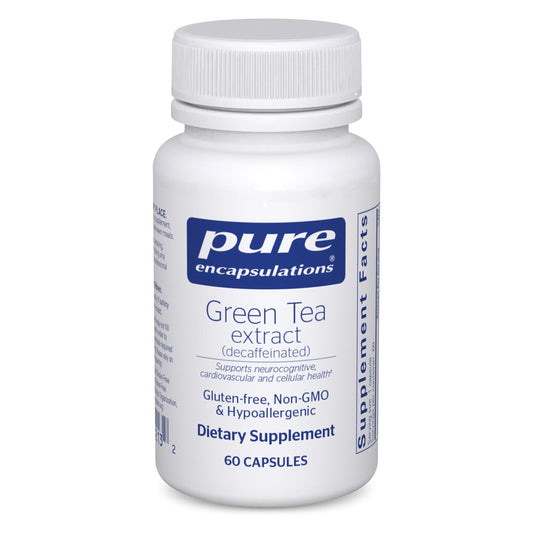
Vendor:Pure Encapsulations
Pure Encapsulations Green Tea Extract (Decaffeinated) — Hypoallergenic Antioxidant Support | 60 Capsules
Pure Encapsulations Green Tea Extract (Decaffeinated) Elevate your daily wellness with a decaffeinated green tea extract that concentrates polyphenols while remaining gentle on the stomach. This formulation highlights a robust polyphenol profile, featuring a high EGCG content, and comes in a convenient 60 capsule...- £46.52
- £46.52
- Unit price
- per
-
Vendor:HYLEYS
HYLEYS Organic Green Tea Acai Berry & Blueberry Flavor – 150 Tea Bags in 6 Pack
Elevate your daily tea ritual with an organic fruit-forward green tea HYLEYS Organic Green Tea Acai Berry and Blueberry Flavor blends carefully selected green tea leaves from the lush regions of Hunan and Yunnan in China. Each harvest is guided by seasoned tasters who...- £72.52
- £72.52
- Unit price
- per
-
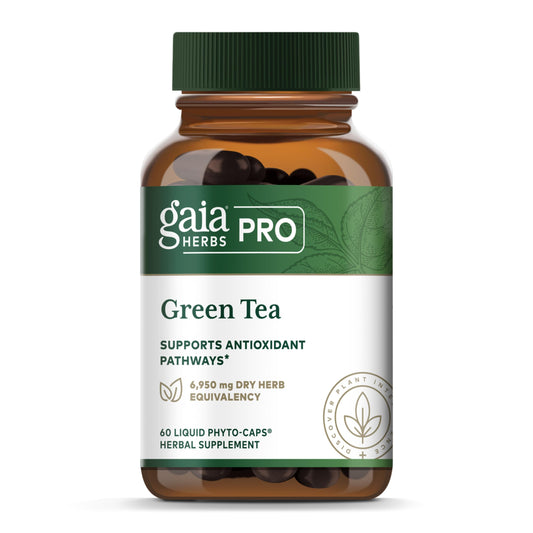
Vendor:Gaia Herbs PRO
Gaia Herbs PRO Green Tea – Heart Health & Antioxidant Support | 60 Liquid Phyto-Caps
Meet Gaia Herbs PRO Green TeaA purposefully crafted daily supplement designed for active lifestyles. By concentrating the green tea phytochemicals into a full spectrum extract, it offers a convenient capsule form that captures the brightness and aroma associated with green tea.Each serving delivers 300...- £50.90
- £50.90
- Unit price
- per
-
Vendor:New Green Nutrition
New Green Nutrition Yin Qiao Extra Strength 600MG (96 Tablets) – 3 Bottles
Traditional roots, modern reliability Explore New Green Nutrition Yin Qiao, a traditional formula adapted for today’s busy life. Each tablet delivers 600 mg, and a bottle contains 96 tablets, with a three-bottle set designed for extended use. The production happens in GMP-certified facilities, reflecting...- £54.18
- £54.18
- Unit price
- per
-
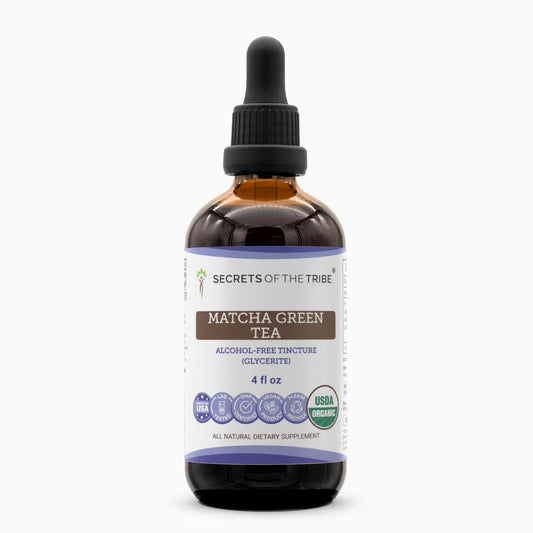
Vendor:Secrets of the Tribe
Secrets of the Tribe Matcha Green Tea Drops – USDA Organic, Alcohol-Free
Experience Secrets of the Tribe Matcha Green Tea Drops This alcohol-free extract blends 100% certified organic green tea and matcha (Camellia sinensis) dried leaf into a high-potency formula designed for everyday use. The extraction method concentrates beneficial components while preserving the tea’s delicate aroma...- £51.99
- £51.99
- Unit price
- per
-
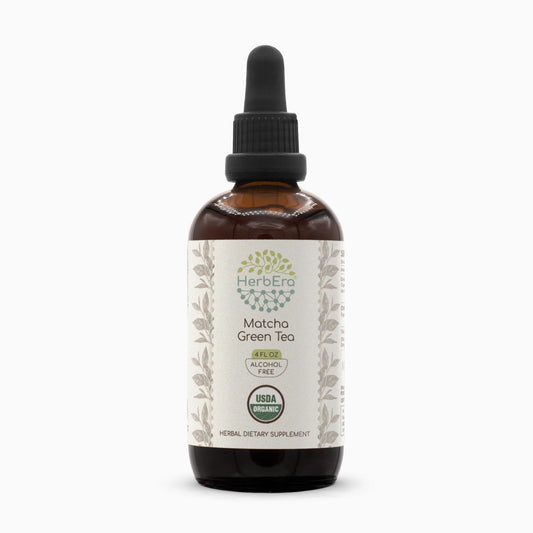
Vendor:HerbEra
HerbEra Matcha Green Tea Tincture B120 – Organic, Alcohol-Free, High-Potency Drops (4 oz)
HerbEra Matcha Green Tea Tincture B120 — Organic, Alcohol-Free, High-Potency Drops Discover a premium liquid herbal extract that captures the bright, grassy aroma of matcha green tea leaves in a clean, glycerin-based formula. This tincture is alcohol-free, built on a thoughtful 1:3 herb to...- £51.99
- £51.99
- Unit price
- per
-
Vendor:Bravo Tea
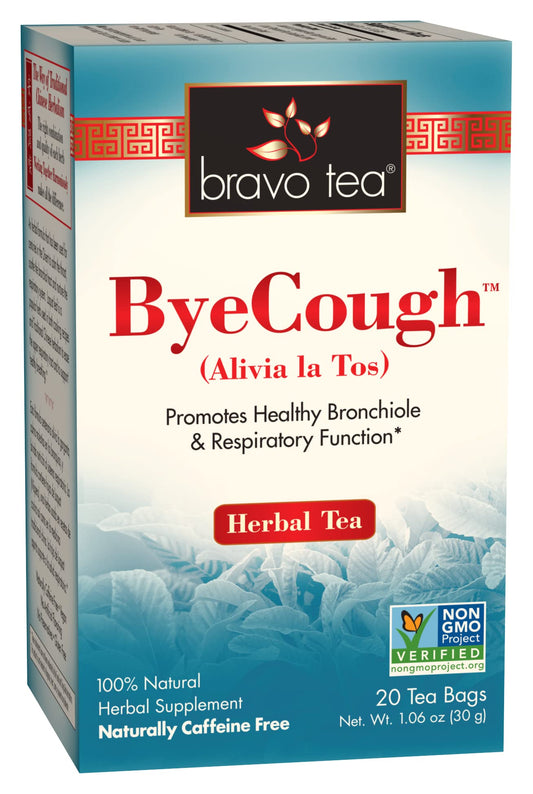
Bravo Tea Bye Cough Herbal Tea – Caffeine Free, 20 Tea Bags, 6-Count Box
A Caffeine-Free Herbal Tea Crafted for Daily Comfort Bravo Tea Bye Cough blends centuries of herbal knowledge into a fragrant, easy-to-love cup. Designed for daily rituals, this caffeine-free infusion invites you to slow down, breathe deeply, and enjoy a moment of calm. The aroma...- £54.18
- £54.18
- Unit price
- per
-
Vendor:Generic
GreenPura 100% Ultra-Pure Green Tea Extract Immune Health Capsule – 1 Count | Generic
Meet GreenPura: 100% Ultra-Pure Green Tea Extract CapsuleGreenPura ships in a compact capsule that delivers a clean, 100% ultra-pure green tea extract. The design prioritizes ease of use and daily consistency, helping you fit a simple wellness habit into busy days. The capsule is...- £42.08
- £42.08
- Unit price
- per
-
Vendor:Swanson
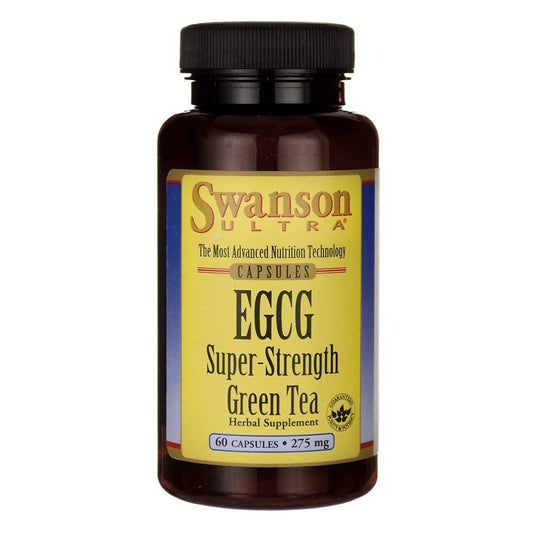
Swanson UL EGCG Green Tea Extract Standardized 275 mg – 60 Capsules
Experience Swanson UL EGCG Green Tea Extract, a carefully balanced, caffeine-free formula designed to integrate smoothly into daily routines. Each capsule delivers a robust 275 mg of standardized green tea extract, providing a steady base for a wellness-minded lifestyle without stimulants. EGCG is widely...- £51.11
- £51.11
- Unit price
- per
-
Vendor:Weyland Brain Nutrition
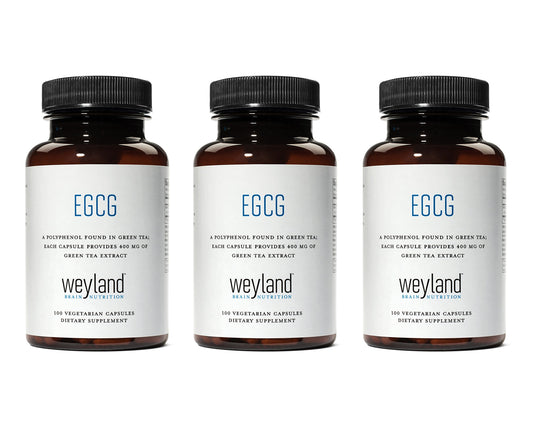
Weyland Brain Nutrition EGCG Green Tea Extract 400 mg | Antioxidant Support, Vegan & Gluten Free, 300 Capsules (Pack of 3)
Elevate your daily routine with Weyland EGCG Weyland Brain Nutrition offers a clean, plant-based EGCG supplement built from green tea extract. Each bottle delivers a beefy dose of wellness-friendly compounds in a vegan capsule, with 100 capsules per bottle and gluten-free certification. The pack...- £50.89
- £50.89
- Unit price
- per
-
Vendor:SFI Health
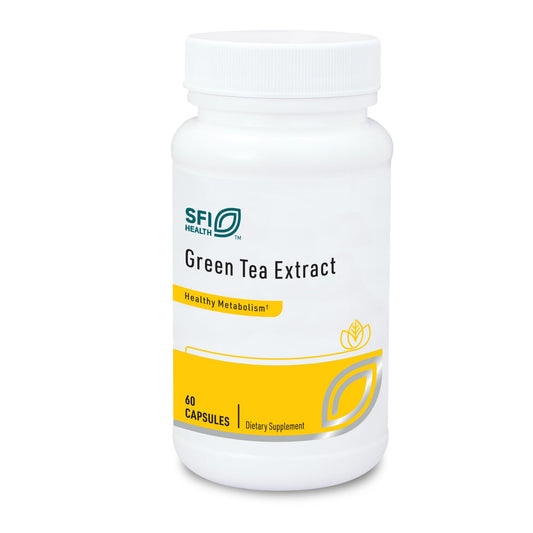
SFI Health Klaire Labs Green Tea Extract – 500 mg Green Tea Leaf Extract, 95% Polyphenols, 250 mg EGCG | 60 Vegetarian Capsules
Discover the potency of Klaire Labs Green Tea Extract SFI Health presents a hypoallergenic green tea extract designed to deliver a robust polyphenol profile. Each capsule provides 500 mg of green tea leaf extract, including 250 mg of EGCG, one of the most active...- £48.70
- £48.70
- Unit price
- per
-
Vendor:Nutraceutical Solution
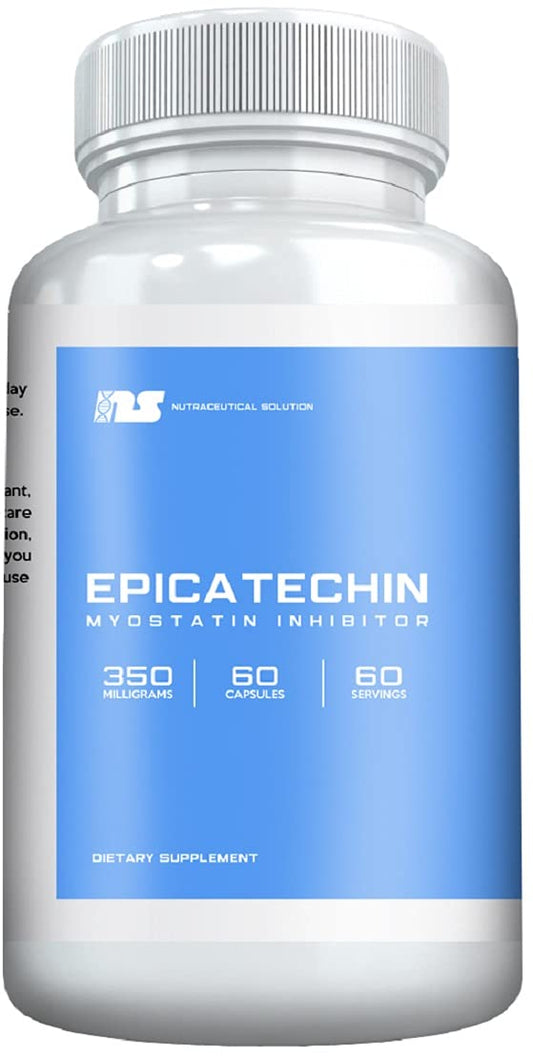
Nutraceutical Solution Epicatechin - 300 mg per Serving | 60 Servings
Meet Nutraceutical Solution Epicatechin, a focused daily supplement designed for modern routines. Each serving packs 300 mg of epicatechin into a compact capsule, giving you 60 servings per bottle for a steady, accessible addition to your day. The design is clean and straightforward, built...- £49.75
- £49.75
- Unit price
- per
-
Vendor:Dr Lewis Nutrition
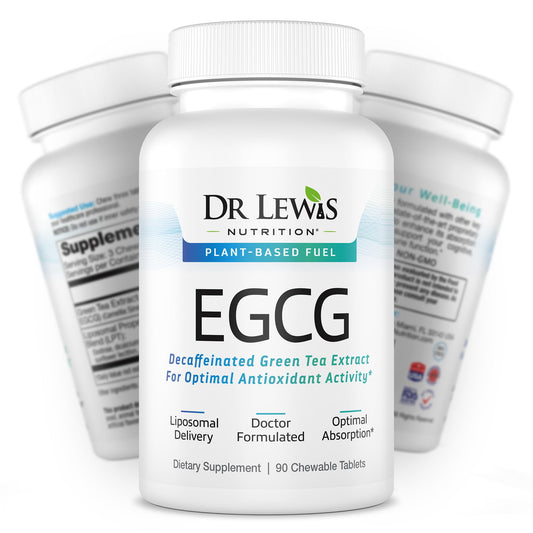
Dr Lewis Nutrition Liposomal Decaffeinated Green Tea Extract 94% EGCG – 90 Vegan Chewable Tablets
Overview Dr Lewis Nutrition Liposomal Decaffeinated Green Tea Extract blends the power of green tea phytonutrients with a modern liposomal delivery system. The decaffeinated extract preserves polyphenols while offering a caffeine-free option for daily wellness routines. Packaged as 90 vegan chewable tablets, the formula...- £50.85
- £50.85
- Unit price
- per
-
Vendor:Codeage
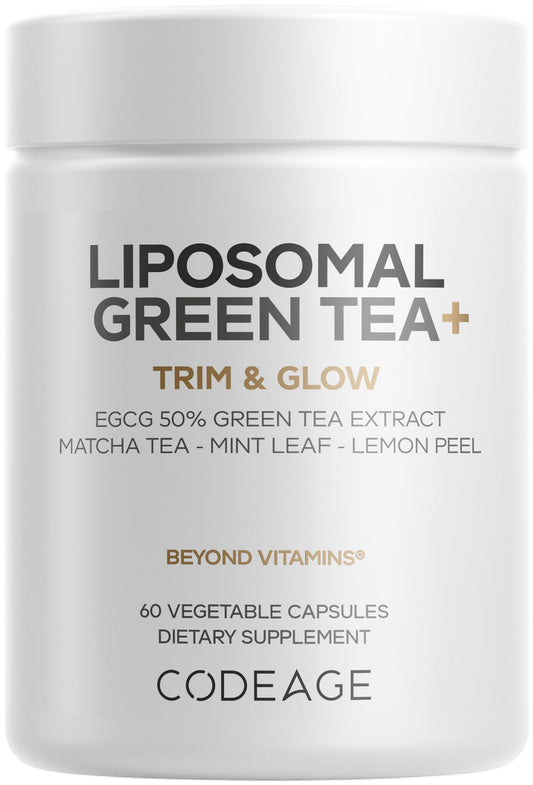
Codeage Liposomal Green Tea+ EGCG 50% Extract with Organic Matcha, Peppermint & Lemon - Liposomal Delivery, Vegan, 60 Capsules
Premium Liposomal Green Tea+ Formula Codeage Liposomal Green Tea+ EGCG 50% extract blends a high-potency green tea profile with organic botanicals for a refined daily ritual. The formulation centers around a potent EGCG concentration and a rich polyphenol profile, designed to fit into various...- £50.89
- £50.89
- Unit price
- per
-
Vendor:Zazzee
Zazzee Extra Strength Green Tea Extract 6000 mg per Capsule – 240 Vegan Capsules, 8-Month Supply, Made in USA
Boosted Green Tea Power in a Convenient CapsuleDiscover a robust green tea extract designed to fit a wellness-minded routine. Each capsule delivers a potent 6000 mg strength from a premium 20 to 1 extract, crafted to preserve key polyphenols that many enthusiasts value in...- £47.58
- £47.58
- Unit price
- per
-
Vendor:Garden of Life
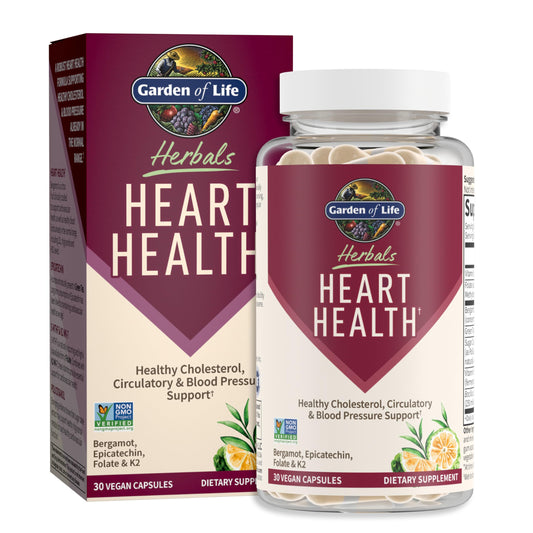
Garden of Life Herbals Heart Health – Bergamot, Green Tea & Folate (30 Veg Capsules)
Overview Designed for those seeking a comprehensive, plant-based approach to heart health, Garden of Life Herbals Heart Health blends clinically studied ingredients into a refreshing citrus-flavored vegan capsule. Each bottle contains 30 capsules, crafted for daily use, and designed to fit comfortably into a...- £47.06
- £47.06
- Unit price
- per
-
Vendor:Amla Green
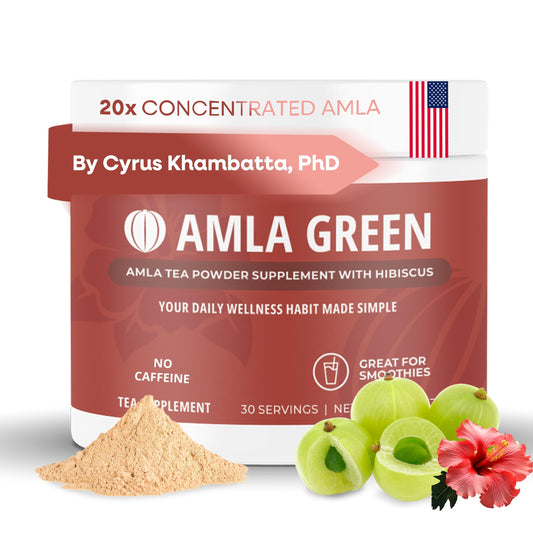
Amla Green 20x Concentrated Amla Powder + Green Tea Hibiscus — Organic Vegan, 30 Servings
Elevate Your Daily Superfood Routine Amla Green brings together an ultra-concentrated amla powder with green tea and hibiscus to create a flexible, everyday wellness powder. Its blend is designed to blend smoothly into smoothies, breakfast bowls, or a comforting cup of tea, offering a...- £45.37
- £45.37
- Unit price
- per
-
Vendor:Amla Green
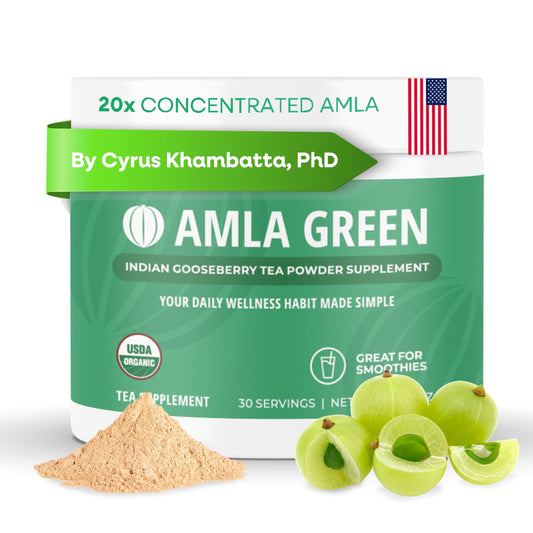
Amla Green: 20x Concentrated Amla Powder & Green Tea Superfood – Organic, Vegan, 30 Servings
OverviewAmla Green blends 20x concentrated amla powder with green tea and Indian gooseberries to create a versatile daily supplement you can mix into drinks or foods. The result is a smooth, balanced flavor with a rich aroma that supports your everyday routine.Why this formula...- £45.37
- £45.37
- Unit price
- per
-
Vendor:HERBAMAMA
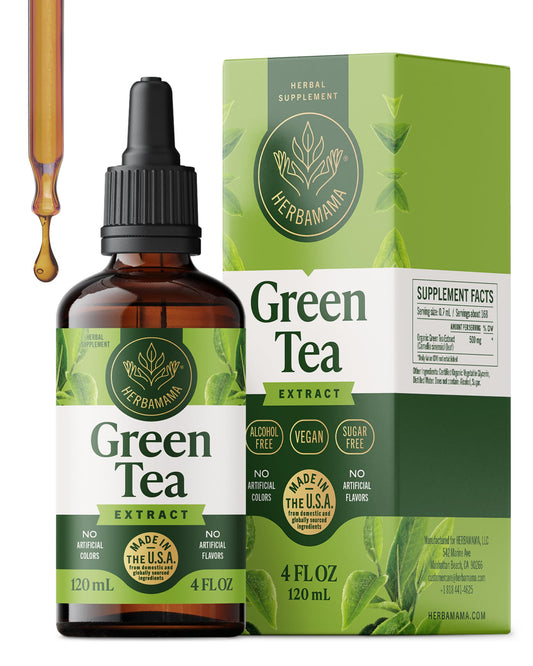
HERBAMAMA Green Tea Drops – Vegan Antioxidant Liquid Tincture (84-Day Supply), Non-GMO, Alcohol & Sugar-Free
Why choose HERBAMAMA Green Tea Drops HERBAMAMA Green Tea Drops present a pure Camellia sinensis extract in a liquid format that’s easy to weave into daily routines. The straightforward, three-ingredient blend emphasizes simplicity while delivering naturally occurring antioxidants. The drops are vegan, non-GMO, and...- £45.41
- £45.41
- Unit price
- per
-
Vendor:PURE ESSENCE LABS
Breast D by Pure Essence Labs - Natural Estrogen Balance & Menopause Support with Vitamin D3, Calcium, Green Tea & Lycopene, 30 Capsules
Balanced living with Breast D Breast D by Pure Essence Labs is a natural supplement designed to support estrogen balance, hormonal health, and menopause-related wellness. This thoughtfully crafted capsule blends essential nutrients with a herbal foundation to fit into a modern wellness routine. Each...- £44.00
- £44.00
- Unit price
- per