








Rice Protein Powders
Discover our carefully selected rice protein powders created for everyday sports nutrition and clean, plant-based protein support. Rice protein isolate is a popular choice for gym training, endurance sessions and active lifestyles, offering a straightforward ingredient profile and an easy-to-mix option for daily use. Ideal for blending into a post-workout shake, stirring into oats, or baking into high-protein snacks, it helps you increase protein intake without relying on dairy.
This collection is built around quality, usability and clarity—so you can choose a protein supplement that aligns with your goals, whether that’s building lean muscle, supporting recovery, or maintaining balanced macros. Many shoppers in the United Kingdom compare vegan protein options as an alternative to whey protein and pea protein; rice protein is often chosen for its neutral taste and smooth mixing in water or plant milks. You’ll find clear product details to compare serving size, protein per portion and suggested use with confidence.
Why choose rice protein?
Rice protein can slot neatly into a structured training plan alongside strength work, cardio and a busy schedule. It suits a range of dietary preferences and is commonly used in plant-based nutrition.
- Simple option for post-workout recovery
- Works in smoothies, porridge and baking recipes
- Supports protein tracking for macros and meal planning
- Fits vegan and dairy-free routines
How to use in your routine
Mix with water, oat drink or almond drink for a quick protein shake, or blend with fruit for a fuller smoothie. Pair with carbohydrate sources after training, or use between meals when you need a convenient protein boost. All products are priced in GBP, with straightforward information for shoppers across the United Kingdom.
-
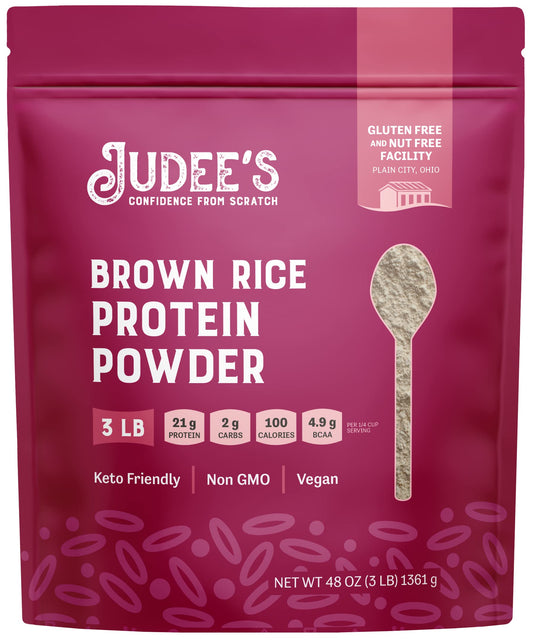
Vendor:Judee's Gluten Free
Judee's Gluten Free Brown Rice Protein Powder – Sprouted Rice Formula | Keto-Friendly Plant-Based Shake Base
Pure plant protein you can trust Judee's Gluten Free Brown Rice Protein Powder delivers a clean, plant-based option crafted from 100% sprouted brown rice. This unflavored powder supports gluten-free and dairy-free diets without compromising nutrition, offering a reliable foundation for everyday shakes and meals....- £62.65
- £62.65
- Unit price
- per
-
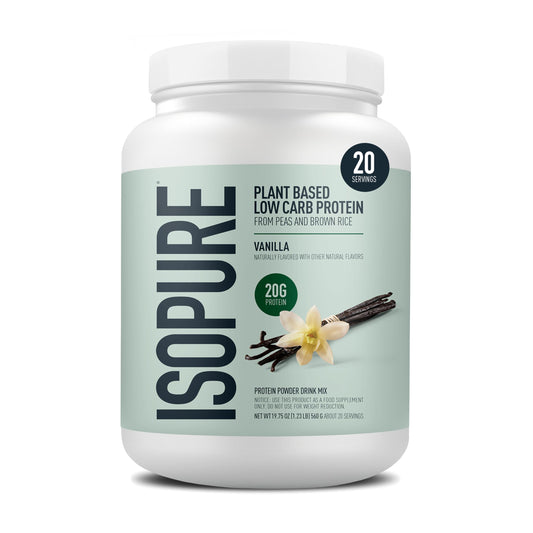
Vendor:Isopure
Isopure Plant-Based Protein Powder – Vanilla, 20g per Serving, Lactose & Gluten Free
Plant-Based Protein You Can Rely On Isopure Plant-Based Protein Powder in Vanilla brings together a clean blend of organic pea and brown rice protein to deliver 20g of protein per serving. The formula is dairy-free and gluten-free, with no soy ingredients and no artificial...- £44.60
- £44.60
- Unit price
- per
-
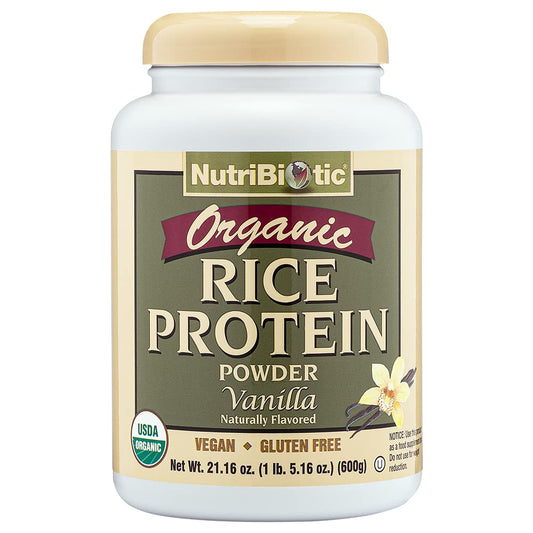
Vendor:NutriBiotic
NutriBiotic Organic Rice Protein Vanilla – Vegan, Low-Carb, Kosher
Plant-Powered Nutrition, Now Easier to Digest NutriBiotic Certified Organic Rice Protein Vanilla is a raw, plant-based protein powder designed for everyday nutrition. Made from sprouted brown rice, it delivers substantial protein with a broad array of naturally occurring amino acids. With about 80 percent...- £41.27
- £41.27
- Unit price
- per
-
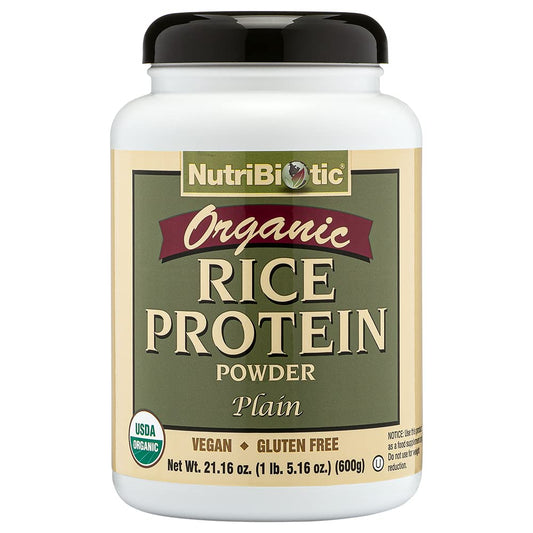
Vendor:NutriBiotic
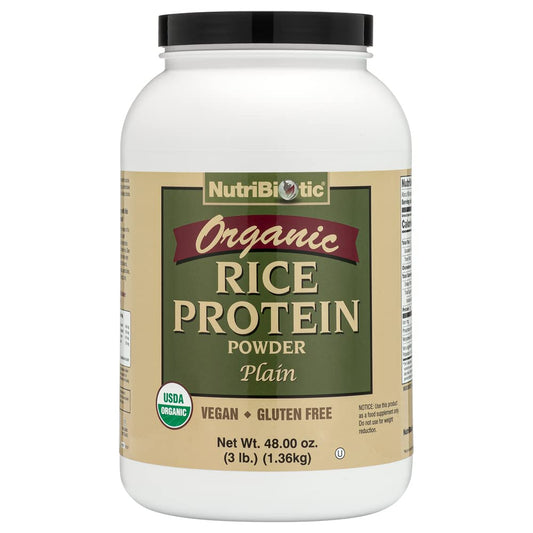
NutriBiotic Organic Plain Rice Protein 21 oz – Vegan, Kosher, Gluten-Free
NutriBiotic Organic Plain Rice Protein: A plant-based protein powder you can trust This 21 oz bag is crafted from certified organic, sprouted brown rice to provide a substantial protein source from a natural, minimally processed ingredient. With roughly 80% protein by weight, it delivers...- £41.58
- £41.58
- Unit price
- per
-
Vendor:Sunwarrior
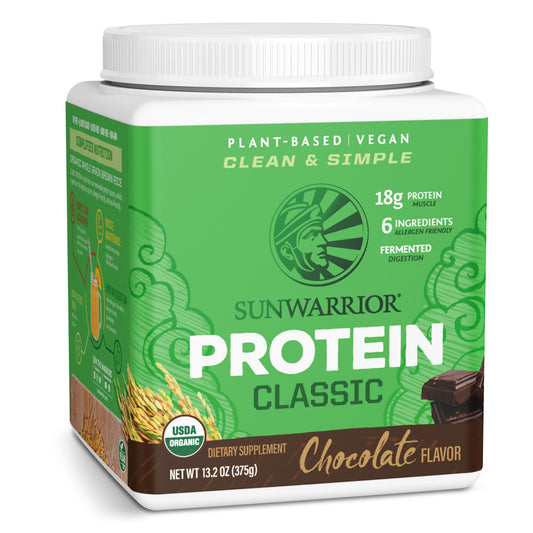
Sunwarrior Brown Rice Protein Powder – Chocolate, Plant-Based, Gluten-Free (375g)
Sunwarrior Brown Rice Protein Powder: Plant-Based Protein, Pure and Versatile Discover a clean, plant-based protein option crafted from a single ingredient: organic brown rice. The classic formula blends naturally fiber-rich endosperm and bran to create a smooth, easily mixed powder that fits into gluten-free,...- £42.10
- £42.10
- Unit price
- per
-
Vendor:Sunwarrior
Sunwarrior Brown Rice Protein Powder with BCAA & Amino Acids | Raw Plant-Based Sprouted Brown Rice Protein, Gluten Free | 375g
Clean plant protein for everyday routines Sunwarrior Brown Rice Protein Powder offers a pure, plant-based protein built from raw sprouted brown rice. Its balanced amino acid profile supports steady energy for workouts and daily activities, without common allergens. The formula stays true to vegan,...- £42.10
- £42.10
- Unit price
- per
-
Vendor:NutriBiotic
NutriBiotic Certified Organic Rice Protein Plain, 3 lb | Low-Carb Vegan Protein Powder | Kosher & Gluten-Free
Elevate Your Plant-Based Nutrition with NutriBiotic Organic Rice Protein Discover a clean, plant-powered protein powder crafted from certified organic, sprouted brown rice. The plain flavor blends smoothly into beverages and foods, delivering a mild, approachable profile that fits into busy mornings, post-workout routines, or...- £77.88
- £77.88
- Unit price
- per
-
Vendor:Sunwarrior
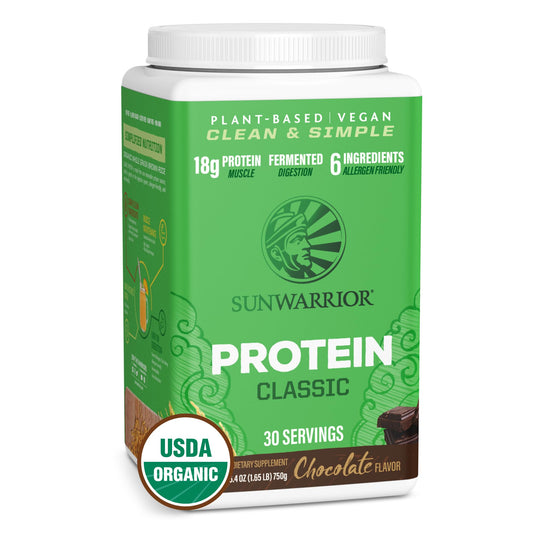
Sunwarrior Organic Brown Rice Protein Chocolate, 750 g
Pure, Plant‑Based Protein You Can Trust Sunwarrior Organic Brown Rice Protein Chocolate is built on a simple, organic brown rice base. Sourced from whole grains with endosperm and bran, the powder delivers natural fiber along with a clean, minimal ingredient list. This approachable base...- £61.83
- £61.83
- Unit price
- per
-
Vendor:BulkSupplements
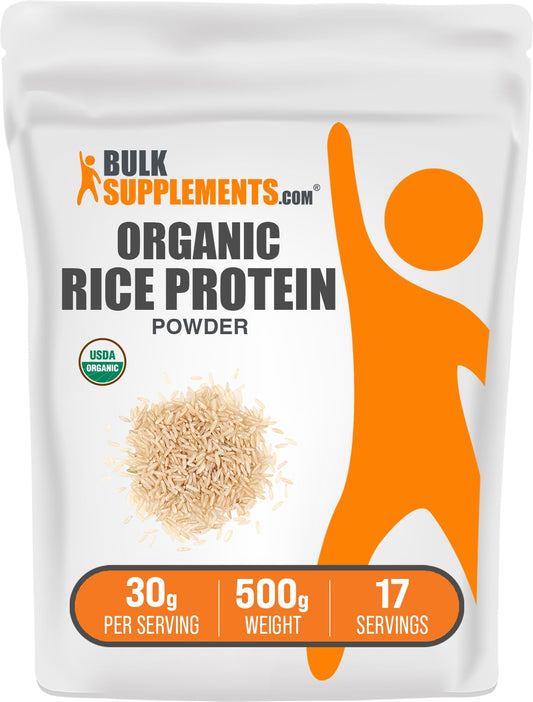
BulkSupplements Organic Rice Protein Powder – Unflavored Vegan Protein, Gluten Free, 500g
Flexible, clean vegan protein for everyday nutrition BulkSupplements Organic Rice Protein Powder is a versatile plant-based option designed to fit into busy days and active lifestyles. This unflavored powder comes in a convenient 500 g container and provides a consistent 30 g serving size,...- £42.10
- £42.10
- Unit price
- per
-
Vendor:NutriBiotic
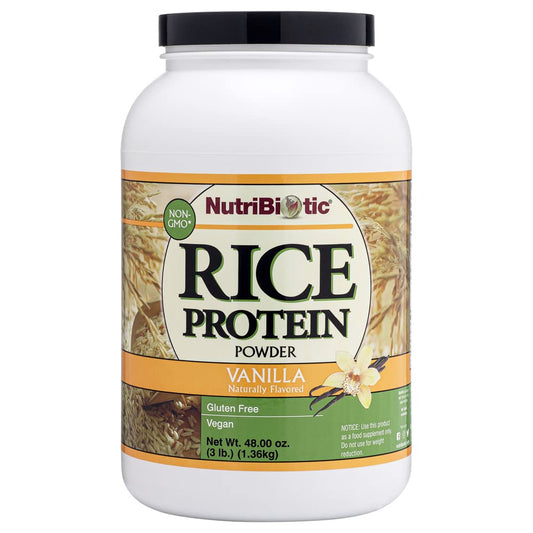
NutriBiotic Vanilla Rice Protein – 3 lb | Low Carb, Vegan, Gluten-Free, Raw Protein Powder
NutriBiotic Vanilla Rice Protein — Clean, Plant-Powered Nutrition Discover a protein powder designed for versatility and simplicity. NutriBiotic Vanilla Rice Protein is derived from whole grain, sprouted brown rice to provide a robust protein boost with a naturally balanced amino acid profile. The vanilla...- £69.90
- £69.90
- Unit price
- per
-
Vendor:NutriBiotic
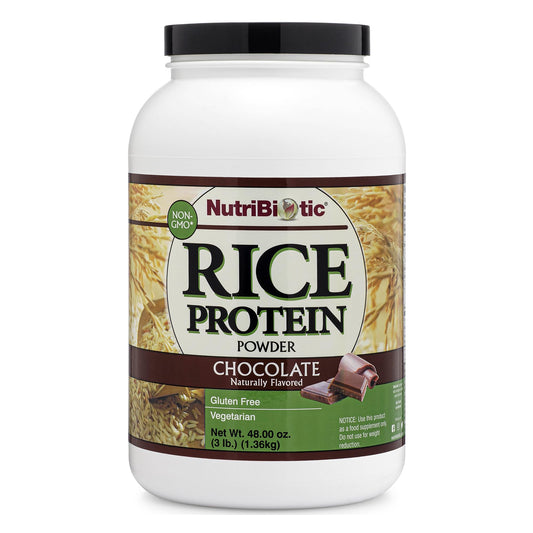
NutriBiotic – Chocolate Rice Protein, 3 Lb (1.36kg) | Low Carb, Vegetarian & Keto-Friendly Raw Protein Powder
Plant-powered nutrition with clean, honest ingredients NutriBiotic Chocolate Rice Protein offers a plant-based protein option crafted for everyday wellness. This 3-pound (1.36 kg) bag blends chocolate flavor with a smooth, mixable texture that easily fits into shakes, smoothies, or toppings. Designed for those seeking...- £68.06
- £68.06
- Unit price
- per
-
Vendor:NutriBiotic
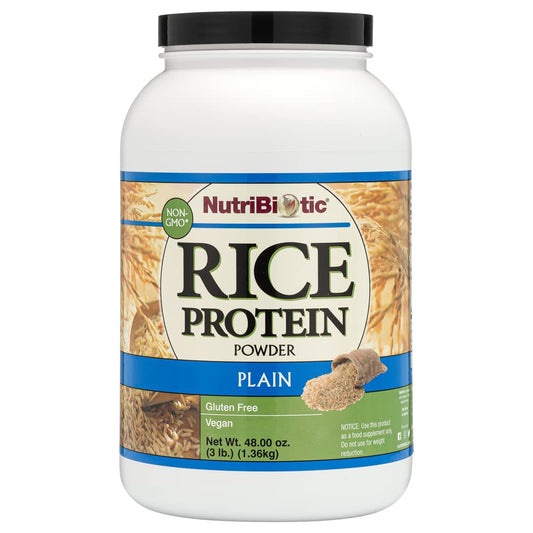
NutriBiotic Plain Rice Protein, 3 lb | Low Carb, Vegan & Raw Protein Powder | Gluten-Free & GMO-Free | Keto Friendly
OverviewNutriBiotic Plain Rice Protein is a plant-based protein powder derived from whole grain sprouted brown rice. It delivers a substantial protein content with a broad amino acid profile, while keeping carbohydrates modest. This plain formula blends quietly into shakes, smoothies, and baked goods, making...- £70.20
- £70.20
- Unit price
- per
-
Vendor:ALOHA
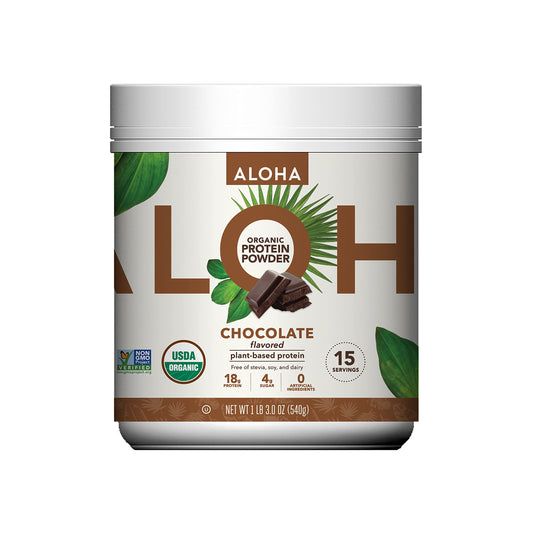
ALOHA Organic Plant-Based Protein Powder - Chocolate, 19.6 oz (Stevia-Free) | Vegan, Gluten-Free
Discover the Flavorful, Plant-Based Protein You Can Truly Reach For Seeking a protein boost that fits an active lifestyle without compromise? ALOHA's Chocolate Protein Powder delivers 18g of clean protein per serving from a thoughtful blend of organic pea, brown rice, pumpkin seed, and...- £48.70
- £48.70
- Unit price
- per
-
Vendor:BulkSupplements
BulkSupplements Barley Rice Protein Powder – Vegan, Unflavored, 30g per Serving, 1kg
Discover BulkSupplements Barley Rice Protein Powder, a plant-based protein option designed for everyday resilience. This dairy-free powder delivers 30 grams of protein per serving, making it a versatile addition to shakes, smoothies, or quick mixed beverages. The unflavored formula blends smoothly with other supplements...- £63.72
- £63.72
- Unit price
- per
-
Vendor:WelleCo
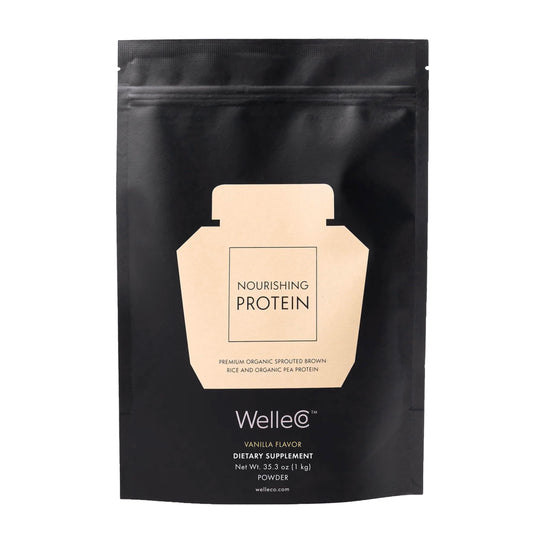
WelleCo Vegan Protein Powder – Organic Sprouted Rice & Pea, Vanilla, 16g Protein/Serving, Gluten & Dairy Free, 35.2oz
Meet WelleCo Nourishing Protein, a plant-based blend designed for active lifestyles. Crafted from organic sprouted brown rice and organic pea protein, it’s gluten-free, dairy-free, and made with whole-food ingredients. Each serving delivers 16g of protein while staying mindful of texture and flavor. In addition...- £126.21
- £126.21
- Unit price
- per