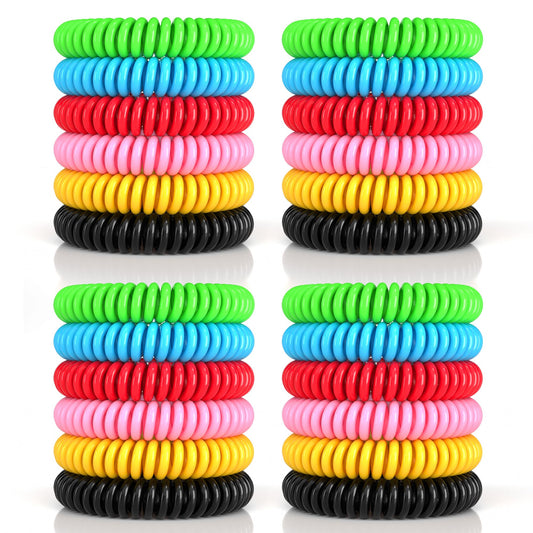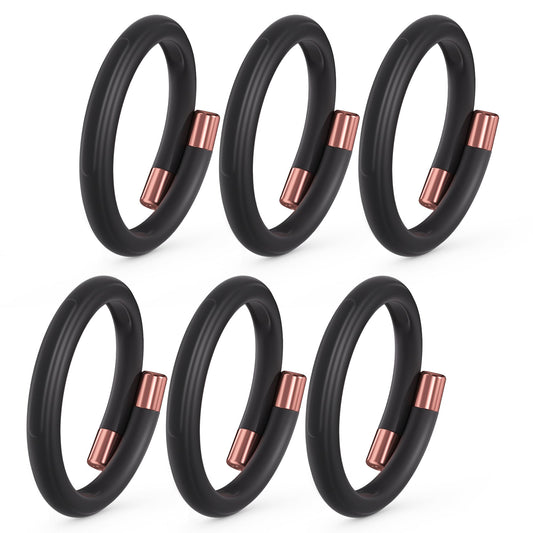
Insect & Pest Repellent Wristbands fixes and troubleshooting - when a wearable repellent doesn’t seem to work or causes irritation, it’s frustrating. This guide is built for UK summer outings: gardens, camping, festivals and coastal walks. It focuses on symptoms, likely causes and step-by-step solutions to restore comfort and performance, plus safe-use checks you can do at home. The advice combines manufacturer guidance, customer feedback and simple practical tests so you can quickly identify whether the issue is fit, material, environment, misuse or a genuine product fault.
Quick symptom guide: identify the common problems
Start by matching what you feel or see to a symptom. This helps pinpoint fixes without guesswork.
- Little or no repellency: you still get bitten near bugs despite wearing the band.
- Short-lived protection: it worked for a short time, then the effect faded.
- Uncomfortable fit: band is too tight, too loose, or moves around.
- Skin irritation or rash at the contact point.
- Band looks discoloured, sticky or cracked.
- Band has a very strong chemical smell or an unexpected odour.
- Band stopped releasing scent after getting wet or exposed to sun.
Once you’ve identified a symptom, follow the targeted checks and fixes below. If you’re unsure, read the “safety warnings” section before trying treatments.
Fit and sizing fixes: stop slippage and rubbing
Poor fit is one of the most common complaints. A band that slides or presses creates discomfort and reduces contact time for the active ingredients to diffuse into the nearby airspace.
Symptoms
- Band rotates around wrist or ankle.
- Band leaves pressure marks or feels too tight during activity.
- Band catches on clothing or accessories.
Causes and solutions
Materials such as silicone, woven straps or adjustable fastenings need different fixes.
- Silicone bands: If a silicone bracelet slips, gently roughen the inner surface with very fine sandpaper (240-320 grit) or a soft emery board to increase friction. Only scuff lightly to avoid damaging printed decorations.
- Adjustable straps: Re-thread and secure the fastener or use a small safety stitch to keep the slider in place. For clip-on or toggle styles, replace worn toggles or use a small heat shrink sleeve on the strap tail to stop fraying.
- Sizing too large: move the band to the ankle, upper arm, or add a small adhesive silicone stopper (sold for wearables) to reduce slack. For children, select correctly sized bands from the start and avoid adult-fit models.
- Sizing too small: do not force a tight band. A band that’s too tight can cause pressure injuries. Choose a larger size or a style with an adjustable clasp.
Tip: For outdoor activities like cycling or running, wear the band on the ankle or ankle sock area if wrist movement causes it to rotate. That reduces rubbing and keeps the release area more stable.
Safety checks and skin reactions
Skin sensitivity and allergic reactions cause most safety concerns around repellent wearables. Always treat any skin discomfort seriously and follow these steps.
Symptoms
- Redness, itching, blistering, or a rash under the band.
- Burning sensation or increased heat where the band contacts skin.
Immediate actions
- Stop using the band immediately. Remove it and wash the area with warm water and mild soap.
- Do not apply additional repellent or essential oils to the irritated skin.
- If symptoms persist or worsen, seek advice from a pharmacist or NHS 111. For severe swelling or breathing problems, seek emergency care.
Why reactions happen
Many wristbands use essential oils (citronella, lemongrass, geraniol) or synthetic actives (picaridin/icaridin). Some people have sensitivities to fragrances, preservatives or the band material itself (silicone, fabric, adhesives). The combination of sweat, heat and friction can increase the likelihood of irritation.
Prevention
- Perform a patch test: wear the band on a small area for a few hours at home before prolonged outdoor use.
- Rotate location: avoid constant contact with the same small skin area for long periods.
- Keep skin clean and dry where the band sits; moisture and salt from sweat increase absorption and irritation risk.
- Choose hypoallergenic or fragrance-free variants if you have sensitive skin, and read the label for preservatives like methylisothiazolinone.
If you are concerned about using active repellents on infants or very small children, consult a GP or pharmacist and follow manufacturer age guidance. For pets, do not transfer a human band to animals without specific pet-safe labelling.
Performance issues: what to test when repellency seems low
Performance is affected by product quality, environment, and correct use. Use these systematic checks to find the cause.
Step-by-step troubleshooting
- Check expiry and storage: consult the packaging or insert. Poor storage (heat, direct sun) can degrade active ingredients.
- Check whether the band is activated: some products require removal of a protective film, unfolding, or rubbing to release fragrance. Read the product insert carefully.
- Test in a low-exposure scenario: try the band in a controlled setting such as a garden where insect pressure is moderate. If it protects there, high local insect numbers may simply overwhelm wearable-only protection.
- Try a new band from the same batch: if a single band performs poorly while others work, it may be a faulty unit.
- Consider combined measures: wearables are part of an integrated approach. Use nets or clothing treatment for high-risk areas rather than relying on a wristband alone.
Common causes and fixes
- Faded potency: essential oils and volatile actives evaporate over time. Replace bands stored for long periods or kept in heat.
- Water exposure: some bands are water-resistant but not waterproof. Prolonged immersion or repeated showers will reduce volatility. Dry thoroughly before next use and keep spares dry.
- Insufficient active load: lower-cost or thin models may contain less repellent. Compare product specifications and reviews; read performance notes in our resources such as thebudget wristbandspiece which discusses realistic performance expectations.
- Wrong environment: midges, gnats and some ticks behave differently and may need targeted measures beyond a wristband-consider clothing repellents for ticks in long grass or insect nets for heavy midge pressure.
Material & technology: how and why wristbands work
Understanding materials and release technology helps you troubleshoot better.
How release systems work
Most insect & pest repellent wristbands use a carrier material (silicone, polymer gel, or woven fibre) impregnated with a repellent-either plant-derived essential oils (citronella, lemongrass, cedarwood) or synthetic actives (picaridin/icaridin). The carrier slowly releases the volatile molecules into the air near the band. The diffusion rate depends on the carrier’s porosity, the active ingredient’s volatility, ambient temperature and airflow.
Material science notes
Related collection:See all Insect & Pest Repellent Wristbands|Browse Insect & Pest Repellent Wristbands
- Silicone matrix: durable, flexible, and retains oils well. Heat speeds release; long sun exposure can deplete the reservoir faster.
- Polymer beads or gel inserts: allow controlled release but may be more delicate and sensitive to water.
- Woven fabric bands: offer higher surface area but less controlled release and can lose potency faster when washed.
Knowing the material helps: if your band is made from a woven textile, treat it as single-use in wet conditions. If it’s silicone with a replaceable insert, consider swapping the insert when performance fades.
Climate and seasonal impacts on performance
UK summers can vary from cool sea breezes to humid inland heat. These conditions change how well a wearable repellent performs.
- Temperature: higher temperatures increase vapor pressure and boost release rate-bands may smell stronger and deplete sooner on hot days.
- Humidity: high humidity can change how volatiles disperse; some oils may cling to moist air and feel less effective.
- Wind: strong breeze disperses the repellent plume quickly, reducing the protected zone. In gusty conditions, place the band nearer to exposed skin or combine with treated clothing.
- Rain and immersion: brief showers will mostly wash off surface oils from woven bands. Silicone bands usually resist brief wetting but prolonged soaking reduces effectiveness.
Practical tip: keep spare bands sealed in a cool, dark bag during multi-day festivals or camping trips. Swap them as needed rather than exposing all spares to sun and heat.
Maintenance and care checklist
Regular care keeps a wearable repellent functional and safe. Use this checklist before packing for a trip.
- Inspect packaging for expiry dates and batch codes.
- Activate correctly: remove films or protective inserts where required.
- Store sealed bands in a cool, dry place away from direct sunlight and heat sources like car dashboards.
- Avoid detergents and harsh cleaners. For silicone bands, wash with mild soap and water; air dry away from direct heat.
- Do not microwave, incinerate or place bands near open flames-volatile oils are flammable.
- Rotate wear location on skin to reduce irritation risk during multi-day use.
- Check for cracks, splits or separated inserts; discard damaged bands.
- When transporting, keep sealed in original foil pouch or a resealable bag to preserve volatiles.
Compatibility, features and choosing the right style
Choosing the right wristband for your use case reduces troubleshooting later.
Key features to check
- Active ingredient type (essential oil vs synthetic) and any allergy warnings.
- Water resistance and recommended wear-time from the manufacturer.
- Intended audience-adult, child or family-friendly options.
- Attachment style-wrist, ankle, clip-on or lanyard.
- Material-silicone, fabric or polymer insert-and cleaning instructions.
If you need a durable option for outdoor work or long festival weekends, pick a silicone band with a high-reservoir insert. For short garden visits, a fabric band may provide adequate protection but plan to replace it more frequently.
For more and options, explore theinsect repellent wristbands collectionor read our practical guidance onhow to use repellent wristbands properlyfor longer-lasting protection outdoors.
Practical checklist for common scenarios
Use this quick checklist before common activities to avoid on-site problems.
- Garden at dusk: wear band on ankle, wash hands and rotate band daily.
- Camping multi-day: store spares sealed in cool bag; rotate bands; use tent nets overnight.
- Festival with crowds: secure band with a secondary fastener; keep spares in sealed pouch; avoid strong perfumes which may mask the repellent plume.
- Dog walks near ponds: pair band with long sleeves and avoid thick undergrowth; check for ticks afterwards.
Practical vs checklist (materials & use cases)
Below is a simple user-focused checklist to match material to activity; use it to decide what to pack.
- Silicone band: best for durability, water resistance, multi-day events; easier to clean.
- Woven/fabric band: lightweight, cheaper, better for single-day garden visits but loses potency when wet.
- Clip-on tag: useful for bags and prams; not ideal if you need continuous proximity to skin.
- Replaceable insert systems: convenient for long trips-carry extra inserts rather than full bands.
When to replace or discard a band
Replace bands that show:
- Visible damage: cracks, broken clasps or leaks.
- Persistent odour changes (sour or rancid smells) indicating degradation.
- Reduced performance after following troubleshooting steps above.
- Expired or missing batch/expiry information.
As a rule, keep track of open dates-note when you first opened the pouch-and replace if performance declines even with proper care.
What to do if a band smells unusually strong or chemical-like
Strong odours can mean high volatility or contamination. Try these steps:
- Ventilate the band outdoors for 30-60 minutes in a shaded area to let excess volatiles dissipate.
- If smell persists or causes headaches or nausea, stop use and return the band to the retailer for a batch check.
- Check batch code and compare with other bands from the same purchase.
If you bought multiple bands that all smell unusual, contact the retailer or manufacturer with photos and batch codes. For UK consumers, if health effects occurred, document the reaction and seek medical advice.
Integrating wristbands into a broader pest strategy
Wristbands are a convenient supplement, not the sole defence. Use them alongside other measures for best results.
- Clothing: long sleeves and trousers treated with permethrin are effective against ticks and some biting insects (follow label safety directions).
- Physical barriers: window screens and insect nets are indispensable for sleeping.
- Environmental measures: remove standing water around homes and campsites to reduce mosquito breeding.
- Scent management: avoid strong floral perfumes that may attract some insects; some fragrances can interact with repellent scents and change perceived efficacy.
For guidance on realistic expectations of budget wearables and how they fit into your trip planning, read our analysis ofbudget wristbands for UK camping and festivals.
Troubleshooting checklist: step-by-step for common issues
Follow this consolidated checklist when you have a problem on-site:
- Identify symptom (see symptom guide).
- Check activation and packaging for instructions or protective films.
- Try a control test in lower insect pressure.
- Rotate location or change mounting (wrist to ankle).
- Dry and clean band if wet or sticky; ventilate if strong odour.
- Patch-test for skin sensitivity before reusing long-term.
- Replace or swap with another band from the same purchase to check for unit faults.
- Contact retailer/manufacturer with batch code and description if troubleshooting fails.
Evidence, quality signals and trustworthy purchase tips
To choose a higher-quality wearable, look for these indicators:
- Clear labelling of active ingredients and concentration.
- Age guidance and safety instructions.
- Manufacturer customer support and visible batch codes/expiry dates.
- Independent user reviews that describe real-world performance across UK conditions.
We draw on manufacturer guidance, independent user reports and our product editors’ hands-on experience when advising customers. If a retailer provides clear care instructions and an easy returns policy, that’s a strong quality signal.
Short FAQ
Can I wear a repellent wristband and use spray repellent at the same time?
Yes, but avoid applying spray directly on or under the band. Use sprays on exposed clothing and leave the band for its intended proximity release. Read product labels to check for ingredient interactions and safety guidance.
Will a wristband protect against ticks?
Wristbands provide a localised repellent plume and may reduce nuisance bites, but they are not a guaranteed method against ticks. For tick-prone areas, combine with treated clothing, regular checks and avoidance of long grass.
How long do wristbands usually last once opened?
Longevity varies by material and active. Bands may last from a few days in hot, windy conditions to several weeks of intermittent use in cooler weather. Store spares sealed and replace any band whose performance declines.
Are repellent wristbands safe for children?
Many wristbands are designed for families, but check age guidance on packaging. For infants and very young children, consult a GP or pharmacist and follow manufacturer advice. Keep bands out of reach when not in use to prevent chewing or ingestion.
When to contact the retailer or manufacturer
Contact them if:
- Multiple units from the same batch underperform.
- There’s a severe skin reaction or unexpected odour causing symptoms.
- Instructions are missing or unclear, or the product lacks batch/expiry details.
Provide batch codes, purchase date and photos. For UK customers, reputable sellers typically respond with testing guidance or replacements.
Practical restoration techniques for sticky, discoloured or cracked bands
Minor surface stickiness is usually dirt or oil accumulation and can often be remedied.
- Silicone: wash with warm soapy water, rinse thoroughly and air dry. For stubborn sticky residue, use isopropyl alcohol wiped lightly with a cloth, then wash again. Avoid strong solvents that can strip the active.
- Woven bands: hand wash gently with mild detergent and allow to air dry in shade. Do not tumble dry.
- Cracked bands or leaking inserts: discard-do not attempt to patch with adhesives, as this can create skin hazards.
Final checklist before heading out this summer
- Patch-test new bands at home for skin sensitivity.
- Store spares sealed and cool in a zip-lock or foil pouch.
- Carry at least one spare band per person for multi-day trips.
- Combine wearable repellents with clothing and nets in high-exposure situations.
- Rotate wear location and inspect daily for irritation or damage.
For a quick look at current options and to compare features, view our curatedinsect repellent wristbands collection. If you’re comparing low-cost options for a short festival weekend, our guide onbudget repellent wristbandscovers realistic expectations and packing tips.
Closing notes: realistic expectations and staying safe
Wristbands are a convenient addition to your outdoor kit. They offer modest localised protection, best used alongside other measures for maximum safety. Understand the product’s material, follow care guidance, patch-test for skin sensitivity and replace bands that are damaged or show reduced performance. If you experience unexpected reactions or persistent product failures, contact the retailer or manufacturer with batch details for support.
For more on practical use and extending protection, see our step-by-step usage tips inhow to use repellent wristbands properly. Browse a range of options and check features that match your summer plans in therepellent wristbands collectionbefore you head out.
Related terms covered in this guide include: benefits.