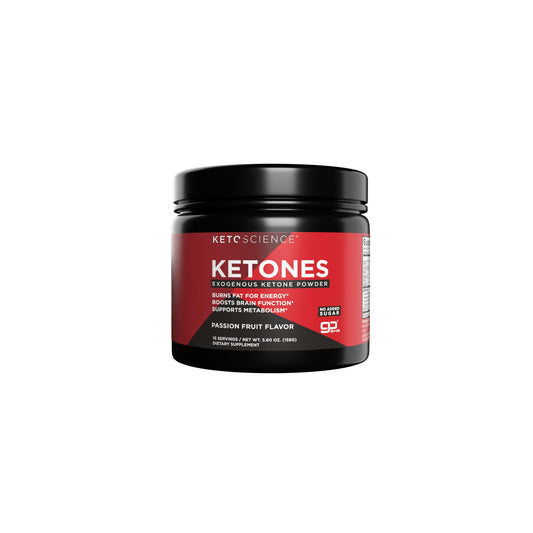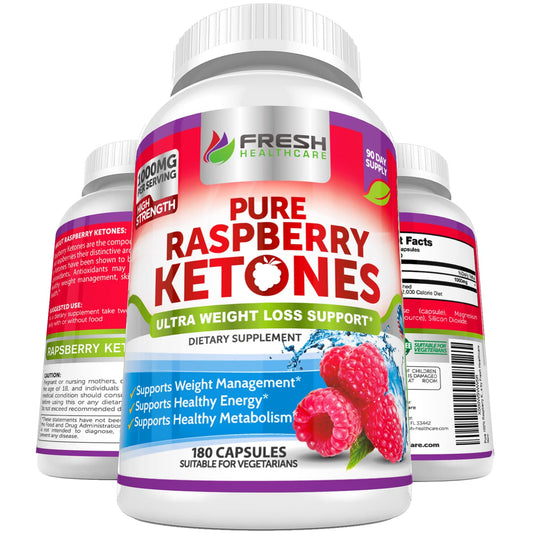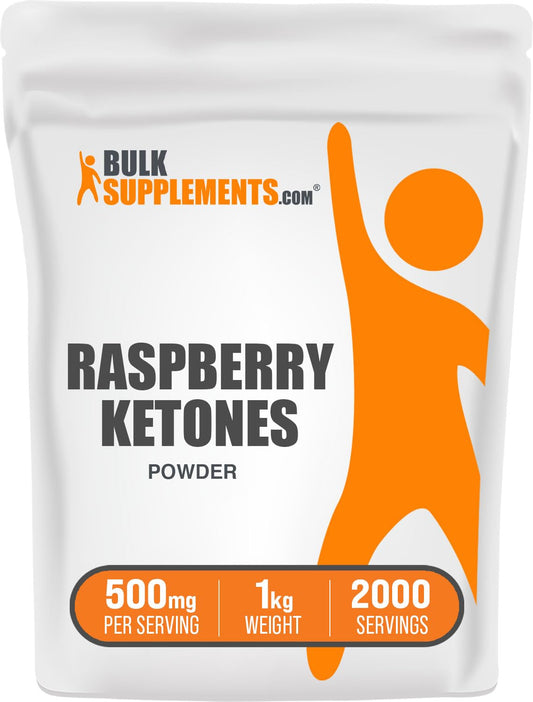


If you’re new to raspberry ketones, the hardest part is often the beginning: picking a strength, understanding what “dosage” really means, and setting expectations that feel realistic. The phrase “Raspberry Ketones Supplement Range for your level” matters because beginners and experienced supplement users often need different starting points. What suits someone who already takes capsules daily, tracks caffeine intake, and has a settled routine may not suit someone who’s just trying their first weight-management supplement.
This article is a consumer guide for UK readers who want practical steps. It will not promise specific outcomes, and it won’t replace medical advice-especially if you have a health condition, are pregnant or breastfeeding, or take medicines. Instead, it will help you make sense of strengths, serving sizes, label wording, and how to introduce a supplement gently and safely.
Throughout, you can browse the Elovita collection here:Raspberry Ketones Supplement Range collection. If you prefer to explore while reading, you’ll also see a few more links using different wording that take you to the same collection page.
What raspberry ketones are (and what they aren’t)
Raspberry ketonesare naturally occurring aromatic compounds associated with the scent of raspberries. In supplement form, they’re used as an ingredient in some weight-management and wellness routines. They are not the same thing as theketonesyour body produces during fasting or low-carbohydrate eating, and they are not identical to exogenous ketone supplements (such as beta-hydroxybutyrate salts) used by some people following a ketogenic diet.
Because the word “ketones” appears in both contexts, it’s easy to mix them up. If you’re choosing asupplementfor the first time, it helps to keep this distinction clear:
- Raspberry ketones (supplement ingredient):a compound associated with raspberries; commonly sold in capsule form.
- Nutritional ketosis (metabolic state):ketone bodies produced by your liver when carbohydrate intake is very low or during fasting.
- Exogenous ketones:separate products intended to raise blood ketone levels temporarily; different use case and label language.
This guide focuses on choosing from a Raspberry Ketones Supplement Range for your level-meaning, deciding which strength and daily amount is sensible for beginners and how to build up cautiously if you decide to continue.
How to choose a Raspberry Ketones Supplement Range for your level
When shoppers talk about “strength”, they can mean a few different things. Understanding the language on the label will help you compare products within arangewithout guesswork.
Step 1: Check what “strength” means on the label
Common ways strength is presented include:
1) Milligrams per capsule (or tablet)
This tells you how much of the key ingredient is in one unit. It’s useful if you want a simple one-capsule routine or if you’d rather split your intake across the day.
2) Milligrams per serving
A “serving” may be 1 capsule, 2 capsules, or more. Always look for “Serving size” and calculate what you’re actually taking per day.
3) Standardised extract vs non-standardised
Some supplements talk about extracts and standardisation. If present, this can change how you compare like-for-like, because “500 mg” of one type isn’t always equivalent to “500 mg” of another. When in doubt, pick a straightforward option and keep the rest of your routine consistent for a few weeks.
Step 2: Decide what kind of beginner you are
Beginners aren’t all the same. A realistic “Raspberry Ketones Supplement Range for your level” choice depends on your day-to-day habits.
You may do best starting low and slow if you:rarely take supplements, have a sensitive stomach, are prone to feeling jittery with stimulants (even if raspberry ketones themselves aren’t a stimulant), or you’re already using several wellness products (multivitamin, green tea, caffeine, pre-workout, etc.).
You may be comfortable with a standard beginner approach if you:already take daily capsules (like vitamin D or omega-3), you’re good at tracking routines, and you can commit to consistent timing with food and water.
You may need extra caution and advice if you:take prescribed medication, have a heart condition, diabetes, thyroid issues, high blood pressure, anxiety disorders, or you’re under 18. In these cases, speak with a pharmacist, GP, or qualified clinician before introducing any weight-management supplement.
If you want to view options first, use:browse the raspberry ketones range.
Beginner dosage: how much to start with and why
Dosage is not only about what a label suggests-it’s also about how your body responds. For beginners, the goal is to introduce one change at a time so you can tell what’s helping (or not) and whether you’re tolerating it well.
A simple, cautious starter plan
For many beginners, a sensible approach is:
- Start with the lowest practical daily amountoffered by the product (often one capsule per day) for 3-7 days.
- Take with a mealand a full glass of water to reduce the chance of stomach upset.
- Only increase if you tolerate it welland you can keep the routine consistent.
- Change one variable at a time(don’t also start a new fat burner, strong caffeine product, or aggressive fasting routine on the same day).
Why this works: beginners often quit supplements because they start too high, feel uncomfortable, or can’t track what caused a new symptom. A gentle start makes it easier to evaluate the experience over 2-4 weeks.
What “too much too soon” can look like
Every body is different, but signs you may want to reduce the amount or pause include stomach discomfort, nausea, headaches, feeling wired, sleep disruption, or a general sense of not feeling like yourself. These can also be caused by dehydration, not eating enough, caffeine changes, stress, or poor sleep-so avoid jumping to conclusions. If symptoms are severe, persistent, or worrying, stop and seek medical advice.
To compare formats and strengths within one place, visit:Elovita’s Raspberry Ketones Supplement Range.
Picking a strength: low, mid, or higher within a range
Many collections offer multiple strengths so people can match a product to their routine. Instead of thinking “higher is better”, think “what’s easiest to use consistently with minimal downside”.
Low strength: best for cautious starters and routine-builders
Lower-strength options can be ideal if you’re experimenting, have a sensitive stomach, or simply want the least complicated plan. They also allow more flexibility: you can choose one capsule on quieter days and only increase when you know your tolerance.
Good fit for:first-time supplement users, people who travel, anyone who wants a simple morning habit, and those pairing the supplement with a food-first approach (protein, fibre, balanced meals).
Mid strength: best for confident beginners after a settling-in week
Mid-range strengths often suit people who have already taken a low amount without issues and want to follow the label’s typical suggested use. The advantage is convenience: fewer calculations and fewer capsules compared with very low-dose formats.
Good fit for:those who already use a multivitamin or omega-3 daily, gym-goers who can stick to a routine, and people who prefer a steady daily plan.
Higher strength: best only when you’ve proved tolerance and need simplicity
Higher-strength products can be appealing because you may take fewer capsules, but they are not automatically “more effective” for a beginner. If you’re new, it’s often smarter to choose a lower or mid strength first so you can adjust in smaller steps.
Good fit for:experienced supplement users who have already tolerated raspberry ketones well, those who prefer fewer capsules, and people who dislike multiple daily doses.
To see how strengths are laid out across one collection, use:see the full raspberry ketones supplement range.
Timing: when to take raspberry ketones (morning, with meals, or split dose)
Timing can affect comfort and consistency more than people expect. There isn’t one “perfect” time for everyone, but there are practical guidelines you can test.
With breakfast (easy and consistent)
Taking your capsule with breakfast is usually the easiest habit to maintain. It also pairs well with other daily supplements (like vitamin D) and can reduce the chance of stomach irritation compared with taking it on an empty stomach.
With lunch (useful if mornings are rushed)
If you skip breakfast or run out the door, lunch can be a better anchor. Consistency matters more than the exact hour. If you’re monitoring appetite and snacking, lunchtime can also align with your busiest eating window.
Split dose (only if the serving size suggests it)
Some people prefer splitting a daily serving (for example, one capsule with breakfast and one with lunch). This can feel gentler for digestion and fits people who already track meals. If the label suggests multiple capsules per day, splitting them across meals is often easier than taking them all at once.
Avoid taking late in the day if sleep is fragile
If you’re prone to insomnia or light sleep, avoid taking new supplements late afternoon or evening until you know how you respond. Sleep is a major driver of appetite regulation and cravings; protecting it is part of a sensible beginner plan.
Reading the label like a pro (even if you’re new)
UK supplement labels can look similar, but the details matter. Here’s what to check before you commit to a routine.
Serving size vs capsule count
Don’t assume one capsule equals one serving. The serving size is what the manufacturer expects you to take per day. If the serving is two capsules, the “per serving” amount may look high, but you’ll need to decide whether to start with one capsule or follow the full serving straight away.
Other active ingredients (especially stimulants)
Some products include added ingredients such as caffeine, green tea extract, guarana, cayenne, black pepper extract (piperine), chromium, or L-carnitine. These may change how you feel. If you’re sensitive to stimulants, prefer a simpler formula at the start so you can judge tolerance.
Tip:If you already drink coffee or energy drinks, be mindful of total caffeine intake across the day.
Allergens, dietary preferences, and capsule material
Check whether the capsule is suitable for your diet (for example, vegetarian or vegan-friendly), and scan allergen statements. If you have known sensitivities, this matters as much as the headline strength.
Quality cues worth noticing
Without overcomplicating it, helpful quality cues include clear ingredient lists, transparent amounts, and sensible directions for use. If anything is unclear, it’s usually better to choose a product that spells things out simply.
You can compare label styles and formulas within one place here:Raspberry Ketones Supplement Range at Elovita UK.
Practical routine: a 4-week beginner plan you can actually follow
Most people do best when they treat supplements as a small part of a bigger routine. Raspberry ketones won’t replace the fundamentals: diet quality, protein intake, fibre, hydration, movement, and sleep. The plan below is designed for consistency and self-awareness-two things that help you decide whether to continue.
Week 1: Set your baseline
Goal:introduce the supplement gently and keep everything else stable.
- Choose a beginner-friendly option from the collection.
- Take the lowest practical daily amount with a meal.
- Keep caffeine intake steady (don’t suddenly double it or cut it to zero).
- Track simple notes: digestion, energy, sleep, cravings.
Week 2: Optimise timing and consistency
Goal:find the easiest daily timing and reduce missed doses.
- Pick a consistent time (breakfast or lunch).
- Pair it with a habit: brushing teeth, making tea, or packing lunch.
- Increase towards the label’s suggested serving only if week 1 was comfortable.
Week 3: Support with food-first changes
Goal:make small changes that help appetite and energy naturally.
- Aim for protein at breakfast (Greek yoghurt, eggs, tofu scramble).
- Add fibre: oats, berries, beans, lentils, vegetables.
- Hydration: keep a water bottle visible, especially if you’re more active.
Week 4: Review and decide
Goal:decide whether the routine is worth continuing for you.
- Review your notes: did anything improve or worsen?
- Check whether the routine felt easy or stressful.
- If you plan to continue, keep it steady-avoid adding multiple new “fat burner” style products at once.
If you’re still choosing a format, revisit the collection here:explore raspberry ketones supplements.
Who should be extra cautious (or avoid raspberry ketones)
Even though many people use supplements as part of everyday wellness, not everyone should take the same approach. If any of the following apply, it’s best to check with a healthcare professional first:
- Pregnant or breastfeeding
- Under 18
- Taking prescription medication (including for blood pressure, thyroid, mood, or diabetes)
- Known cardiovascular conditions or arrhythmia
- History of eating disorders
- Scheduled surgery (ask your clinician about supplement use beforehand)
If you have allergies, digestive conditions (like IBS), or you’re sensitive to new ingredients, start with the simplest formula available and introduce it slowly-if you choose to use one at all.
Common beginner mistakes (and how to avoid them)
1) Changing everything at once
Starting a new supplement, beginning intermittent fasting, switching to a ketogenic diet, and ramping up gym sessions all in the same week makes it hard to know what’s causing what. Make one change at a time.
2) Expecting a supplement to replace meals
For weight management, sustainable habits matter: balanced meals, adequate protein, fibre, and consistent sleep. Supplements work best as an addition to these basics, not a substitute.
3) Ignoring sleep and stress
Sleep disruption can drive cravings and appetite changes. If your sleep is already fragile, prioritise routine, cut late caffeine, and avoid introducing new supplements late in the day.
4) Not drinking enough water
Dehydration can mimic side effects like headaches or fatigue. Pair your capsule with a full glass of water and keep hydration steady, especially if you’re active.
5) Forgetting the basics of label maths
“Per capsule” and “per serving” are not the same. A quick check of serving size prevents accidental overuse.
How raspberry ketones fit alongside other popular supplement types
Many beginners already take (or consider) other products. Understanding how these categories differ helps you keep your routine tidy and avoid doubling up on similar ingredients.
Multivitamins and vitamin D
These are typically foundational nutrition supports rather than weight-management focused. If you already take them, keep them consistent while you test raspberry ketones so you can judge tolerance clearly.
Green tea extract, caffeine, and pre-workouts
These can affect energy, heart rate, and sleep. If your raspberry ketones product also includes stimulants, be careful with total daily stimulant load (including coffee and energy drinks).
Fibre supplements
Fibre (like glucomannan or psyllium husk) can support fullness for some people. If you use fibre, separate it from other supplements and medicines as directed on labels to avoid affecting absorption.
Protein powders
Protein supports satiety and muscle maintenance, especially if you’re increasing activity. A protein-forward breakfast or snack often makes weight-management routines feel easier and more sustainable.
Apple cider vinegar gummies and “detox” products
These are popular but often bring mixed expectations. If you’re new, keep your stack simple. The simpler your routine, the easier it is to stick with and evaluate.
FAQ
What is the best Raspberry Ketones Supplement Range for your level if you’re a complete beginner?
A complete beginner usually does best with a straightforward option that clearly states the amount per capsule and has a simple suggested use. Start with the lowest practical daily amount, take it with a meal, and only increase if you tolerate it well.
Should I take raspberry ketones on an empty stomach?
If you’re new, it’s generally easier to take them with food and water to reduce the chance of stomach upset. Once you know your tolerance, you can experiment with timing, but comfort and consistency should come first.
Can I take raspberry ketones if I’m doing a low-carb or ketogenic diet?
Many people following low-carb eating are interested because of the word “ketones”, but raspberry ketones are not the same as the ketone bodies involved in nutritional ketosis. If you’re combining approaches, keep changes gradual and monitor sleep, energy, and digestion.
Choosing confidently: a quick checklist
- Pick a product where you understand the label: mg per capsule and serving size.
- Choose a strength that matches your routine-not your impatience.
- Start with the lowest practical daily amount for 3-7 days.
- Take with a meal and water; protect your sleep.
- Keep the rest of your routine steady for 2-4 weeks.
- If you have a medical condition or take medicines, ask a pharmacist or GP first.
When you’re ready to compare options vs, you can return to:the Raspberry Ketones Supplement Range collection.
About this guide:This article is written for consumers and is intended for general information only. It does not provide medical advice. Always follow the directions on your supplement label and seek personalised advice from a qualified healthcare professional if you’re unsure what’s appropriate for you.