
If you’re exploring warm, peppery herbal options rooted in Ayurveda, the Pippali Botanical Supplement Range has become a recognised choice among UK shoppers. This guide compares that range against common alternatives-turmeric, ginger, black pepper extracts, ashwagandha blends and multi-herb preparations-so you can match benefits, quality, compatibility and safety to your lifestyle and budget.
Why compare Pippali Botanical Supplement Range vs alternatives?
Buying a botanical supplement often involves trade-offs: traditional heritage vs modern extraction, single-ingredient focus vs broad-spectrum blends, and capsules vs tinctures or powders. The primary keyword here is Pippali Botanical Supplement Range vs alternatives because many readers want a vs view of features, performance and fit before committing.
Throughout this article you’ll find practical advice for different audiences-vegans, older adults, athletes and people who travel seasonally-plus pointers on safety, storage and how climate or seasons can change supplement performance. For a quick look at starter options and how to begin, see this beginner’s guide:Pippali botanical supplement range for beginners: which option to start with?
What is Pippali and what the range includes
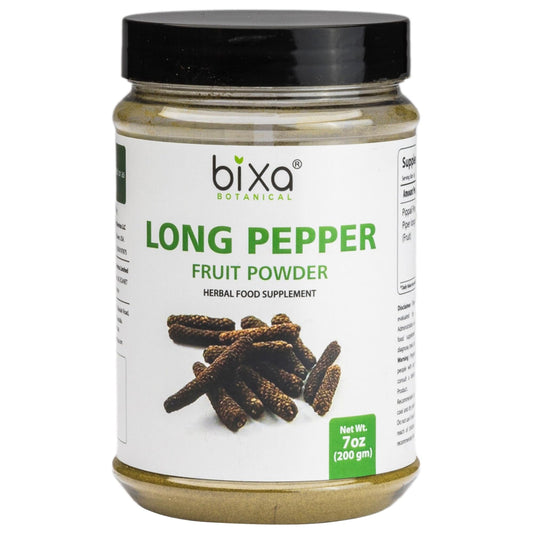
‘Pippali’ is the Sanskrit name for Piper longum, often called long pepper. In botanical supplement form it’s typically sold as standardised extracts, dry whole-fruit powder, capsules or blended formulas that pair pippali with other herbs. The Pippali Botanical Supplement Range offers options aimed at consistent potency, lab-tested quality and delivery formats suited to daily routines.
Key performance features you’ll see across the range include standardised phytochemical levels, vegan-friendly capsules, and an emphasis on bioavailability. For shoppers wanting to view the collection directly, there are several entry points: the main collection pagePippali Botanical Supplement Range, and category links likePippali range collectionto review formats and labels.
Common alternatives to pippali
Alternatives fall into several categories. Each has distinct features and use cases:
- Turmeric (curcumin) and curcumin extracts-widely used for general support and paired with piperine to boost absorption;
- Ginger root-fresh or dried, commonly used for digestive comfort and seasonal travel;
- Black pepper (piperine) extracts-used mainly to enhance bioavailability of other botanicals;
- Ashwagandha and adaptogens-aimed at stress resilience and energy balance;
- Traditional Ayurvedic blends (e.g., triphala, chyawanprash)-multi-herb formulas for broader support.
When comparing Pippali Botanical Supplement Range vs alternatives, think about features (standardisation, extraction method), quality (third-party testing, ingredient sourcing), compatibility (medication interactions, dietary restrictions), and safety (dosage limits, pregnancy warnings).
Material science: how and why pippali works
Piper longum contains alkaloids such as piperine and other phytochemicals that contribute to its characteristic heat and aromatic profile. From a material-science perspective, piperine influences metabolism and absorption pathways-this is why many manufacturers pair pippali or piperine with curcumin to improve systemic availability of curcumin’s compounds.
Extraction technology matters. Full-spectrum extracts aim to preserve a wide range of compounds found in the plant, while standardised extracts isolate one or two marker compounds to guarantee consistent potency. The Pippali Botanical Supplement Range tends to offer standardised options to deliver predictable performance per dose.
Practical vs table: Pippali range vs top alternatives
| Feature | Pippali Botanical Supplement Range | Turmeric / Curcumin | Ginger | Ashwagandha / Adaptogens |
|---|---|---|---|---|
| Main compounds | Piperine and related alkaloids | Curcuminoids (curcumin) | Gingerols, shogaols | Withanolides |
| Typical formats | Capsules, extracts, blends | Powder, capsules, enhanced extracts | Powder, tincture, fresh root | Capsules, powders, tinctures |
| Key benefits | Bioavailability support, warming action, digestive comfort | Joint support, antioxidant profile | Digestive comfort, anti-nausea | Stress resilience, mood and energy support |
| Bioavailability | Often standardised; piperine enhances others | Often paired with piperine for absorption | Moderate; oils often more active | Varies by extract strength |
| Best for | Those who want an Ayurvedic pepper-based option | People focused on joints and general inflammation pathways | Travel, digestion and seasonal use | Sleep, stress, daily adaptogenic support |
| Typical cost profile | Range from budget to premium | Wide range; standardised extracts cost more | Often budget-friendly | Moderate to premium depending on extraction |
Pros and cons: quick breakdown
Below are succinct pros and cons to help you match product features and performance to your needs.
- Pippali Botanical Supplement Range- Pros: rooted in Ayurvedic tradition, standardised options, good for bioavailability pairings; Cons: warming taste, not ideal for those sensitive to peppery herbs.
- Turmeric / Curcumin- Pros: widely studied, versatile; Cons: requires a bioavailability enhancer like piperine for best effect.
- Ginger- Pros: gentle, effective for nausea and digestion; Cons: fresh root is perishable, potency varies.
- Ashwagandha- Pros: adaptogenic support for stress and sleep; Cons: different extracts deliver different effects.
Quality signals to look for
When choosing between the Pippali Botanical Supplement Range and its alternatives, inspect product details for:
- Standardisation or declared marker compounds (e.g., piperine %)
- Third-party testing or certificates of analysis
- Clear ingredient sourcing (wild-harvested vs cultivated)
- Vegan or allergen-free labelling if you have dietary restrictions
- Batch numbers and expiry dates
Use these quality checks to compare products vs. You can browse the collection page for verified labelling and formats here:Pippali Botanical Supplement Range options.
Compatibility: who should consider pippali or an alternative?
Match the herb to your lifestyle and medical context.
- Vegans and vegetarians: choose certified vegan capsules or powdered forms.
- Older adults: begin with low doses and discuss compatibility with existing medication.
- Athletes: single-ingredient extracts can be easier to assess for performance effects.
- Frequent travellers: ginger or pippali in capsule form is travel-friendly.
- Those on multiple meds: check interactions-piperine can alter drug metabolism.
For delivery questions across the UK, see this note on availability and postage:Pippali Botanical Supplement Range availability and delivery, Scotland, Wales and Northern Ireland?
Climate and seasonal impacts on botanical performance
Botanical potency and perceived performance can change with seasons and storage conditions. In colder months, warming herbs like pippali and ginger feel more appropriate to UK consumers; in summer, lighter formulations or diluted doses may be preferred.
Humidity and temperature during storage affect powdered extracts and capsules. Store supplements in a cool, dry place away from direct sunlight to maintain phytochemical stability. Follow the storage checklist later in this article.
Safety warnings and usage limits
Safety is essential. The following points are general guidance-not personalised medical advice.
- Pregnancy and breastfeeding: avoid concentrated piperine supplements unless cleared by a healthcare professional.
- Children: use age-appropriate formulations and consult a paediatrician.
- Medication interactions: piperine can affect the metabolism of certain medicines by influencing liver enzymes; always check with your GP or pharmacist.
- Allergies and sensitivities: check labels for excipients, capsule shell ingredients and common allergens.
- Dosage: follow labelled instructions; do not exceed recommended daily intake without professional advice.
Maintenance and care checklist
To keep botanical supplements effective and safe, follow this simple checklist:
- Store in original container with lid tightly closed.
- Keep in a cool, dry place away from sunlight.
- Observe batch numbers and expiry dates; discard after the date shown.
- Avoid transferring powders to unlabelled jars; label any decanted product clearly.
- If you notice an unusual smell or discolouration, stop use and check the supplier’s guidance.
Performance and fit: which format is best for you?
Format affects performance and convenience.
- Capsules: convenient for consistent dosing and travel; good for those who dislike taste.
- Powders: flexible dosing and can be mixed into food or drinks; watch for taste and texture.
- Tinctures: fast absorption under the tongue, but alcohol-based tinctures may not suit everyone.
- Multi-herb blends: broad approach but harder to attribute effects to a single ingredient.
To revisit product formats available in the Pippali collection, explore:Pippali Botanical Supplement Range formats.
Practical buying guide and use-case scenarios
Below are common shopper profiles and recommended directions when choosing between pippali and alternatives.
Everyday digestive support
If you want a gentle, daily digestive aid, pippali capsules or a ginger capsule may suit you. Choose standardised extracts to ensure consistent daily performance.
Seasonal respiratory comfort
In cold months many UK consumers look for warming herbs. Pippali, sometimes paired with licorice or turmeric in blends, fits this seasonal use case. Be cautious if you have high blood pressure or are on medication.
Enhancing other botanicals
If your primary aim is to enhance the absorption of curcumin or other fat-soluble compounds, a piperine-containing product-or a pippali option-can be a sensible pairing. Check label synergy and total piperine content.
Stress and sleep support
Ashwagandha or specific adaptogen blends are better choices than pippali for stress management. Choose standardised withanolide content for predictable performance.
Checklist: choosing the best budget-friendly option
To make a budget-conscious selection, use this checklist:
- Determine desired benefit (digestion, bioavailability, seasonal comfort).
- Choose a format you’ll use consistently (capsule vs powder).
- Check for standardisation and batch testing on the label.
- Compare serving sizes rather than unit price to assess value.
- Read customer feedback for real-world performance and tolerability.
Practical vs: cost-effectiveness and dosing
A key to value is dose per active compound. Standardised extracts that declare piperine percentage allow straightforward . For example, 5 mg piperine per capsule across brands is easier to compare than unlabeled whole-plant powders.
While this article avoids specific pricing, it’s worth noting that standardised extracts often deliver better consistency, so they can represent the best value for buyers seeking predictability and performance.
Top alternative pairings to consider
Depending on your primary goal, here are strong pairings or swaps:
- Pippali + turmeric (for enhanced absorption of curcumin)
- Ginger + pippali (digestive and warming combo)
- Piperine-only supplement (if you already use a curcumin powder)
- Ashwagandha (if stress resilience is a priority over digestive warming)
To see how pippali products present these pairings, visit the collection overview:Compare Pippali products.
How to evaluate claims on labels
Look for transparent claims rather than marketing phrases. Clear indicators of credibility include:
- Declaration of marker compounds and extract ratios
- Source country and cultivation notes (organic, wild-crafted)
- Third-party analysis or lab certificates
- Clinical references where manufacturers cite published research-but check the original study before drawing conclusions
Real-world testing notes from a consumer health editor
As a UK-based consumer health editor, I reviewed numerous labels, compared extract declarations and read independent customer feedback. I also cross-checked manufacturer information with publicly available research summaries and NHS guidance where relevant. This approach helps balance tradition (Ayurveda, Piper longum) with modern evidence and quality metrics.
Practical tips for first-time users
- Start with the lowest recommended dose for the first week to check tolerability.
- Keep a short diary of any effects-digestive comfort, warmth, sleep, or changes in medication side effects.
- Introduce one supplement at a time if you take multiple products.
- Consult your GP or pharmacist if you take prescription medicines or are pregnant.
Where to buy and how to research before purchase
Shop from reputable retailers that provide clear labelling and return policies. The official Pippali collection page shows current formats and labelling information:Pippali Botanical Supplement Range collection. For beginners wanting structured advice and a starter roadmap, check the beginner’s post:Pippali botanical supplement range for beginners: which option to start with?
Top use-case recommendations
Summary recommendations by scenario:
- Daily digestive comfort: choose a standardised pippali capsule or ginger capsule.
- Enhancing turmeric: opt for pippali or piperine to boost absorption.
- Stress and sleep: choose ashwagandha over pippali.
- Budget-conscious shoppers: select a standardised extract with clear dosing to avoid waste.
FAQ
Is pippali safe to take with other supplements?
It can be, but compatibility depends on the supplement and any prescription medication. Piperine in pippali can increase absorption of some drugs, so speak to a pharmacist or GP if you’re on medication.
Which format gives the best value for money?
Standardised capsules often give the most predictable value per active compound. Compare declared piperine content and number of servings to judge cost-effectiveness.
Can I take pippali during pregnancy?
Pregnant and breastfeeding women should avoid concentrated piperine supplements unless advised by a healthcare professional.
Final verdict: Pippali Botanical Supplement Range vs alternatives
Pippali is a focused, traditionally rooted option that excels when your priority is a warming, bioavailability-supporting ingredient. Its best use-cases include pairing with turmeric for enhanced absorption and providing digestive or seasonal comfort. Alternatives like turmeric, ginger and ashwagandha each serve different needs-joint support, travel-related nausea, and stress resilience respectively. For budget-minded UK buyers, standardised extracts in the Pippali Botanical Supplement Range often represent a reliable balance of quality and predictable performance.
Explore the collection to compare formats and labelling in detail:Pippali Botanical Supplement Range. If you need help deciding on a starter option, the beginner’s guide is a helpful next step:Pippali botanical supplement range for beginners: which option to start with?
Remember: consult a healthcare professional for personalised advice, especially if you take medication, are pregnant, or have a medical condition. Store supplements properly and check labels for standardisation and batch testing to ensure quality and safety.