








French Maritime Pine Bark Extract
Explore our curated collection of French maritime pine bark extract supplements for customers in the United Kingdom. Sourced from coastal pine bark and valued for its antioxidant profile, this botanical is naturally rich in polyphenols, including proanthocyanidins. Many people add maritime pine bark extract to a consistent wellness routine alongside a balanced diet, hydration, and good-quality sleep.
Within this range, you’ll find clear labelling and practical everyday formats such as capsules and tablets, making it easier to compare potency per serving and serving sizes. Maritime pine bark extract is often referenced by the related entity Pycnogenol, and is commonly chosen by adults looking to complement broader herbal supplements and foundational vitamins and minerals. For a rounded approach, some shoppers pair it with grape seed extract or include it alongside omega-3 fish oil as part of a wider supplement plan.
What to look for when comparing
Check the extract standardisation, the amount per serving, and whether the product suits your preference for capsules or tablets. Consider how it fits with your current routine and any other supplements you already take, especially if you’re building an antioxidant-focused stack.
- Polyphenol content and proanthocyanidins per serving
- Capsule or tablet format for daily convenience
- Transparent ingredient lists and clear directions
- Compatibility with blended vitamin and mineral supplements
Simple routine and responsible use
Consistency matters: choose a product you can take regularly and review your plan over time. Prices across the collection are shown in GBP for straightforward budgeting. If you are pregnant, breastfeeding, taking medication, or managing a medical condition, speak with a pharmacist or GP before introducing new supplements.
-
Vendor:NusaPure
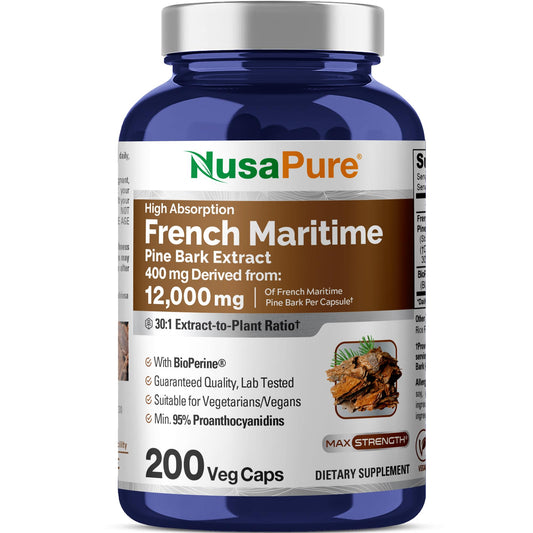
NusaPure French Maritime Pine Bark 30:1 Extract – 400 mg per Capsule, 12,000 mg Equivalent, Bioperine, 200-Day Vegan
NusaPure French Maritime Pine Bark 30:1 Extract Explore a high-potency pine bark supplement crafted for daily vegan use. Each capsule delivers a 30:1 extract, providing 400 mg of extract with an estimated 12,000 mg of the raw bark equivalent. Enhanced with Bioperine for potential...- £43.22
- £43.22
- Unit price
- per
-
Vendor:BESTVITE
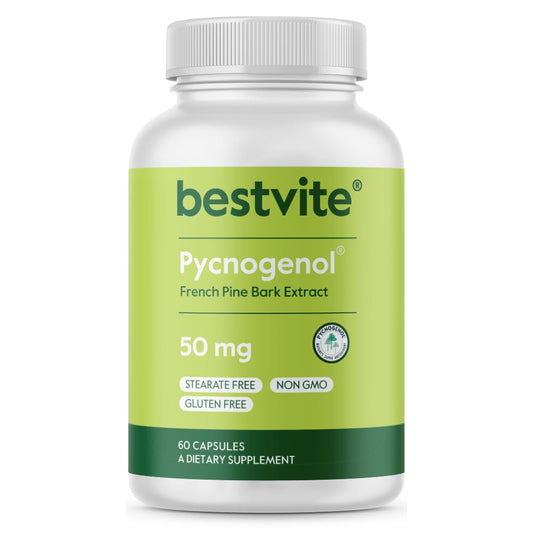
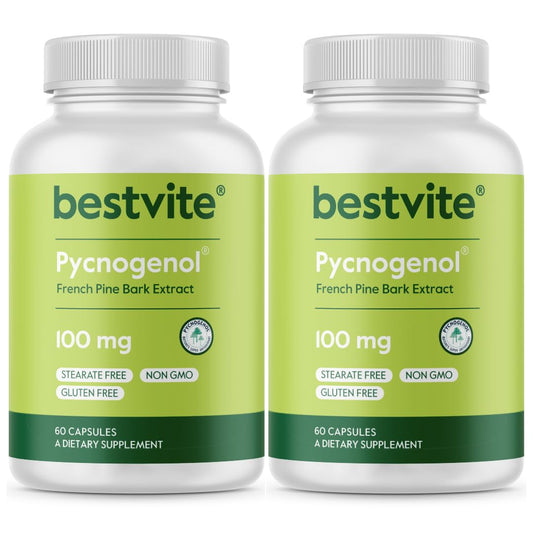
BESTVITE Pycnogenol 50mg (60 Capsules) | French Maritime Pine Bark Extract - Gluten Free & Non-GMO
Meet BESTVITE Pycnogenol 50mg This supplement features Pycnogenol, a patented French maritime pine bark extract, delivering 50 mg per capsule. The formula emphasizes purity with no stearates, gluten-free ingredients, and non-GMO status. Manufactured in the USA and subjected to third-party testing for quality assurance....- £44.32
- £44.32
- Unit price
- per
-
Vendor:BIO KRAUTER
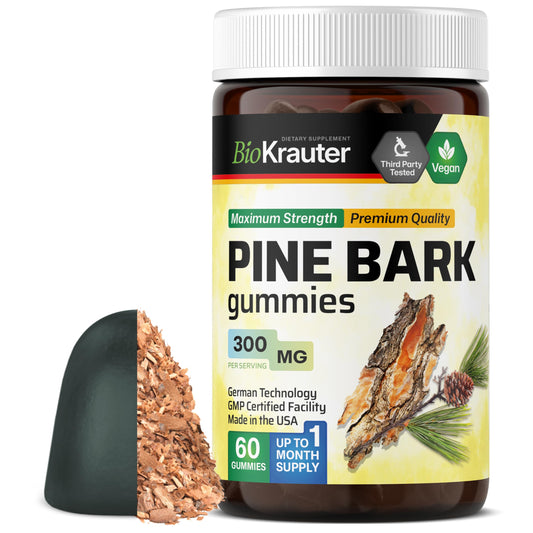
BIO KRAUTER Pine Bark Extract Gummies – 60 Vegan Chews, 300 mg, French Maritime Pine Bark, 95% Proanthocyanidins
Discover BIO KRAUTER Pine Bark Extract Gummies BIO KRAUTER Pine Bark Extract Gummies combine the natural strength of French maritime pine bark with a modern, vegan-ready format. Each chew delivers a practical 300 mg strength in a delicious blueberry flavor, making it easier to...- £42.67
- £42.67
- Unit price
- per
-
Vendor:BIO KRAUTER
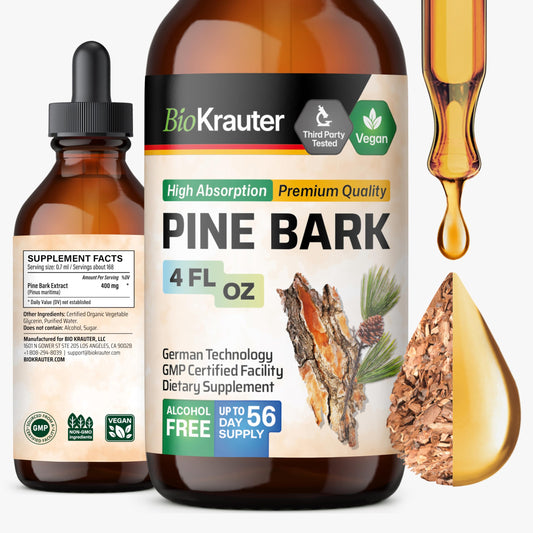
BIO KRAUTER Pine Bark Extract Drops – Antioxidant-Rich French Maritime Pine Bark, 400 mg, Vegan, Alcohol & Sugar Free, 4 Fl Oz
BIO KRAUTER Pine Bark Extract Drops Experience a clean, plant-based pine bark tincture designed for modern routines. BIO KRAUTER Pine Bark Extract Drops are vegan, free from alcohol and added sugars, and rely on a simple, pure three-ingredient formula that emphasizes purity and ease...- £42.67
- £42.67
- Unit price
- per
-
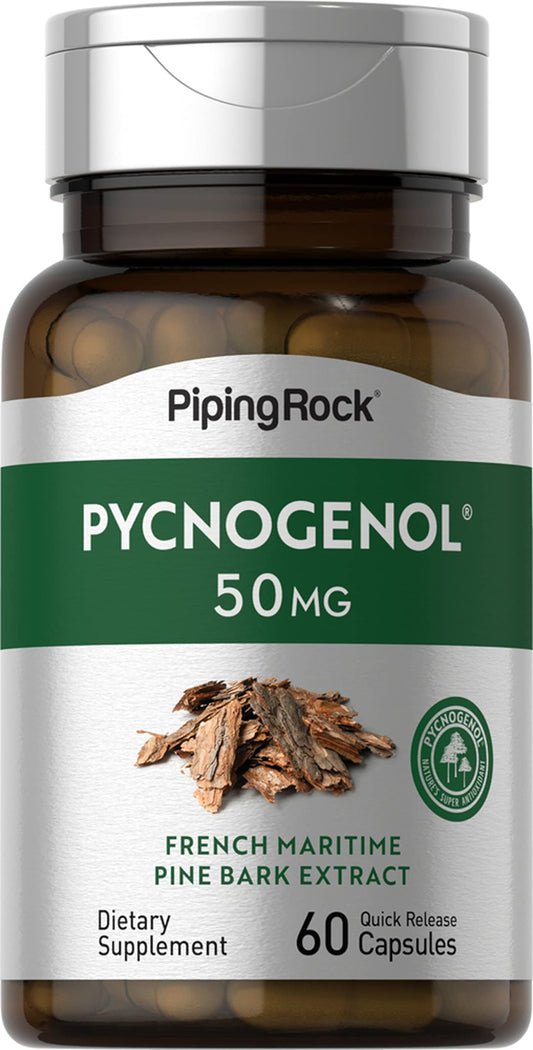
Vendor:Piping Rock
Piping Rock Pycnogenol 50 mg | French Maritime Pine Bark Extract | 60 Capsules | Non-GMO, Gluten Free
Discover Piping Rock Pycnogenol 50 mg Experience a simple daily habit with Piping Rock Pycnogenol. This 50 mg per serving formula is thoughtfully packaged as 60 quick-release capsules for easy daily use. Derived from French Maritime Pine Bark Extract, the product emphasizes purity, potency,...- £41.03
- £41.03
- Unit price
- per
-
Vendor:Healthy Origins
Healthy Origins Pycnogenol 150 mg – French Maritime Pine Bark Extract | Vegan, Non-GMO, 60 Veggie Capsules
Premium Maritime Pine Bark Extract Healthy Origins Pycnogenol 150 mg draws from a premium maritime pine bark extract sourced in the pristine coastal forests of southwestern France. Each capsule delivers 150 mg in a vegan, Non-GMO formula designed for daily wellness. What it contains...- £89.25
- £89.25
- Unit price
- per
-
Vendor:Source Naturals
Source Naturals Pycnogenol 100 mg Proanthocyanidin Complex – 60 Tablets
Overview Source Naturals Pycnogenol 100 mg Proanthocyanidin Complex is a plant based dietary supplement derived from the bark of the European coastal pine, Pinus maritima. This formula highlights a high concentration of procyanidins, totaling about 65 percent, a class of water soluble flavonoids known...- £87.71
- £87.71
- Unit price
- per
-
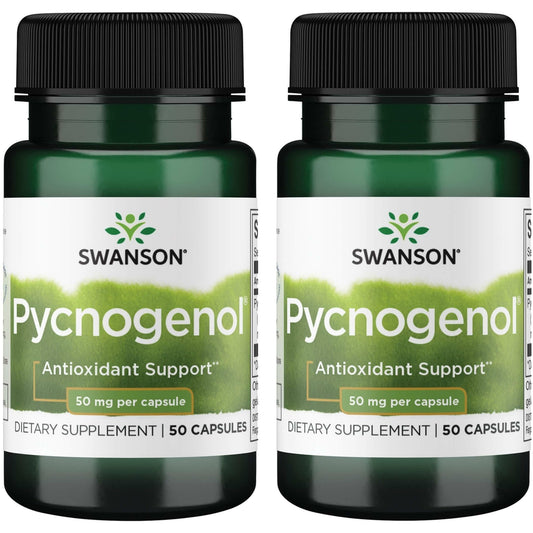
Vendor:Swanson Premium Brand
Swanson Pycnogenol 50 mg 50 Caps (2 Pack) | Swanson Premium Brand
OverviewSwanson Pycnogenol 50 mg 50 Caps (2 Pack) from Swanson Premium Brand offers a science-based approach to everyday wellness. Each capsule delivers 50 mg of Pycnogenol, a standardized pine bark extract that has been studied for a range of body functions. This two-pack is...- £76.53
- £76.53
- Unit price
- per
-
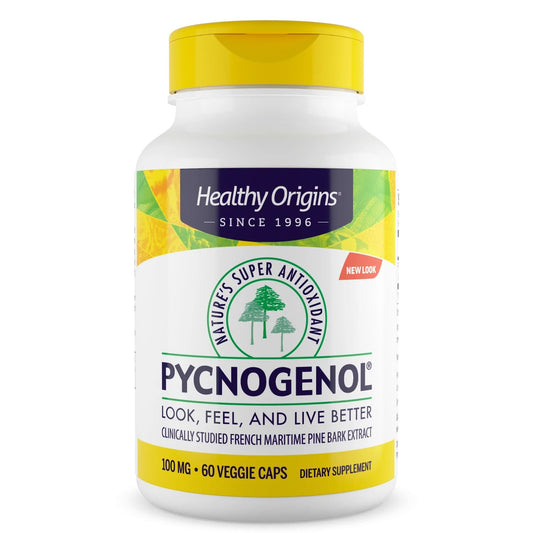
Vendor:Healthy Origins
Healthy Origins Pycnogenol 100 mg – Nature's Super Antioxidant, Non-GMO, Gluten Free, Cardiovascular Support | 60 Veggie Caps
Healthy Origins Pycnogenol 100 mg is a natural pine bark extract known for its distinctive blend of procyanidins, bioflavonoids, and phenolic acids. Sourced from the bark of maritime pines along France’s southwest coast and encapsulated in the USA, this supplement is designed to fit...- £67.33
- £67.33
- Unit price
- per
-
Vendor:martin clinic
Navitol French Maritime Pine Bark — Daily Energy & Focus | Martin Clinic | 60 Capsules
Navitol: Daily Energy, Focus, and Cognitive Support In a busy day, Navitol offers a steady, manageable sense of energy and mental focus. Formulated with French Maritime Pine Bark, a premium botanical antioxidant valued for supporting mental clarity and overall brain wellness. Designed for everyday...- £66.23
- £66.23
- Unit price
- per
-
Vendor:Source Naturals
Source Naturals Pycnogenol & Grape Seed Extract 100 mg – 60 Tablets
Two natural antioxidants in one convenient tablet Source Naturals Pycnogenol & Grape Seed Extract combines Pycnogenol, sourced from French maritime pine bark, with grape seed extract rich in proanthocyanidins. These components are water-soluble bioflavonoids known for their free radical scavenging properties and potential support...- £41.85
- £41.85
- Unit price
- per
-
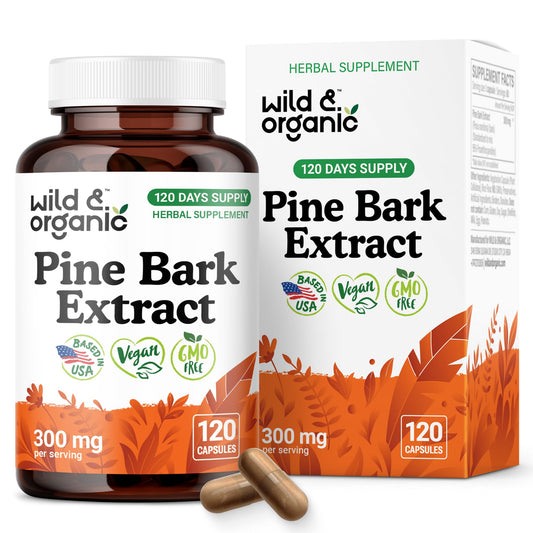
Vendor:Wild & Organic
Wild & Organic Pine Bark Extract Capsules 300 mg – 95% Proanthocyanidins – Vegan, Non-GMO (4-Month Supply)
Overview Discover the potency of Wild & Organic Pine Bark Extract Capsules, a plant-based supplement designed for daily wellness. Sourced from French Maritime Pine Bark (Pinus maritima), this 300 mg capsule brings a high-potency ingredient into a convenient vegan format. Each bottle provides a...- £40.15
- £40.15
- Unit price
- per
-
Vendor:BESTVITE
BESTVITE Pycnogenol 100 mg – 120 Capsules | Gluten Free, Non-GMO
Overview Discover BESTVITE Pycnogenol 100 mg, a pure French maritime pine bark extract formulated for a convenient daily routine. Each capsule delivers 100 mg of Pycnogenol in a gluten free, non-GMO formula with no stearates. Manufactured in the USA and subjected to third party...- £94.73
- £94.73
- Unit price
- per
-
Vendor:BESTVITE
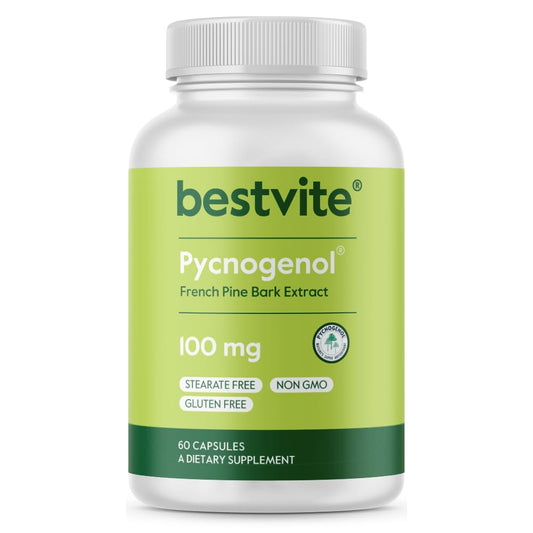
BESTVITE Pycnogenol 100mg (60 Capsules) - French Maritime Pine Bark Extract - No Stearates - Gluten Free - Non GMO
Elevate daily wellness with BESTVITE Pycnogenol 100mgBESTVITE Pycnogenol 100mg capsules feature French maritime pine bark extract in a clean, well-made formula designed for everyday use. Each capsule contains 100 mg of Pycnogenol. The product is gluten-free and non-GMO, and it contains no stearates, reflecting...- £56.37
- £56.37
- Unit price
- per
-
Vendor:Natural Factors
Natural Factors Pycnogenol 100 mg – Antioxidant Support for Healthy Aging, 30 Capsules
Premium origins, pure formulation Natural Factors Pycnogenol 100 mg brings a French maritime pine bark extract to your daily routine. Sourced exclusively from pine trees grown in the pristine Les Landes de Gascogne forest near Bordeaux, this extract comes from an environment free of...- £58.54
- £58.54
- Unit price
- per
-
Vendor:Source Naturals
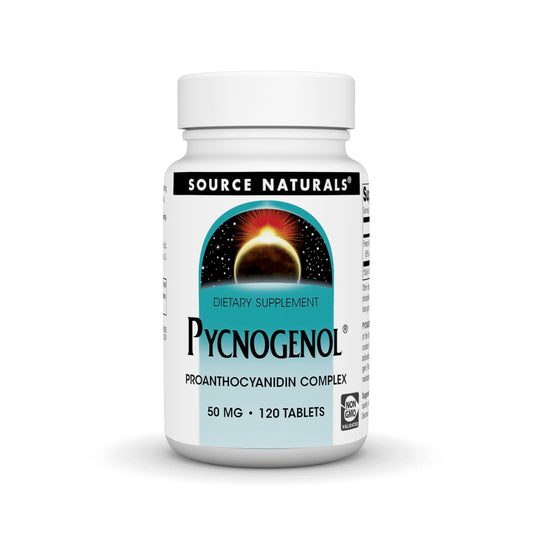
Source Naturals Pycnogenol 50 mg Proanthocyanidin Complex - 120 Tablets
Product overviewSource Naturals Pycnogenol 50 mg Proanthocyanidin Complex is a plant-based supplement designed to deliver a potent blend of antioxidant-rich compounds to your daily routine. The formula centers on a specialized class of flavonoids that are water-soluble, creating a versatile option for those seeking...- £54.79
- £54.79
- Unit price
- per
-
Vendor:GNC
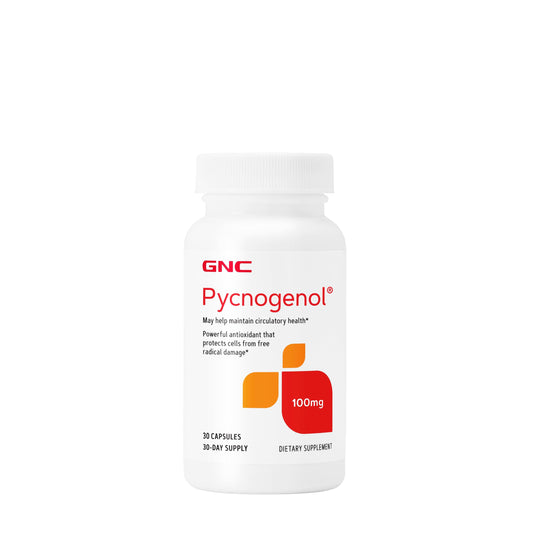
GNC Pycnogenol 100mg Supplement | Circulatory Health Support, 30 Servings
GNC Pycnogenol 100mg: Antioxidant Capsule for Circulatory Support Discover a straightforward way to add antioxidant support to your daily routine with GNC Pycnogenol 100mg. Encapsulated for easy, on-the-go use, this supplement is designed to integrate into busy days while delivering a reliable source of...- £53.08
- £53.08
- Unit price
- per
-
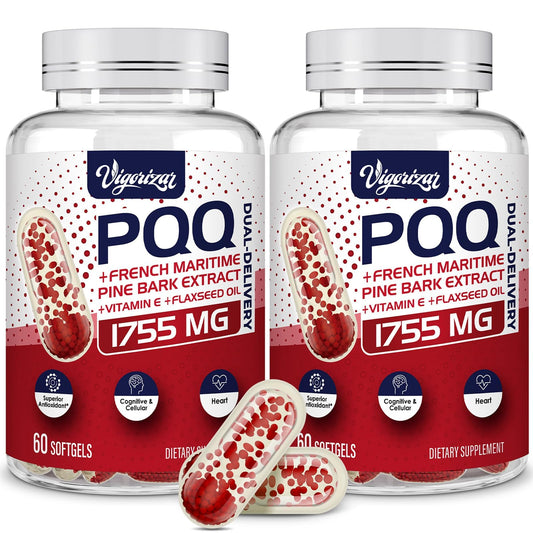
Vendor:Vigorizar
Vigorizar Pycnogeno 200 mg with PQQ & French Pine Bark – Dual-Delivery, 120 Vegan Softgels
OverviewDiscover Vigorizar Pycnogeno, a vegan softgel formula that blends French maritime pine bark extract with PQQ and supportive nutrients. The design centers on a dual delivery system intended to maximize absorption for both oil soluble and water soluble ingredients. Each serving delivers 200 mg...- £49.80
- £49.80
- Unit price
- per
-
Vendor:Source Naturals
Source Naturals Pycnogenol Proanthocyanidin Complex 100 mg – 30 Tablets
Overview Source Naturals Pycnogenol Proanthocyanidin Complex offers a compact, easy to integrate daily supplement featuring a 100 mg proanthocyanidin blend. This formula emphasizes a high concentration of water soluble flavonoids derived from Pycnogenol to support a convenient, everyday antioxidant routine. Key benefits of the...- £50.89
- £50.89
- Unit price
- per
-
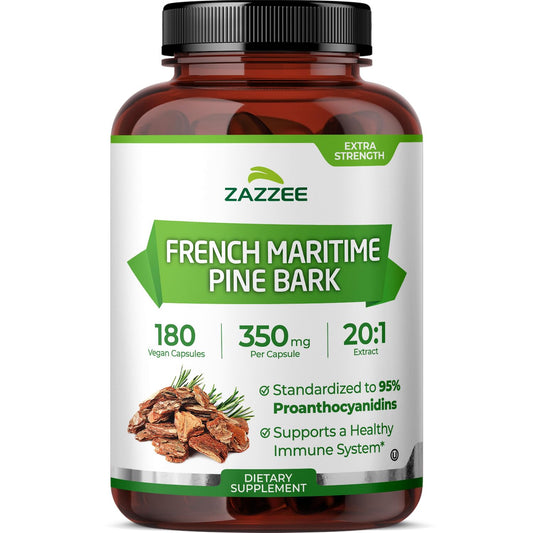
Vendor:Zazzee
Zazzee Extra Strength French Maritime Pine Bark Extract 350 mg per Capsule — 180 Vegan Capsules, 6-Month Supply
Why choose Zazzee Extra Strength French Maritime Pine Bark Extract Our Extra Strength formula delivers 350 mg per capsule, paired with a generous 180 capsules per bottle—equating to a six-month supply for many users. The product is standardized to a minimum of 95% proanthocyanidins,...- £45.39
- £45.39
- Unit price
- per