



How do I use OTC medicinal sleep aids safely for occasional insomnia? tips on timing, dosage and next day drowsiness avoidance (UK)?

Occasional insomnia-trouble falling asleep, staying asleep, or waking too early-happens to most people at some point. In the UK, someotc(over-the-counter)medicinalsleepaidoptions can help for short periods, but they work best (and most safely) when you use them with a clear technique: choose the right product type for your symptom, take it at the right time, use the lowest effective dose for the shortest time, and plan for the next day so you don’t feel groggy or unsafe.
OTC Medicinal Sleep Aid Collection how to tips is the focus of this guide.
This article is educational, not a substitute for personalised medical advice. Always read the patient information leaflet, follow the label, and speak to a pharmacist or GP if you’re unsure-especially if you’re pregnant, have a long-term condition, or take other medicines.
If you’re browsing options, you can view theOTC Medicinal Sleep Aid Collectionto see common product types in one place.
Quick technique: the “right-night” checklist before you take an OTC sleep aid
Before you take any OTC medicinal sleep aid, use this simple decision technique to reduce the chance of next-day drowsiness and avoid taking it when it’s unlikely to help.
- Do I have enough time in bed?Many products can leave residual sedation. If you can’t allow a full night’s sleep, avoid taking it.
- Is this truly occasional?If it’s most nights, or has lasted weeks, the safer move is to speak to a GP or pharmacist rather than self-treat repeatedly.
- What’s the trigger?Travel/jet lag, stress, shift changes, noisy neighbours, illness, pain, reflux, menopause symptoms, or anxiety may need different approaches.
- Have I already tried basics tonight?Caffeine cut-off, dim lights, wind-down routine, and a cooler bedroom can change the outcome without medication.
- Am I taking other sedating medicines?Some antihistamines, opioid painkillers, certain antidepressants, and alcohol can compound drowsiness.
- Do I need to drive or operate machinery tomorrow?If yes, be extra cautious-residual effects can persist even if you feel “mostly fine”.
For a broad view of what’s commonly available, theOTC Medicinal Sleep Aid Collection how to tipsapproach starts with understanding product categories and their typical timing windows.
What counts as an OTC medicinal sleep aid in the UK?
In everyday UK pharmacy terms, “OTC sleep aids” can include different product types. Some are marketed for temporary sleep disturbance; others are medicines people use because they cause drowsiness. Common UK-relevant categories include:
Sedating antihistamines(e.g., diphenhydramine, promethazine): These are often used short-term for insomnia because of their sedative effect. They may cause dry mouth, next-day drowsiness, blurred vision, constipation, urinary retention, and can be a poor choice for some people (for example, older adults may be more sensitive to anticholinergic effects).
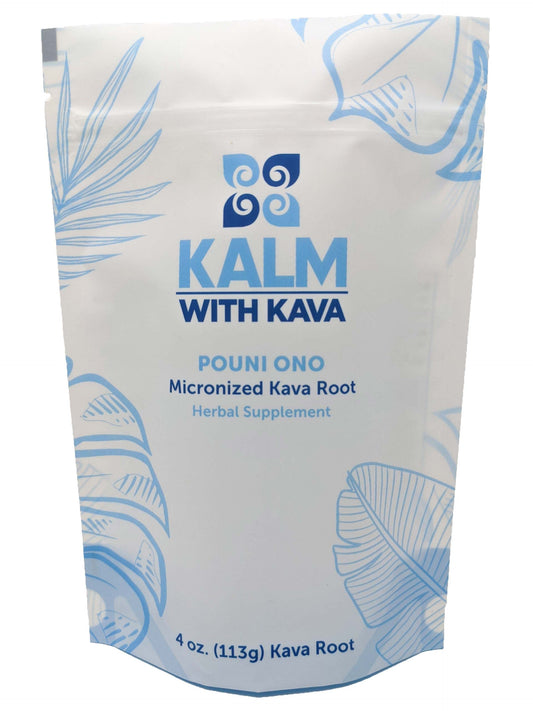
Herbal medicinal products(e.g., valerian-based remedies that are registered as traditional herbal medicines): Some people find them helpful for mild sleep disturbance. Effects can be subtle and vary by person.
Melatonin: In the UK, melatonin is generally prescription-only for insomnia, though it may be supplied in some circumstances via specialist services. If you see melatonin products online, check legitimacy and UK regulatory status before use.
Pain relief or cold/flu products that can make you drowsy: Some nighttime formulations contain sedating antihistamines alongside pain relief. These can be helpful if pain or symptoms are the main reason you can’t sleep, but it’s easy to accidentally double-dose ingredients (like paracetamol) if you take other products.
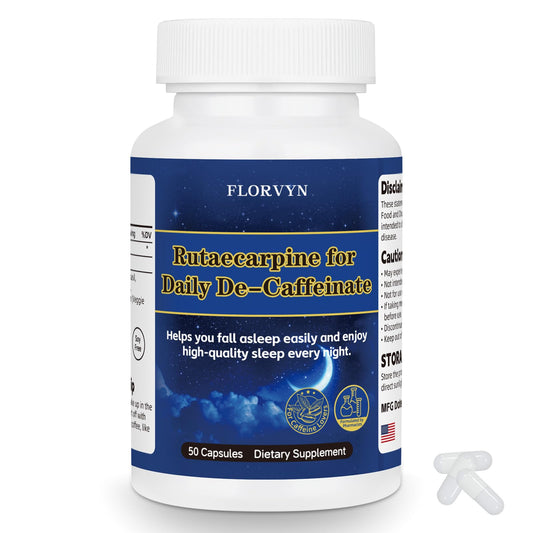
Magnesium, glycine, L-theanine, and other supplements: These are not “medicinal” sleep aids in the same way and have different evidence and safety considerations. If you take them, still treat them seriously (dose, interactions, quality).
To see an overview of typical pharmacy-style options, you can explore Elovita’ssleep aid options collection(and always read labels and eligibility notes carefully).
Timing: when should I take an OTC sleep aid to avoid next-day drowsiness?
Timing is the most underrated technique. Many people take an OTC medicinal sleep aid too late (when they’re already in bed and frustrated), which increases the risk of a “hangover” effect the next day.
General timing technique:take it early enough that the sedative effect supports sleep onset, but not so early that you’re drowsy while still active (which can increase falls risk or poor decision-making).
Because products differ, the patient leaflet is the best source. As a practical rule:
- If you struggle to fall asleep:take it before you get into bed, after your wind-down routine, when you are confident you can devote a full night to sleep.
- If you wake in the night:avoid “topping up” unless the label explicitly allows it. Taking a sedating antihistamine at 2-3am is a common cause of morning grogginess.
- If you wake too early:OTC sedatives are often not ideal; you can end up drowsy into the late morning.
Plan for an 8-hour windowif possible. Residual sedation can still occur even with a full night’s sleep, but it’s much more likely if you only allow 5-6 hours.
If you want to compare typical categories before choosing, browse theOTC medicinal sleep aids rangeand then confirm timing directly from the leaflet for the specific product you pick.
Dosage: how much should I take (and for how many nights)?
Use the lowest effective dose for the shortest possible time.For many OTC medicinal sleep aids, the goal is a brief reset for a few nights-particularly after a stressful period, travel disruption, or a short-lived change in routine.
Practical dosage technique for safer use:
- Start low (within the label directions), especially if you are sensitive to medicines, have a smaller body size, or haven’t used that ingredient before.
- Do not combine sleep aidsunless a pharmacist has advised it. Stacking sedatives (or adding alcohol) can significantly increase impairment.
- Avoid “catch-up dosing”. If you forgot to take it at the intended time, skip it rather than taking it late.
- Keep it short term. If you find you “need” it regularly, that’s a sign to review the cause of the insomnia and speak to a professional.
Why short-term matters:sedating antihistamines can lead to tolerance (they may stop working as well), and side effects can be more troublesome with repeated use. In addition, reliance can develop psychologically even when physical dependence is not typical.
For a curated overview of product types that people commonly consider, theOTC Medicinal Sleep Aid Collectioncan help you identify options to discuss with your pharmacist.
How to reduce next-day drowsiness: practical techniques that actually help
Next-day drowsiness (sometimes called a “hangover” effect) is one of the most common complaints with OTC medicinal sleep aids-especially sedating antihistamines. Use these tactics to lower the risk:
- Protect your sleep window:take it only when you can allow enough time in bed. Short nights amplify impairment.
- Keep alcohol out of the equation:alcohol can worsen sleep quality and compound sedation.
- Avoid late-night screens and bright light:if you take a sleep aid but then scroll your phone, you may delay sleep onset and shorten your sleep window.
- Be careful with morning caffeine:a strong coffee can mask sleepiness but not restore reaction time. Don’t assume you are safe to drive just because you feel more awake.
- Choose the right night:trial a new product on a night before a low-stakes morning (no early driving, no important exams, no heavy machinery).
- Don’t redose in the night:this is a top cause of lingering sedation.
Driving note (UK):if you feel drowsy, slowed, or “not yourself” the next day, do not drive. Some medicines can impair you even if you think you’ve slept.
People also ask: OTC medicinal sleep aids for occasional insomnia (UK)
Which OTC sleep aid is best for falling asleep quickly?
It depends on what you mean by “best” and what’s causing the insomnia. Sedating antihistamines may help some people with sleep onset, but they can cause next-day drowsiness. If stress or poor sleep habits are the main driver, a consistent wind-down routine and stimulus control (bed for sleep, not scrolling) can be as important as any medicinal option.
Can I take an OTC sleep aid every night?
Most OTC medicinal sleep aids are intended for short-term use. If you’re needing something most nights, speak with a pharmacist or GP to check for underlying causes (anxiety, depression, sleep apnoea, restless legs, pain, reflux, menopause symptoms, medication side effects) and to discuss safer longer-term strategies.
Why do antihistamine sleep aids make me feel groggy the next day?
Many sedating antihistamines have effects that can persist into the next day, especially if taken late, if you sleep fewer hours, or if you’re sensitive to anticholinergic side effects (dry mouth, blurred vision, constipation). Alcohol and other sedating medicines can make this worse.
Is it safe to mix an OTC sleep aid with painkillers?
Sometimes, but it depends on the ingredients. Some nighttime products already include pain relief plus a sedating ingredient. The key safety step is to avoid doubling up on the same active ingredient (for example, taking extra paracetamol from another product). If you’re unsure, ask a pharmacist and show them what you’ve already taken.
What if I wake up at 3am-should I take another dose?
Usually not, unless the product leaflet specifically instructs it. Taking a sedating antihistamine in the early hours is a common reason for next-day impairment. If early waking is your main pattern, focus on sleep scheduling, light exposure timing, and addressing triggers like stress, noise, or temperature.
Can OTC sleep aids help with jet lag?
They may help you sleep on a new schedule, but jet lag is largely a circadian rhythm issue. Light management (bright light in the morning at your destination, dim light in the evening) and disciplined sleep timing are core techniques. If you’re considering a medicinal option for travel, trial it at home first and avoid combining with alcohol.
Common scenarios (and what to do differently)
Stressful week, racing thoughts at bedtime
Technique: do a 10-15 minute “worry list” earlier in the evening, then a short wind-down routine (shower, dim lights, calm audio). If you use an OTC medicinal sleep aid, take it after the wind-down, not while still working or scrolling. Consider whether caffeine (including energy drinks or strong tea) is contributing.
Shift work or changing sleep schedule
Technique: treat light exposure like a tool-bright light when you need to be alert, sunglasses and dim lighting when you need to prepare for sleep. Medicinal sleep aids can increase grogginess when you must wake at unusual times, so prioritise scheduling and sleep environment (blackout curtains, earplugs, cool room).
Sleep disrupted by a cold, cough, or allergies
Technique: address symptoms directly (saline spray, hydration, appropriate remedies). Be careful with multi-ingredient nighttime products, and check for duplicated ingredients if you take anything else. Congestion and post-nasal drip can fragment sleep even if you feel drowsy.
Menopause-related sleep disruption
Technique: if night sweats and hot flushes are the driver, temperature control and breathable bedding can help. Persistent symptoms may respond to targeted medical options-worth discussing with a GP rather than repeatedly relying on sedating medicines.
Snoring, gasping, or extreme daytime sleepiness
Technique: treat this as a medical flag. Sedatives can worsen breathing-related sleep problems. If you suspect sleep apnoea, seek assessment rather than self-treating with OTC sleep aids.
Safety: who should be extra cautious (or avoid OTC medicinal sleep aids)?
Ask a pharmacist or GP before using an OTC medicinal sleep aid if any of these apply:
- Pregnant or breastfeeding
- Under 18 (follow product age restrictions)
- Older adults (higher sensitivity to sedation, falls, confusion, anticholinergic effects)
- Glaucoma, urinary retention, prostate problems (some antihistamines can worsen symptoms)
- Asthma/COPD or breathing-related sleep issues
- Liver or kidney problems
- Epilepsy
- Taking other medicines that cause drowsiness (including some antidepressants, antipsychotics, opioid painkillers)
- Regular alcohol use or use of recreational drugs
If you’re building your own short list to discuss with a pharmacist, you can start by viewing theElovita OTC sleep support collectionand noting the active ingredients you’re considering.
How to use OTC sleep aids alongside better sleep habits (so you don’t need them as often)
OTC medicinal sleep aids tend to work best as a bridge while you fix the “inputs” that control sleep drive and circadian rhythm. These behaviour techniques are simple but powerful:
- Consistent wake time(even after a poor night) to stabilise your body clock.
- Morning daylightexposure to anchor circadian rhythm.
- Cut off caffeineearlier (many people need 8-10 hours).
- Reduce naps(or keep them brief and early) to build sleep pressure.
- Keep the bedroom cool, dark, and quiet(eye mask, earplugs, fan).
- Stimulus control: if you’re awake for a long time, get out of bed and do something quiet in dim light until sleepy.
Think of the medicinal option as a short-term tool-not the whole plan. If you’re repeatedly stuck, a pharmacist can help you choose safer options and a GP can assess persistent insomnia.
When to seek medical advice urgently (or soon)
Get medical advice promptly if:
- Insomnia lasts more than a few weeks, or keeps returning
- You have low mood, panic symptoms, or intrusive thoughts
- You suspect sleep apnoea (loud snoring, gasping, witnessed pauses in breathing)
- You have chest pain, severe breathlessness, or neurological symptoms
- You experience confusion, hallucinations, severe dizziness, or fainting after taking a sleep aid
- You’re relying on alcohol or other substances to sleep
Short FAQ
How do I choose between a sedating antihistamine and a herbal remedy?
If you need a stronger sedative effect for a very short period, a sedating antihistamine may feel more noticeable-but it may also be more likely to cause next-day drowsiness and anticholinergic side effects (dry mouth, constipation). Traditional herbal remedies (such as valerian-based products) may feel gentler, but results vary. A pharmacist can help you weigh up your symptoms, health conditions, and other medicines.
What should I do if I feel “hungover” after an OTC sleep aid?
Don’t drive or take risks. Hydrate, get daylight exposure, and avoid taking another sedating product. Next time, adjust technique: take it earlier, ensure a full sleep window, and avoid redosing in the night. If it happens repeatedly, choose a different option or get advice.
Key takeaways
Safe, effective use of an OTC medicinal sleep aid for occasional insomnia is mostly about technique: pick an option suited to your symptom, time it so you can allow a full night’s sleep, use the lowest effective dose for the shortest time, and avoid mixing with alcohol or other sedatives. If insomnia persists, treat that as a sign to get professional advice rather than simply increasing frequency.
If you’d like to review typical options before speaking to a pharmacist, you can browse theOTC Medicinal Sleep Aid Collection.