









Nicotine Patches Quit Support Range
Discover a focused collection of nicotine patches designed to support adults managing nicotine cravings within a structured stop smoking plan. As a form of nicotine replacement therapy (NRT), transdermal patches release a controlled dose through the skin to help reduce withdrawal symptoms while you build new routines and tackle triggers. For many people moving away from cigarettes, roll-ups, or vaping, patches can be a discreet, hands-free option for everyday use at work, while commuting, or at home in the United Kingdom. Prices are displayed in GBP.
Selecting the right product is often about matching your typical nicotine dependence and daily pattern. This range includes step-down strengths to help you taper gradually while keeping a consistent baseline of support. Depending on preference and professional advice, some people combine patches with complementary NRT such as nicotine gums and lozenges for breakthrough cravings, especially in high-trigger situations.
Choosing wear time and strength
Consider how soon you reach for nicotine after waking, how many cigarettes you typically smoke, and when cravings peak (after meals, during stress, or in social settings). Also factor in sleep: some people prefer 16-hour wear to avoid vivid dreams, while others choose 24-hour coverage for early-morning cravings.
- 16-hour and 24-hour wear options
- Step-down programmes to support gradual reduction
- Discreet, travel-friendly format for daily routines
- Clear application guidance for consistent dosing
Application, comfort, and safety
Apply to clean, dry skin and rotate sites to reduce irritation and improve adhesion. Always read the label and follow the manufacturer’s instructions. If you are pregnant, breastfeeding, under medical supervision, or taking medicines, seek advice from a pharmacist or clinician before use.
-
Vendor:RUGBY LABORATORIES
Rugby Clear Nicotine Patches Step 3 – 7mg, 3-Pack, 24-Hour Delivery
OverviewRugby Clear Nicotine Patches Step 3 is a transparent, transdermal option designed to support a gradual transition away from smoking or vaping. This 7 mg patch is the final stage in Rugby Laboratories’ three-step OTC nicotine replacement therapy, intended for weeks seven and eight....- £95.39
- £95.39
- Unit price
- per
-
Vendor:KENRICO
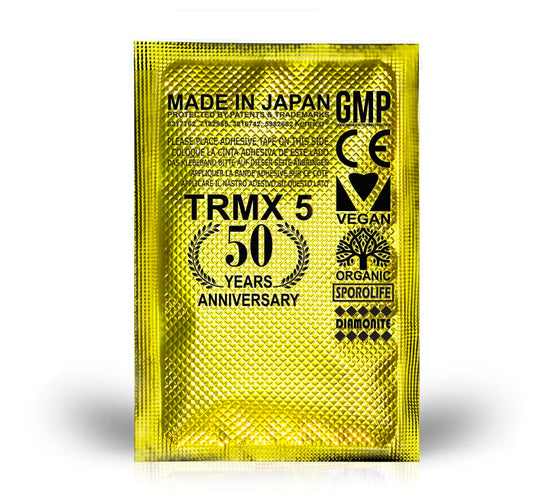
KENRICO Supreme Gold Edition TRMX 5 – 60 Patches with White Adhesives | 50th Anniversary
Meet the KENRICO Supreme Gold Edition TRMX 5 – 50th Anniversary Edition The KENRICO Supreme Gold Edition TRMX 5 presents a premium patch experience designed to fit into busy days with a touch of celebration. This 60-patch set features white adhesives for a clean,...- £87.86
- £87.86
- Unit price
- per
-
Vendor:SORELAX
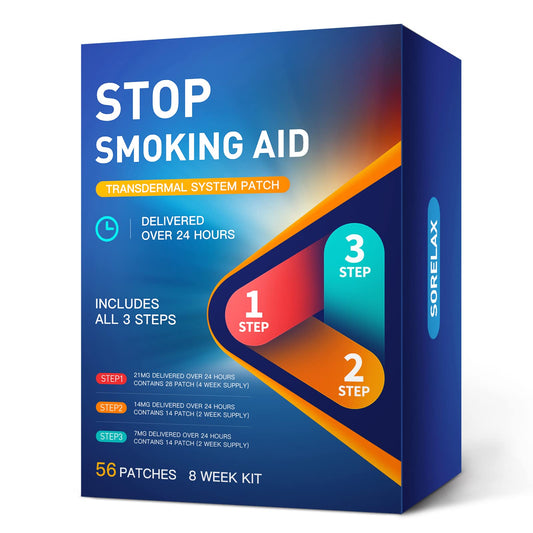
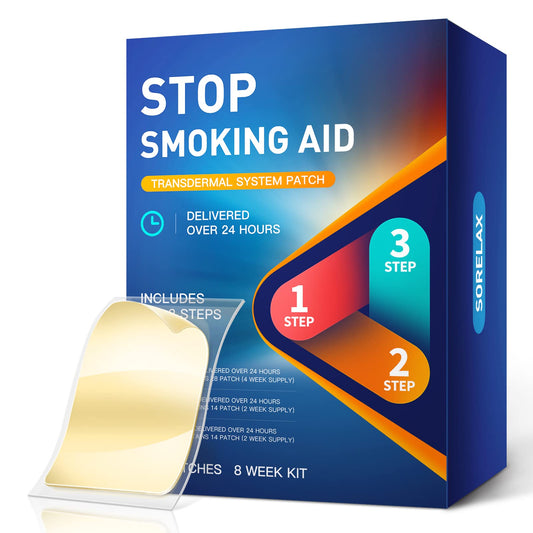
SORELAX Quit Smoking Patches – Step 1 to 3, 56 Count, 8-Week Supply
Structured, Step-by-Step Support for Your Quit Plan SORELAX Quit Smoking Patches offer a three-step patch kit designed to support a gradual nicotine taper over eight weeks. With a total of 56 patches, the kit provides three strengths—Step 1 at 21 mg, Step 2 at...- £51.99
- £51.99
- Unit price
- per
-
Vendor:Aveva Drug Delivery Systems
Aveva Nicotine Transdermal System Step 3 – 7mg Patch for 2-Week Quit Support
Finish Your Quit Journey with Aveva Step 3 Congrats on reaching the final phase of your quit plan. Aveva's Nicotine Transdermal System Step 3 uses a steady 7 mg patch to support you through weeks 7 and 8. The all‑day formula runs for about...- £51.99
- £51.99
- Unit price
- per
-
Vendor:Medline
Medline Step 3 Nicotine Patch 7mg | 14 Patches – Made in USA
Overview Medline Step 3 Nicotine Patches deliver a steady 7 mg dose in a 24‑hour time‑release system. Designed as the final stage in a three‑step quit‑smoking program, these patches provide light, continuous support for daily cravings while you taper toward abstinence. How it works...- £55.27
- £55.27
- Unit price
- per
-
Vendor:Medline
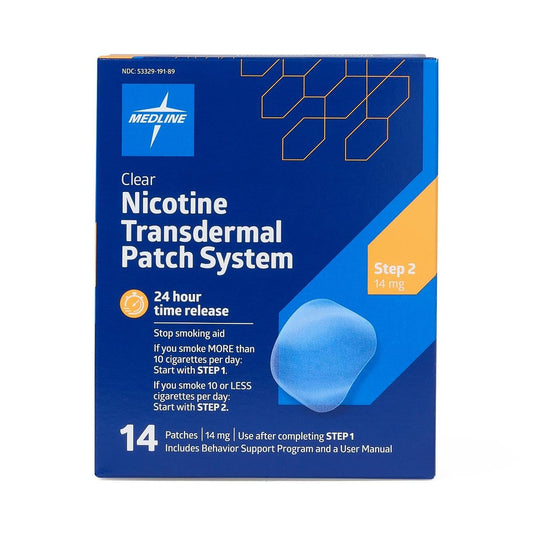
Medline Nicotine Patch Step 2 (14mg) – 24-Hour Release, 14 Patches, Made in USA
Medline Step 2 Nicotine Patch — steady, discreet support for your quit-smoking journey Medline Step 2 Nicotine Patch delivers 14 mg of nicotine in each patch, designed as the next phase for adults who smoke 10 or fewer cigarettes per day. With 14 patches...- £51.99
- £51.99
- Unit price
- per
-
Vendor:Biovikoting
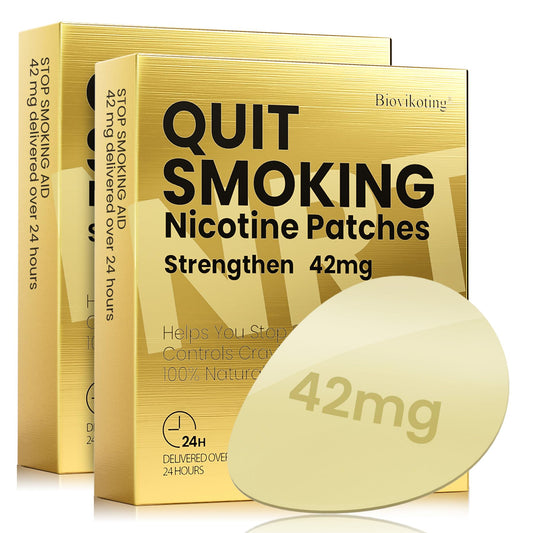
Biovikoting Nicotine Patches 42 mg – Quit Smoking Patches, 28 Count, 7-Week Plan
Biovikoting Nicotine Patches: A Thoughtful Path to Quit Smoking Biovikoting nicotine patches offer a straightforward, discreet way to manage cravings with a 42 mg patch designed for gradual nicotine reduction. Built around natural plant ingredients, these patches are intended to support your quit journey...- £50.89
- £50.89
- Unit price
- per
-
Vendor:Tuwyfe
TuWyfe Smoking Aid Patch Kit – 56 Patches, Step 1–3 Nicotine Reduction
Eight-Week Stepwise Nicotine Patch Plan Meet the TuWyfe Smoking Aid Patch Kit, a complete eight-week program designed to accompany your effort to reduce smoking. The patches are thin, discreet, and flexible, built to blend with daily life while delivering steady support across the day....- £50.89
- £50.89
- Unit price
- per
-
Vendor:Klova
Klova Wellness Patches | Nootropic Focus Patch — Up to 8 Hours
Effortless, pill-free supplementation with Klova Wellness PatchesKlova Wellness Patches offer a fast, non-invasive way to access essential nutrients without swallowing pills. Made with 100% natural ingredients, these patches are designed for high skin absorption and convenient daily use, helping you move through your day...- £50.85
- £50.85
- Unit price
- per
-
Vendor:Chu Kiang Brand
Chu Kiang Extra Strength Hua Tuo Medicated Patch – 5 Patches/Box, 6 Boxes (Solstice)
Chu Kiang Extra Strength Hua Tuo Medicated Patch: practical daily support Designed for everyday versatility, these patches provide a discreet, non distracting option for targeted support during daily activities. Each box contains 5 patches, and the Solstice bundle includes 6 boxes, for a total...- £46.52
- £46.52
- Unit price
- per
-
Vendor:Skin Grip
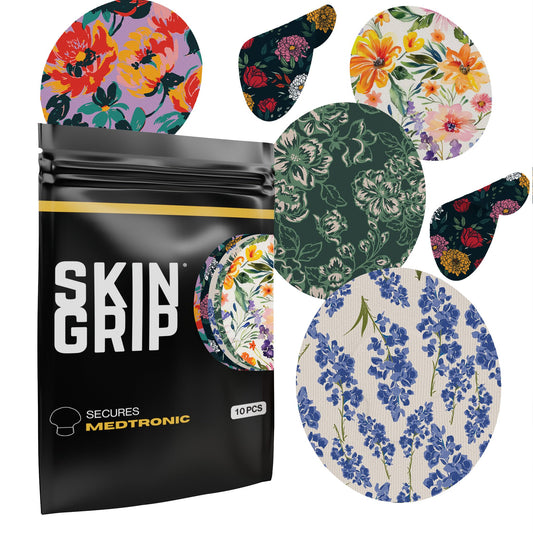
Skin Grip CGM Sensor Patches for Medtronic Guardian – Florals (10-Pack) Waterproof & Sweatproof, 10-14 Days
Overview Meet Skin Grip Florals CGM Sensor Patches, a 10-pack of pre-cut adhesive patches designed to fit Medtronic Guardian sensors. They are crafted to stay in place through daily life, workouts, and moisture, without interfering with routine CGM checks. The floral design adds a...- £46.51
- £46.51
- Unit price
- per
-
Vendor:Party Treats
Party Treats Recovery Patches 56 Pack – Wake Up Refreshed & Energized
Wake Up to a Fresher Morning with Party Treats After a night of celebration, mornings can feel heavy. The Party Treats Recovery Patches are designed to help your body regain balance with a gentle, natural approach. They are formulated in the USA using 100%...- £45.41
- £45.41
- Unit price
- per
-
Vendor:Habitrol
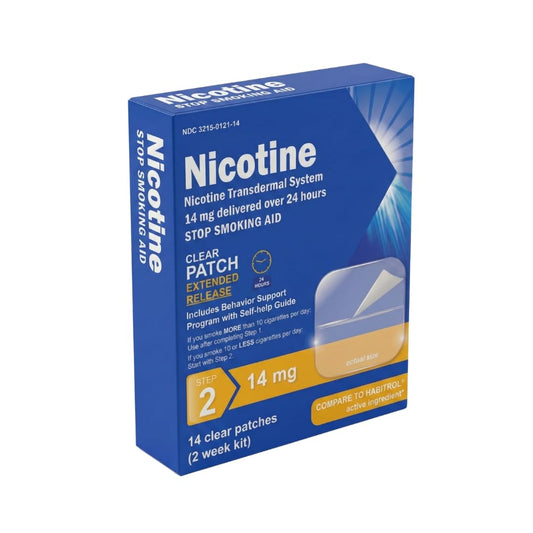
Habitrol Step 2 Nicotine Patch – 14 mg, 14 Patches (2-Week Kit) | Stop Smoking Aid
Habitrol Nicotine Patches support a guided quit journey through an 8-week step-down program. The Step 2 patch delivers 14 mg of nicotine over 24 hours, helping to curb daily cravings while you focus on building new habits—not smoking. Each patch is worn for a...- £45.39
- £45.39
- Unit price
- per
-
Vendor:RUGBY LABORATORIES
Rugby Laboratories Clear Nicotine Patch Step 3 - 7 mg Transdermal Patch (1 Pack)
Rugby Clear Nicotine Patch Step 3 is a 7 mg transdermal patch designed for the third stage of a three-part OTC nicotine replacement program. Worn on the skin, it releases nicotine gradually over a 24-hour period, offering a steady dose that may help ease...- £44.21
- £44.21
- Unit price
- per
-
Vendor:Aveva Drug Delivery Systems
Aveva Nicotine Transdermal System Step 2 – 14mg (2 Week Kit) Stop Smoking Aid
Move forward on your quit journey You’ve completed Step 1, and Aveva’s Nicotine Transdermal System Step 2 is designed to help you maintain momentum. This phase pairs a 14 mg patch with a steady release profile to support you during Weeks 5 and 6...- £45.31
- £45.31
- Unit price
- per
-
Vendor:RUGBY LABORATORIES
Rugby Clear Nicotine Patch 21mg Step 1 – 14 Count | Transdermal Quitting Aid
Overview Rugby Clear Nicotine Patch Step 1 is a discreet, clear transdermal patch designed to support quit efforts as part of a structured plan. With 21 mg of nicotine delivered over a full day, it aims to help manage cravings and daily withdrawal sensations...- £42.67
- £42.67
- Unit price
- per
-
Vendor:Habitrol
Habitrol Nicotine Patch Step 3 (7 mg) – 14 Patches | 2-Week Kit | Packaging May Vary
Choose Habitrol Nicotine Patches to support a steady quit journey. Each patch delivers nicotine through the skin for 24 hours, providing a reliable daily dose that may help you manage withdrawal symptoms while you focus on changing smoking-triggered habits. Step 3 in our 8-week...- £45.39
- £45.39
- Unit price
- per
-
Vendor:Habitrol
Habitrol Nicotine Patch Step 1 (21 mg) – 14 Count | Stop Smoking Aid with 8-Week Step-Down Program
Overview Habitrol 21 mg nicotine patches are designed to help manage quit symptoms by delivering nicotine through the skin with time release technology. The patch provides 21 mg over 24 hours, aiming to ease urges and support daily routines during the quit journey. This...- £41.71
- £41.71
- Unit price
- per
-
Vendor:Aroamas Cot
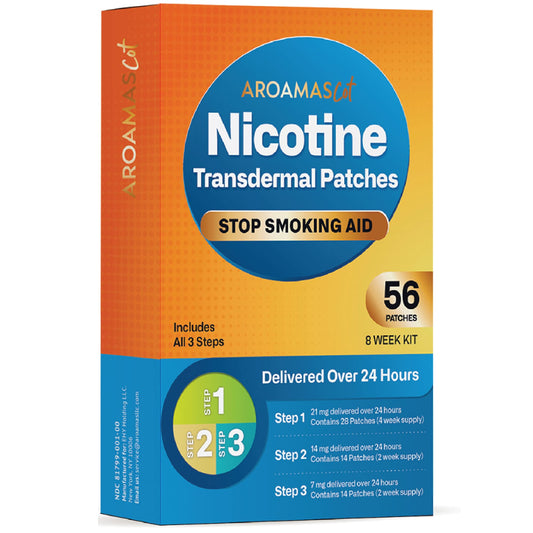
Aroamas Cot Nicotine Patches – 24-Hour Transdermal Quit Smoking Aid (Steps 1-3) 8-Week Kit
Discover Aroamas Cot Nicotine PatchesAroamas Cot Nicotine Patches deliver a steady release of nicotine over 24 hours, designed to fit smoothly into daily life. Crafted with natural plant extracts, this patch system combines premium quality with approachable pricing, offering a practical option for those...- £67.01
- £67.01
- Unit price
- per
-
Vendor:Habitrol
Habitrol Nicotine Patch Step 1 (21 mg) – 28 Patches (4 Week Kit) | Stop Smoking Aid
Overview Begin your quit journey with Habitrol Step 1 patches. Each patch is designed for daily, discreet wear, delivering steady support to help you navigate cravings while you adjust to life without tobacco. How Habitrol Step 1 fits into your plan Habitrol uses a...- £61.58
- £61.58
- Unit price
- per