




Skip to content
Welcome to Elovita — Supporting Your Daily Wellness Across the UK
10% Off On Selected Products - SHOP NOW
Improve Your Sleep Naturally with Melatonin in the UK
Free Shipping Across United Kingdom
Wish lists
Wish lists
Cart
0 items

Blogs

Needle free insulin injection devices for beginners: best options and what to expect first time using them UK users say works well.

Needle free insulin injection device being used on abdomen

Learning to use insulin is a practical skill-and if needles make you tense, it can feel harder than it needs to be. Needle free insulin injection devices (sometimes called jet injectors) are designed to deliver insulin without a traditional needle. Instead, they use a high-pressure micro-jet to push insulin through the skin. For some people, that can make daily injections feel more manageable, especially when needle anxiety, sore injection sites, or “injection fatigue” starts to build up.

Needle Free Insulin Injection Devices for your level is the focus of this guide.

This is a consumer-friendly guide for beginners in the UK who are curious about needle free insulin injection devices for your level-whether you’re newly prescribed insulin, helping a family member, or simply exploring options that feel less intimidating. You’ll learn what these devices are, what the first time can feel like, how to set up a safe routine, and how to choose between device types.

Important:Always follow your diabetes team’s advice. Not every person, insulin type, or dosing pattern is suitable for every delivery method. If you are switching devices or techniques, ask your GP, diabetes nurse, or hospital clinic to check your plan and your injection technique.

Quick navigation

What needle free insulin injection devices are (and aren’t)

Needle free insulin injection devices are insulin delivery devices designed to deliver insulin through the skin without using a conventional needle. Most use a spring or gas-powered mechanism to create a very fine jet of insulin that penetrates the outer layer of skin.

It helps to set expectations. These devices are not “magic” or “pain-free for everyone”. They can, however, change the experience in a way that some beginners find easier to cope with-particularly if your main hurdle is seeing a needle or feeling a needle puncture.

Common terms you’ll see (in plain English)

Jet injector:The general category-insulin is delivered via a high-pressure jet rather than a needle.

No-needle / needle-free:Typically means no traditional needle is used for the injection itself. Some systems may still involve consumables or components you load.

Injection site rotation:Moving where you inject (abdomen, thigh, upper arm, buttock/hip area) to reduce lipohypertrophy (lumpy, thickened tissue) and keep absorption steadier.

Basal insulin / bolus insulin:Basal is long-acting background insulin; bolus is mealtime or correction insulin. Your technique and timing matter whichever delivery method you use.

Absorption:How quickly insulin is taken up. Technique and site can change this, as can heat, exercise, scar tissue, and lipohypertrophy.

Who might be interested (and why)

Beginners often look into needle free insulin injection devices for reasons like:

  • Needle anxiety or needle phobia(including difficulty watching a needle go in).
  • Skin sensitivityor discomfort from repeated needle injections.
  • Preference for a different routine(for example, avoiding visible needles when injecting away from home).
  • Supporting a child or teenwho struggles with needles (always with clinical guidance).
  • Injection fatigueif you’re taking multiple daily injections.

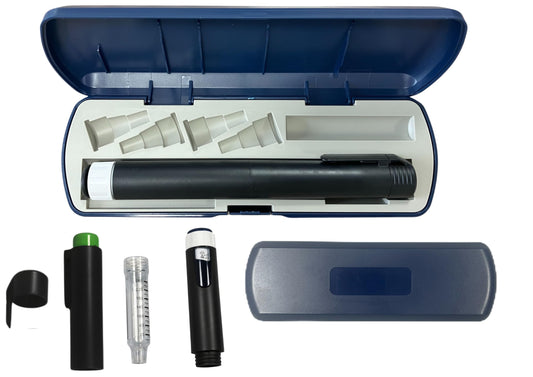
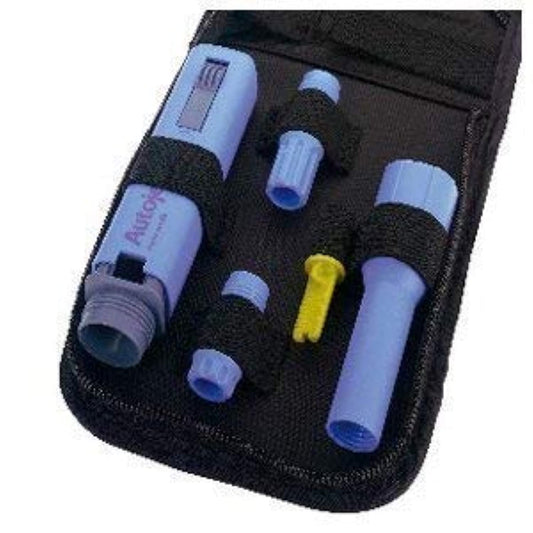
If you’re browsing beginner-friendly options, you can explore the range ofneedle-free insulin injection devicesin one place and then discuss suitability with your clinician.

What these devices don’t replace

Even without a needle, you still need the essentials:

  • Accurate dosing and safe storage of insulin (including temperature guidance).
  • Clean hands and good skin preparation.
  • A plan for hypoglycaemia (hypos), including quick-acting carbs and awareness of symptoms.
  • Regular review of injection sites and technique with your diabetes team.

What it feels like the first time (what UK beginners commonly notice)

First-time experiences vary. Some people describe a quick “snap” or “flick” sensation rather than a sharp prick. Others notice pressure, a mild sting, or a brief burn, especially if technique is off or the site is too close to bone.

Here’s what beginners often report noticing in the first few uses:

  • Sound and sensation:The mechanism can make a click or pop. Knowing this in advance helps reduce startle.
  • Skin marks:You may see a small circular imprint or mild redness that fades. Occasional bruising can happen, especially if you press too hard or use a less suitable site.
  • Confidence curve:The first attempt can feel awkward-then quickly becomes routine once you have a consistent setup and steps.
  • Absorption feels different:Some people feel their insulin “hits” a bit quicker, while others notice no clear change. Your blood glucose monitoring is the guide.

To set yourself up well, it can help to book a technique check with a diabetes nurse and practise your steps slowly at home (not rushed, not in a stressful moment). If you’re looking for a starting point to compare styles, browseneedle-free options suitable for beginnersand make notes of the features you care about-then bring those notes to your appointment.

Best options for beginners: types and who they suit

When people say “best options”, what they usually mean is: easiest to learn, consistent dosing, comfortable enough to keep using, and fits daily life. The most beginner-friendly choice depends on your insulin regimen, hand strength, eyesight, budget planning (without focusing on cost here), and how often you inject.

1) Spring-powered jet injectors (common needle-free style)

What it is:A reusable device that uses a spring mechanism to create pressure and deliver insulin through the skin.

Why beginners like it:Once you learn the steps, it can feel straightforward and repeatable. You don’t see a needle going into the skin, which can reduce anxiety for some.

Watch-outs:Technique matters. Pressing at the wrong angle, choosing the wrong site, or rushing can increase sting or bruising. You’ll also want to understand cleaning and consumable parts.

2) Gas-powered or pressure-cartridge systems

What it is:A system that uses a small gas cartridge or pressure source to create the jet.

Why some choose it:Potentially consistent pressure delivery and a “set routine” feel.

Watch-outs:You’ll need to be comfortable managing cartridges and keeping track of replacements. Travel planning can matter if you’re flying or packing light.

3) Needle-free devices as an alternative alongside pens and pumps

Many UK users don’t treat a needle-free device as an “all-or-nothing” switch. Some use it for certain injections (for example, at home) and keep pens as a backup when out, or vice versa. Others explore needle-free delivery while also considering insulin pumps or patch pumps if they want fewer manual injections overall.

If you’re exploring what’s available, you can compare a range ofneedle free insulin injection devicesand focus on beginner priorities: clear instructions, reliable dosing mechanism, comfortable grip, and easy cleaning.

Brands and product types you may hear about (context, not endorsements)

When researching, you may come across well-known insulin delivery brands and categories, even if they’re not all needle-free. For example:

  • Insulin pens(e.g., Novo Nordisk NovoPen, Sanofi SoloStar, Lilly KwikPen) - needle-based, but a common vs point for ease-of-use.
  • Continuous subcutaneous insulin infusionvia aninsulin pump(e.g., Medtronic, Tandem t:slim, Omnipod) - different approach; still involves cannulas.
  • Jet injectors(needle-free category) - look for reputable suppliers, clear instructions, and support for consumables.

The goal isn’t to “win” against one method-it’s to find something you can use calmly and consistently, because consistency supports steadier glucose management.

Step-by-step: your first week with a needle-free device

The biggest beginner win is creating a repeatable routine. The steps below are general and must be adapted to your device’s official instructions and your clinician’s advice.

Before day 1: get set up for success

  • Read the device instructionsend-to-end when you’re not rushed.
  • Choose a calm practice time(not right before leaving the house or when you’re already low/high).
  • Gather supplies: insulin, device, any required consumables, alcohol wipes if advised, a small mirror if injecting upper arm, a sharps bin if you still use needles for anything else.
  • Plan your monitoring: finger-prick checks or CGM review. If you’re changing technique, more frequent checks can help you spot patterns.
  • Pick an injection site rotation plan: abdomen is common for consistent absorption; thighs/upper arms may vary more with exercise.

Day 1-2: focus on technique, not speed

Give yourself extra minutes. Rushing is the fastest way to make first use unpleasant.

  • Wash handsand prepare a clean surface.
  • Inspect the skin: avoid areas with bruises, scars, moles, irritated skin, or lipohypertrophy (lumps).
  • Load and primethe device as directed. Priming helps ensure accurate delivery and reduces air issues.
  • Positioning: aim for a stable, flat contact with the skin. A mirror can help for hard-to-see areas.
  • Deliver the dosefollowing your device steps exactly (pressure, angle, hold time).
  • Check the site: mild redness can be normal; heavy bleeding, persistent pain, or significant swelling isn’t-seek advice.

Day 3-5: build a repeatable “same every time” routine

Once you’ve done a few successful injections, aim for consistency:

  • Same order of stepsevery time (set-up → site check → load/prime → inject → clean/store).
  • Same injection windowfor meals/bolus if advised, so you can interpret glucose trends.
  • Rotate sitessystematically (e.g., imagine a clock face around the abdomen, moving each injection a finger-width apart).

Day 6-7: review and adjust with evidence

Look at your glucose data and your comfort level:

  • Are there consistent highs or lows after certain meals or times of day?
  • Do certain sites sting or bruise more?
  • Are you pressing too hard, too lightly, or at an uneven angle?

If something feels off, don’t “push through” for weeks. Book a technique review. Even small tweaks (site choice, hold time, or how you brace the device) can change comfort and consistency.

For UK users who want to see the range of device styles in one place before speaking to a clinician, this collection ofneedle-free insulin injection devicescan help you shortlist features to ask about.

Safety, skin care, and avoiding common mistakes

Beginners often worry about “doing it wrong”. That’s normal. The key is to use a cautious, methodical approach and to ask for professional support early. Here are common pitfalls and how to reduce them.

Common beginner mistakes (and what to do instead)

  • Skipping site rotation: Repeated injections in the same spot can cause lipohypertrophy, which can make absorption unpredictable. Use a rotation plan and check for lumps.
  • Injecting through clothing: It may increase contamination risk and affect technique. Use clean, bare skin unless your clinician advises otherwise.
  • Pressing too hard: Excess pressure can increase bruising. Aim for firm, stable contact-follow your device guidance.
  • Rushing the hold time: Some devices need a short hold against the skin to complete delivery. Count slowly if needed.
  • Using compromised insulin: Insulin that’s been frozen, overheated, or left out too long may not work as expected. Follow the leaflet and your pharmacist’s guidance.
  • Ignoring repeated stinging: Occasional sting can happen; frequent pain suggests technique or site issues worth reviewing.

Skin care tips that help over time

Healthy skin supports comfortable injections and steadier absorption.

  • Keep skin moisturised(avoid injecting into freshly creamed skin; let it absorb first).
  • Avoid irritated areas(eczema patches, sunburn, broken skin).
  • Check sites weeklyin good light for bruising, lumps, or changes in texture.
  • Consider exercise timing: injecting into a limb you’re about to work hard can change absorption speed.

Hygiene and cleaning (device care)

Needle-free devices still need cleaning and safe handling. Follow the manufacturer’s instructions exactly for:

  • Cleaning contact surfaces
  • Replacing consumables (if applicable)
  • Storage at home (away from heat, moisture, and children/pets)
  • Travel storage (protective case; keep insulin at safe temperature)

If you’re not sure what maintenance looks like for the device type you’re considering, start with a short list fromthis needle-free insulin injection device collectionand check each product’s instructions and support information before committing.

Everyday life in the UK: work, travel, and social situations

A delivery method only works if it fits real life. Beginners often worry about privacy, speed, and what to do when plans change. Here are common scenarios and practical ways to handle them.

At work or college

  • Keep a small routine kit: device, insulin, wipes (if used), hypo treatment, and a backup plan.
  • Choose a consistent space: some people prefer a bathroom; others prefer a first aid room or a quiet corner with clean hands.
  • Don’t compromise techniqueto hide it. A calm, correct injection is safer than a rushed one.

On public transport or out for the day

If you’re out in UK weather (cold snaps, heatwaves, rain), protecting insulin temperature and keeping the device dry matters. Plan ahead:

  • Insulated pouchfor insulin if you’re out for hours.
  • Discrete planning: know where you’ll inject (a café toilet isn’t ideal; a clean, private space is better).
  • Backup option: ask your clinician what a sensible backup looks like for you.

Flying and holidays

Before you travel, check:

  • Medical letter(helpful for security and carrying insulin).
  • Time zone planfor basal insulin timing (if relevant).
  • Spare suppliesin hand luggage, not checked baggage.

Different needle-free systems may have different travel considerations. If travel is a priority, look atneedle-free insulin injection devices for everyday carryand compare portability features (case size, parts, and cleaning needs) before you decide.

Helping a child, teen, or older family member

Families often explore needle free devices to reduce fear and daily stress. If you’re supporting someone else:

  • Get supervised trainingwhere possible (clinic appointment, diabetes nurse education session).
  • Use simple checklistson the fridge or in a notes app: wash hands, site check, load/prime, inject, record.
  • Watch for burnout: the emotional load of diabetes management is real. A calmer routine can help, but support matters too.

How to choose the right needle-free insulin injection device for your level

“For your level” matters because beginners need clarity and confidence more than fancy extras. Use these criteria to narrow down options before you buy anything or change your routine.

Beginner-focused checklist

  • Clear instructions: easy to follow, ideally with diagrams.
  • Comfortable grip: particularly if you have arthritis, reduced hand strength, or tremor.
  • Repeatable dosing steps: fewer steps can reduce errors when you’re tired or busy.
  • Cleaning and maintenance: simple is better when you’re learning.
  • Support and guidance: accessible product info and a way to get help if something doesn’t make sense.
  • Compatibility with your insulin routine: basal/bolus patterns, dose sizes, and your clinician’s recommendations.

As you compare, keep your questions practical: “How do I load it?”, “How do I know it delivered?”, “How do I clean it?”, “What do I do if I’m out all day?”. Browsing a curated UK collection ofneedle free insulin injection devicescan help you build that question list.

Common questions beginners ask

Do needle free insulin injection devices hurt?

Comfort varies from person to person. Many people describe a quick pressure or “snap” sensation rather than a needle prick, but stinging or bruising can happen-especially with poor technique, the wrong injection site, or pressing too hard. A technique check with a diabetes nurse can make a big difference.

Will my insulin work the same way if I switch to a needle-free device?

Your insulin is the same, but absorption can vary with delivery method, injection site, and technique. If you switch, monitor your glucose closely (finger-prick checks or CGM trends) and involve your diabetes team so dose timing and technique are appropriate for you.

Is a needle-free device suitable for type 1 and type 2 diabetes?

People with both type 1 and type 2 diabetes may use insulin injection devices. Suitability depends on your prescribed insulin, dose sizes, and clinical advice. Your diabetes clinician can confirm whether a needle-free option is appropriate for your regimen and training needs.

Final thoughts: making your first week calmer and more consistent

If you’re a beginner, the “best” needle free insulin injection devices are the ones that help you inject safely, consistently, and with less stress-day after day. Focus on learning solid technique, rotating injection sites, and checking glucose patterns. And if something doesn’t feel right, ask for help early rather than trying to troubleshoot alone.

When you’re ready to compare beginner-friendly features and shortlist options to discuss with your clinician, start with this UK range ofneedle-free insulin injection devices.

Prev post
Next post

Thanks for subscribing!

This email has been registered!

Shop the look

Choose options

Edit option
Back In Stock Notification
Terms & conditions

OVERVIEW

Welcome to Elovita! The terms “we”, “us” and “our” refer to Elovita. Elovita operates this store and website, including all related information, content, features, tools, products and services (the “Services”). Elovita is powered by Shopify, which enables us to provide the Services to you.

These Terms of Service (the “Terms”) describe your rights and responsibilities when you use the Services. By visiting, interacting with or using our Services, you agree to be bound by these Terms and our Privacy Policy. If you do not agree, you should not use or access the Services.


SECTION 1 – ACCESS AND ACCOUNT

By agreeing to these Terms, you confirm that you are at least 18 years old (the age of majority in the UK) and you consent to any of your minor dependents using the Services on devices you own or manage.

To use the Services you may be asked for information such as your email address, billing, payment and shipping details. You warrant that all information you provide is correct, current and complete and that you have the rights to provide it.

You are responsible for maintaining the security of your account credentials and for all activity under your account. You may not transfer or sell your account.


SECTION 2 – OUR PRODUCTS

We strive to represent our products accurately; however, colours and appearance may vary depending on your device and settings. We do not warrant that any product’s appearance or quality will meet your expectations.

Product descriptions may change at any time without notice. We may discontinue products and/or limit quantities to any person or geographic region at our discretion.


SECTION 3 – ORDERS

When you place an order, you make an offer to purchase. Elovita may accept or decline any order at its discretion. We must receive and process your payment before acceptance.

Your purchases are subject to our Refund Policy.

You warrant that your purchases are for personal/household use and not for resale or export.


SECTION 4 – PRICES AND BILLING

Prices, discounts and promotions may change without notice. Prices exclude taxes, shipping/handling and applicable duties unless stated otherwise.

You agree to provide complete and accurate payment details and confirm that you are authorised to use the payment method provided.


SECTION 5 – SHIPPING AND DELIVERY (UK ONLY)

We currently sell and ship within the United Kingdom only. Delivery times are estimates and may vary. Risk of loss passes to you upon delivery.


SECTION 6 – INTELLECTUAL PROPERTY

All trademarks, text, images, video, audio and their arrangement are owned by Elovita or its licensors and protected by UK and international laws.

You may use the Services for personal, non-commercial purposes only.

Elovita’s names, logos, product names and designs are trademarks of Elovita and/or its affiliates. Shopify trademarks belong to Shopify.


SECTION 7 – OPTIONAL TOOLS

We may provide access to third-party tools. These are provided “as is” without warranties, and you use them at your own risk.


SECTION 8 – THIRD-PARTY LINKS

We are not responsible for third-party content or websites. Use of third-party sites is at your own risk. Review their policies before engaging.


SECTION 9 – RELATIONSHIP WITH SHOPIFY

Elovita is powered by Shopify. However, all purchases are made directly with Elovita. Shopify is not responsible for any sales, claims or damages relating to your transactions.

You expressly release Shopify from all claims arising from your purchases.


SECTION 10 – PRIVACY POLICY

All personal information we collect is subject to our Privacy Policy. Because our Services are hosted by Shopify, some data processing is performed by Shopify.


SECTION 11 – FEEDBACK

If you provide feedback or reviews, you grant us a worldwide, royalty-free licence to use, reproduce, display and distribute it. You warrant you have rights to submit such content.


SECTION 12 – ERRORS, INACCURACIES AND OMISSIONS

We may correct errors or update information at any time, including after an order has been submitted.


SECTION 13 – PROHIBITED USES

You must not misuse the Services. Prohibited conduct includes violations of law, harassment, spreading malware, scraping, impersonation, or attempting to bypass security.


SECTION 14 – TERMINATION

We may suspend or terminate the Services at any time. You remain responsible for amounts due up to the termination date.


SECTION 15 – DISCLAIMER OF WARRANTIES

Except where stated by Elovita, the Services and all products are provided “as is” and “as available” without warranties of any kind.


SECTION 16 – LIMITATION OF LIABILITY

Elovita is not liable for indirect or consequential damages, including loss of profits, data or savings, arising from use of the Services.


SECTION 17 – INDEMNIFICATION

You agree to indemnify Elovita, Shopify and their affiliates from claims arising from your misuse of the Services or breach of these Terms.


SECTION 18 – SEVERABILITY

If any part of these Terms is found unenforceable, the rest will remain in effect.


SECTION 19 – WAIVER; ENTIRE AGREEMENT

These Terms constitute the entire agreement between you and Elovita.


SECTION 20 – ASSIGNMENT

You may not assign these Terms without our consent. We may assign our rights without notice.


SECTION 21 – GOVERNING LAW

These Terms are governed by the laws of England and Wales.


SECTION 22 – HEADINGS

Headings are for convenience only and do not affect interpretation.


SECTION 23 – CHANGES TO TERMS OF SERVICE

We may update these Terms at any time. Continued use of the Services constitutes acceptance of the updated Terms.


SECTION 24 – CONTACT INFORMATION

Questions about the Terms of Service:

📧 Email: elovita.uk@gmail.com

Elovita
Nine Elms, STE 003
London SW11 8DE
United Kingdom

Choose options

this is just a warning
Login
Shopping cart
0 items