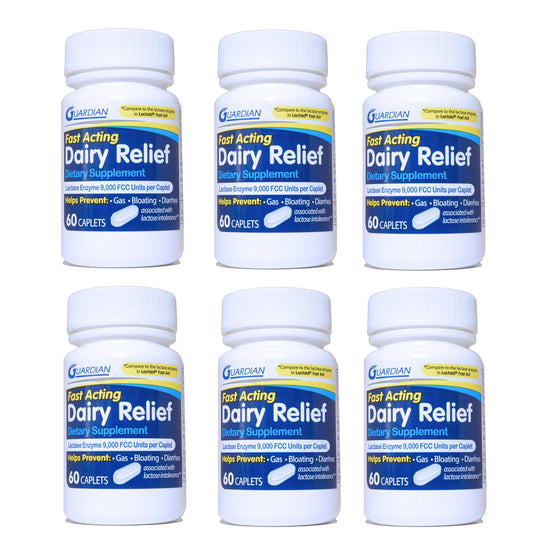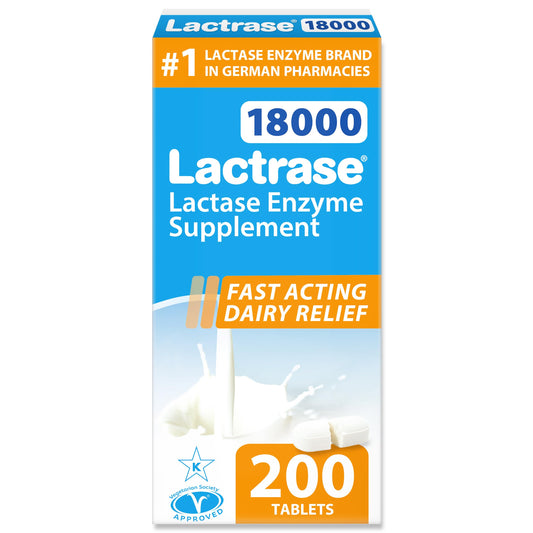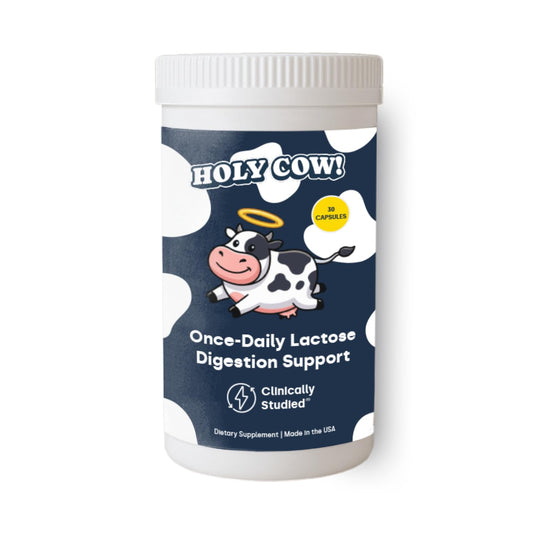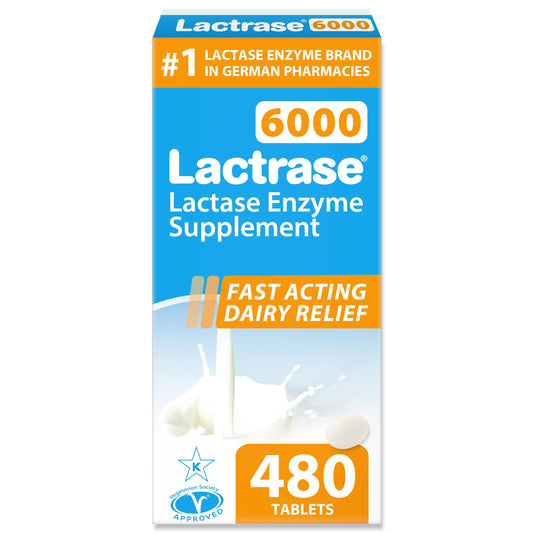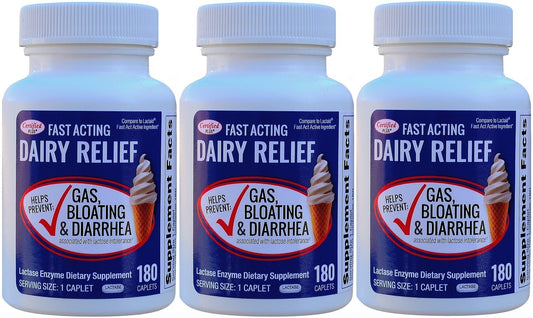



value lactose intolerance medicine collection for travel: fixes & troubleshooting
Travelling with lactose intolerance medicine requires more than tossing a blister pack in your bag. This issue-first article helps UK travellers identify symptoms, apply fast fixes, and troubleshoot common problems with a Lactose Intolerance Medicine Collection at every step of a journey.
Lactose Intolerance Medicine Collection fixes and troubleshooting is the focus of this guide.
Why this troubleshooting guide matters: pain points and quick wins
Many travellers report the same frustrations: unexpected bloating mid-flight, delayed meals that throw off dosing, tablets softened by heat, or uncertainty about whether a chewable will work with a particular dairy dish. The most useful guides start with symptoms and offer clear, practical fixes you can use immediately. I’m an editor who’s covered digestive health and over-the-counter remedies for several years, and I’ve distilled clinical concepts and consumer experience into hands-on advice that’s relevant for UK trips, short breaks and longer travel.
Primary keyword: Lactose Intolerance Medicine Collection fixes and troubleshooting - this guide focuses on diagnosing what’s happening, choosing the right quick fixes, and preventing repeat problems so you can stay comfortable and confident when eating dairy away from home.
Recognising symptoms quickly: the first troubleshooting step
The fastest way to respond is to recognise lactase-deficiency symptoms early. Common signs after eating dairy include:
- Bloating and visible abdominal fullness
- Excess wind or trapped gas
- Stomach cramps or rumbling
- Loose stools or diarrhoea a few hours after the meal
- Urgency to find a toilet
These symptoms can range from mild to severe. If you’ve never had digestive testing, consider whether a short elimination (avoiding lactose for a few days) or a discussion with a GP could confirm intolerance. In-the-moment, assume symptoms are due to lactose and apply conservative measures: fluid, rest and lactase supplementation if you have it to hand.
Immediate fixes when symptoms start on the move
When bloating or cramping begins while travelling, follow a stepwise approach to reduce discomfort and avoid escalation.
- Pause eating and hydrate slowly-sip water to aid digestion and prevent dehydration that can worsen cramping.
- If you carry chewable or fast-acting lactase, take a dose as soon as you recognise symptoms; enzymes can help break down remaining lactose in the gut.
- Move gently: a short walk often helps release trapped gas and eases bloating.
- Use heat if available-warmth on the abdomen (a travel hot-water bottle or a warm shower) can relax muscles and relieve cramping.
- If symptoms are severe or include persistent vomiting, high fever or blood in stools, seek immediate medical attention.
If you don’t have lactase to hand, consider an over-the-counter antispasmodic for cramping (as advised by a pharmacist) and avoid further dairy until symptoms subside.
Packing and preparation: avoid common travel mistakes
Packing smarter avoids many on-the-road problems. Use these travel-tested tips for a lactose intolerance medicine collection:
- Carry a small travel kit with tablets, chewables and a compact instruction note for timing and dosage.
- Store tablets in a rigid case to protect against crushing in luggage and to comply with airport security in the UK.
- Split supplies between hand luggage and checked baggage to avoid being stranded if a bag is delayed.
- Keep a printed or saved copy of the product information and ingredient list in case you need to explain it in a medical setting.
- Plan dosing relative to mealtimes-some products are most effective when taken immediately before eating.
For a convenient place to start building a travel kit, explore thelactose intolerance medicine collection. If budget is a concern, the range includes options that balance cost and speed-learn more in a practicalbudget options guide.
How lactase enzyme technology works: material and science explained
Recommended products:Lactrase Refill Pack - 3,300 FCC Lactase Units, 500 Fast-Acting Tablets - Germany’s #1 Lactase Brand
Most lactose intolerance medicines rely on lactase, a digestive enzyme that splits lactose into glucose and galactose so the intestine can absorb them. Enzyme strength is often expressed in FCC lactase units-this metric reflects activity, not weight. A higher FCC value typically means a product can handle more lactose per dose, which matters if you plan to eat high-lactose meals such as a large glass of milk or certain desserts.
Formulations include tablets, chewables, drops and fast-dissolving forms. Tablets and chewables are convenient for travel; drops are useful when adding to a baby bottle or a hot drink but are less portable. Enzyme performance depends on:
- FCC units (enzyme activity)
- Formulation (fast-acting vs delayed-release)
- Timing (taken before or with food)
- Stability (affected by heat and humidity)
For a portable, high-activity option suitable for travel, consider theLactrase Refill Pack - 3,300 FCC Lactase Units, 500 Fast-Acting Tablets - Germany’s #1 Lactase Brandwhich lists enzyme units and is designed for fast-acting support.
Climate and seasonal impacts on performance
Temperature and humidity affect enzyme stability. High heat and prolonged exposure to sunlight can reduce lactase activity and soften tablets or chewables. Cold, damp conditions may also affect soluble forms or make tablets brittle.
Travel scenarios to watch for:
- Summer breaks in Southern Europe: pack tablets in insulated pouches to avoid heat degradation in cars or beach bags.
- Long-haul flights with checked luggage in hot cargo holds: keep your main supply in hand luggage.
- Rainy or humid destinations: use moisture-proof containers and silica packs to protect against humidity.
Replacing a softened or degraded tablet mid-trip is often possible through a local pharmacy, but planning is easier. Explore the fulllactose intolerance medicine collectionbefore you travel to choose products designed for stability and portability.
Compatibility, fit and performance with different dairy foods
Lactose content varies widely across dairy products. Hard cheese and butter are generally low in lactose, while fresh milk, yoghurt, custard and ice cream are higher. Your choice of lactase product should match what you expect to eat:
- Light snacks with low lactose: a lower dose may suffice.
- Full meals with milk-based sauces or desserts: choose a higher FCC unit product or a double dose as directed.
- Beverages like milkshakes: consider fast-acting formulations to take immediately before intake.
Performance also depends on individual enzyme needs. Some people require higher doses for certain foods; others find chewables give quicker relief. If you’re unsure, try controlled testing on non-travel days-start with a standard dose and note how you react to different portions and food types.
When shopping, compare quality markers such as clear FCC unit labelling, independent testing claims, and user feedback in thelactose intolerance medicine collection.
Safety warnings and usage limits
Recommended products:Lactrase Refill Pack - 3,300 FCC Lactase Units, 500 Fast-Acting Tablets - Germany’s #1 Lactase Brand| Read Lactrase Refill Pack - 3,300 FCC Lactase Units, 500 Fast-Acting Tablets - Germany’s #1 Lactase Brand
Safety first. While lactase supplements are generally well tolerated, follow these precautions:
- Read the product label carefully for recommended dosing and maximum daily doses.
- Do not exceed suggested doses unless instructed by a healthcare professional.
- If you have other digestive conditions (coeliac disease, IBS, IBD) consult your GP before using enzyme supplements regularly.
- Allergens: check for non-active ingredients that may contain gluten, lactose derivatives or other allergens.
- Pregnancy and breastfeeding: discuss use with a midwife or GP to ensure suitability.
If in doubt, bring the package insert to a pharmacist for clarification. For UK travellers, your local pharmacy can advise on interactions with other OTC remedies and provide immediate alternatives if your primary supply is lost.
Maintenance and care checklist for your travel kit
Maintain enzyme potency and pack for performance with this short checklist:
- Store in original blister until needed to protect from humidity.
- Use a hard case for hand luggage to avoid crushing.
- Include silica gel sachets for humidity-prone destinations.
- Check expiry dates before each trip and rotate supplies yearly.
- Keep a printed dosing reminder and allergy information in the case.
- Top up supplies from trusted sources like thelactose intolerance medicine collectionrather than unknown vendors.
Practical vs checklist: choose the right travel-friendly product
Below is a simple table-style checklist to compare options quickly. Use it to note what matters most for your trip.
| Feature | Why it matters | Quick note |
|---|---|---|
| FCC units (enzyme strength) | Higher units work on larger lactose loads | Check label; consider 3,000+ for heavy dairy meals |
| Formulation (tablet, chewable, drops) | Ease of dosing and convenience while eating out | Chewables good for immediate use; tablets for stability |
| Packaging | Protection from moisture and crushing | Blister packs and hard cases recommended |
| Label transparency | Clear dosing and ingredient info builds trust | Prefer clear FCC labelling and ingredient lists |
| Size of supply | How many days the pack covers | Refill packs reduce packing complexity for long trips |
To review products that map to the checklist above, visit the curatedlactose intolerance medicine collection.
Troubleshooting scenarios and step-by-step fixes
Here are common travel scenarios and a clear action plan for each.
Scenario: soft or melted tablets on arrival
Problem: High heat softened tablets in luggage. Fix: Move remaining stock to a cool, dry place immediately. If the active ingredient seems degraded (changed smell or texture), don’t risk dosing-use single-dose alternatives from a pharmacy or a trusted collection such as thelactose intolerance medicine collectionfor replacement options.
Scenario: delayed meals and missed dosing window
Problem: You planned to take lactase before a meal but boarding or delays pushed timing back. Fix: Take a fast-acting formulation or chewable as soon as you can and eat smaller portions to reduce lactose load. If you have access, refer to timing advice in this practical guide onhow to use lactose intolerance medicine properly for dairy meals.
Scenario: strong symptoms despite taking enzymes
Problem: You took a standard dose but still feel severe bloating or diarrhoea. Fix: Consider whether the meal had a very high lactose content or other triggers (fatty foods, FODMAPs). Try a second, guided dose only if the product advises it; otherwise rest, hydrate, and seek pharmacist advice. Keep a symptom diary so you can discuss the episode with your GP if it recurs.
Scenario: airport security or travel regulations
Problem: Worry about carrying tablets or liquids through security. Fix: Tablets and chewables are generally acceptable in hand luggage. Keep them in original packaging if possible and bring a note explaining purpose. For liquids such as enzyme drops, adhere to UK liquid rules for cabin baggage and pack the majority in checked luggage or choose tablet forms from thecollection.
When to see a GP: red flags and next steps
Most lactose-related symptoms are self-limiting and respond to enzymes, but see a GP if you experience any of the following:
Recommended products: Lactrase Refill Pack - 3,300 FCC Lactase Units, 500 Fast-Acting Tablets - Germany’s #1 Lactase Brand
- Symptoms that began suddenly and are severe (e.g., persistent vomiting, fever, bloody stools)
- Weight loss or signs of malabsorption
- Symptoms that don’t fit a typical pattern or don’t improve with standard enzymes
A GP can advise on lactose breath testing, stool tests or refer you to secondary care if needed. Keep records of what you ate, what you took and the timing of symptoms to make consultations more efficient.
Quality and buying tips for UK shoppers
Quality matters when you rely on a supplement for comfort. Look for:
- Clear labelling of enzyme activity (FCC units)
- Transparent ingredient lists and allergy declarations
- User reviews from UK customers describing in-use performance
- Manufacturer information and contact details for questions
Buying from a specialist collection reduces the risk of counterfeit or poorly stored products. Consider browsing thelactose intolerance medicine collectionto compare quality markers and choose what fits your travel style.
Real-world tips from travellers and practical use cases
Consumer experience highlights patterns that clinical info alone can miss. Here are tested travel tactics:
- When eating out, ask the server about milk in sauces-often dishes are dairy-free without being advertised.
- For breakfasts in B&Bs, request milk alternatives for tea and coffee, and use lactase tablets for pastries or yoghurt.
- If you’re at a festival or outdoor event, keep chewables in an inner pocket to avoid heat and crushing in rucksacks.
- For family travel with children who need enzyme drops, pack a small measuring syringe and instructions on using drops with bottles or cups.
If you want concentrated guidance on cost-effective choices for travellers, see the budget-focused breakdown in ourLactose intolerance medicine options on a budget (UK shoppers)article.
Complementary strategies: diet, probiotics and portion control
Enzymes are one tool. Complement them with simple strategies:
- Choose lower-lactose foods (hard cheeses, butter, yoghurt with active cultures).
- Try portion control: smaller amounts of milk may be tolerated without enzyme support.
- Some people find live-culture yoghurts easier to digest due to bacterial lactase activity.
- Probiotics won’t replace lactase for immediate relief, but certain strains may support long-term gut comfort for some individuals.
Short FAQ
How soon before a meal should I take lactase?
Most tablet and chewable forms are taken immediately before eating or with the first bite. Fast-acting formulations are designed to work at mealtime. Follow the product instructions in your travel kit and consider timing tests at home to discover what works best for you.
Can I take more than the recommended dose if I plan to eat a lot of dairy?
Only increase dose according to the product guidance. Some higher-strength products list an adjusted dose for large meals (check FCC units). When in doubt, split the food into smaller portions and use standard doses. Consult a pharmacist for tailored advice.
Are enzyme tablets safe to carry through airport security?
Yes-tablets and chewables are usually allowed in hand luggage in the UK. Keep them in original packaging or a labelled container and carry a note if you anticipate questions. For liquids such as drops, follow cabin liquid rules and prefer solids for carry-on convenience.
Final checklist before you travel
Use this compact checklist to avoid common travel hassles:
- Pack at least two types of formulation (e.g., tablets + chewables) for redundancy.
- Keep a day’s supply in hand luggage and the rest in checked baggage.
- Carry written dosing instructions and allergy info.
- Protect against heat with insulated or inner-luggage storage.
- Bookmark a reliable supplier such as thelactose intolerance medicine collectionfor easy top-ups while travelling.
Related terms covered in this guide include: benefits, features.
Recommended products: Lactrase Refill Pack - 3,300 FCC Lactase Units, 500 Fast-Acting Tablets - Germany’s #1 Lactase Brand