








Eyeglass Cleaning Tissues & Cloths
Keep lenses looking clear and comfortable with a practical range of eyeglass cleaning tissues, lens wipes and reusable microfibre cloths designed for everyday routines in the United Kingdom. Whether you wear prescription glasses, reading glasses or sunglasses, these essentials help remove fingerprints, skin oils, dust, pollen and light makeup residue while minimising lint and streaks. Used correctly, they can also help maintain the appearance of anti-reflective coating, blue light lenses and other coated optical lenses.
Choose pocket-friendly, individually wrapped cleaning tissues for commuting, travel and quick touch-ups, or keep a dedicated microfibre cloth at your desk for regular polishing between meetings and screen time. For best results, match the format to the task: a dry microfibre cloth for light smears and a pre-moistened lens wipe for a fast, fresh finish when you’re out and about.
What’s included in the collection
- Lens cleaning tissues: disposable wipes for on-the-go lens care.
- Microfibre cleaning cloths: reusable cloths for daily buffing and polishing.
- Cleaning wipes: convenient options for shared households and workplaces.
Care tips for clearer vision
Use gentle pressure and wipe in smooth strokes, especially on coated lenses. Avoid kitchen roll or rough tissues that can cause micro-scratches, and keep cloths clean by storing them in a case and washing as recommended. Replace wipes if they dry out and keep a spare set in your bag, car or office drawer. Prices are shown in GBP, helping you compare singles and multipacks for a simple, consistent lens-care routine.
-
Vendor:XFasten
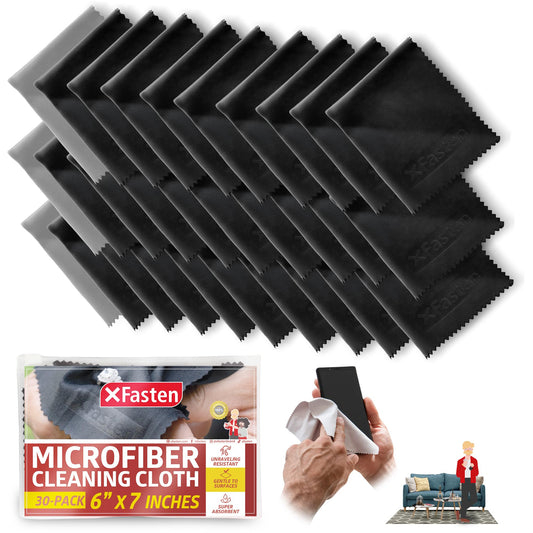
XFasten Microfiber Cleaning Cloths — Pack of 30, 6x7 in, Glasses & Electronics Screen Cleaner
Overview Meet XFasten Microfiber Cleaning Cloths, a practical 30-pack of 6x7 inch cloths designed to simplify cleaning for glasses, camera lenses, phone displays, and other small electronics. The soft, tightly woven fibers glide smoothly across surfaces, delivering a streak-free finish with minimal effort and...- £54.18
- £54.18
- Unit price
- per
-
Vendor:OptiPlus
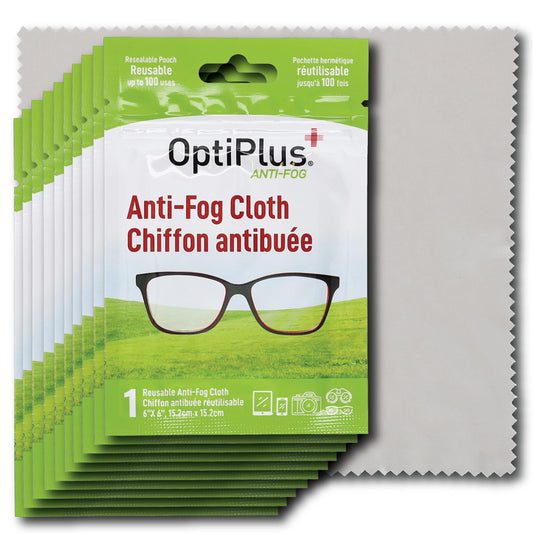
OptiPlus Anti-Fog Cloth Kit – 10 Cloths, Reusable Lens Fog Prevention for All Lenses
Overview OptiPlus Anti-Fog Cloth is a practical, reusable solution designed to keep a wide range of lenses clear. The soft, premoistened fabric delivers a quick, streak-free wipe that helps maintain visibility as you move between different environments, from warm interiors to cooler outdoors. The...- £50.89
- £50.89
- Unit price
- per
-
Vendor:Navona
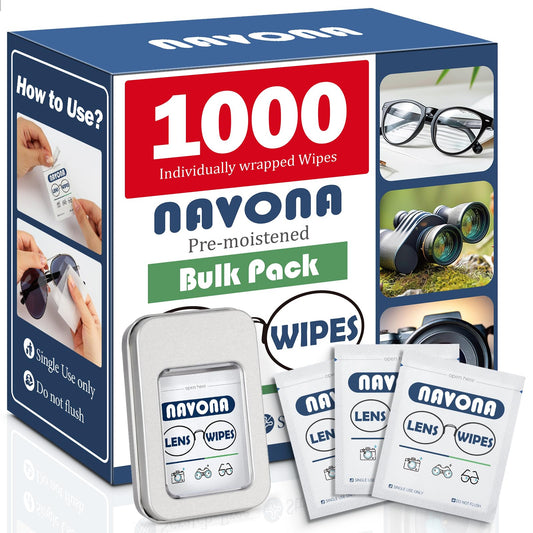
Navona Pre Moistened Lens Wipes for Eyeglasses – 1000 Count, Ammonia-Free, Scratch-Free Cleaning
Crystal-Clear Cleaning for Glasses and ScreensNavona Pre Moistened Lens Wipes offer a fast, hassle-free way to refresh lenses, screens, and optics. Each wipe is designed to lift dust, oils, and smudges in seconds, delivering a clean, streak-free result without harsh rubbing.These wipes are ammonia-free...- £60.46
- £60.46
- Unit price
- per
-
Vendor:Navona
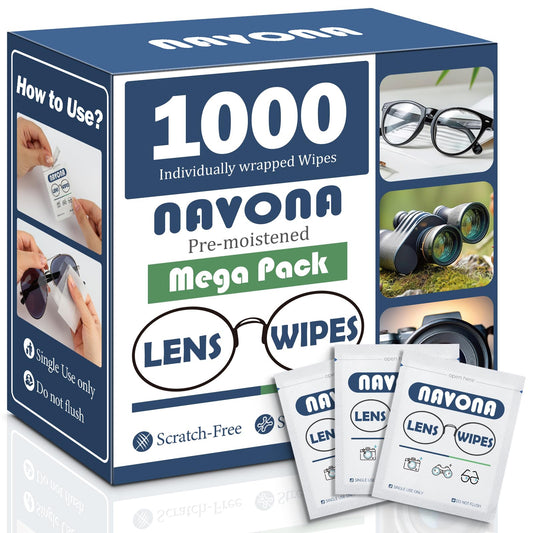
Navona 1000 Count Lens Wipes – Pre-Moistened, Scratch-Free Cleaning for Glasses
Overview Meet Navona 1000 Count Lens Wipes, designed for quick, effective lens refreshes wherever life takes you. Each wipe arrives pre-moistened with a gentle formula that lifts dust, oils, fingerprints, and smudges in seconds. The result is crystal-clear glasses, sunglasses, and camera lenses that...- £58.27
- £58.27
- Unit price
- per
-
Vendor:EOTW
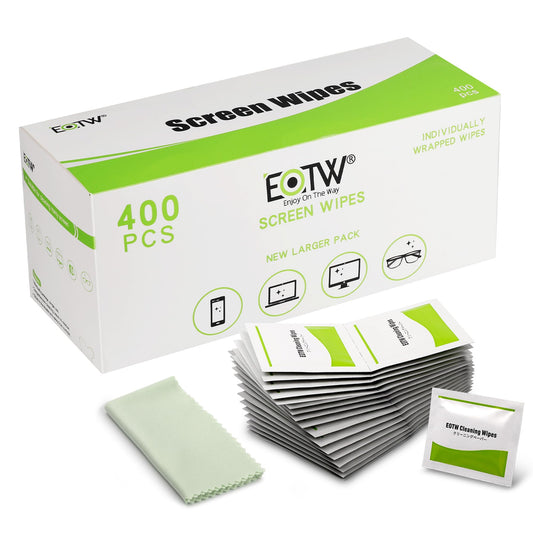
EOTW Screen Wipes – 400 Individually Wrapped Pre-Moistened Cleaning Wipes for Phones & Screens
Effortless screen cleansing for everyday use EOTW Screen Wipes deliver a practical, high‑tech cleaning action designed to lift fingerprints, oils, and smudges without leaving streaks or a hazy residue. In real life, a quick pass can refresh a glossy phone screen after a video...- £56.73
- £56.73
- Unit price
- per
-
Vendor:Maxi Clean
Maxi Clean Glasses Wipes – 600 Pre-Moistened Lens Wipes for Eyewear & Device Screens
Meet Maxi Clean Glasses WipesA ready-to-use kit designed for daily care of eyewear and digital screens. The box holds 600 pre moistened wipes, each individually wrapped to stay moist until you need them. The formula is crafted to remove dust, fingerprints, and light grime...- £57.13
- £57.13
- Unit price
- per
-
Vendor:Calabria
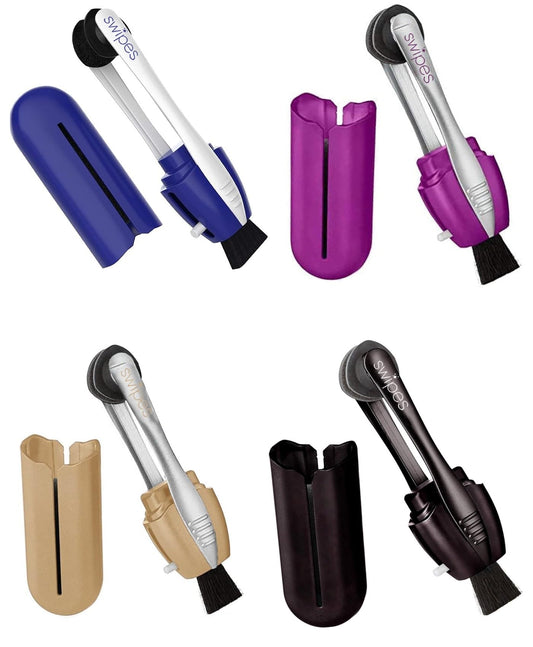
Calabria Swipes Mini Eyeglass Cleaner — Microfiber Lens Cleaner for Glasses (4 Pack)
Meet Calabria Swipes Mini Eyeglass Cleaner Designed for daily wearers and on‑the‑go travelers, Calabria Swipes Mini brings a compact, chemical‑free solution to keeping lenses spotless. This microfiber cleaning tool removes fingerprints, streaks, and smudges with a gentle touch, helping you enjoy a clear view...- £40.98
- £40.98
- Unit price
- per
-
Vendor:Well-Kept
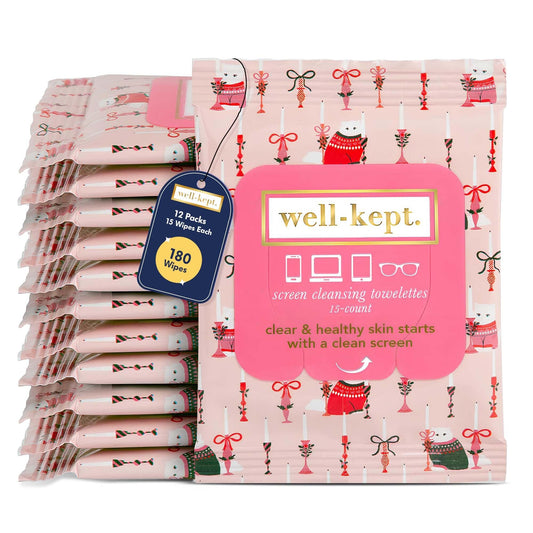
Well-Kept Tech & Lens Wipes – Streak-Free Cleaning for Glasses, Screens & Devices (12 Pack, 180 Wipes)
Clear, convenient cleaning for on-the-go lifestyles Well-Kept Tech & Lens Wipes are designed to deliver quick, streak-free clarity for eyeglasses, phones, tablets, and laptop screens. Each 12-pack contains 180 pre-moistened, lint-free towelettes that dry fast and leave no sticky residue. The compact, resealable packaging...- £98.01
- £98.01
- Unit price
- per
-
Vendor:OPTIPAK
OPTIPAK Anti Fog Wipes for Glasses, Goggles & More | 3 x 350-Count Pack
Clear Vision Anywhere OPTIPAK Anti Fog Wipes are a versatile, ready-to-use solution designed to help you see clearly in a range of conditions. Each wipe is pre-moistened and individually wrapped, delivering a streak-free, defogged view in seconds. The 3 x 350-count pack offers substantial...- £107.58
- £107.58
- Unit price
- per
-
Vendor:Invisible Glass
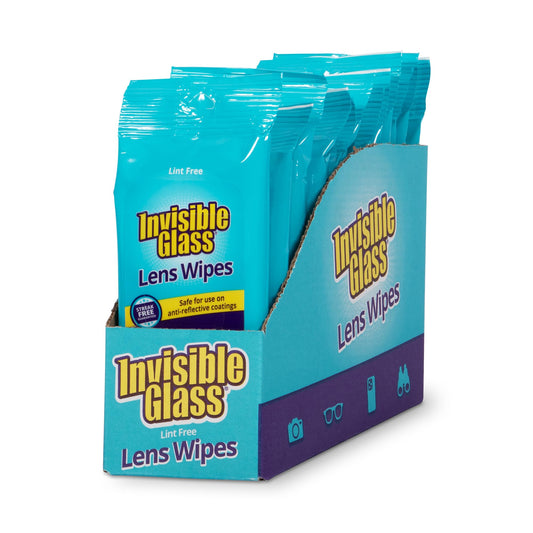
Invisible Glass 90060-12PK Lens Cleaning Wipes | Streak-Free, Lint-Free for Glasses, Camera Lenses, Binoculars & Smartphones | Safe on Reflective Coatings | 16 Count (Pack of 12)
See the world clearly with Invisible Glass Lens Cleaning Wipes See the world clearly with Invisible Glass Lens Cleaning Wipes. These wipes are designed for maximum clarity, delivering streak-free, lint-free results on glasses, camera lenses, binoculars, scopes, and smartphone cameras without leaving residue or...- £58.37
- £58.37
- Unit price
- per
-
Vendor:Well-Kept
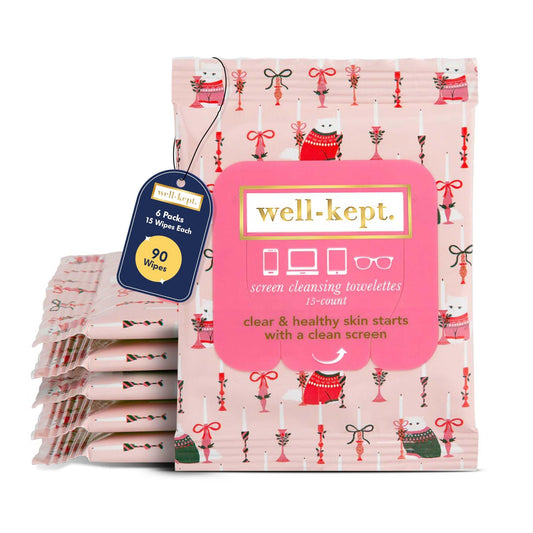
Well-Kept Tech & Lens Wipes – Streak-Free Cleaning for Glasses & Screens (6 Pack, 90 Count)
Well-Kept Tech & Lens Wipes deliver crisp, streak-free clarity in moments. This six-pack contains 90 pre-moistened, lint-free wipes that cover eyeglasses, phone screens, laptops, cameras, and other touchpoints. The compact packs tuck easily into a bag, desk drawer, or car console, so you can...- £58.56
- £58.56
- Unit price
- per
-
Vendor:ZEISS
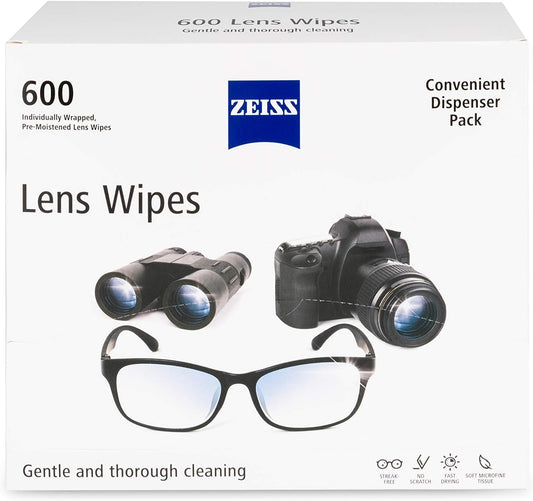
ZEISS Pre-Moistened Lens Cleaning Wipes, 600 Count - Gentle, Safe & Streak-Free
Clear vision anytime, anywhere Keep your eyewear looking crisp with ZEISS Pre-Moistened Lens Cleaning Wipes. The pre-moistened formula is designed to gently lift smudges, oils, and dirt from a wide range of lenses, including prescription glasses and coatings. The result is a light, streak-free...- £67.92
- £67.92
- Unit price
- per
-
Vendor:Well-Kept
Well-Kept Tech & Lens Wipes – 12 Pack, 180 Count | Streak-Free Cleaning for Glasses & Screens
Experience clear, convenient cleansing Well-Kept Tech & Lens Wipes deliver quick, streak-free clarity for everyday devices and eyewear. The 12-pack contains 180 pre-moistened wipes designed to clean eyeglasses, phone screens, laptops, and more. The cheerful rainbow-striped packs with blush-tab closures make it easy to...- £85.66
- £85.66
- Unit price
- per
-
Vendor:Well-Kept
Well-Kept Tech & Lens Wipes – 90 Count, 6-Pack | Streak-Free Cleaning for Glasses & Screens
Overview Discover a versatile cleaning solution with Well-Kept Tech & Lens Wipes. Packaged as a 6-pack containing 90 resealable wipes, these multi-surface wipes are designed for eyeglasses, smartphones, laptops, monitors, and more. The rainbow-striped packs with blush-tab closures are compact enough to tuck into...- £58.56
- £58.56
- Unit price
- per
-
Vendor:Peeps
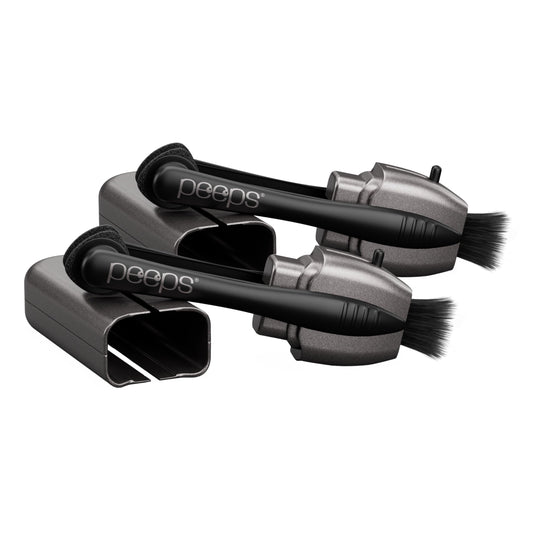
Peeps CarbonKlean Eyeglass Lens Cleaner - 2-Pack, NASA-Grade Carbon Microfiber (500 Uses)
Efficient, Dry-Cleaning Power for Everyday Glasses Meet Peeps CarbonKlean, a next-generation lens cleaner built around carbon microfiber fibers. This dry-cleaning technology lifts fingerprints, smudges, and light grime without liquids or gels, leaving lenses crisp and clear. The approach is designed to be gentle on...- £56.36
- £56.36
- Unit price
- per
-
Vendor:Peeps
Peeps CarbonKlean Eyeglass Lens Cleaner – NASA-Grade Carbon Microfiber, 500 Uses (Rose Gold, 2 Pack)
Peeps CarbonKlean Eyeglass Lens Cleaner combines a compact rose-gold design with groundbreaking carbon microfiber technology to deliver a fast, dry-cleaning solution for glasses, sunglasses, and computer lenses. In a two-pack that travels as easily as a pocket notebook, these cleaners are designed for up...- £56.36
- £56.36
- Unit price
- per
-
Vendor:VOISEN
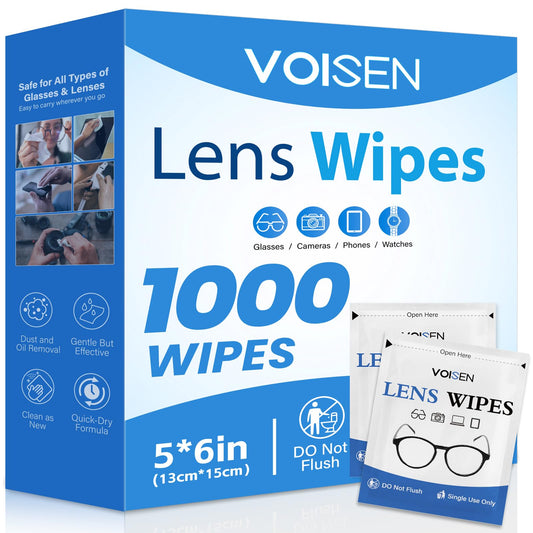
VOISEN Lens Wipes – 1000 Pack Pre-Moistened Eyeglass Cleaner Wipes
OverviewVOISEN Lens Wipes provide a practical cleaning solution for eyeglasses, sunglasses, phones, camera lenses and goggles. This 1000 pack comes with individually wrapped wipes that are pre moistened and designed to provide just enough moisture to lift dirt and fingerprints without dripping. The wipes...- £70.32
- £70.32
- Unit price
- per
-
Vendor:Wipemart
See Clear Original Lens Cleaning Wipes by Wipemart – 192 Pre-Moistened Wipes, Streak-Free
See Clear: A practical solution for clear lenses and screens See Clear Original Lens Cleaning Wipes from Wipemart offer a convenient way to keep glasses, screens, and delicate optics looking clear between cleanings. The kit includes 12 resealable packs, each with 16 pre-moistened wipes,...- £50.89
- £50.89
- Unit price
- per
-
Vendor:PDI
PDI See Clear Eyeglass Cleaning Wipes Case — 1440 Wipes (12 Boxes)
Overview The PDI See Clear Eyeglass Cleaning Wipes come in a versatile case bundle designed to refresh lenses with ease. Safe for eyeglasses, eye protection gear, and other optics, these wipes work with glass and polycarbonate lenses. The anti-static, anti-fog formula dries quickly and...- £117.45
- £117.45
- Unit price
- per
-
Vendor:OPTIPAK
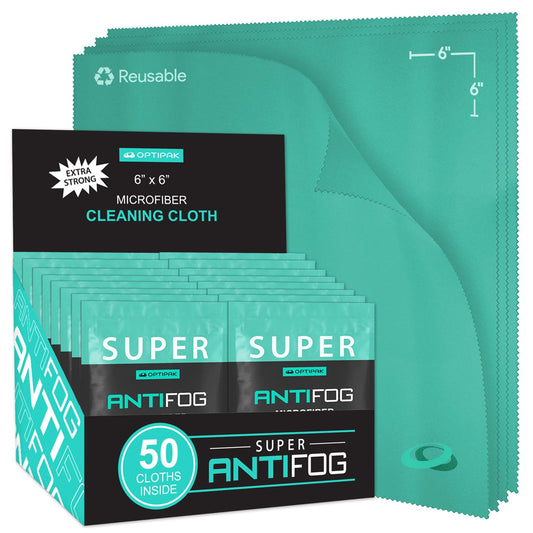
OPTIPAK Anti Fog Microfiber Cleaning Cloth for Glasses – 50 Count, Individually Wrapped
Clear, Defogged Vision on the Go OPTIPAK is an all around lens care solution that combines cleaning with defogging in one soft microfiber cloth. This listing includes 50 individually wrapped cloths, ready for purse, bag, or glove compartment. The cloths are designed for quick,...- £78.29
- £78.29
- Unit price
- per