








Dry Mouth Relief Products
Explore a curated range of dry mouth relief products designed to support everyday oral comfort when your mouth feels dry, sticky or sore. Xerostomia can be linked to medication side effects, dehydration, mouth breathing, stress, or lifestyle factors such as alcohol and caffeine. This collection brings together practical options for home, travel and bedside use, with formats that fit real routines across the United Kingdom and clear value shown in GBP.
Many people notice dryness overnight, during long work calls, after dental procedures, or when wearing braces or aligners. You’ll find gentle oral care essentials that complement daily dental hygiene and help maintain moisture between sips of water. Choose from saliva substitute solutions, moisturising gels, soothing mouth sprays, and convenient lozenges made for on-the-go use.
Choose the right format
Different formats suit different moments. Consider when dryness is most noticeable and how long you need relief. Products in this collection commonly support:
- Bedtime comfort and reduced morning dryness
- Daytime freshness for commuting, meetings and travel
- Targeted soothing for dry, sensitive oral tissues
- Support alongside fluoride toothpaste, mouthwash and routine oral care
Support your daily routine
For best results, pair your chosen product with regular hydration, sugar-free gum where suitable, and an oral care routine that helps protect enamel and gums. If symptoms are persistent, speak with a pharmacist, dentist or GP—especially if you notice sore throat, bad breath, difficulty swallowing, or recurrent mouth ulcers. Use this collection to compare dry mouth relief products quickly and select the format that fits your routine.
-
Vendor:Oracoat
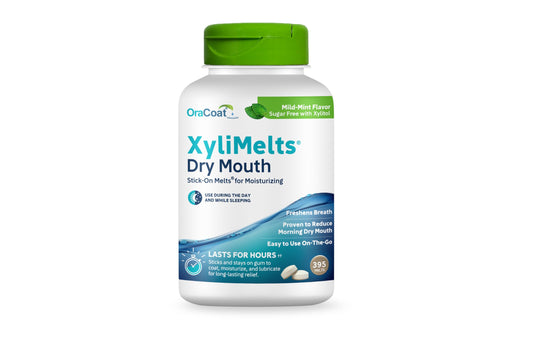
Oracoat XyliMelts Dry Mouth Discs – 8-Hour Relief, Sugar-Free Xylitol, Mild Mint
Overview OraCoat XyliMelts Dry Mouth Stick-On Melts offer a discreet way to soften dry mouth sensations with a comfortable, mouth-friendly design. These small, vegan discs adhere to teeth or gums and slowly release xylitol, a sugar-free sweetener, to support moisture and a fresher breath...- £89.25
- £89.25
- Unit price
- per
-
Vendor:Allday
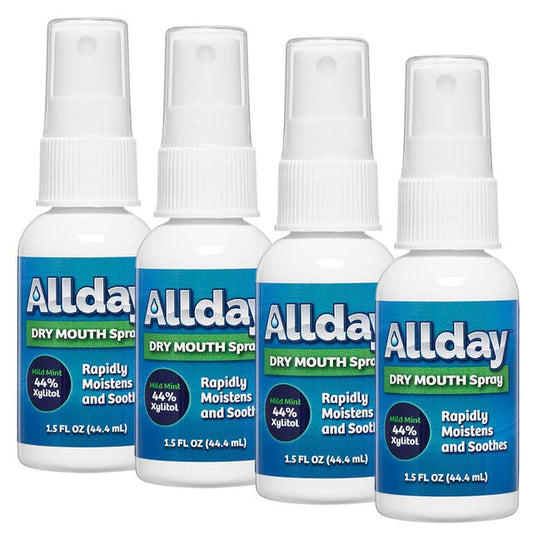
Allday Dry Mouth Spray - Maximum Strength Xylitol, Fast Acting, Non-Acidic (Pack of 4)
Allday Dry Mouth Spray delivers a compact, maximum-strength solution designed to ease dry mouth sensations with a refreshing mist. Perfect for busy days, it can provide quick moisture, support a comfortable mouthfeel, and leave breath feeling fresh during meetings, commutes, or social moments. The...- £49.23
- £49.23
- Unit price
- per
-
Vendor:biotène
Biotène Moisturizing Mouth Spray 1.50 oz – Pack of 12
Biotène Moisturizing Mouth Spray delivers instant moisture for day-long comfort in a compact, travel-friendly bottle. Each 1.50 oz spray provides a swift mist that refreshes your mouth when it needs it most, helping you feel prepared for everyday activities. The pack of 12 ensures...- £123.85
- £123.85
- Unit price
- per
-
Vendor:Periovance
Periovance Dry Mouth Gel (3 Pack) – On-the-Go Moisturizing Relief
Overview Periovance Dry Mouth Oral Moisturizing Gel comes in a convenient 3-pack, designed to help hydrate and soothe dry mouth with an enzyme-rich formula that mimics natural saliva. The compact minis are built for busy days, travel, and everyday moments when moisture would feel...- £72.81
- £72.81
- Unit price
- per
-
Vendor:WATER DENT
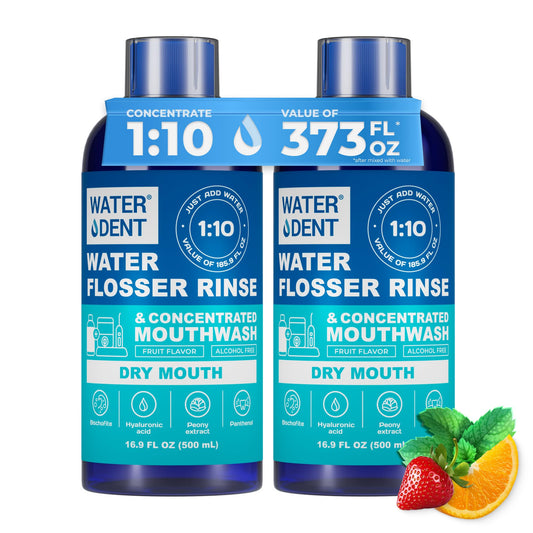
Water Dent Concentrated Irrigant for Dry Mouth – 186 fl oz (2-Pack) Mint & Fruit Flavor | Alcohol & Fluoride Free | Made in USA
Meet WATER DENT Concentrated Irrigant, designed to elevate your water flosser routine while helping soothe dry mouth with a hydrating blend. This non-medicine rinse brings a light mint and fruity aroma that stays gentle on the senses, making daily rinsing feel refreshing rather than...- £87.87
- £87.87
- Unit price
- per
-
Vendor:DOOLITTLE
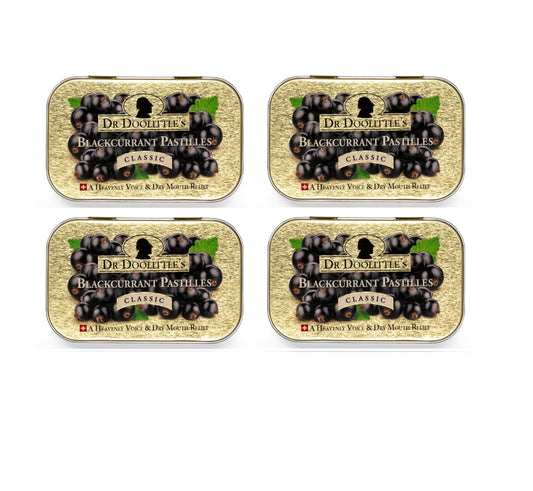
DOOLITTLE Dr Classic Soft Fruit Pastilles – Blackcurrant Flavor, 4 Pack Tin
Discover DOOLITTLE Dr Classic Soft Fruit Pastilles These soft pastilles bring a fruity blackcurrant flavor with a chewy, gummy-like texture, offering a pleasant alternative to hard throat lozenges. Crafted in Switzerland with alpine herbs, they blend time-honored technique with modern flavor for everyday enjoyment....- £59.61
- £59.61
- Unit price
- per
-
Vendor:DOOLITTLE
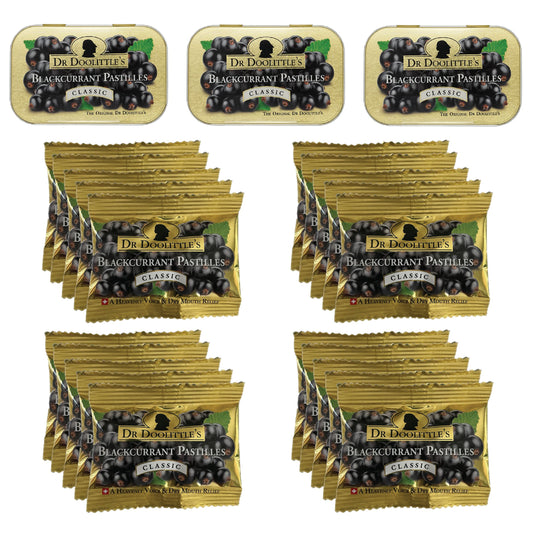
DOOLITTLE Dr Classic Soft Fruit Pastilles — Blackcurrant Flavor | 2.12 oz Tin, 3-Pack & 0.33 oz Travel Bags (20 Count)
Experience DOOLITTLE Dr Classic Soft Fruit Pastilles If you’ve ever woken with a dry throat, a strained voice, or a tickle that won’t quit, these soft fruit pastilles offer a non-medicated, flavorful option designed to feel gentle in the mouth. Made in Switzerland with...- £62.90
- £62.90
- Unit price
- per
-
Vendor:DOOLITTLE
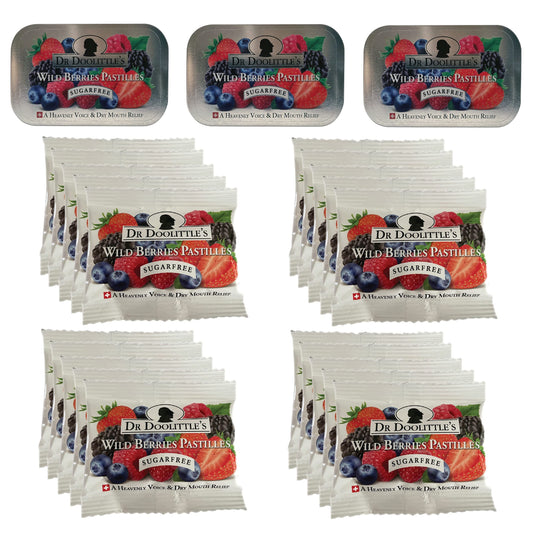
Dr Doolittle's Sugar Free Soft Fruit Pastilles — Wild Berries | DOOLITTLE
Scratchy throat, strained voice, or dry mouth can disrupt a busy day. Dr. Doolittle's Sugar Free Soft Fruit Pastilles offer a natural, tasty option that works like a throat lozenge but with a softer, chewy bite. Built on a decades‑old English recipe and enhanced...- £62.90
- £62.90
- Unit price
- per
-
Vendor:GRETHER'S
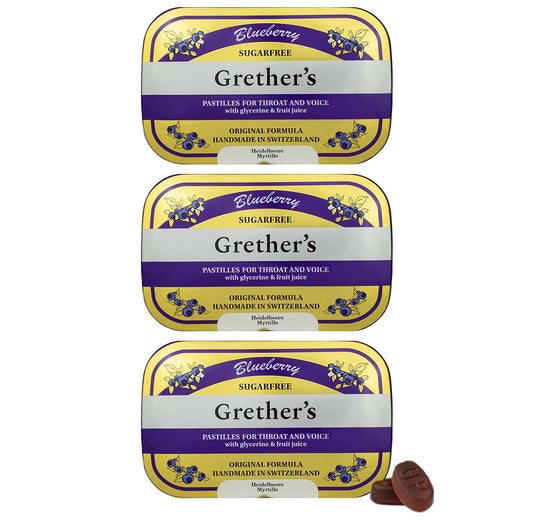
GRETHER'S Sugarfree Blueberry Pastilles – Swiss Throat Lozenges for Dry Mouth & Voice Comfort – Gluten & Lactose Free – Gift for Singers – 3.75 oz, 3 Pack
Premium Swiss Sugarfree Blueberry Pastilles Experience GRETHER'S Sugarfree Blueberry Pastilles, crafted in Switzerland to deliver a smooth, sugar-free throat pastille with a naturally fruity blueberry flavor. Free from menthol, these pastilles are designed to comfort dryness and support natural mouth moisture, making them a...- £61.85
- £61.85
- Unit price
- per
-
Vendor:GRETHER'S
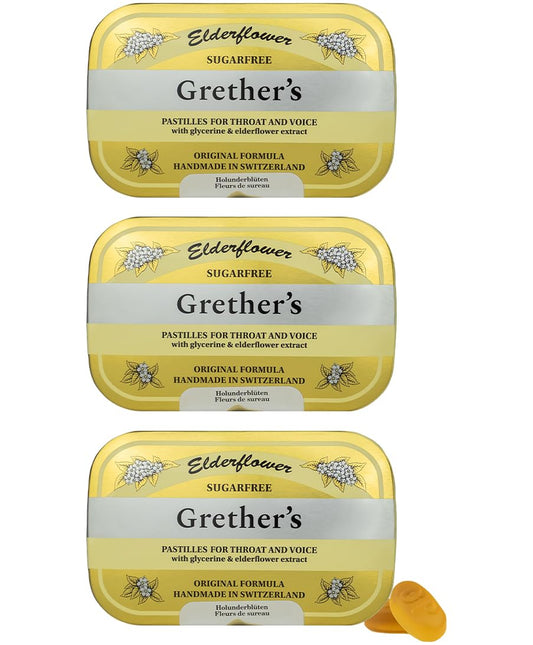
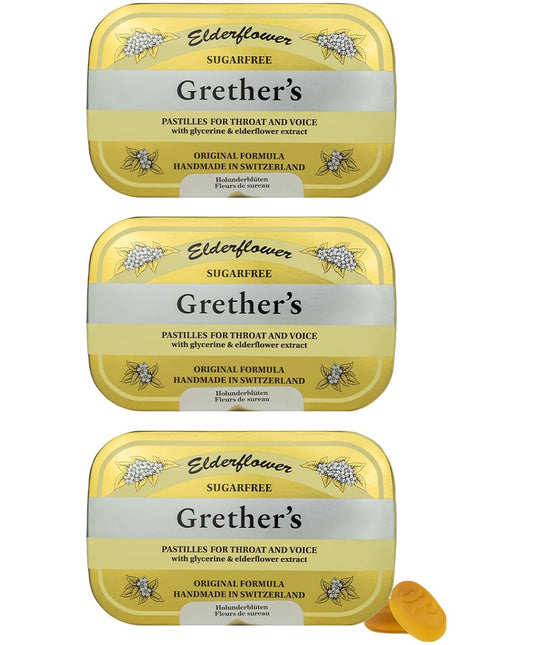
GRETHER'S Sugarfree Elderflower Pastilles – Premium Swiss Throat Lozenges (Gluten & Lactose Free)
Premium Swiss sugar-free elderflower pastilles GRETHER'S Sugarfree Elderflower Pastilles deliver a refined, floral experience without sugar, crafted in Switzerland for a smooth, comforting texture. The blend combines natural elderflower essence with apple juice concentrate and lemon balm, finished with glycerin to help coat and...- £61.85
- £61.85
- Unit price
- per
-
Vendor:DOOLITTLE
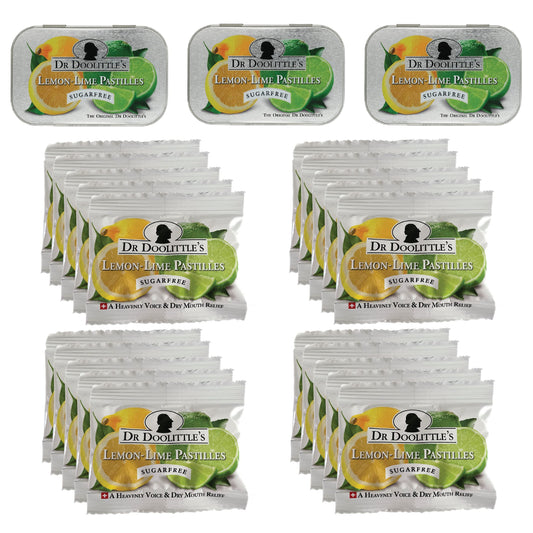
DOOLITTLE Dr Sugar Free Soft Fruit Pastilles Lemon Lime Flavor, 20 Pack (Tin + Travel Size)
Delicious, sugar‑free pastilles with a bright lemon lime twist Meet DOOLITTLE Dr Sugar Free Soft Fruit Pastilles in Lemon Lime, a flavorful, sugar‑free option designed for everyday mouth moisture and a pleasant, fruity experience. Made in Switzerland with alpine herbs and 100% fruit extracts,...- £62.90
- £62.90
- Unit price
- per
-
Vendor:biotène
Biotene Oralbalance Dry Mouth Gel – Moisturizer, 1.50 oz (Pack of 5)
Overview Biotene Oralbalance Dry Mouth Gel delivers targeted moisture to dry oral tissues with a concentrated, soothing formula. While outcomes vary by person, many users experience hours of relief after applying the gel, helping maintain comfort during daily activities. Key benefits Concentrated formula Soothing...- £56.24
- £56.24
- Unit price
- per
-
Vendor:Serovital
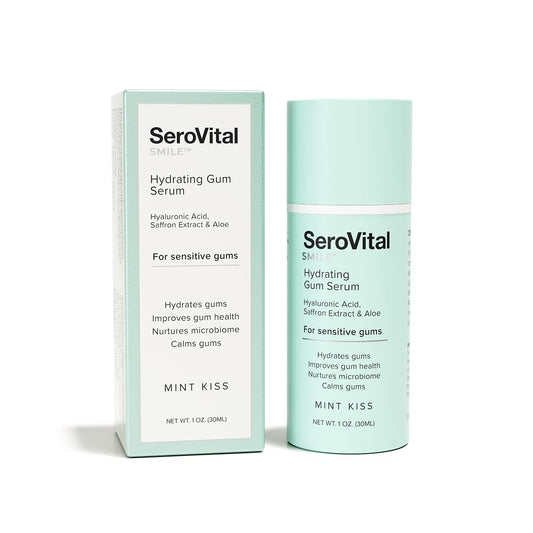
Serovital Smile Hydrating Gum Serum – Hydrate Gums & Nurture Your Microbiome | Mint Kiss 1 oz
Hydration for Gums, Skincare‑Inspired Oral Care Serovital Smile Hydrating Gum Serum brings skincare‑grade hydration to your gum line. Formulated for sensitive and dry gums, this night‑time serum blends hyaluronic acid, aloe vera, vitamin E, saffron extract, and plant‑based prebiotics. The Mint Kiss fragrance adds...- £55.29
- £55.29
- Unit price
- per
-
Vendor:Natures Craft
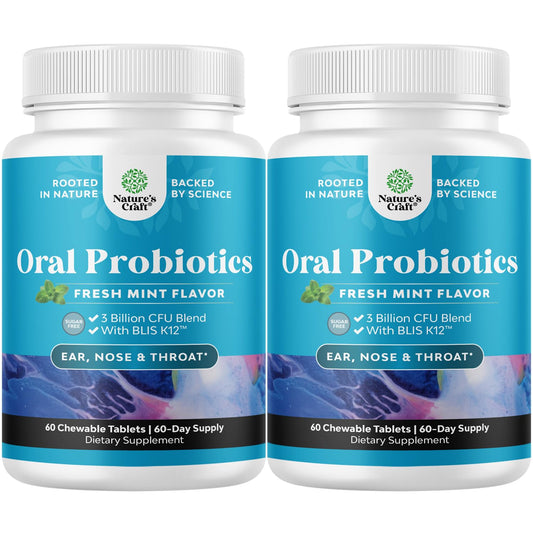
Natures Craft Oral Probiotics with BLIS K12 – Mint Chewable Lozenges, 3 Billion CFU, 120 Count
Minty fresh oral probiotics you can actually use Discover a convenient way to support everyday oral wellness with Natures Craft Oral Probiotics. Each lozenge delivers 3 Billion CFU of BLIS K12, a probiotic strain designed for mouth health. The blend also incorporates supporting strains...- £53.08
- £53.08
- Unit price
- per
-
Vendor:Oracoat
Oracoat XyliMelts Dry Mouth Relief Discs — Xylitol, 8-Hour Moisturizing, Sugar-Free
Oracoat XyliMelts Dry Mouth Relief Discs provide discreet, stick-on moisture when you need it most. The unique adhesive discs attach to gums or teeth, delivering a natural, sugar-free solution that travels with you from day into night. With a slightly sweet taste and a...- £89.25
- £89.25
- Unit price
- per
-
Vendor:OraMD
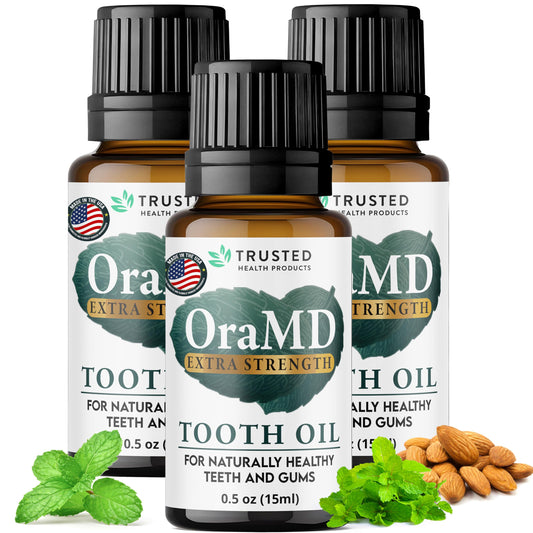
OraMD 4-in-1 Extra Strength Tooth Oil – All-Natural, Fluoride-Free Gum Health (3 Pack)
Overview OraMD 4-in-1 Extra Strength Tooth Oil combines a thoughtful blend of natural oils into a compact, fluoride-free formula designed to fit seamlessly into your daily routine. Packaged as a 3‑pack, this product emphasizes a clean, minty aroma and a silky texture that users...- £111.16
- £111.16
- Unit price
- per
-
Vendor:biotène
Biotène Oral Balance Gel 1.5 oz – Pack of 4
Overview Biotène Oral Balance Gel offers the most concentrated formula in the Biotène family, designed to deliver longer-lasting moisture when dry mouth makes everyday moments feel less comfortable. The gel glides on smoothly and dries clear, leaving a light, refreshing feel that supports comfortable...- £50.89
- £50.89
- Unit price
- per
-
Vendor:GRETHER'S
GRETHER'S Sugarfree Elderflower Pastilles – Premium Swiss Throat Lozenges, Gluten & Lactose Free
Discover GRETHER'S Sugarfree Elderflower Pastilles, a premium Swiss throat lozenge set crafted for everyday dryness and gentle vocal comfort. This 3-pack features three reusable tins, each weighing 2.1 oz and holding 24 pastilles. The elderflower essence blends with apple juice concentrate and lemon balm...- £48.70
- £48.70
- Unit price
- per
-
Vendor:LIQUIDHEALTH
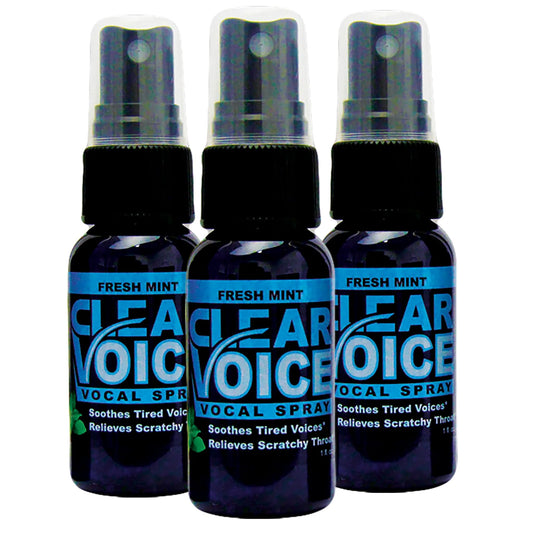
LIQUIDHEALTH Clear Voice Vocal Throat Spray – Singing Ease, Voice Clarity, USA Made 3-Pack (Fresh Mint)
Experience LIQUIDHEALTH Clear VoiceLIQUIDHEALTH Clear Voice Vocal Throat Spray is a USA-made herbal spray designed to help soothe irritation, itching, and scratchiness in the throat, so you can focus on your performance. The refreshing Fresh Mint formula offers a cooling touch as you sing,...- £45.37
- £45.37
- Unit price
- per
-
Vendor:DOOLITTLE
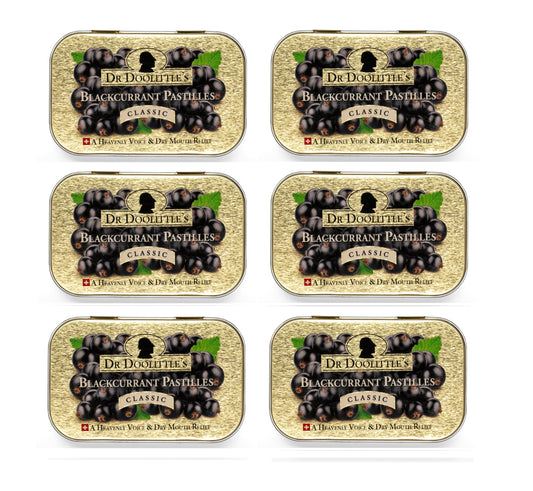
Dr. Doolittle’s Blackcurrant Soft Fruit Pastilles – 2.12 oz Tin, 25 Pastilles, 6 Pack | DOOLITTLE
Soft, fruit-forward pastilles for everyday throat comfort Dr. Doolittle’s Blackcurrant Soft Fruit Pastilles pair a gentle, chewy texture with a naturally sweet fruit flavor. Each 2.12 oz tin holds about 25 pastilles, and the 6-pack option makes it easy to keep a comforting treat...- £78.24
- £78.24
- Unit price
- per