








Dong Quai Herbal Supplements Collection
This curated collection focuses on Dong Quai (Angelica sinensis) herbal supplements selected for clear labelling and consistent, easy-to-compare formats. Rooted in traditional Chinese herbalism, Dong Quai is a widely recognised botanical that many people explore as part of a modern wellness routine. Here you’ll find both single-herb options and blended formulas, allowing you to choose between a simple daily capsule or a broader botanical approach.
Designed for shoppers in the United Kingdom, each product is presented with practical details to support informed choices: ingredient lists, suggested serving size, capsule count, and key information such as botanical extract notes where provided. Prices are shown in GBP, so you can quickly compare strength and value across the range. Related terms you may see throughout this collection include Chinese herbalism, botanical extract, herbal capsules, women’s wellness, and traditional use context.
Pick the right supplement format
Your preferred format often comes down to routine, sensitivities, and whether you want Dong Quai on its own or combined with complementary herbs. Consider how the supplement fits alongside your existing Supplements and Vitamins.
- Single-ingredient Dong Quai capsules for straightforward use
- Blended herbal formulas featuring complementary botanicals
- Clear guidance on serving size and capsule count
- Options that can sit alongside vitamins and minerals
Quality cues and responsible use
Look for transparent Supplement Facts, allergen notes, and clear botanical naming (including Angelica sinensis). If you are pregnant, breastfeeding, taking anticoagulants, or managing a medical condition, seek professional advice before use. Many shoppers pair herbal choices with adjacent categories such as Minerals & Supplements, Digestive Supplements, or Sleep Supplements depending on personal goals.
-
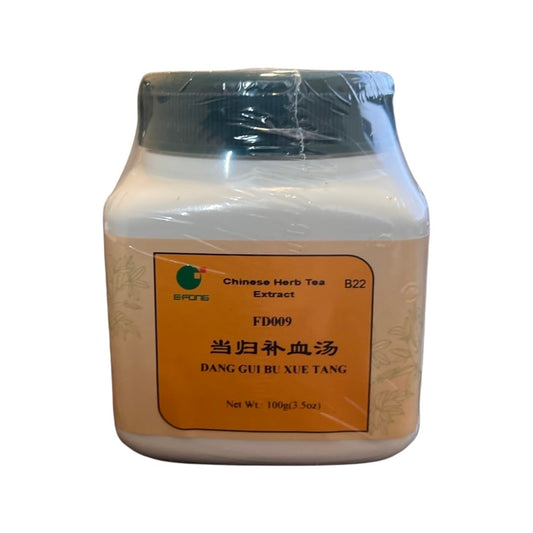
Vendor:E-Fong
Dang Gui Bu Xue Tang – Dong Quai & Astragalus Blend (100g) by E-Fong
Overview Discover E-Fong's Dang Gui Bu Xue Tang, a traditional herb blend featuring Dong Quai (Dang Gui) and Astragalus in a concentrated 5:1 formula. Packaged in a 100 g jar, this 100g(5:1) Concentrated Herb Formulas presentation preserves the character of each herb while offering...- £55.23
- £55.23
- Unit price
- per
-
Vendor:PURE ESSENCE LABS
JointEssence by Pure Essence Labs – Natural Joint Support for Men & Women, Non-GMO, 60 Vegetarian Capsules
Pure Essence Labs JointEssence is a natural, plant-forward joint support supplement designed for men and women who value clean ingredients. The vegetarian capsules are non-GMO and crafted to fit into a daily wellness routine without fuss, making it a convenient addition to a busy...- £68.15
- £68.15
- Unit price
- per
-
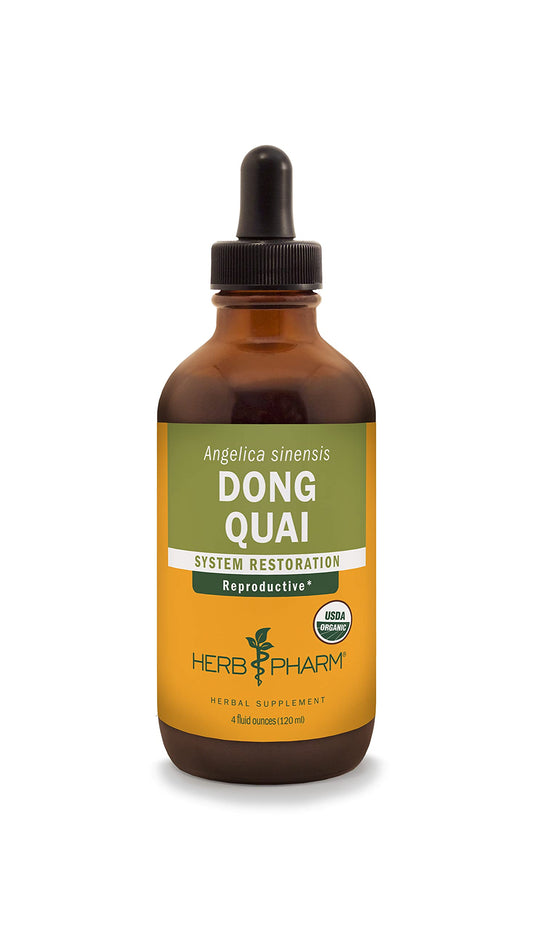
Vendor:Herb Pharm
Herb Pharm Dong Quai Liquid Extract for Female Reproductive Support – 4 oz
OverviewHerb Pharm Dong Quai Liquid Extract is designed to support healthy function of the female reproductive system through a carefully prepared Angelica sinensis root extract. Each batch begins with autumn-harvested roots sourced directly from China, then tested and thoroughly extracted to maximize the bioactive...- £48.00
- £48.00
- Unit price
- per
-
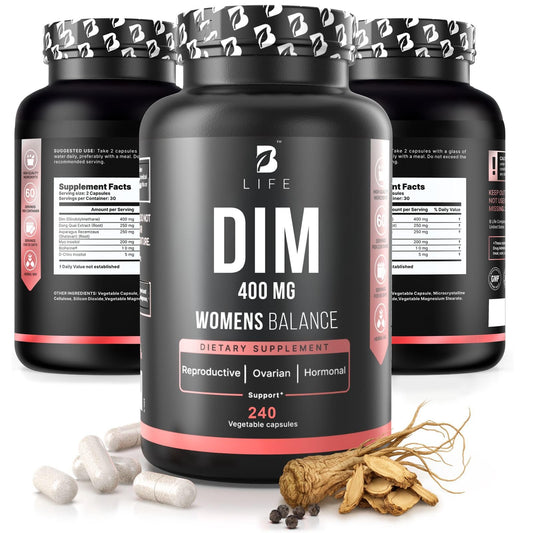
Vendor:B Life Company
B Life Company DIM 400 mg with Myo & D-Chiro Inositol, Dong Quai | Hormone Balance for Women | 240 Caps
OverviewB Life Company’s DIM Supplement offers a thoughtful blend designed for daily wellness and hormone balance. Each capsule combines 400 mg of DIM with Myo-Inositol and D-Chiro Inositol, plus Dong Quai, creating a convenient routine that may support cycle rhythm and ovarian health as...- £47.48
- £47.48
- Unit price
- per
-
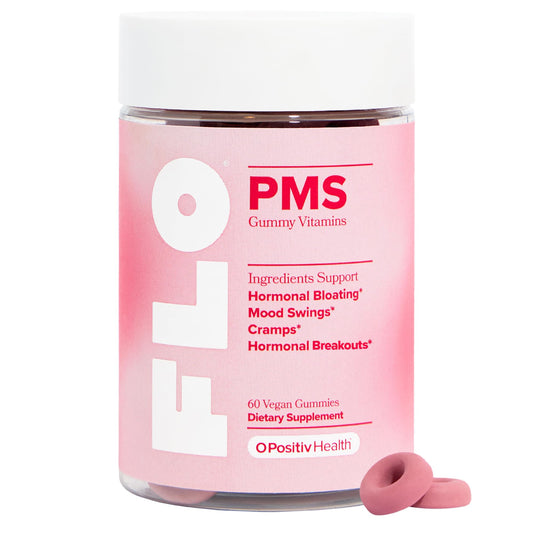
Vendor:O Positiv
O Positiv FLO PMS Gummies for Women – Proactive PMS Relief with Chasteberry, Vitamin B6 & Lemon Balm
Meet FLO PMS Gummies O Positiv FLO PMS Gummies offer a plant-based daily vitamin approach designed to address common PMS experiences with a proactive mindset. This flexible formula blends botanical ingredients with essential nutrients to fit into a busy, ever-changing lifestyle. How FLO PMS...- £44.29
- £44.29
- Unit price
- per
-
Vendor:O Positiv
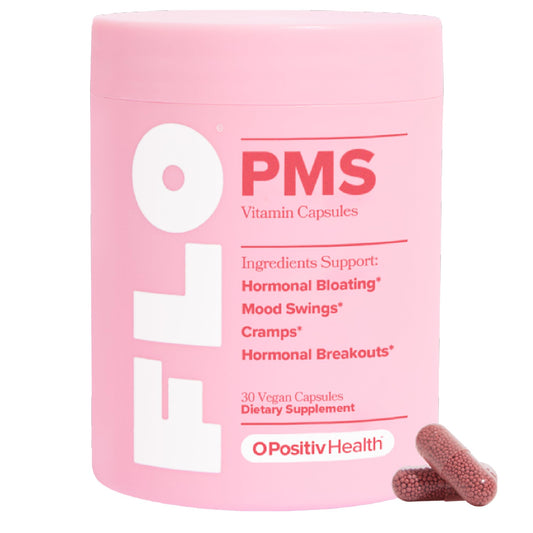
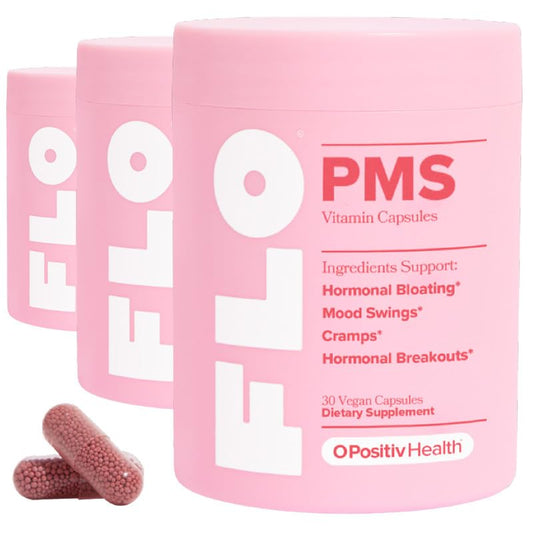
O Positiv FLO PMS Vitamins for Women – Proactive PMS Relief with Chasteberry, Vitamin B6 & Lemon Balm | 30 Servings
What is FLO PMS Relief?O Positiv FLO PMS Relief is a plant-based daily vitamin designed to support common PMS experiences. Each capsule blends botanicals and essential nutrients to align with your cycle, featuring Chasteberry, Dong Quai, Vitamin B6, and Lemon Balm. The formula is...- £44.29
- £44.29
- Unit price
- per
-
Vendor:Happy Healthy Hippie
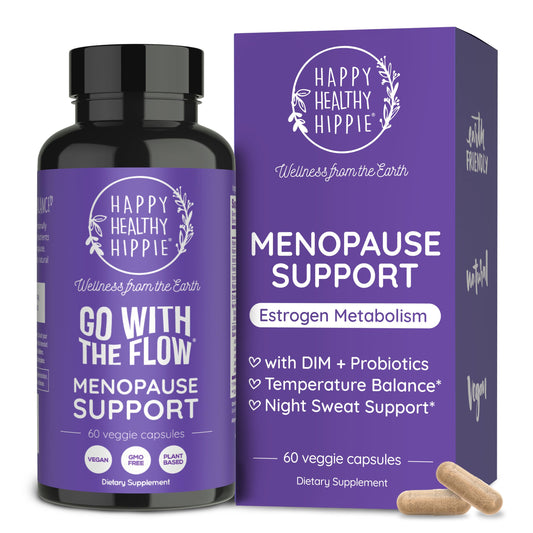
Happy Healthy Hippie Go With The Flow – Menopause DIM + Probiotics (60 ct)
Overview Go With The Flow Menopause from Happy Healthy Hippie is a plant‑based supplement designed to support you during the menopausal transition. By pairing a high‑quality DIM with a robust probiotic blend and botanical notes, this formula aims to offer balanced daily support for...- £43.18
- £43.18
- Unit price
- per
-
Vendor:Plum Flower
Plum Flower The Great Mender Teapills (Jin Gu Die Shang Wan) – 200 Pills
Plum Flower presents The Great Mender Teapills Jin Gu Die Shang Wan, a traditional herbal formula packaged as convenient pills in a 200 pill bottle. Designed for an active, everyday lifestyle, the blend brings a calm, earthy presence to your routine. Opening the bottle...- £40.11
- £40.11
- Unit price
- per
-
Vendor:Natures Craft
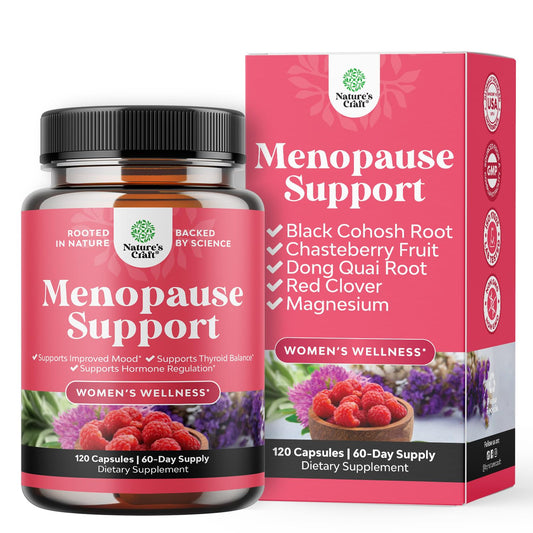
Natures Craft Complete Herbal Menopause Supplement | Hormone Balance Capsules (120 Count)
Balanced support from a trusted herbal blend During perimenopause and menopause, many people notice shifts in mood, sleep, and comfort. This Natures Craft formula brings together time-honored botanicals with essential vitamins to offer a gentle, natural approach to hormonal balance. While individual results vary,...- £42.12
- £42.12
- Unit price
- per
-
Vendor:SOLARAY
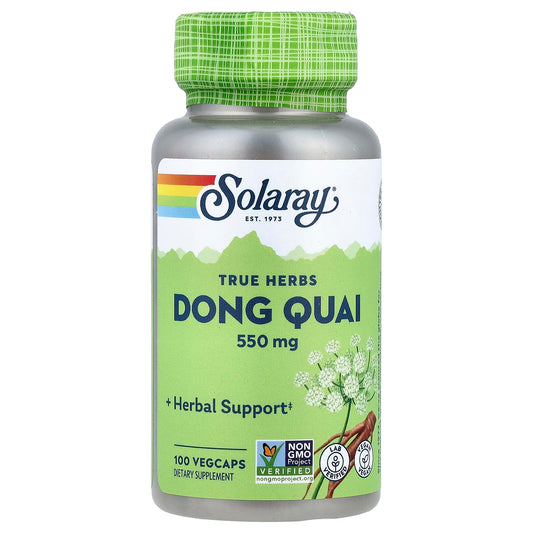
SOLARAY Dong Quai Root 550mg – Cycle & Menopause Support | 180 Capsules | Non-GMO, Vegan & Lab Verified
Overview SOLARAY Dong Quai Root 550mg offers a plant-based approach to supporting women's wellness through menstrual cycles and menopausal transitions. The formula centers on the whole root, preserving a broad profile of nutrients rather than a single component. The earthy aroma and gentle herbal...- £40.59
- £40.59
- Unit price
- per
-
Vendor:O Positiv
O Positiv FLO PMS Vitamins for Women – 90 Servings (3 x 30) | Proactive PMS Relief with Chasteberry, B6 & Lemon Balm
Overview Meet FLO PMS Relief Gummies from O Positiv—a plant-based daily vitamin designed to support common PMS experiences. This trio of bottles delivers 90 servings, built to fit a regular, easy-to-remember routine. While individual results vary, many users report noticing shifts in cycle comfort...- £101.31
- £101.31
- Unit price
- per
-
Vendor:Natures Craft
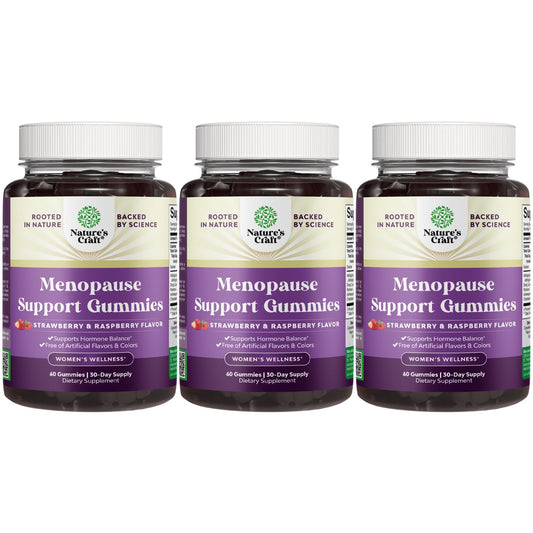
Natures Craft Women's Menopause Gummies with Dong Quai – Ashwagandha & Black Cohosh, 60 Count, 3 Pack
Holistic support in a delicious gummy Navigating menopause can feel smoother with a daily treat engineered for convenience and taste. Natures Craft Women's Menopause Gummies with Dong Quai blend traditional herbs with essential vitamins to offer natural, flexible support through pre, during, and post...- £65.14
- £65.14
- Unit price
- per
-
Vendor:HERBAMAMA
HERBAMAMA Dong Quai Supplement for Women – Vegan Angelica Root Tincture for Mood & Calm Support, Non-GMO, Alcohol & Sugar-Free, 28-Day
Discover a simple, plant-based approach to daily well-being Herbamama’s Dong Quai tincture brings together Angelica sinensis root with a clean, glycerin-based formula to offer gentle support for women’s everyday balance. Crafted to be taste-friendly without added sugar, this vegan and non-GMO tincture is alcohol-free,...- £41.03
- £41.03
- Unit price
- per
-
Vendor:Vitanica
Vitanica PMS Tonic – Premenstrual Support (Vegan, 4 oz)
Overview Vitanica PMS Tonic is a vegan blend designed to support common premenstrual experiences. The formula combines traditional herbs with careful manufacturing to offer a natural option for those seeking balance during the menstrual cycle. The experience is gentle and approachable, emphasizing sensory cues...- £42.12
- £42.12
- Unit price
- per
-
Vendor:Vitanica
Vitanica PMS Tonic – Premenstrual Support with St. John’s Wort, Dong Quai & Chaste Tree Berry | Vegan 4 oz
Gentle, herb-forward support for your cycle Vitanica PMS Tonic is a carefully balanced blend designed to accompany the days before your period. The herb matrix is chosen to feel approachable in daily use, with a fragrance of subtle earth and blooming notes as you...- £42.12
- £42.12
- Unit price
- per
-
Vendor:BulkSupplements
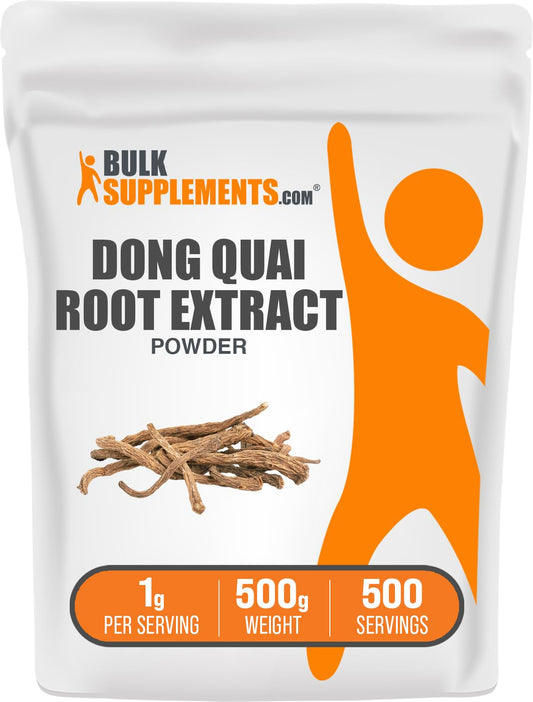
BulkSupplements Dong Quai Root Extract Powder – 1 g Serving, 500 g | Vegan & Gluten Free
OverviewDiscover BulkSupplements Dong Quai Root Extract Powder, a fine, earthy powder sourced from the Angelica sinensis root. Each serving is designed for simple measurement and easy integration into your daily routine, packaged in a generous 500 g container that yields many 1 g servings.Its...- £41.01
- £41.01
- Unit price
- per
-
Vendor:Happy Healthy Hippie
Happy Healthy Hippie Go With The Flow: Hormone Balance for Women 180 Count – PMS Support, Menopause & Perimenopause | Vegan, Non-GMO
Soft, support-driven hormone balance for women Go With The Flow is a vegan herbal blend designed to complement your routine as you navigate PMS, perimenopause, and menopause. While not a medical claim, the formula brings together four well-known herbs to provide comfort during monthly...- £88.11
- £88.11
- Unit price
- per
-
Vendor:Wild & Organic
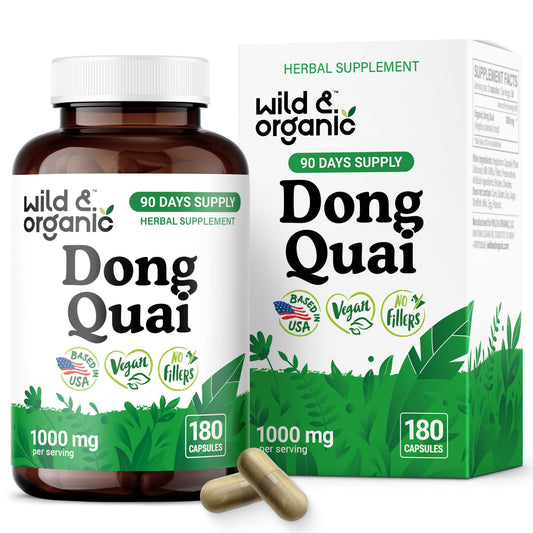
Wild & Organic Dong Quai Capsules 1000 mg | Menopause Support - 180 Count
Product at a glance Wild & Organic Dong Quai Capsules deliver 1000 mg of dong quai powder per serving, crafted for women navigating perimenopause and menopause. This herbal option leans on a natural, plant-based approach, with a vegan-friendly capsule design that aims to fit...- £54.18
- £54.18
- Unit price
- per
-
Vendor:NEW AGE
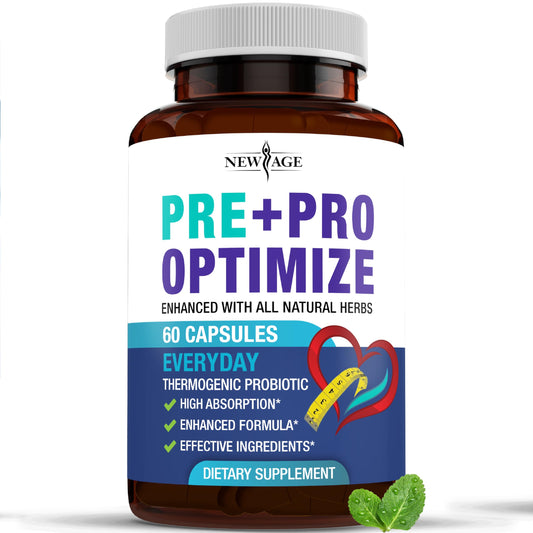
NEW AGE Pro Optimize Probiotics for Women – Digestive Health, Menopause Support, 70B CFU, Dong Quai, 60 Capsules
Overview NEW AGE Pro Optimize Probiotics for Women is a thoughtfully formulated capsule blend designed to support everyday digestive balance and overall well‑being during life’s hormonal changes. Each serving delivers a robust probiotic strength alongside traditional herbal support, pairing modern science with a long...- £50.85
- £50.85
- Unit price
- per
-
Vendor:Rejuvica Health
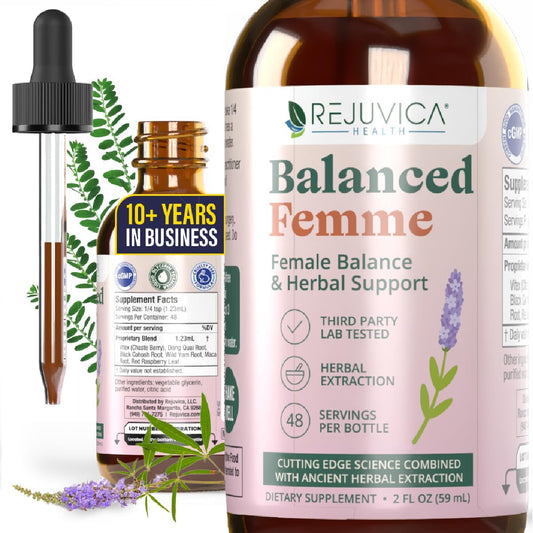
Rejuvica Health Balanced Femme - Advanced Liquid Balance Support with Vitex, Dong Quai, Black Cohosh & Maca
Balanced Femme: Natural support for daily balance Balanced Femme by Rejuvica Health is a liquid herbal blend designed to support natural balance and everyday well-being. The liquid format is chosen for ease of use and potentially faster absorption compared with capsules, making it simple...- £49.81
- £49.81
- Unit price
- per