












Diabetic Care Travel Organisers & Kits
Keep daily diabetes essentials organised at home, at work, or on the move with our Diabetic Care Organisers & Travel Kits. Designed for real routines across the United Kingdom, these compact cases help protect supplies and reduce stress when you need to check or treat quickly.
Explore practical storage for common diabetes items including a glucose meter, CGM sensors and accessories, test strips, lancets and lancing device, insulin pens, pen needles, alcohol wipes, and small sharps accessories. Many organisers feature structured compartments, elastic loops, and secure zip closures, so your kit stays tidy and easy to use during a blood glucose check.
Built for daily routines
A consistent setup supports better habits. When each item has a dedicated place, it’s easier to complete checks on time, spot low supplies, and restock before you travel. Pair a travel organiser with a pill organiser for tablets, or keep a second kit in a desk drawer, car, or gym bag for reliable backup. Durable linings and wipe-clean materials help maintain hygiene on busy days.
- Multi-compartment layouts for fast access
- Compact sizes for handbags, rucksacks and hand luggage
- Protective padding for delicate monitoring devices
- Secure closures to help prevent spills and loss
Travel-ready organisation
From commuting to weekend breaks, a dedicated kit streamlines packing and keeps supplies separated and clean. Choose a slim organiser for everyday carry, or a roomier case for longer trips with spares. All prices are shown in GBP, making it simple to plan and reorder essentials when you need them.
-
Vendor:Medineed
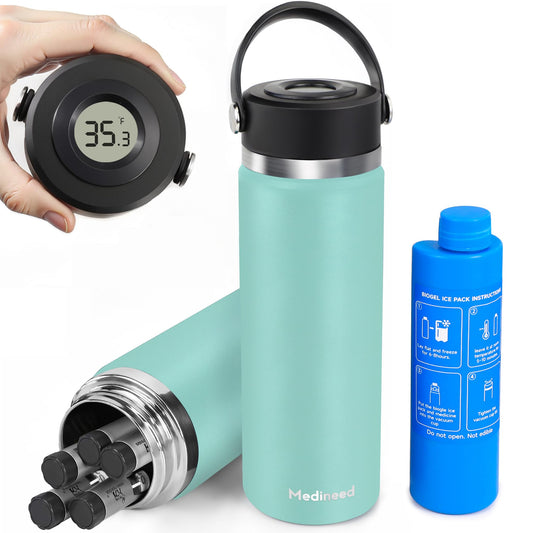
Medineed Insulin Cooler Travel Case – TSA Approved, Temp Display, Fits 2 GLP1 Pens (Seafoam)
Travelers who carry sensitive medications appreciate a compact, reliable solution. The Medineed Insulin Cooler Travel Case in seafoam combines a double-layer stainless steel shell with a precise temperature display and a 17 cm temperature probe, so you can monitor conditions without opening the lid....- £43.22
- £43.22
- Unit price
- per
-
Vendor:DISONCARE
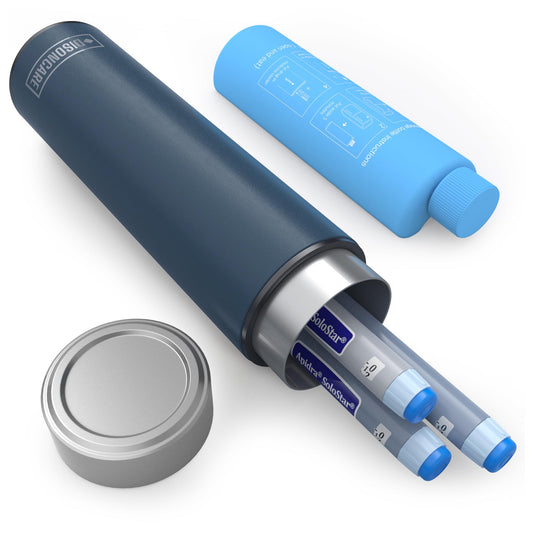
DISONCARE Odyssey 60H 3-Pen Insulin Cooler – TSA-Approved Travel Case Navy Blue
Travel-Ready cooling for insulin and other temperature-sensitive meds The DISONCARE Odyssey 60H is designed for active people who need a dependable way to carry insulin pens, epinephrine, or similar medications. Its navy blue exterior pairs with a robust, temperature-conscious interior to endure busy travel...- £36.90
- £36.90
- Unit price
- per
-
Vendor:Sugar Medical
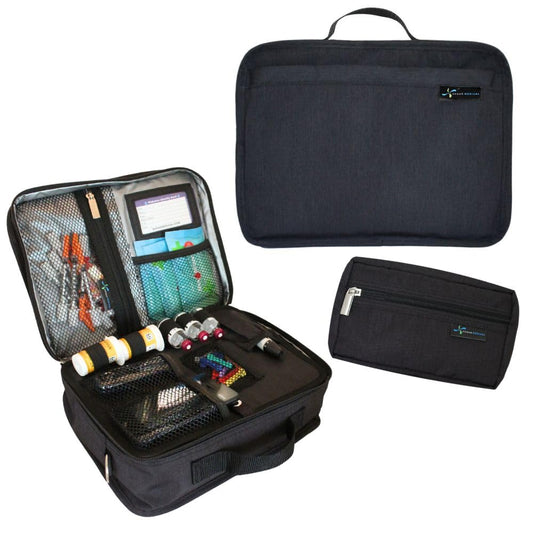
Sugar Medical Insulated Diabetes Travel Bag | Diabetes Travel Case – Jordan
Overview The Sugar Medical Insulated Diabetes Travel Bag is a purpose-built case designed for people who manage diabetes on the go. It blends a discreet, everyday-ready silhouette with an insulated interior, offering a reliable home for your glucose meters, test strips, and other essential...- £115.25
- £115.25
- Unit price
- per
-
Vendor:Spoonie Threads
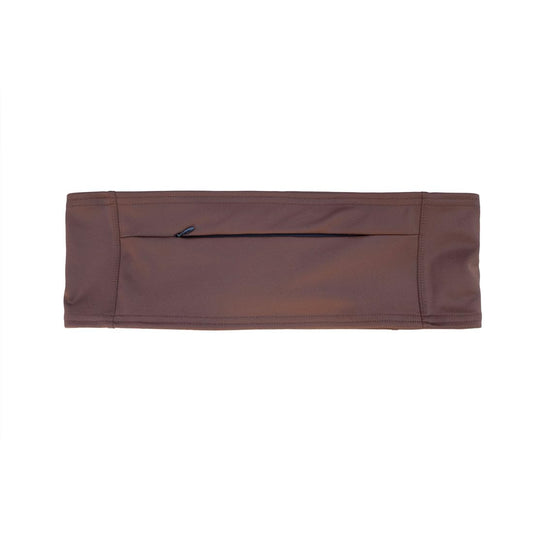
Spoonie Threads Double Pocket Belt – Hands-Free Carry for Insulin Pump, Glucose Monitor & More | Brown Youth 1
Effortless, comfortable organization for on-the-go living The Spoonie Threads Double Pocket Belt is designed to lighten your daily load with a soft, stretchable fabric that moves with you. Sensory-friendly seams help reduce irritation, while the fabric stays dry and comfortable as you move through...- £52.00
- £52.00
- Unit price
- per
-
Vendor:Spoonie Threads
Spoonie Threads Double Pocket Belt for Insulin Pump, Glucose Monitor & Essentials | Brown (Size 1)
Comfort-first design for everyday carry The Spoonie Threads Double Pocket Belt blends soft, stretchable fabric with sensory-friendly seams, creating a comfortable, breathable fit you can wear all day. The design avoids metal clips that press against the body and offers the option to wear...- £52.00
- £52.00
- Unit price
- per
-
Vendor:Spoonie Threads
Spoonie Threads Double Pocket Belt – Hands-Free Carry for Insulin Pump, CGM, and Phone | Black (Size 1)
Effortless, comfortable carry for daily essentials The Spoonie Threads Double Pocket Belt blends comfort with practical design. Crafted from ultra-soft, stretchable fabric and finished with sensory-friendly seams, this belt sits smoothly at your waist or hips and can be worn under or over clothing....- £52.00
- £52.00
- Unit price
- per
-
Vendor:Spoonie Threads
Spoonie Threads Double Pocket Belt for T1D – Insulin Pump, Glucose Monitor, Smartphone | Black Size 3
Comfortable hands-free carry for an active lifestyle Meet the Spoonie Threads Double Pocket Belt, a soft stretchable belt crafted with sensory-friendly seams for all day comfort. The fabric is gentle against the skin and breathes with your body, helping you stay focused on the...- £52.00
- £52.00
- Unit price
- per
-
Vendor:Spoonie Threads
Spoonie Threads Double Pocket Belt – Insulin Pump, CGM & Phone (Brown, Size 5)
Overview Meet the Spoonie Threads Double Pocket Belt, a soft, stretchable accessory designed to simplify carrying essential gear during active days. Its sensory friendly seams and lightweight fabric feel gentle against the skin, while a snug, clip-free design avoids digging into the stomach. The...- £52.00
- £52.00
- Unit price
- per
-
Vendor:Spoonie Threads
Spoonie Threads Double Pocket Belt – Hands-Free Carry for Insulin Pump, Glucose Monitor & Phone | Mykonos Size 1
Effortless, Everyday Carry The Spoonie Threads Double Pocket Belt is designed to keep your essentials close at hand while you stay on the move. Crafted from ultra-soft, stretchable fabric, it features sensory-friendly seams and a comfortable finish that helps you stay dry and confident...- £52.00
- £52.00
- Unit price
- per
-
Vendor:Spoonie Threads
Spoonie Threads Double Pocket Belt – T1D Pump, Glucose Monitor, Smartphone | Lipstick Size 2
Overview Introducing the Spoonie Threads Double Pocket Belt, a comfort-first carry solution for active days. Crafted from ultra-soft, stretchable fabric with sensory-friendly seams, it hugs your body gently and moves with you, so you can focus on the moment rather than your gear. The...- £52.00
- £52.00
- Unit price
- per
-
Vendor:Spoonie Threads
Spoonie Threads Double Pocket Belt – Hands-Free Carry for Insulin Pump, Glucose Monitor & More | Toffee (Size 2)
A Comfort-First, Versatile Carry Solution The Spoonie Threads Double Pocket Belt blends ultra-soft, stretchable fabric with sensory-friendly seams to deliver a comfortable, all-day wearing experience. Whether you pull it over your head or step into it, the belt rests at the waist or hips...- £52.00
- £52.00
- Unit price
- per
-
Vendor:Spoonie Threads
Spoonie Threads Double Pocket Belt – Hands-Free Insulin Pump & Accessory Carrier | Steel Size 2
Meet the Spoonie Threads Double Pocket Belt, a soft, stretchable carry solution built for active days. With sensory-friendly seams and a breathable fabric, this belt sits comfortably at your waist or hips, whether worn under or over clothing. No clips digging into your skin—just...- £52.00
- £52.00
- Unit price
- per
-
Vendor:Spoonie Threads
Spoonie Threads Double Pocket Belt – Hands-Free Carry for Insulin Pump, Glucose Meter & Phone | Steel (Size 1)
Overview The Spoonie Threads Double Pocket Belt reimagines everyday carry for people who need to keep essential medical devices and personal items close at hand. Made from ultra-soft, stretchable fabric with sensory-friendly seams, this belt stays comfortable for long wear and can be worn...- £52.00
- £52.00
- Unit price
- per
-
Vendor:Spoonie Threads
Spoonie Threads Double Pocket Belt – Carry Insulin Pump, CGM & More | Black Size 2
Meet the Spoonie Threads Double Pocket Belt, a soft, stretchable belt designed to carry your essential devices with comfort and discretion. The fabric flexes with your movement, and the sensory-friendly seams reduce bulk and irritation so you can focus on the moment, not your...- £52.00
- £52.00
- Unit price
- per
-
Vendor:Spoonie Threads
Spoonie Threads Double Pocket Belt for T1D Devices | Insulin Pump, CGM, Phone | Mykonos Size 2
All-day Comfort and Practical Design The Spoonie Threads Double Pocket Belt blends ultra-soft, stretchable fabric with sensory-friendly seams to keep you comfortable through daily routines and active moments alike. Wear it at your waist or hips, over or under clothing, and enjoy a lightweight,...- £52.00
- £52.00
- Unit price
- per
-
Vendor:Spoonie Threads
Spoonie Threads Double Pocket Belt – Steel (Size 3) for Insulin Pump, Glucose Monitor, Phone & More
Overview The Spoonie Threads Double Pocket Belt combines comfort with practical storage for essential medical devices and everyday carry. Crafted in a steel-toned fabric, this belt is designed to sit smoothly at the waist or hips, offering a breathable, sensory-friendly experience without clips digging...- £52.00
- £52.00
- Unit price
- per
-
Vendor:Spoonie Threads
Spoonie Threads Double Pocket Belt – Carry Insulin Pump, Glucose Monitor & Phone | Beige (Size 1)
Overview The Spoonie Threads Double Pocket Belt blends soft, stretchable fabric with sensory-friendly seams to deliver a comfortable, hands-free way to carry essential devices. Designed to sit at your waist or hips, it stays close to your body and disappears under clothing, so you...- £52.00
- £52.00
- Unit price
- per
-
Vendor:Spoonie Threads
Spoonie Threads Double Pocket Belt for Insulin Pumps & Glucose Monitors | Brown Size 2
Meet the Spoonie Threads Double Pocket BeltDesigned for active days, this belt blends a soft, breathable fabric with sensory-friendly seams. Its comfortable, hands-free design helps you carry essential devices and everyday items at your waist or hips, without bulky clips digging into you.Comfort-first designThe...- £52.00
- £52.00
- Unit price
- per
-
Vendor:Spoonie Threads
Spoonie Threads Double Pocket Belt – Hands-Free Carry for Insulin Pump, Glucose Monitor & More | Mykonos Size 3
Overview Discover the Spoonie Threads Double Pocket Belt, a soft, stretchable solution designed for active days. The fabric feels gentle against the skin, and sensory-friendly seams help reduce irritation. You can pull it over your head or step into it, then position the belt...- £52.00
- £52.00
- Unit price
- per
-
Vendor:Spoonie Threads
Spoonie Threads Double Pocket Belt – Carry insulin pump, CGM, phone & essentials | Size 1
Meet the Spoonie Threads Double Pocket Belt, a soft, stretchable carry solution designed to hold your essential devices and daily items with comfort. The fabric is gentle on the skin, and the seams are selected to minimize irritation. You can wear it by slipping...- £52.00
- £52.00
- Unit price
- per