








DHA Supplements for Daily Support
DHA nutritional supplements provide a convenient way to top up docosahexaenoic acid, an omega-3 fatty acid linked to normal brain and vision function. This collection is curated for customers in the United Kingdom seeking straightforward labelling, reliable quality, and formats that suit everyday routines, including softgels, capsules, and concentrated fish oil supplements.
If you don’t eat oily fish regularly, you may be comparing DHA vs EPA, checking omega-3 strength, or looking for a product that clearly states DHA per serving. Each listing highlights key details such as omega-3 profile, ingredient sourcing, and suggested use, so you can choose confidently and consistently. You’ll also find options that pair well with a wider approach to supplements and vitamins, including blended vitamin & mineral supplements.
What to check before you buy
When comparing formulas and value in GBP, focus on clarity and quality markers rather than marketing claims. Look for products that make it easy to understand what you’re getting in each daily serving.
- Declared DHA amount per serving for simple comparison
- Full omega-3 profile, including EPA, shown on the label
- Purity testing or purification standards where available
- Capsule size and serving guidance that fit your schedule
Using DHA in your routine
DHA is commonly taken with food and can be combined with nutrients such as vitamin D or a multivitamin, depending on your goals. Follow label directions and keep use consistent over time. If you are pregnant, breastfeeding, taking medication, or managing a health condition, speak with a pharmacist or GP before starting a new supplement.
Related entities and keywords: omega-3, fish oil, EPA, softgels, capsules, purity testing, brain health, vision support.
-
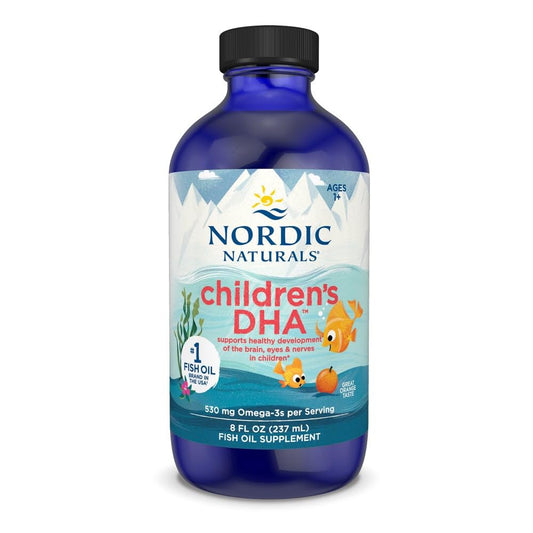
Vendor:Nordic Naturals
Nordic Naturals Children’s DHA Orange – 8 oz, 96 Servings, 530 mg Omega-3 for Kids
Overview Nordic Naturals Children’s DHA Orange is a kid friendly omega-3 supplement designed to fit into busy family routines. Each 8 oz bottle provides 530 mg of omega-3s per serving, combining EPA and DHA sourced from 100% wild Arctic cod. The orange flavor and...- £42.31
- £42.31
- Unit price
- per
-
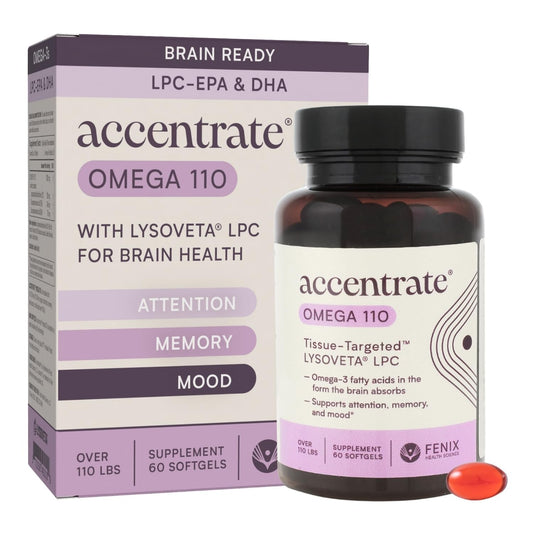
Vendor:Accentrate
Accentrate Omega 110 w/ LYSOVETA LPC – High-Absorption Omega-3 for Brain & Vision
Advanced Omega-3 for Brain and Vision Accentrate Omega 110 w/ LYSOVETA LPC offers a high-potency omega-3 formula with a focus on brain and eye delivery. It uses LPC-DHA and LPC-EPA to support potential absorption gains—up to six times higher than traditional fish oil—and aims...- £111.16
- £111.16
- Unit price
- per
-
Vendor:storevn_012019
Storevn 012019 Lot 4 Boxes: Gac Oil DHA – Dau Gac 400 Capsules
Bright, nutrient-rich Gac Oil DHA in convenient capsules Discover a vibrant blend built from gac fruit (Momordica cochinchinensis) and DHA. The capsules carry a sun-kissed orange hue and a smooth, easy-to-swallow shell, designed to fit into a simple daily routine. This formula combines natural...- £52.00
- £52.00
- Unit price
- per
-
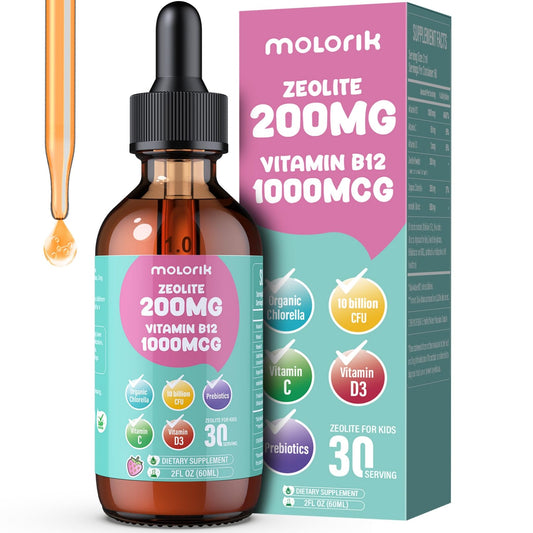
Vendor:molorik pure
Molorik Pure Zeolite Detox for Kids – 11-in-1 Zeolite Drops, Berry, 60ml, 200mg Zeolite, 10B CFU Probiotics & Prebiotics
Introducing Molorik Pure Zeolite Detox for Kids & Adults — a berry-flavored zeolite liquid designed for daily use with a robust 11-in-1 formulation. Each 2 ml serving delivers 200 mg of zeolite alongside organic chlorella and a nutrient blend to support everyday wellness in...- £49.80
- £49.80
- Unit price
- per
-
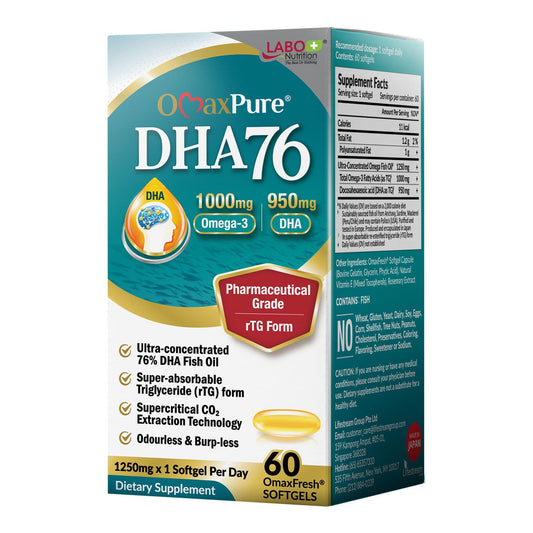
Vendor:LABO Nutrition
LABO Nutrition OmaxPure DHA76 Omega-3 Fish Oil – Ultra-Concentrated 950 mg DHA, 60 Softgels
Premium omega-3 that blends purity with high DHA concentration LABO Nutrition OmaxPure DHA76 delivers a potent dose of omega-3s in a clean, easy-to-swallow softgel. Using advanced supercritical CO2 extraction from a rigorous purification process, this formula yields an exceptionally concentrated DHA profile at 76%...- £50.79
- £50.79
- Unit price
- per
-
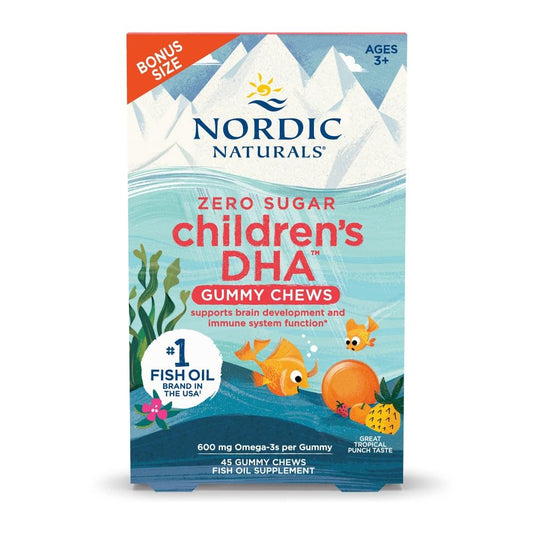
Vendor:Nordic Naturals
Nordic Naturals Zero Sugar Children’s DHA Gummy Chews – Tropical Punch, 45 Gummies, 600 mg Omega-3s
Delicious, kid-friendly omega-3 gummiesNordic Naturals Zero Sugar Children’s DHA Gummy Chews bring a tropical punch flavor in a sugar-free format designed for kids ages 3 and up. Each bottle includes 45 gummies with a total of 600 mg of omega-3s, offering a convenient way...- £42.30
- £42.30
- Unit price
- per
-
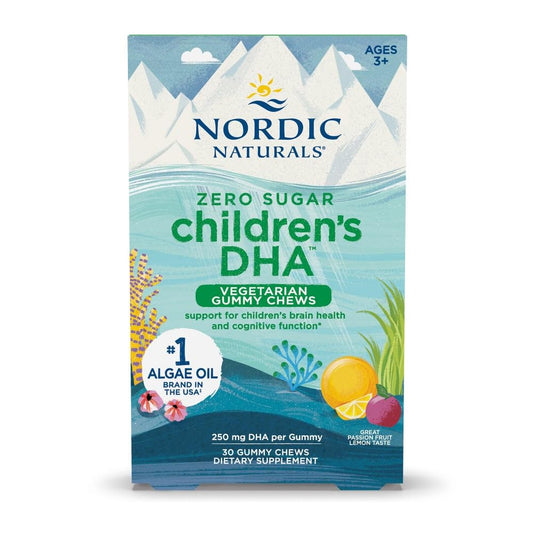
Vendor:Nordic Naturals
Nordic Naturals Zero Sugar Children’s DHA Gummy Chews – 30 Gummies, Vegan Algae DHA, Passion Fruit Lemon
Delicious, Vegan DHA for Kids Nordic Naturals Zero Sugar Children’s DHA Gummy Chews blend a kid-friendly, fruit-tangled flavor with a thoughtful omega-3 DHA source. Each serving delivers DHA from algae, offering a plant-based option that fits vegetarian and vegan routines while supporting a routine...- £43.24
- £43.24
- Unit price
- per
-
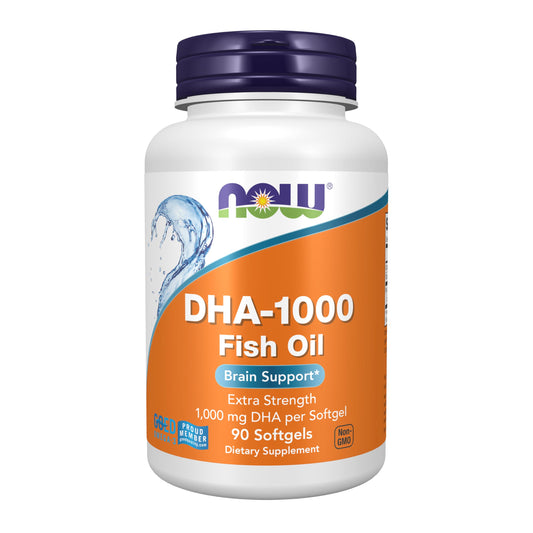
Vendor:NOW Foods
NOW Foods DHA 1000 Brain Support – Extra Strength DHA 1,000 mg Softgels, 90 Count
Overview NOW Foods DHA 1000 Brain Support delivers 1,000 mg of DHA per softgel, creating a high-strength option within the NOW DHA family. DHA is a key fatty acid in omega-3s and may support brain health and cognitive function when incorporated into a balanced...- £43.58
- £43.58
- Unit price
- per
-
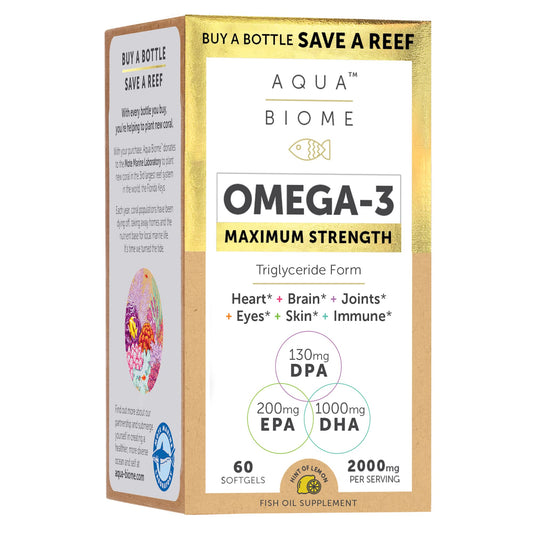
Vendor:Enzymedica
Enzymedica Aqua Biome Maximum Strength Omega-3 Fish Oil — 60 Softgels
Powerful omega-3 blend with a lemon twist Enzymedica Aqua Biome Maximum Strength Omega-3 Fish Oil delivers a high-potency omega blend in every serving. Each serving provides 2,000 mg of omega-3s, including 800 mg DHA, 400 mg EPA, and 100 mg DPA, all in a...- £42.54
- £42.54
- Unit price
- per
-
Vendor:Nordic Naturals
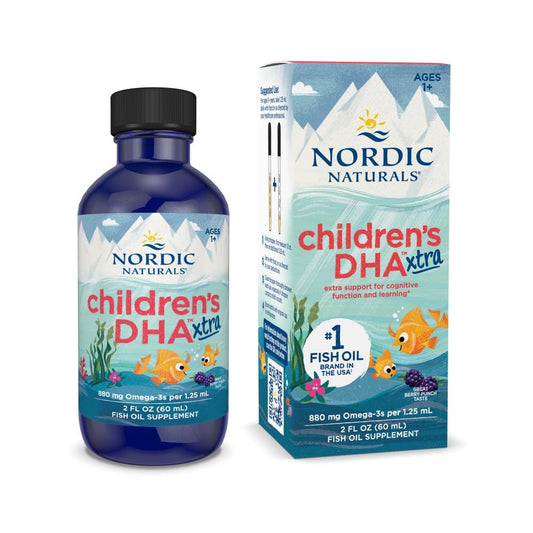
Nordic Naturals Children's DHA Xtra Berry Punch – 2 oz, 880 mg Omega-3s
Kid-friendly omega-3 support in Berry Punch Nordic Naturals Children's DHA Xtra Berry Punch is a high-potency liquid omega-3 designed for children who may not eat enough fish. The 2 oz bottle delivers 880 mg total omega-3s per serving, including DHA, to support healthy brain,...- £42.31
- £42.31
- Unit price
- per
-
Vendor:Nordic Naturals
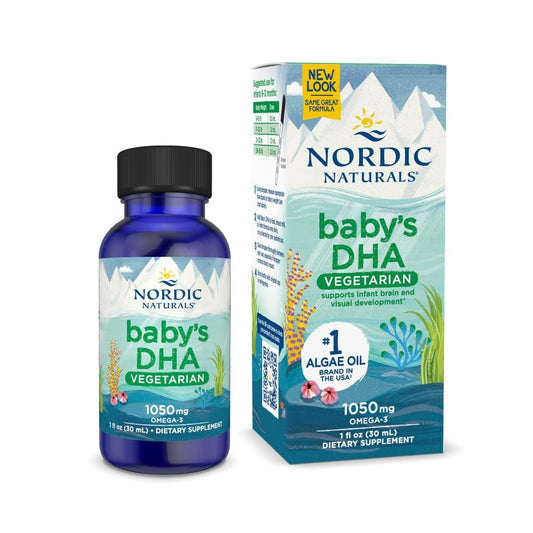
Nordic Naturals Baby’s DHA Vegetarian – Plant-Based Omega-3 for Babies (DHA 575 mg, EPA 285 mg) – 1 oz, Vegan, Non-GMO
Overview Nordic Naturals Baby’s DHA Vegetarian is a plant-based omega-3 formula crafted for infants. Recognized as the Official Vegetarian Baby’s Omega-3 by the American Pregnancy Association, this oil comes from 100% vegan microalgae and is designed to fit into busy family routines. The 1...- £43.24
- £43.24
- Unit price
- per
-
Vendor:Nordic Naturals
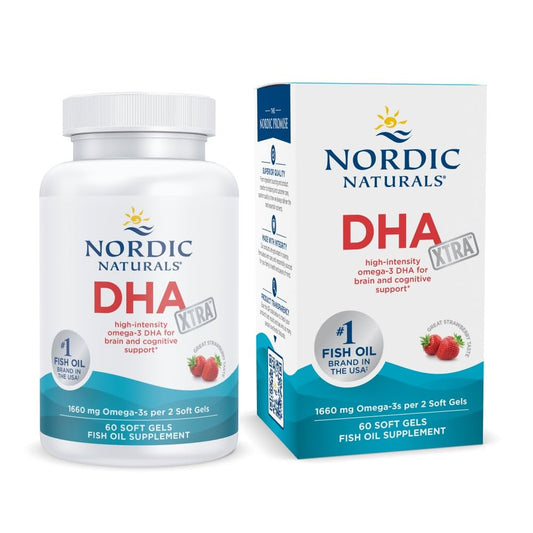
Nordic Naturals DHA Xtra Strawberry – High-Intensity DHA Omega-3 for Brain & Nervous System Support, 60 Soft Gels, 1660 mg Omega-3, Non-GMO, 30 Servings
Overview Nordic Naturals DHA Xtra Strawberry is a DHA-dominant omega-3 formula presented in a strawberry-flavored soft gel. The blend is designed to deliver a high concentration of DHA per serving while maintaining a clean, refreshing taste that fits into a daily wellness routine. Each...- £44.17
- £44.17
- Unit price
- per
-
Vendor:Nordic Naturals
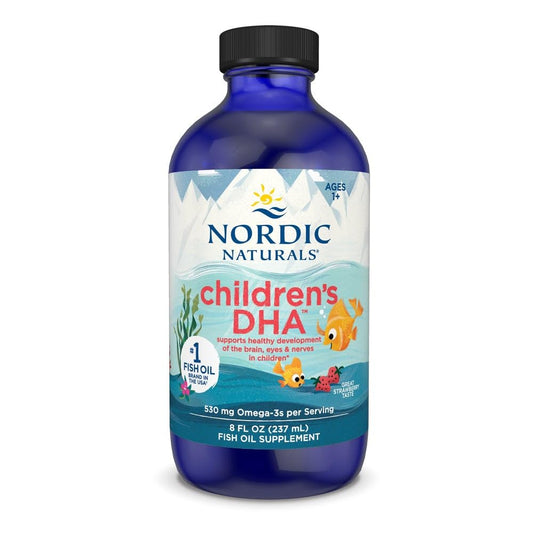
Nordic Naturals Children's DHA Strawberry | 8 oz, 530 mg Omega-3 for Kids
Support for healthy development and daily routine Nordic Naturals Children's DHA Strawberry delivers a naturally balanced blend of EPA and DHA in a kid-friendly format. While not a medical claim, these omega-3s fit into a balanced diet and may support everyday development and learning...- £42.12
- £42.12
- Unit price
- per
-
Vendor:LABO Nutrition
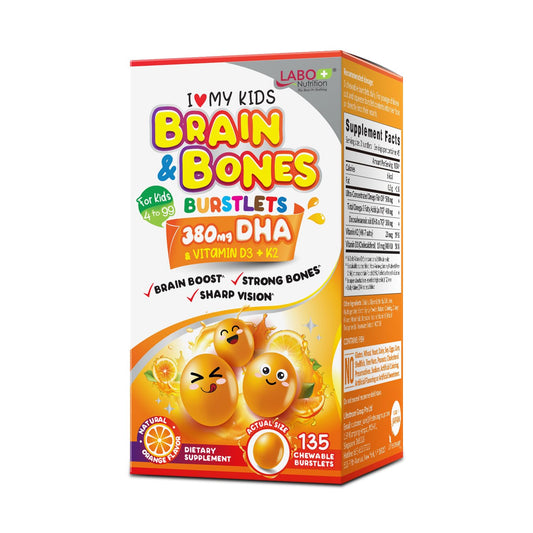
LABO Nutrition I My Kids Brain & Bones Burstlets - 76% DHA rTG, Vitamin D3 & K2, Orange
Grow with Confidence: LABO Nutrition My Kids Brain & Bones Burstlets LABO Nutrition I My Kids Brain & Bones Burstlets are a gluten-free, citrus-tasting chewable designed for children. Each bite merges omega-3 DHA in the premium rTG form with vitamin D3 and vitamin K2...- £45.31
- £45.31
- Unit price
- per
-
Vendor:CATALO
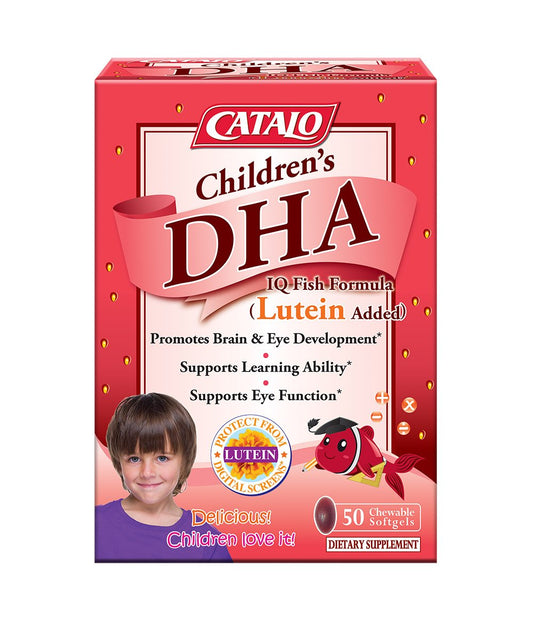
CATALO Children’s DHA IQ Formula with Lutein – Strawberry Chewables (200 mg DHA, 42 mg EPA) – Made in USA
Meet CATALO Children’s DHA IQ Formula with Lutein CATALO presents a kid friendly omega-3 formula designed to fit into a busy family routine. Each bottle features strawberry flavored, chewable softgels enriched with 200 mg of DHA and 42 mg of EPA, sourced from ocean...- £43.23
- £43.23
- Unit price
- per
-
Vendor:DQQI
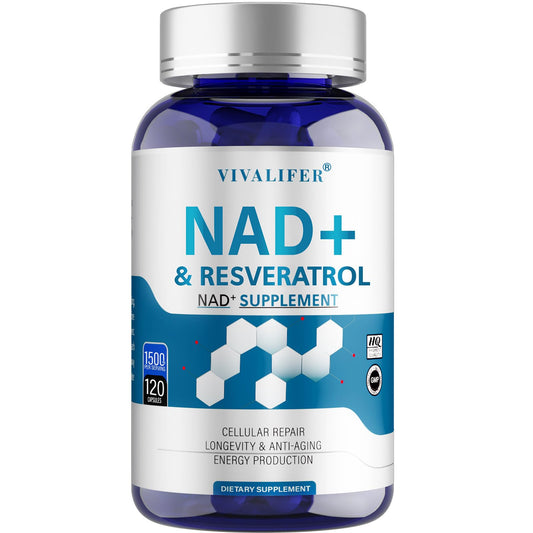
DQQI NMN Supplement Alternative 1500 mg – 120 Capsules with NAD+ & Resveratrol
Overview Discover the DQQI NMN Supplement Alternative, a thoughtfully balanced formula designed to fit into a modern wellness routine. Each serving combines True NAD+ with Resveratrol to create a compact, easy-to-take capsule that pairs well with daily activity. While results vary, many users report...- £44.18
- £44.18
- Unit price
- per
-
Vendor:Carlson
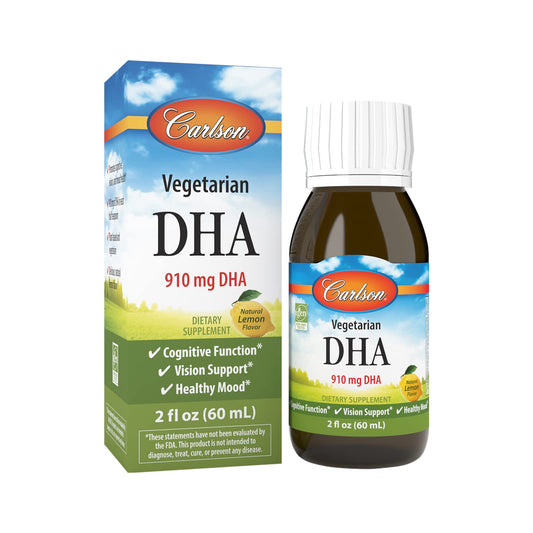
Carlson Vegetarian DHA – 910 mg DHA per Half-Teaspoon, Plant-Based, Lemon, 60 mL
Discover Carlson Vegetarian DHA Carlson Vegetarian DHA brings a plant-based omega-3 option with a bright, natural lemon finish. Packaged in a compact 60 mL bottle, each half-teaspoon delivers 910 mg of DHA, making it convenient to integrate into daily meals or beverages. The formula...- £46.68
- £46.68
- Unit price
- per
-
Vendor:Carlyle
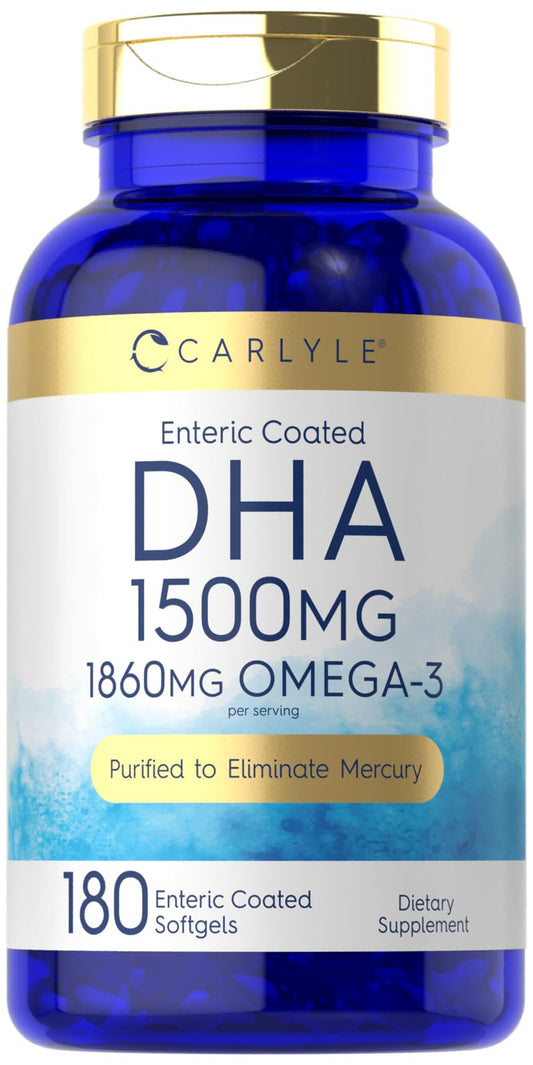
Carlyle DHA Supplement 1500mg – 180 Softgels | Omega-3, Non-GMO, Gluten Free
Daily DHA that fits your routineMake omega-3 a simple part of your day with Carlyle DHA Supplement 1500mg in a bottle of 180 softgels. Each softgel delivers a potent blend of DHA and EPA derived from purified fish oil, designed to blend into your...- £42.12
- £42.12
- Unit price
- per
-
Vendor:LILICARE
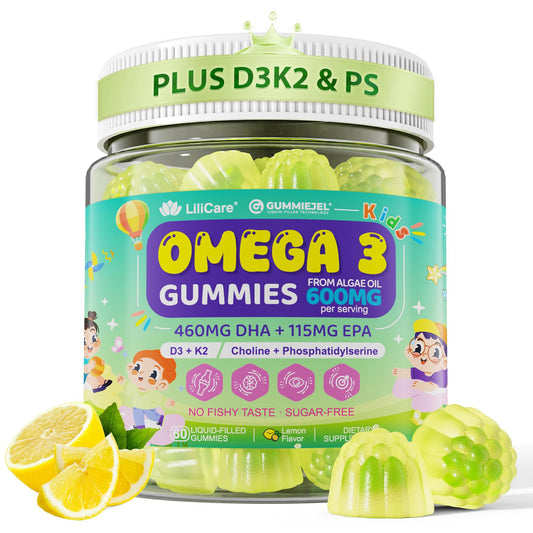
LILICARE Omega-3 for Kids 4+ Gummies — Algae EPA/DHA, D3, K2, Choline & PS, Lemon, 60 Count
Overview LILICARE Omega-3 for Kids 4+ gummies offer a clean, plant-based alternative to traditional fish oil. Derived from algae, the formula delivers EPA and DHA with a fresh lemon flavor that helps avoid the fishy aftertaste. These gummies are designed to be a tasty...- £41.03
- £41.03
- Unit price
- per
-
Vendor:Nordic Naturals
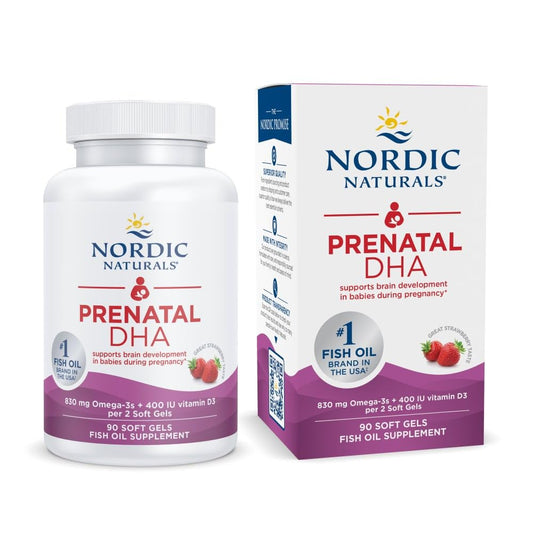
Nordic Naturals Prenatal DHA Strawberry – 90 Soft Gels, 830 mg Omega-3 + 400 IU Vitamin D3 | Non-GMO
Premium prenatal omega-3 nutrition with a strawberry twist Nordic Naturals Prenatal DHA Strawberry delivers a balanced omega-3 profile with vitamin D3 in a strawberry-flavored soft gel. Each soft gel provides 830 mg of omega-3s and 400 IU of vitamin D3, offering a convenient daily...- £41.38
- £41.38
- Unit price
- per