








Copper Mineral Supplements
Explore a curated range of copper mineral supplements designed for customers in the United Kingdom looking to support everyday nutrition with straightforward, well-labelled products. Copper is an essential trace mineral that contributes to normal iron transport in the body and supports normal energy-yielding metabolism. It also contributes to the normal function of the immune system and the maintenance of normal connective tissues.
Within this collection you’ll find standalone copper options as well as selected blended vitamin and mineral supplements where copper is included alongside complementary nutrients. Product information focuses on the essentials: elemental copper amount per serving, capsule or tablet format, and clear usage directions. Related entities and keywords you may see across the range include zinc balance, iron, vitamin C, multivitamins, antioxidant support, collagen support, and mineral complexes—helping you compare formulas with confidence.
How to choose the right option
When selecting a copper supplement, consider your wider intake from diet and from other supplements, especially if you use higher-strength zinc. Compare products by copper form, strength, and whether you prefer a single-ingredient approach or an all-in-one minerals & supplements blend that simplifies your routine.
- Elemental copper clearly stated per serving
- Standalone copper vs blended vitamin/mineral formulas
- Capsules or tablets for consistent daily use
- Transparent pricing and checkout in GBP
Quality, overlap and safe use
To avoid unnecessary overlap, review your total intake if you already take a multivitamin or a combined mineral supplement. Always follow label directions and do not exceed the recommended daily amount. If you are pregnant, breastfeeding, taking medication, or managing a health condition, speak with your pharmacist or GP before starting any new supplement.
-
Vendor:MitoSynergy
MitoSynergy BioCopper1 Cu1 LDS – Low-Dose Bioavailable Copper (0.1 mg) for Gentle Energy Support
OverviewIntroducing MitoSynergy MitoActivator BioCopper1 Cu1 LDS, a copper supplement designed for easy absorption with a clean ingredient profile. Each serving delivers a small, bioactive copper dose of 0.1 mg from BioCopper1 to support gentle daily use.Copper is an essential trace mineral required by the...- £58.19
- £58.19
- Unit price
- per
-
Vendor:Sovereign Copper
Sovereign Copper Bio-Active Copper Hydrosol, 8oz – Pure Copper Hydrosol for Everyday Wellness
Discover Sovereign Copper Bio-Active Copper Hydrosol, 8oz Sovereign Copper Bio-Active Copper Hydrosol comes in a convenient 8 oz bottle, designed for everyday routines. This copper hydrosol is built to be versatile and easy to incorporate into hydration and wellness rituals. The approach here is...- £44.32
- £44.32
- Unit price
- per
-
Vendor:Nutraneering
Nutraneering MediCOPPER Plus Blood Booster – True Colloidal Copper CuNP Supplement (500 mL)
Discover MediCOPPER Plus Blood Booster Nutraneering’s MediCOPPER Plus Blood Booster is a true colloidal copper CuNP supplement designed to safely deliver the daily copper allowance in a clear, 500 mL bottle. Engineered by a biochemist with aerospace experience, this formula emphasizes purity, absorption, and...- £43.12
- £43.12
- Unit price
- per
-
Vendor:Sovereign Copper
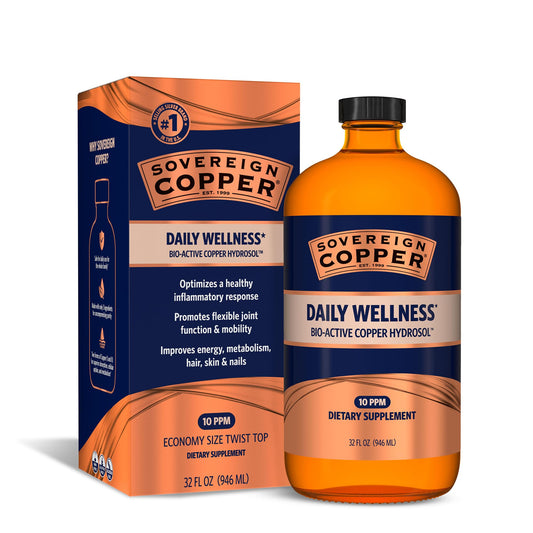
Sovereign Copper Bio-Active Copper Hydrosol – Bioavailable Copper Liquid for Adults & Kids with Silver Hydrosol | 32 fl oz
Meet Sovereign Copper Bio-Active Hydrosol, a bioavailable copper liquid designed for both adults and kids. Housed in a premium glass bottle, this formula blends copper with a subtle silver hydrosol blend for a clean, consistent daily routine. The goal is a flexible, easy-to-use supplement...- £103.20
- £103.20
- Unit price
- per
-
Vendor:Molu
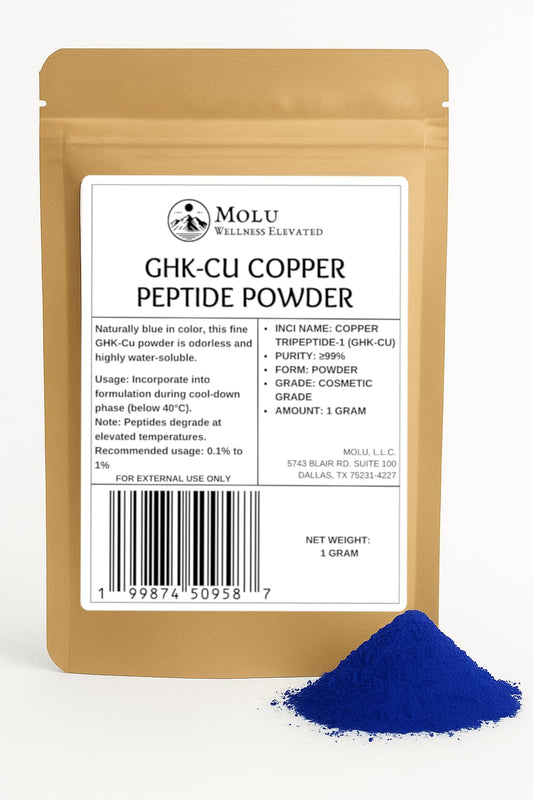
Molu Premium GHK-Cu Copper Peptide Powder (>99% Purity) – 1 g for DIY Skincare & Haircare
Premium GHK-Cu Copper Peptide Powder for DIY Skincare & Haircare Elevate your cosmetic formulations with Molu GHK-Cu Copper Peptide Powder. This cosmetic-grade ingredient is naturally blue, odorless, and highly water-soluble, designed to blend smoothly into water-based bases. Refined to a high purity level, it...- £72.76
- £72.76
- Unit price
- per
-
Vendor:Sovereign Copper
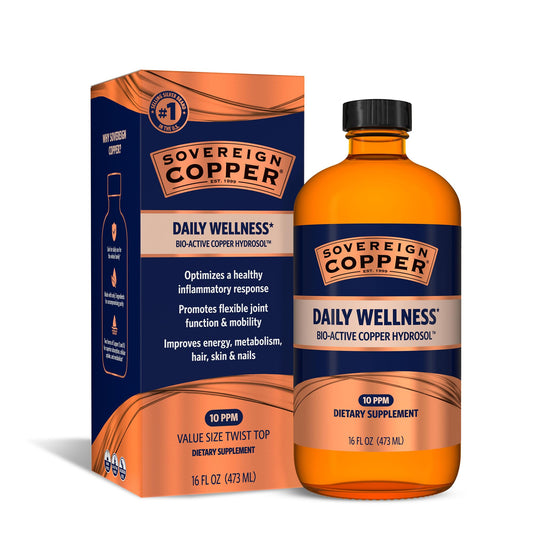
Sovereign Bio-Active Copper Hydrosol – Bioavailable Copper Liquid Supplement (16 oz) with Silver Hydrosol
Discover Sovereign Bio-Active Copper Hydrosol, a bioavailable copper liquid supplement designed for adults and kids. Housed in a premium glass bottle to preserve purity, this formula blends copper with silver hydrosol to offer a versatile daily option that fits into busy routines. While individual...- £60.75
- £60.75
- Unit price
- per
-
Vendor:CAUDAN
CAUDAN GHK-Cu Copper Peptide Supplement | 120 mcg, Vegan & Gluten-Free Delayed-Release Capsules, 60 ct
CAUDAN GHK-Cu Copper Peptide Supplement This vegan, gluten-free formula delivers 120 mcg of GHK-Cu copper peptide in each delayed-release capsule. The design prioritizes gentle, sustained absorption, aiming to integrate smoothly into a daily routine without causing stomach discomfort. Crafted with clean, plant-based ingredients and...- £45.41
- £45.41
- Unit price
- per
-
Vendor:NutriNoche
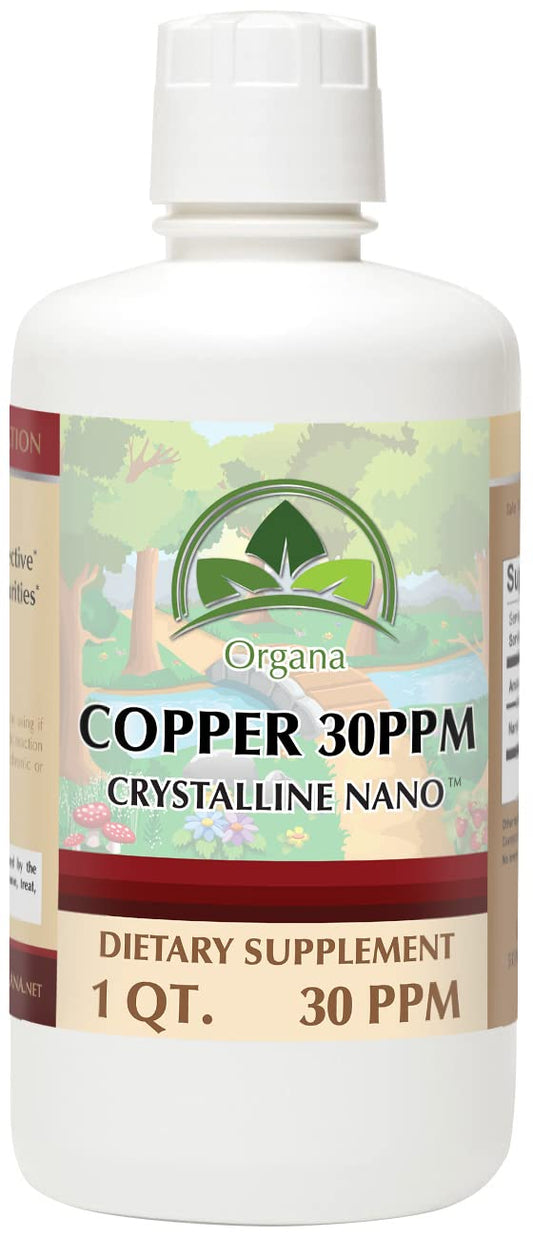
NutriNoche Liquid Colloidal Copper Supplement | 99.99% Ultra-Pure Nano Copper | 30 ppm
NutriNoche Liquid Colloidal Copper is built on a minimalist, high-purity formula: two ingredients – 99.99% crystalline nano copper particles suspended in ultra-pure reverse osmosis water. There are no fillers, salts, or added proteins. The result is a clean, transparent liquid with a mineral-forward character...- £67.01
- £67.01
- Unit price
- per
-
Vendor:FIQ
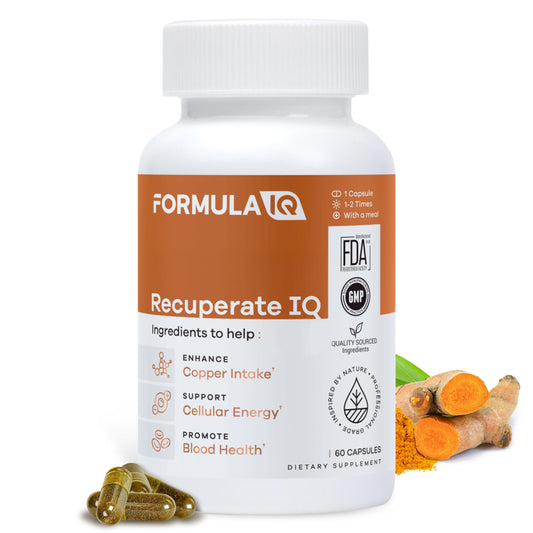
FIQ Recuperate IQ: 5-in-1 Copper Supplement with Copper Bisglycinate, 60 Capsules
Overview Meet FIQ Formula IQ Recuperate IQ, a 5 in 1 copper supplement crafted for everyday vitality. Each bottle contains 60 easy to swallow capsules, with copper bisglycinate delivering copper in a highly bioavailable form. Each capsule is 2 mg, offering a straightforward daily...- £54.19
- £54.19
- Unit price
- per
-
Vendor:NutriNoche
NutriNoche Organa Pure Crystalline Liquid Copper – 30 PPM Colloidal Copper
Organa Pure Crystalline Liquid Copper by NutriNocheNutriNoche's Organa Pure is a two-ingredient colloidal copper solution designed for daily use. It contains 99.99% crystalline nano copper particles suspended in pure vapor-distilled water. There are no fillers, additives, salts, or proteins, delivering a clean, transparent liquid...- £67.01
- £67.01
- Unit price
- per
-
Vendor:Zemvelo
Zemvelo Liquid Ionic Chelated Copper – Natural Elixir for Connective Tissue, Hair, Skin, Nails & Collagen | Mood Balance | 3 Month Supply
Meet Zemvelo Liquid Ionic Chelated Copper From a pure elemental copper source, Zemvelo's Liquid Ionic Chelated Copper is designed for daily use with an emphasis on ease of absorption. The copper is chelated with CHD-Fulvic acid to support gentle intake and overall well-being. A...- £41.03
- £41.03
- Unit price
- per
-
Vendor:LIIFE
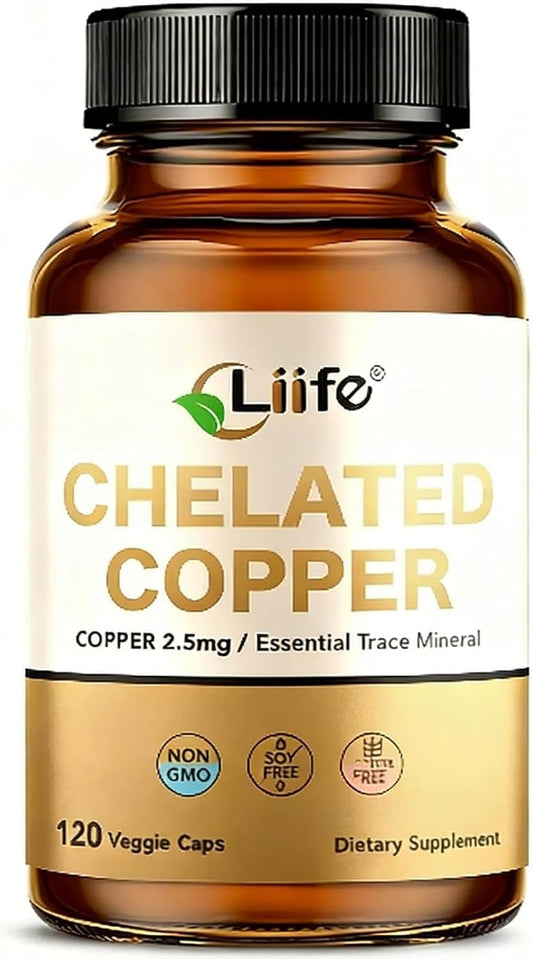
LIIFE Albion Chelated Copper 2.5 mg – Premium Copper Supplement for Energy, Collagen Support & Red Blood Cells | 120 Veggie Capsules
Unlock daily vitality with LIIFE Albion Chelated Copper LIIFE Albion Chelated Copper 2.5 mg is a thoughtfully crafted mineral supplement designed to fit into your everyday routine. Each capsule delivers copper to support essential cellular processes, including red blood cell formation, iron utilization, and...- £34.45
- £34.45
- Unit price
- per
-
Vendor:MitoSynergy
MitoSynergy MitoAdvanced BioCopper1 Cu1 – Bioavailable Copper Mitochondrial Cocktail with CoQ10, Thiamin, Ribose, Folate, Choline & Pantothenic Acid – 120 Capsules
Overview MitoSynergy MitoAdvanced BioCopper1 Cu1 is a copper supplement designed to support energy production at the cellular level. The formula pairs a patented copper source with CoQ10 and a spectrum of metabolic nutrients, all embedded in a nutrient-rich matrix. While it presents as a...- £95.45
- £95.45
- Unit price
- per
-
Vendor:Superfood MD
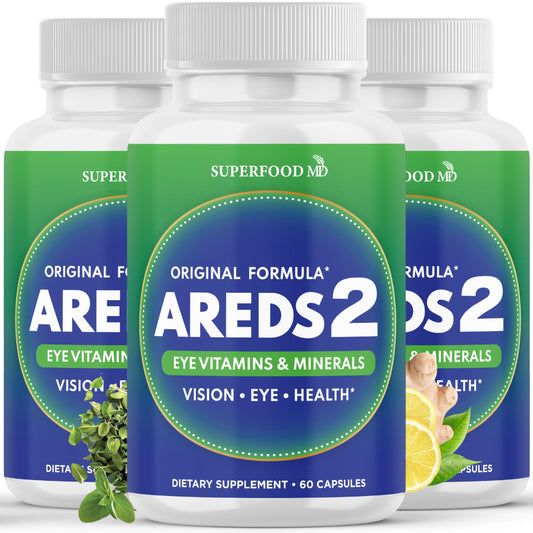
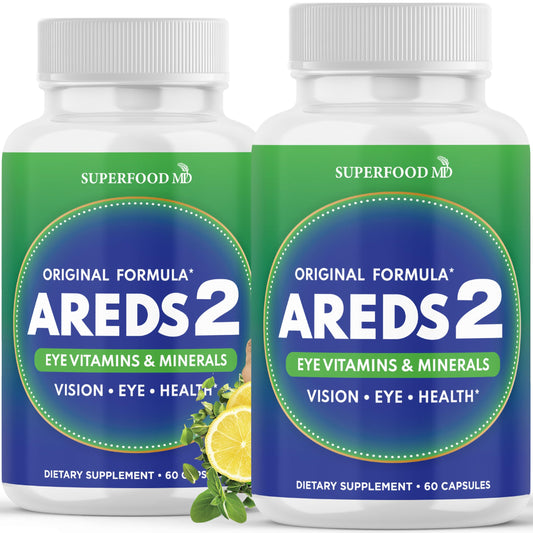
Superfood MD AREDS 2 Eye Vitamin & Mineral Supplement – 180 Count
Superfood MD AREDS 2 Eye Vitamin & Mineral Supplement is a 180-count bottle designed to align with the exact nutrient formula recommended by AMD experts at the National Eye Institute based on AREDS2. The blend includes lutein, zeaxanthin, zinc, copper, vitamin C, and vitamin...- £53.04
- £53.04
- Unit price
- per
-
Vendor:Carlson
Carlson Chelated Copper 5 mg | Superior Absorption for Circulation, Nerve Function & Immune Support | 250 Tablets
Overview Carlson Chelated Copper 5 mg is crafted to maximize absorption while delivering copper in a bioavailable form. Each tablet fits neatly into a daily routine, supporting key systems with a smooth, easy-to-swallow capsule and a bottle that provides long-lasting value with 250 tablets....- £55.29
- £55.29
- Unit price
- per
-
Vendor:Sovereign Copper
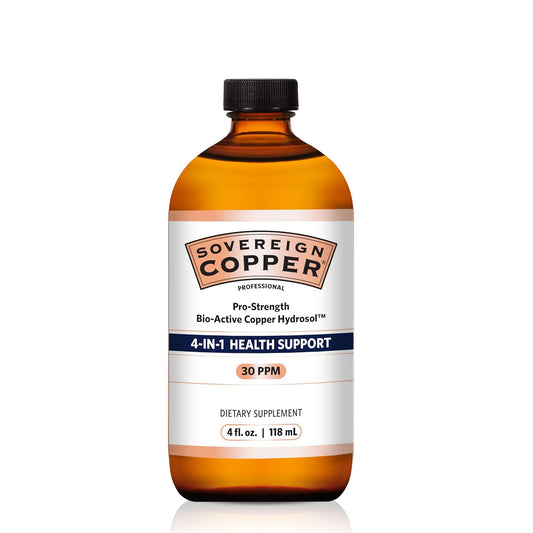
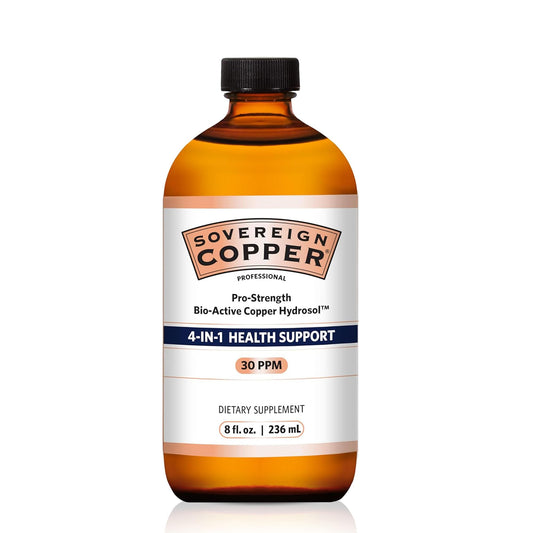
Sovereign Copper Pro-Strength Hydrosol 30ppm – Bioavailable Copper Liquid with Silver, Hair Skin Nails – 4 fl oz
OverviewSovereign Copper Pro-Strength Bio-Active Copper Hydrosol is a professional-strength liquid copper formulation at 30ppm. Paired with silver hydrosol, this formulation is designed for adults and kids to explore daily wellness within a balanced routine, without making medical claims. The compact 4 fl oz bottle...- £50.89
- £50.89
- Unit price
- per
-
Vendor:Superfood MD
AREDS 2 Eye Vitamin & Mineral Supplement with Lutein, Copper, Vitamin C; 120 Count | Superfood MD
Discover Superfood MD AREDS 2 Eye Vitamin & Mineral Supplement, a 120-count bottle designed to support daily eye wellness through a thoughtful AREDS 2 formulation. This blend combines lutein, zeaxanthin, zinc, copper, vitamin C, and vitamin E to offer a comprehensive addition to a...- £45.37
- £45.37
- Unit price
- per
-
Vendor:Sovereign Copper
Sovereign Pro-Strength Bio-Active Copper Hydrosol 30ppm – Copper for Joints, Hair, Skin & Nails (8 oz)
OverviewSovereign Pro-Strength Bio-Active Copper Hydrosol is a bioavailable copper solution designed for everyday use by adults and kids. The 30ppm formulation blends into beverages and daily routines, offering a convenient way to incorporate copper into a balanced lifestyle while enjoying a subtle mineral profile...- £73.90
- £73.90
- Unit price
- per
-
Vendor:Sovereign Copper
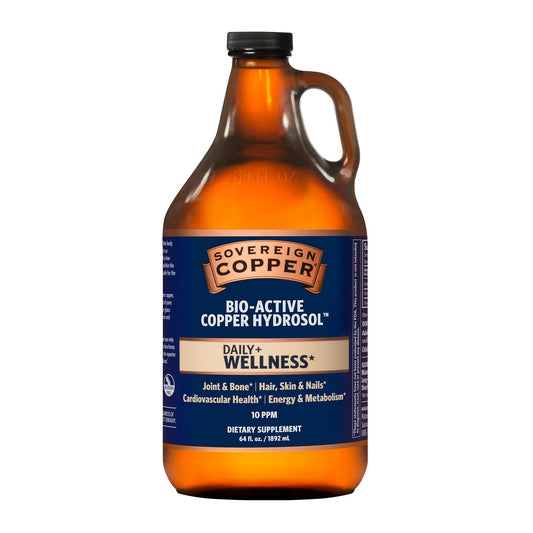
Sovereign Copper Bio-Active Copper Hydrosol Daily+ 4-in-1 Wellness (64oz)
Discover Sovereign Copper Bio-Active Copper Hydrosol Daily+ 4-in-1 Wellness, a versatile copper supplement designed to support daily vitality across multiple aspects of well-being. Packaged in a generous 64-ounce bottle, this product aims to fit into your routine with consistency and clarity. Key benefits at...- £174.21
- £174.21
- Unit price
- per