Written by a UK consumer health editor with input from practising pharmacists and paediatric clinicians, this guide explores Children’s Ibuprofen Selection vs alternatives for toddlers so you can weigh benefits, quality, compatibility, safety and fit for your family. It’s designed for parents and carers who want clear, practical and safe next steps.
Why compare children’s ibuprofen selection with alternatives?
Parents often balance symptom relief, tolerability and convenience. Children’s ibuprofen selection typically refers to paediatric ibuprofen formulations-liquids, suspensions and syrups-designed for weight-based dosing and easier swallowing. Alternatives include paracetamol (acetaminophen), topical remedies, non-drug approaches and adult-targeted products that are often unsuitable for toddlers. Comparing these options helps you match features and performance to common scenarios such as fever, teething discomfort, viral illnesses or minor injuries.
Quick primer: how the main options work
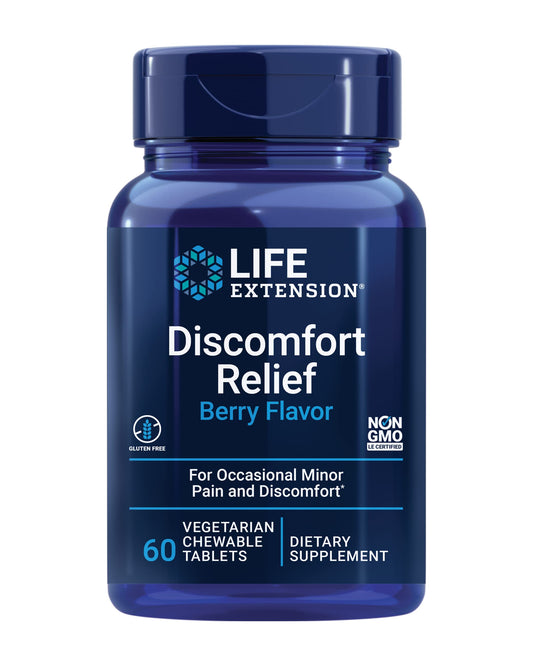
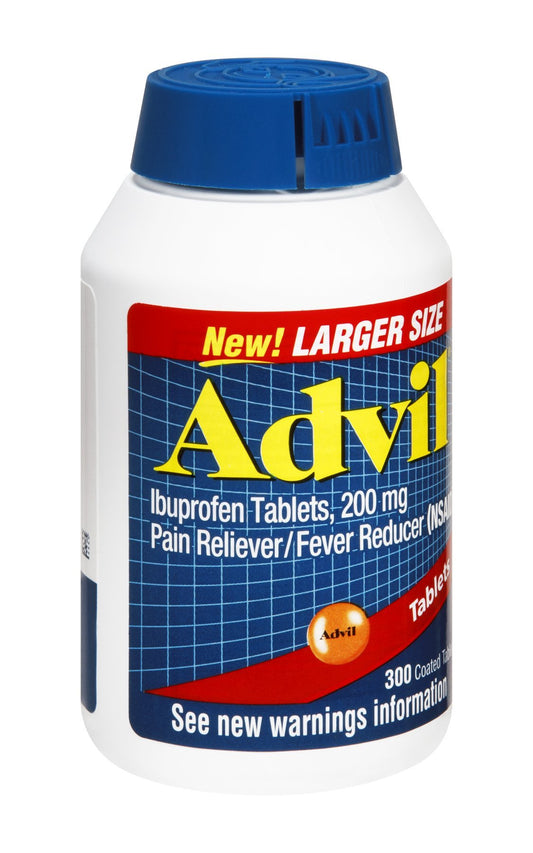
Recommended products:Advil Ibuprofen 200 mg Coated Tablets - 300 CT (Pack of 3)|Life Extension Pea Discomfort Relief - Berry Flavor, 600 mg PEA, Gluten-Free & Non-GMO - 60 Chewable Tablets
Understanding how medicines act clarifies when they’re appropriate.
Recommended products:Advil Ibuprofen 200 mg Coated Tablets - 300 CT (Pack of 3) guide
- Ibuprofen (paediatric formulations)- An NSAID (non-steroidal anti-inflammatory drug) that reduces inflammation, pain and fever by inhibiting COX enzymes. Available as suspensions and syrups with child-friendly flavours and dosing by weight.
- Paracetamol- Acts centrally to reduce pain and fever. It doesn’t have strong anti-inflammatory action but is well tolerated and widely used in infants and toddlers.
- Topical analgesics and cooling gels- Useful for localised pain like bumps or mild strains; not for systemic fever.
- Non-pharmacological measures- Hydration, rest, tepid sponging, distraction and age-appropriate pain-relief strategies often complement medicines.
- Supplements and nutraceuticals- Some adult-targeted supplements claim relief (for example, palmitoylethanolamide or PEA). These are not standard paediatric medicines and require professional advice for children.
Children’s Ibuprofen Selection vs alternatives: benefits and quality considerations
When choosing, weigh benefits, quality and compatibility with your child’s health profile.
- Benefit profile:Ibuprofen gives both anti-inflammatory and antipyretic effects, useful for sore throat with swelling or painful joints after minor injury. Paracetamol primarily reduces pain and fever.
- Quality and formulation:Look for paediatric-specific labels, clear weight-based dosing charts and reliable measuring devices. Reputable brands and pharmacy-dispensed generics meet UK regulatory standards and batch testing.
- Compatibility:Consider existing conditions-eg, asthma, dehydration or kidney disease can affect suitability for ibuprofen. Paracetamol is usually safer in certain conditions but still has dosing limits.
- Fit and features:Flavour, viscosity, dosing syringe vs spoon, and packaging child-safety caps can make a big difference in real-world use.
- Performance:Onset and duration vary-ibuprofen often acts within 30-60 minutes and may last 6-8 hours; paracetamol is typically 4-6 hours.
Practical : pros, cons and ideal use cases
Below are practical to guide decisions by common scenario.
Ibuprofen (paediatric liquid/syrup)
Pros: Effective for inflammatory pain and fever; longer duration between doses in many cases; available in child-friendly flavours and measuring syringes.
Cons: Can upset the stomach, may not suit dehydrated children or those with certain kidney conditions or active asthma; needs weight-based dosing.
Best for: Teething discomfort with swelling, sore throat with inflammation, injuries with local inflammation and moderate fever where anti-inflammatory action helps.
Paracetamol (paediatric suspension)
Pros: Widely accepted, gentle on the stomach, suitable for many infants and toddlers; easy to dose by weight.
Cons: Lacks strong anti-inflammatory effects; risk of overdose if parents combine multiple paracetamol-containing products.
Best for: General fever relief, mild pain, and when ibuprofen is contraindicated or not tolerated.
Topical remedies and non-drug approaches
Pros: Minimal systemic effects, targeted relief for bumps, teething discomfort and muscle aches; complementary to oral medicines.
Cons: Limited to localised issues; not effective for systemic fever or deep pain.
Best for: Minor bumps, sore gums (cold teething ring), mild sprains and soothing skin.
Supplements and adult-targeted tablets
Pros: May offer relief for adults; some supplements like PEA have mechanistic rationale for reducing discomfort in adults.
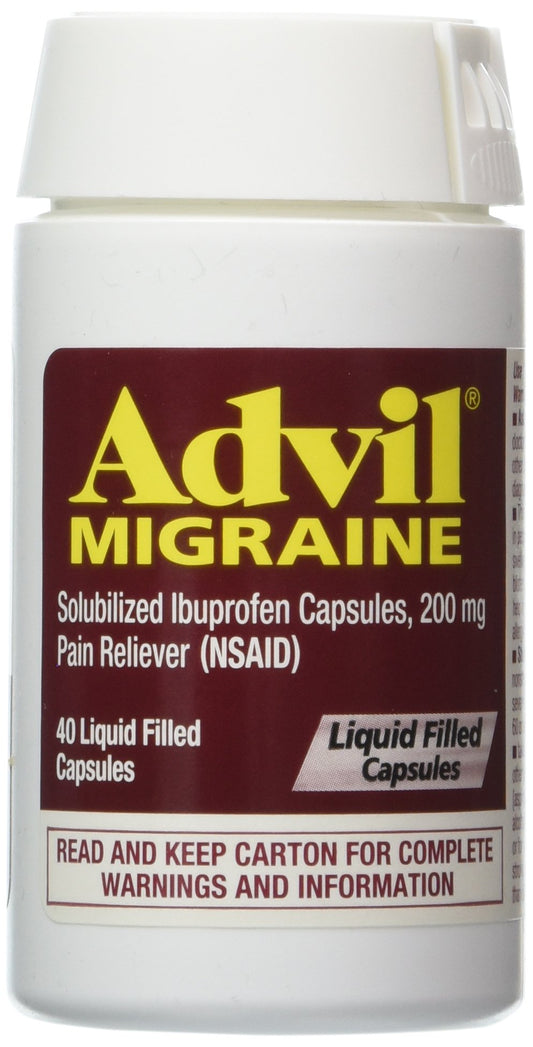
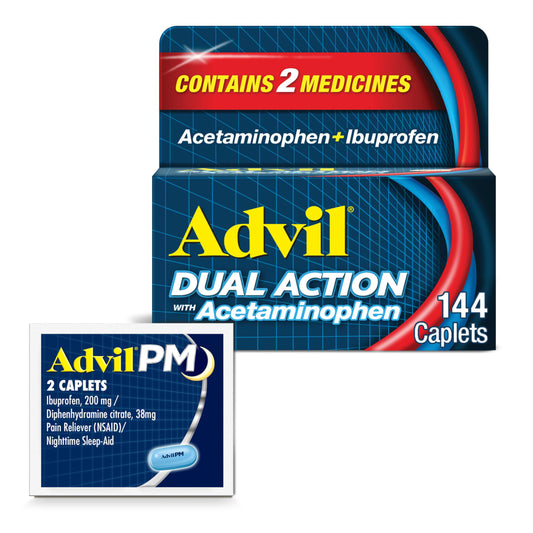
Cons: Not proven or licensed for toddlers in the UK; adult tablets (for example the commonly stocked 200 mg formulations) can be hazardous if given incorrectly to children.
Recommended products: Advil Ibuprofen 200 mg Coated Tablets - 300 CT (Pack of 3) | Read Advil Ibuprofen 200 mg Coated Tablets - 300 CT (Pack of 3)
Best for: Adults or older children where the product is licensed; always consult a pharmacist or GP before considering anything off-label for a toddler.
Material and technology science: how formulations and active ingredients work
Formulation matters. Paediatric suspensions disperse the active ingredient in a liquid vehicle, often with solubilising agents, flavours and preservatives. These excipients affect palatability, stability and how the drug is absorbed. Ibuprofen is a weak acid that is absorbed in the gut and distributed systemically; its anti-inflammatory effect comes from inhibiting cyclo-oxygenase (COX) enzymes, lowering prostaglandin synthesis. Paracetamol’s mechanism is less anti-inflammatory and more central on pain pathways and thermoregulation centres in the brain.
Some supplements, like palmitoylethanolamide (PEA), are believed to modulate the endocannabinoid system and neuroinflammation; clinical evidence in adults exists but paediatric data are limited. For context, the Life Extension PEA chewable supplement addresses adult discomfort and carries its own formulation traits-read the label and consult a clinician before any off-label use. For product details see the Life Extension PEA chewable tablets here:Life Extension PEA Discomfort Relief - Berry Flavor, 600 mg PEA.
Climate and seasonal impacts on performance and choice
Seasonal factors change prevalence and presentation of toddler ailments and can affect product performance or choice:
- Winter respiratory season:Fever and sore throats rise; liquids may be easier to administer if the child resists swallowing pills. Consider compatibility with concurrent cold remedies.
- Summer dehydration risk:Ibuprofen is best avoided when a child is dehydrated because of potential strain on kidneys. Paracetamol may be safer if fluid intake is low but seek medical advice for severe dehydration.
- Allergy seasons:If inflammation is partly driven by allergic rhinitis, topical or non-drug symptom control plus antihistamine guidance from a pharmacist or GP may be relevant.
Safety warnings, age and dosing limits
Safety is paramount. Dosage must be by weight and age according to the product’s label and UK paediatric guidance. Key points:
- Always use the measuring device supplied. Household spoons are inaccurate.
- Do not exceed the maximum daily dose in 24 hours. If symptoms persist more than 48-72 hours, see your GP or NHS 111.
- Avoid giving both ibuprofen and paracetamol together unless advised by a healthcare professional-many parents alternate them, but this should be done only with clear instructions on timing and total daily amounts.
- Never give aspirin to children under 16 because of the risk of Reye’s syndrome.
- Avoid ibuprofen in children who are dehydrated, have severe vomiting, pre-existing renal problems, or in some severe asthma cases. Discuss with your pharmacist or GP.
- Check active ingredients in combination cold/flu products to prevent accidental paracetamol overdose.
Adult analgesics are not appropriate for toddlers. For example, adult 200 mg ibuprofen coated tablets are formulated for adults and older adolescents; they are not a substitute for paediatric formulations. Parents should not break or split adult tablets for toddler dosing without clear clinical guidance. For reference on adult tablets often found in stores, see one commonly stocked adult option here:Advil Ibuprofen 200 mg Coated Tablets - 300 CT.
Maintenance and care checklist for medicines at home
Recommended products:Learn about Advil Ibuprofen 200 mg Coated Tablets - 300 CT (Pack of 3)| Advil Ibuprofen 200 mg Coated Tablets - 300 CT (Pack of 3)
Recommended products: Advil Ibuprofen 200 mg Coated Tablets - 300 CT (Pack of 3) guide | Read Advil Ibuprofen 200 mg Coated Tablets - 300 CT (Pack of 3)
Store and use paediatric medicines safely with this checklist:
- Check the expiry date before use; discard after expiry.
- Store in a cool, dry place away from direct sunlight and heat; some suspensions advise refrigeration after opening-follow the label.
- Keep in original packaging with dosing chart visible.
- Use the dosing syringe or spoon that came with the product; clean and dry it between uses.
- Record time and dose when you administer medicine to avoid accidental double dosing.
- If your child refuses a dose, don’t force them; seek advice on alternative dosing or flavour formulations.
- Replace measuring devices if lost; buy a replacement from a pharmacy rather than improvising.
Practical vs checklist and table
Use this checklist before deciding which option to buy or use:
- Is the product licensed for your child’s age and weight?
- Does the product include a clear dosing chart and measuring device?
- Are there known health conditions (asthma, renal problems, allergies) affecting suitability?
- Is the goal fever reduction, anti-inflammatory action or local relief?
- Do you need long-duration relief or rapid onset?
| Option | Pros | Cons | Best use-case |
|---|---|---|---|
| Children’s ibuprofen (liquid) | Anti-inflammatory, longer effect | Not for dehydrated children or some asthma cases | Inflammatory pain, sore throat, fever with swelling |
| Children’s paracetamol (liquid) | Gentle, widely accepted | Less anti-inflammatory | General fever and mild pain |
| Topical remedies | Localised, fewer systemic effects | Limited to surface issues | Bumps, mild sprains, teething gum relief |
| Supplements (eg PEA chewables) | May help adult chronic discomfort | Limited paediatric evidence, not licensed for toddlers | Adult or older child adjuncts under clinician advice |
How to choose the right product: fit, features and performance
Choose based on the condition you’re treating, your child’s medical history and practical factors like palatability and dosing tools. Consider:
- Fit:Age and weight-appropriate formula with an accurate dosing guide.
- Features:Child-resistant cap, measuring syringe, clear label, flavour options.
- Performance:Onset time, duration of action and whether anti-inflammatory effect is required.
Recommended products: Read Life Extension Pea Discomfort Relief - Berry Flavor, 600 mg PEA, Gluten-Free & Non-GMO - 60 Chewable Tablets | Life Extension Pea Discomfort Relief - Berry Flavor, 600 mg PEA, Gluten-Free & Non-GMO - 60 Chewable Tablets
Budget picks and value choices (without pricing)
Value doesn’t have to mean lower quality. Look for pharmacy brands and licensed generics that provide clear dosing, durable measuring syringes and good stability. Buying a trusted manufacturer that offers longer expiry or a multi-dose bottle can reduce waste and trips to the pharmacy. If you prefer to shop a curated selection, browse a specially grouped selection that focuses on paediatric ibuprofen options here:Children’s Ibuprofen Selection collection. You can compare formulations and features across brands by visiting the same collection for detail:browse children’s ibuprofen selection.
How parents use both medicines safely
Common safe-use practices include:
- Weigh your child regularly-weight-based dosing is key to accuracy.
- Keep a medicine log (time, dose, reaction).
- Consult your pharmacist on interactions if your child is on other medications or has chronic conditions.
- When in doubt, call NHS 111 or your GP for immediate guidance.
Topical and physical care for seasons and situations
In colder months, viral fevers can be common; ensure humidity and hydration. In warmer weather, be aware of heat-related discomfort-avoid overdosing and seek medical help if fever is very high or prolonged. For teething, chilled (not frozen) teething rings and gum massage can be safe first-line measures before medicine.
Brand and product notes, and where to read more
Reliable brands follow UK MHRA labelling and provide clear dosing instructions. If you want a curated range to compare pack features and labelling quickly, visit the product grouping here:Children’s Ibuprofen Selection collection. For additional context on age and weight dosing, see our practical dosing guide for parents:Children’s ibuprofen selection for first time parents: age and weight dosing advice. For brand-focused guidance on options by age and weight, this related overview may help:Children’s Ibuprofen Selection: best options for different ages and weights (UK brands)?
If you prefer to compare available paediatric ibuprofen options in one place, you can review the curated selection here:see children’s ibuprofen selection. For parents interested in the wider range of supportive products and multi-use items, the same collection allows vs vs of features and compatibility:compare children’s ibuprofen selection.
When to seek medical care
Seek urgent medical attention if your toddler has:
- Persistent high fever >39°C despite treatment or lasting more than 48-72 hours
- Signs of dehydration (very dry mouth, reduced urine output, drowsiness)
- Severe breathing difficulties, rash with fever, persistent vomiting, fits or loss of consciousness
Practical examples: choosing for common toddler scenarios
Scenario-based guidance:
- Teething with local gum soreness and mild fever:Try paracetamol if there’s no swelling; if gums appear inflamed, a paediatric ibuprofen may reduce discomfort and swelling-check age and weight guidance.
- Minor bump with swelling:Ibuprofen’s anti-inflammatory action can be helpful, combined with rest and cold compress.
- General viral fever without local inflammation:Paracetamol is often adequate; maintain fluids and monitor symptoms.
FAQ: Is ibuprofen better than paracetamol for toddlers?
Both have roles. Ibuprofen provides anti-inflammatory action and longer effect for some conditions, while paracetamol is widely tolerated and effective for fever and general pain. The right choice depends on the cause of symptoms, your child’s medical history and weight-based dosing. Consult your pharmacist or GP for tailored advice.
FAQ: Can I alternate paracetamol and ibuprofen?
You can alternate them in some situations, but only with precise timing and clear understanding of total daily doses. Many clinicians recommend alternating only when fever is severe or persistent and after discussing a plan with a pharmacist or GP to prevent accidental overdose.
FAQ: Are adult ibuprofen tablets safe if I crush them for a toddler?
No. Adult tablets are dosed for grown-ups and may contain excipients and strengths inappropriate for toddlers. Use licensed paediatric formulations and follow weight-based dosing or ask a pharmacist for safe alternatives.
Final assessment and how to proceed
Children’s ibuprofen selection vs alternatives is not a question of universally one being better-it's about matching the medicine’s benefits and performance to the child’s symptoms, health status and family needs. Look for licensed paediatric products with clear dosing, measure doses accurately, and prioritise safety checks such as avoiding use in dehydration or uncontrolled asthma. For a curated set of paediatric ibuprofen options and to compare product features, visit the Children’s Ibuprofen Selection collection:Children’s Ibuprofen Selection collection. If you’re exploring supplements or adult products for context, treat them as informational and seek clinical advice before any use in toddlers; see product information for adult-targeted items here:Life Extension PEA Discomfort Relief - Berry Flavor, 600 mg PEA.
If you have ongoing concerns about dosing or compatibility with chronic conditions, consult your GP, paediatric nurse or local pharmacist. For quick access to a variety of paediatric ibuprofen options and to compare packaging, dosing tools and features, visit the curated collection:browse the children’s ibuprofen selection. These selections can help you choose by quality, fit and practical features without compromising safety.
Content reviewed with input from practising UK pharmacists and paediatric clinicians to ensure accuracy and relevance to parents and carers in the UK. This article provides general information and is not a substitute for professional medical advice.