








Carrier Oils for Skin & Hair Care
Explore a curated range of carrier oils designed for everyday topical routines and reliable essential oil dilution. In the United Kingdom, these plant-based oils are a practical foundation for aromatherapy blends, body massage, and straightforward skincare and haircare rituals. Choose a fast-absorbing texture for facial use or a richer finish for dry areas, then adjust your routine with consistent, measurable application.
The collection features popular options such as jojoba oil, sweet almond oil, grapeseed oil, fractionated coconut oil, and avocado oil. Each carrier oil has its own fatty acid profile and skin feel, helping you create a simple facial oil, a scalp massage blend, or an after-shower body moisturiser without unnecessary additives. For home aromatherapy, carrier oils improve spreadability and comfort, supporting safer dilution when combining with essential oils.
How to choose a carrier oil
Start with your intended use and preferred finish. Lighter oils often suit facial massage, gua sha, and quick-absorbing skincare, while more emollient choices can support intensive moisture for elbows, knees, and protective hair care.
- Essential oil blending: a stable base for dilution
- Skincare: cleansing, moisturising, and massage glide
- Hair treatment: pre-wash care, ends smoothing, scalp massage
- Body care: massage oil and post-shower hydration
Quality cues and everyday use
Look for clear labelling, ingredient transparency, and storage guidance (cool, dark conditions help preserve freshness). Choose a bottle size that matches how often you blend or apply. Prices are shown in GBP, making it easy to build a practical set for essential oil dilution, massage, skincare, and hair treatment at home.
-
Vendor:dève herbes
dève herbes Babchi Oil Bakuchi – Cold Pressed Pure Carrier Oil for Skin & Massage | 100ml x 2
Discover the pure Babchi oil from dève herbes, a cold pressed carrier oil derived from Psoralea corylifolia. Housed in amber glass to help preserve potency, this two bottle set delivers a lightweight, non-greasy base ideal for daily skin care and massage routines.What you get...- £53.08
- £53.08
- Unit price
- per
-
Vendor:Plant Therapy
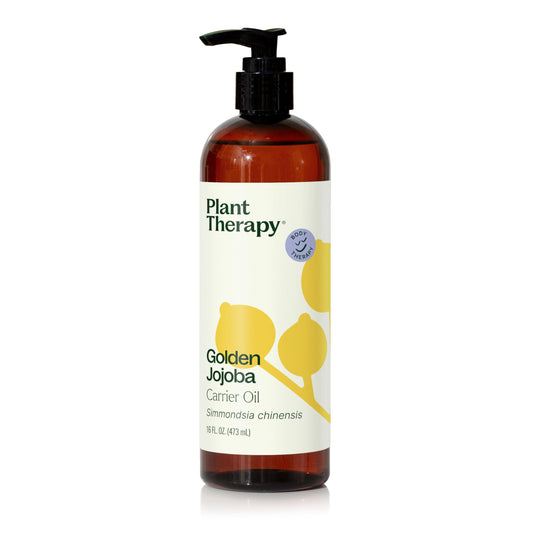
Plant Therapy Jojoba Golden Carrier Oil 16 oz – 100% Pure, Cold-Pressed, GMO-Free Carrier Oil for Skin Care & Essential Oils
Pure, versatile base oil Plant Therapy Jojoba Golden Carrier Oil is a 16 oz bottle of 100% pure, golden jojoba that is cold-pressed and GMO-free. Free from additives, it offers a long shelf life and a naturally light texture that may momentarily cloud in...- £51.99
- £51.99
- Unit price
- per
-
Vendor:Dr Adorable
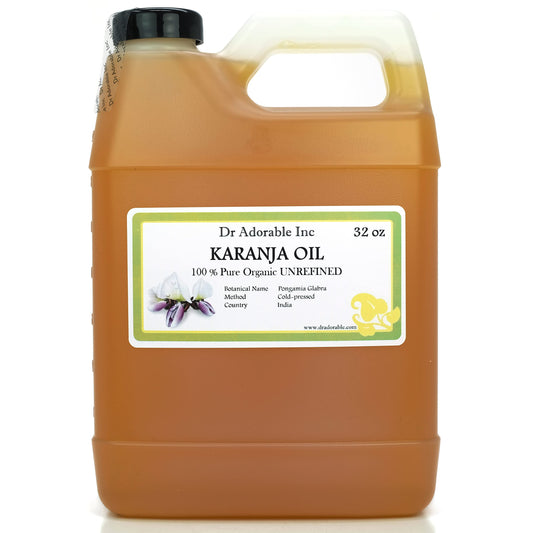
Dr Adorable - 32 oz Karanja Oil - Unrefined 100% Pure Cold-Pressed
Discover Dr Adorable Karanja Oil Meet the 32 oz bottle of Karanja Oil from Dr Adorable — a pure, unrefined oil pressed from Pongamia glabra seeds. This cold pressed method helps preserve fatty acids that support everyday moisture and nourishment for skin and hair....- £54.90
- £54.90
- Unit price
- per
-
Vendor:Essential Delights
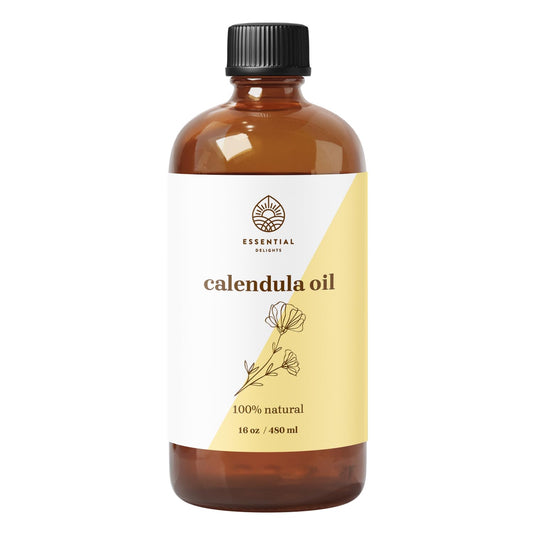
Essential Delights Calendula Oil - Premium Carrier Oil for Skin, Face, Body & Hair | 16 Fl Oz | Vegan & Cruelty-Free
Timeless nourishment for skin, hair, and daily routines Essential Delights Calendula Oil is crafted by infusing bright calendula blossoms in a nourishing sunflower oil base. The result is a clear golden oil with a subtle floral aroma and a silky feel that glides smoothly...- £50.89
- £50.89
- Unit price
- per
-
Vendor:Plant Therapy
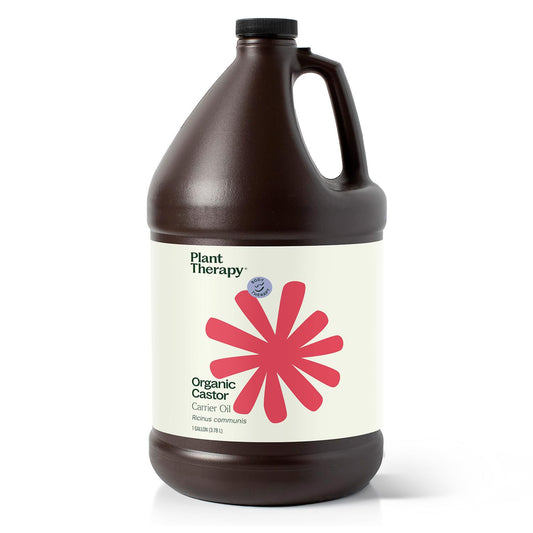
Plant Therapy Organic Castor Oil – Cold-Pressed, Hexane-Free, 1 Gal | Dry Skin, Hair & Lash Care
Plant Therapy Organic Castor Oil — Cold-Pressed, Hexane-Free, 1 Gallon Discover a rich, amber-tinted oil that is USDA Organic, cold-pressed, hexane-free, and 100% pure. Packaged in a convenient gallon size, this castor oil is designed for long-term use across your skin, hair, and lash...- £109.78
- £109.78
- Unit price
- per
-
Vendor:Zongle Therapeutics
Zongle Therapeutics Organic Black Seed Oil — Cold-Pressed, 4 oz for Hair, Face & Immune Support
Pure, Cold-Pressed Black Seed Oil Zongle Therapeutics Organic Black Seed Oil arrives in a 4 oz bottle, crafted from premium Nigella sativa seeds. The oil is cold-pressed to capture a full spectrum of natural nutrients, preserving aroma, potency, and a lightweight, non-greasy feel that...- £50.85
- £50.85
- Unit price
- per
-
Vendor:dève herbes
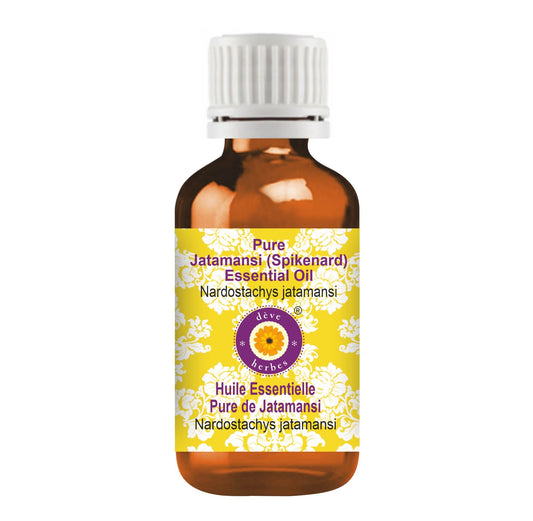
dève herbes Jatamansi (Spikenard) Essential Oil – Pure, Lightweight 5ml
Experience Jatamansi Oil The earthy, calming aroma of dève herbes Jatamansi essential oil comes from a pure, single ingredient oil steam distilled from Nardostachys jatamansi. The 5ml amber glass bottle preserves potency and keeps the fragrance ready for blending into your routine. Lightweight and...- £46.51
- £46.51
- Unit price
- per
-
Vendor:Dr Adorable
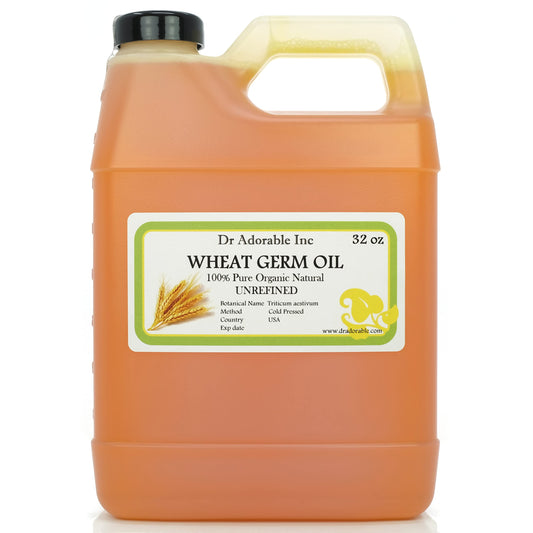
Dr Adorable Wheat Germ Oil Unrefined 32 oz – Pure Cold-Pressed
Discover the natural versatility of Dr Adorable Wheat Germ Oil This premium 32 oz bottle captures the heart of wheat kernels in a 100% pure, natural, and organic oil that is cold-pressed to preserve a rich nutrient profile. From the USA, the oil carries...- £63.20
- £63.20
- Unit price
- per
-
Vendor:Seven Minerals
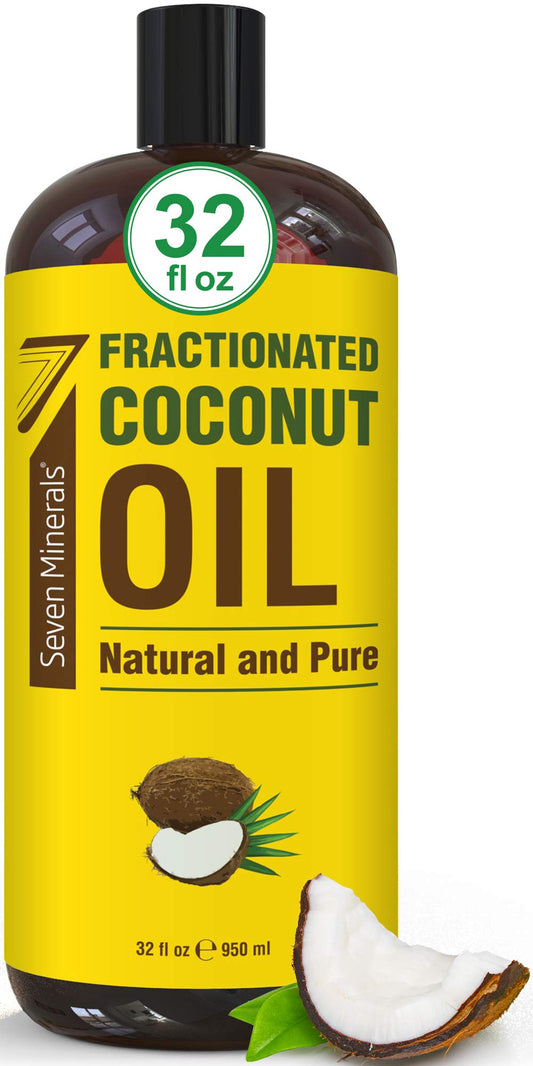
Seven Minerals Pure Fractionated Coconut Oil – 32 oz Non-GMO, 100% Natural Carrier Oil for Massage, Skin & Hair
Seven Minerals Pure Fractionated Coconut Oil offers a clean, versatile base for daily self care. Bottled in California and crafted from a single ingredient, this 100% pure fractionated coconut oil provides a lightweight feel that blends smoothly with essential oils and skin care products....- £45.31
- £45.31
- Unit price
- per
-
Vendor:Pifito
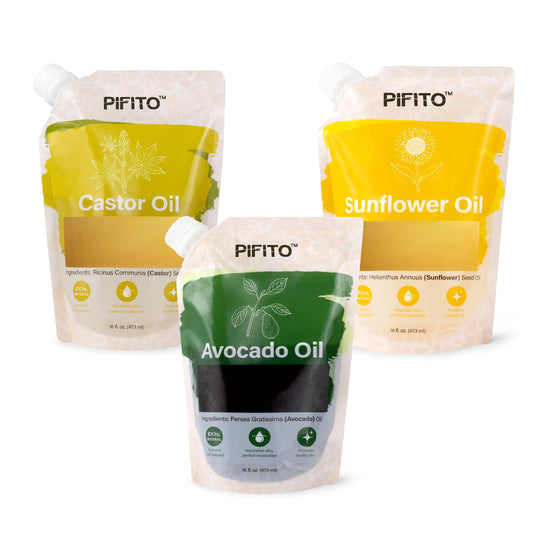
Pifito Soap Making Oils Sampler — Castor, Avocado & Sunflower Oils (16 oz Each)
Discover the Pifito Soap Making Oils Sampler Explore three 100% pure, natural carrier oils in a convenient set designed for DIY enthusiasts and hobby chemists alike. Each oil arrives in a 16 oz bottle, delivering a total of 48 oz of versatile ingredients you...- £59.36
- £59.36
- Unit price
- per
-
Vendor:Pifito
Pifito Soap Making Oils Sampler – Sweet Almond, Grapeseed & Apricot Kernel Oils (16 oz each)
Premium Carrier Oils for DIY Skincare and Soap Crafting The Pifito Soap Making Oils Sampler brings together three 16 oz bottles of 100% pure, natural carrier oils—Sweet Almond, Grapeseed, and Apricot Kernel. Each oil is cosmetic grade with no additives or dilution, designed to...- £58.27
- £58.27
- Unit price
- per
-
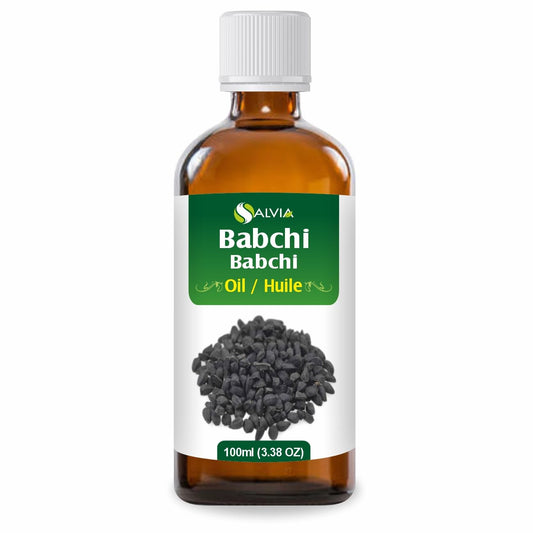
Vendor:Salvia
Salvia Babchi Oil (Psoralea Corylifolia) – 100% Pure Cold-Pressed Carrier Oil | Aromatherapy & Skincare
Meet Salvia Babchi Oil Salvia Babchi Oil is a 100% natural, pure carrier oil pressed from Psoralea Corylifolia. Uncut and cold-pressed, it preserves natural richness that translates to a soft, reddish-orange glow and a sweet, inviting aroma. This makes it a flexible addition to...- £40.16
- £40.16
- Unit price
- per
-
Vendor:Cliganic
Cliganic Organic Apricot Oil 100% Pure (16oz) – Cold-Pressed, Unrefined
Cliganic Organic Apricot Oil — pure, simple, effectiveCliganic Organic Apricot Oil is a 100% pure apricot kernel oil, cold-pressed and unrefined to preserve its natural characteristics. Packaged in a generous 16oz bottle, this single-ingredient oil offers a lightweight, non-greasy feel that absorbs easily into...- £41.03
- £41.03
- Unit price
- per
-
Vendor:Dr Adorable
Dr Adorable 32 oz Flax Seed Oil - Organic Cold-Pressed, Unrefined
Organic Flax Seed Oil: Pure, Cold-Pressed Goodness Dr Adorable's 32 oz flax seed oil is sourced from premium flax seeds and produced using a careful cold-press method. This unrefined, golden oil preserves natural antioxidants and nourishing fats, creating a versatile product that can elevate...- £55.52
- £55.52
- Unit price
- per
-
Vendor:Dr Adorable
Dr Adorable Walnut Oil 32 oz – 100% Pure Cold-Pressed Organic
Dr Adorable Walnut Oil offers a naturally nourishing experience for your daily beauty routine. This premium oil is pressed from carefully selected Juglans regia, delivering a pure, additive-free formula that suits all skin types and hair textures. The lightweight texture glides onto the skin...- £41.90
- £41.90
- Unit price
- per
-
Vendor:Dr Adorable
Dr Adorable Calendula Oil 32oz – 100% Pure, Organic & Calendula-Infused
Discover Dr Adorable Calendula Oil Experience the natural elegance of Calendula Oil from Dr Adorable. This generous 32 oz bottle blends Calendula officinalis flowers with organic sweet almond oil to create a lightweight, nourishing drop that fits seamlessly into daily skincare routines. Free from...- £81.93
- £81.93
- Unit price
- per
-
Vendor:Dr Adorable
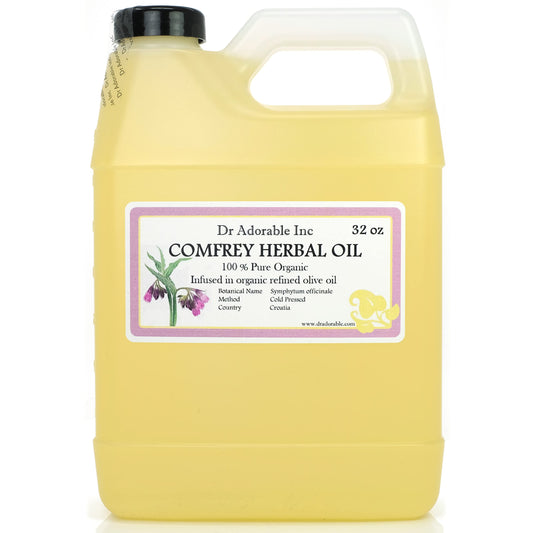
Dr Adorable - 32 oz Comfrey Herbal Oil – 100% Pure, Organic & Natural
Discover the natural power of comfrey for your skin Dr Adorable’s 32 oz Comfrey Herbal Oil is crafted by infusing 100% pure comfrey leaves into organic refined olive oil. The result is a softly herbal, amber-hued oil with a light, non-greasy finish that glides...- £82.27
- £82.27
- Unit price
- per
-
Vendor:uh*Roh*Muh
uh*Roh*Muh Olive Oil Pomace Carrier Oil – Pure & Unadulterated, Spain/Italy/Tunisia | 1G (3.6 kg)
Meet uh*Roh*Muh Olive Oil Pomace Carrier Oil — a versatile, refined base derived from olive pulp. This pure and neutral oil blends smoothly into cosmetic formulas, massage preparations, and daily skincare routines. Packaged as a 1 gallon container, it reflects a commitment to purity,...- £88.74
- £88.74
- Unit price
- per
-
Vendor:dève herbes
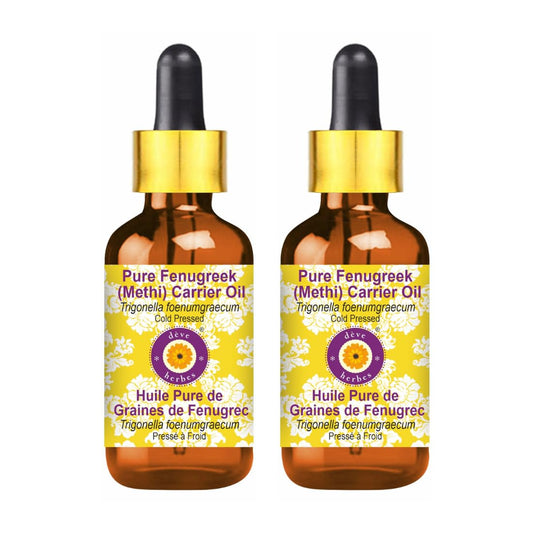
deve-herbes Pure Fenugreek Oil (Methi) – 100ml x 2, Cold-Pressed Carrier Oil with Glass Dropper
OverviewDiscover the subtle strength of fenugreek with this pure carrier oil from deve herbes. Cold-pressed from Trigonella foenumgraecum seeds, it arrives in a pair of amber glass bottles with a glass dropper to help you measure every application. The oil is undiluted, alcohol- and...- £64.04
- £64.04
- Unit price
- per
-
Vendor:dève herbes
dève herbes Babchi Oil (Bakuchi) – Cold-Pressed, Pure Carrier Oil, 300ml
Elevate your routine with de8ve herbes Babchi Oilde8ve herbes Babchi Oil (Bakuchi), pressed from Psoralea corylifolia, is a pure carrier oil designed for everyday skin care and for diluting essential oils. Packaged in a durable aluminium bottle, the 300ml (10 oz) size helps preserve...- £64.04
- £64.04
- Unit price
- per