








Colloidal Gold Mineral Supplements
Explore Elovita UK Supplement’s curated collection of colloidal gold mineral supplements, selected for shoppers who prefer clear ingredient information and consistent daily routines. Colloidal gold is commonly considered within the wider context of trace minerals, mineral supplements, and overall wellness support. Each product listing is structured to help you compare options quickly, with straightforward details that make it easier to choose what fits your needs in the United Kingdom, with prices displayed in GBP.
Many customers browse this range alongside related categories such as colloidal minerals, colloidal silver, and blended vitamin and mineral supplements. If you’re building a supplement stack, it can be helpful to consider how colloidal preparations may sit alongside vitamins and minerals you already use, such as a multivitamin-mineral blend. Clear labelling, practical serving directions, and storage advice are prioritised to support confident selection.
What to check before choosing
When comparing colloidal gold options, focus on format and concentration, plus serving size and any guidance for routine use. If you already take other supplements and vitamins, checking for ingredient overlap can help keep your regimen simple.
- Concentration and suggested serving guidance
- Format suitability for daily or occasional use
- Compatibility with existing vitamins and minerals
- Labelling clarity, storage, and allergen notes
Related collections to explore
To refine your approach, you may also want to compare nearby categories such as minerals & supplements, colloidal minerals, and colloidal silver. These related collections can help you align your choices with your lifestyle—whether you prefer targeted additions or broader blended formulas—while keeping your routine manageable.
-
Vendor:NEW AGE
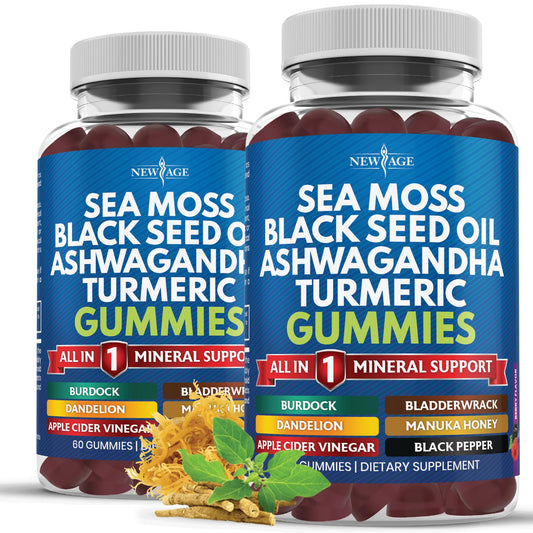
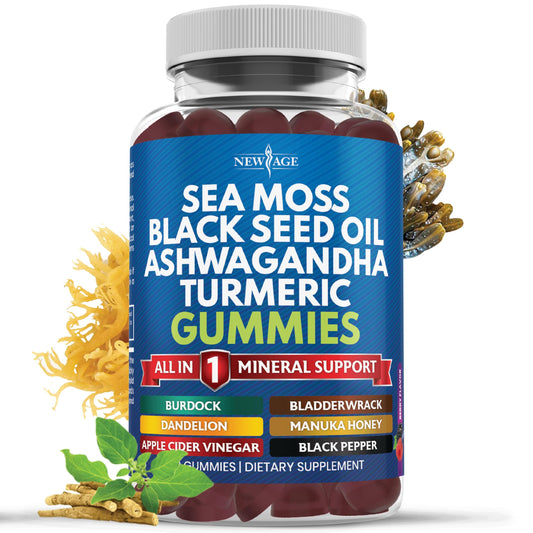
NEW AGE Sea Moss Gummies 10-in-1 Vegan Supplement – Black Seed, Ashwagandha, Turmeric, Manuka Honey (120 Count)
Discover NEW AGE Sea Moss Gummies, a versatile 10-in-1 vegan supplement designed to fit into your daily routine. Each gummy blends sea moss with a curated mix of botanicals, delivering a balanced blend that supports everyday vitality. This 120-count bottle offers a convenient, tasty...- £50.85
- £50.85
- Unit price
- per
-
Vendor:NEW AGE
NEW AGE Sea Moss Gummies 60 Count – 10-in-1 Vegan Formula with Sea Moss, Black Seed, Ashwagandha, Turmeric
Discover NEW AGE Sea Moss Gummies, a 60-count vegan supplement designed for everyday nourishment. This 10-in-1 blend weaves sea moss with a curated mix of botanicals, delivering a convenient, tasty way to support your daily wellness routine. The chewy gummies offer a pleasant way...- £43.18
- £43.18
- Unit price
- per
-
Vendor:Liquid Gold ORMUS
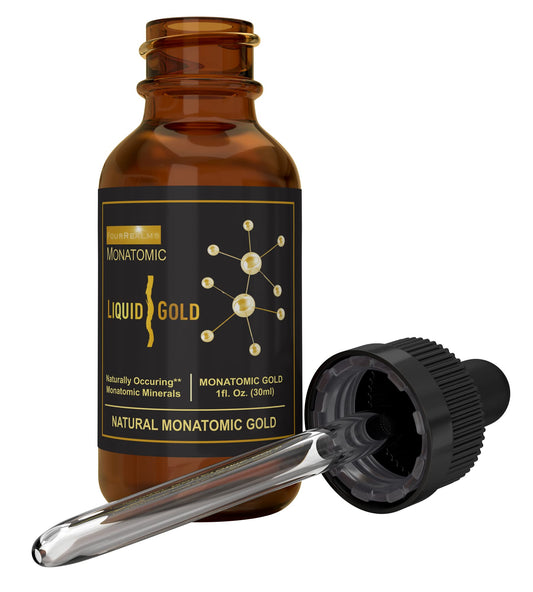
Liquid Gold ORMUS Monoatomic Gold Drops – Pure M-State Minerals (1 oz)
OverviewDiscover Liquid Gold ORMUS Monoatomic Gold Drops, a compact, dropper-ready bottle designed for daily use. This pure elixir blends M-State minerals with White Powder Gold in a clean, two-ingredient formula. Derived from natural monoatomic mineral sources and distilled water, the solution is crafted for...- £45.21
- £45.21
- Unit price
- per
-
Vendor:ZP.TECH
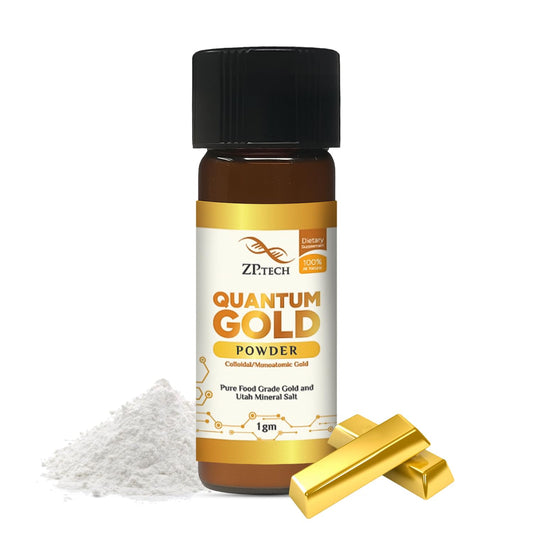
ZP.TECH Quantum Gold Ormus – 24K Monoatomic Gold & Nano Colloidal Gold (2oz) for Focus, Dreaming & Energy
OverviewDiscover ZP.TECH Quantum Gold Ormus, a premium 24K monoatomic gold and nano-colloidal gold supplement crafted in Utah. Produced in small batches, this formulation blends sacred Ormus gold with high-frequency mineral salts to create a clear, balanced energy profile that can support daily rituals and...- £44.32
- £44.32
- Unit price
- per
-
Vendor:ZP.TECH
Quantum Gold 24K Ormus Gold Concentrate | Pure Monoatomic Gold Powder by ZP.TECH | Pineal Gland Support & Mental Clarity
Quantum Gold 24K Ormus Gold Concentrate Since 2007, ZP.TECH has pursued Ormus science, turning a rare substance into a refined daily practice. Our 24K food-grade monoatomic gold is produced with a high-frequency energy through crystallized mineralization, blending ancient mineral wisdom with modern purity. Each...- £44.33
- £44.33
- Unit price
- per
-
Vendor:Sirius Metals
True Colloidal Gold – 25 ppm, 99.99+% Purity, 500 mL – Made in USA | Sirius Metals
Premium Attributes Sirius Metals True Colloidal Gold presents a vivid, color-rich solution anchored by 25 ppm gold nanoparticles suspended in pharmaceutical-grade water. Crafted for high-purity standards, the liquid carries a deep red hue and a clear, stable appearance that reflects careful formulation and quality...- £45.31
- £45.31
- Unit price
- per
-
Vendor:NutriNoche
NutriNoche Colloidal Gold Liquid – 100% Pure Nano Gold Mineral, 8 oz – Mental Clarity, Focus & Relaxation – Vegan, Gluten-Free
Pure Nano Gold for daily wellness NutriNoche Colloidal Gold Liquid is a premium two ingredient formula featuring 99.99 percent crystalline nano gold particles and pure vapor distilled water. There are no fillers, additives, salts, or proteins, delivering a compact purity you can feel as...- £42.65
- £42.65
- Unit price
- per
-
Vendor:Global Healing Center
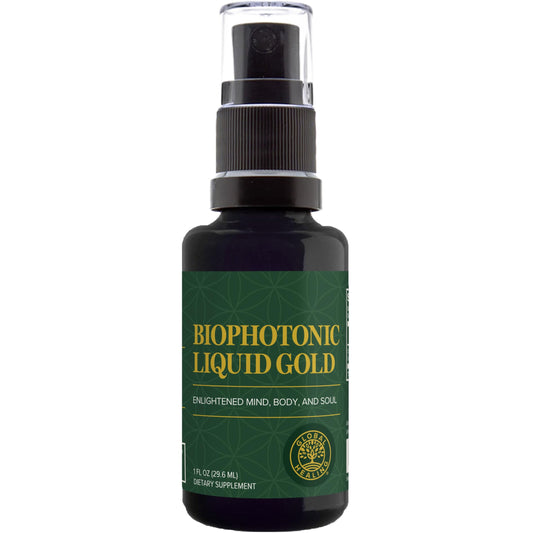
Global Healing Center Biophotonic Liquid Gold Supplement Spray – 1 Fl Oz
Biophotonic Liquid Gold Spray — a compact wellness companion Meet Global Healing Center's Biophotonic Liquid Gold Supplement Spray, a convenient 1 fl oz bottle designed to blend seamlessly into busy routines. This spray format provides a quick, tasting-light way to incorporate a daily wellness...- £72.76
- £72.76
- Unit price
- per
-
Vendor:NutriNoche
NutriNoche Colloidal Gold Liquid – Nano Gold 30 ppm, 32 oz | Mental Clarity, Focus & Relaxation | Vegan & Gluten-Free
OverviewNutriNoche Colloidal Gold Liquid is a purposefully simple, premium supplement crafted from just two ingredients: 99.99% crystalline nano gold particles suspended in pure, vapor-distilled water. The result is a clear, light-golden liquid that easily blends into your day without fillers, salts, or proteins. This...- £77.97
- £77.97
- Unit price
- per
-
Vendor:provspro
Provspro Colloidal Gold 100ppm – 24K Nano Gold Electrolyte for Focus & Vitality | 4 oz
Premium Gold Nanoparticle Formula Discover a high-purity colloidal gold solution crafted for daily wellness. ProvSpro Colloidal Gold 100ppm uses 99.99% pure 24K gold suspended in ultra-purified water, produced through a precise electrolysis process to ensure consistent composition and a clean sensory profile with every...- £45.41
- £45.41
- Unit price
- per
-
Vendor:4Life
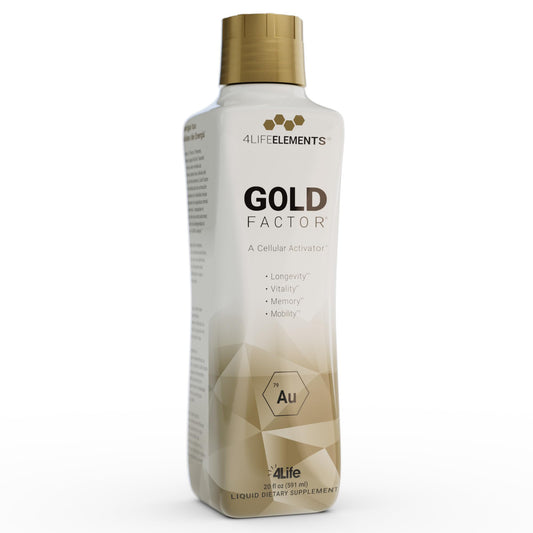
4LifeElements Gold Factor – Cellular Activator for Vitality & Brain Clarity (32 oz)
Elevate daily wellness with 4LifeElements Gold Factor4LifeElements Gold Factor presents a liquid cellular activator designed to work with your body’s natural rhythms. Formulated with ultra-fine gold particles suspended in ultra-pure water, the product aims to energize and activate a vast network of cells in...- £105.70
- £105.70
- Unit price
- per
-
Vendor:I Am Joy co.
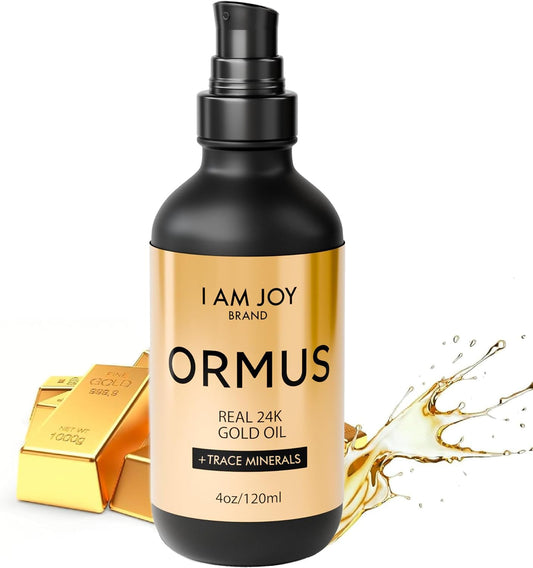
I Am Joy Co. Ormus Gold Oil Monoatomic | Potential Deep Thought, Intuition & Dream Clarity | 4oz
Overview I Am Joy Co. presents a compact 4 oz bottle of Ormus Gold Oil Monoatomic, a thoughtfully crafted blend that fuses minerals with colloidal 24k gold. This solvent-free formula is designed to integrate into mindful routines, offering sensory cues and a sense of...- £54.16
- £54.16
- Unit price
- per
-
Vendor:ZP.TECH
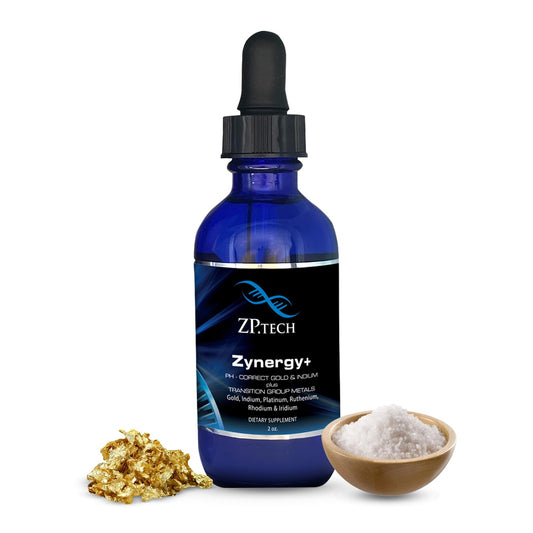
ZP.TECH Zynergy Plus Colloidal Gold Liquid – 24K Monoatomic Ormus Gold for Mind, Meditation & Vitality
Discover Zynergy Plus Colloidal Gold Liquid ZP.TECH presents Zynergy Plus, a premium Ormus gold liquid crafted as a 24K monoatomic colloidal suspension in purified water. Designed to complement moments of focus, meditation, and mindful living, this formula invites you to explore subtle shifts in...- £53.09
- £53.09
- Unit price
- per
-
Vendor:Nutraneering
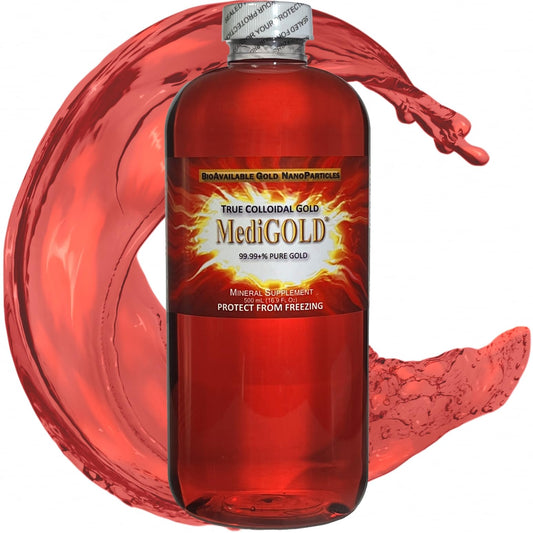
Nutraneering MediGOLD True Colloidal Gold AuNP Nutritional Supplement – 500 mL in Clear BPA-Free Bottle
OverviewNutraneering MediGOLD True Colloidal Gold AuNP is a thoughtfully engineered supplement designed to deliver gold nanoparticles in a bioavailable form. Each 500 mL bottle contains approximately 300 micrograms of 99.99+% pure gold nanoparticles suspended in purified water, forming a clear solution that is free...- £50.79
- £50.79
- Unit price
- per
-
Vendor:Purest Colloids
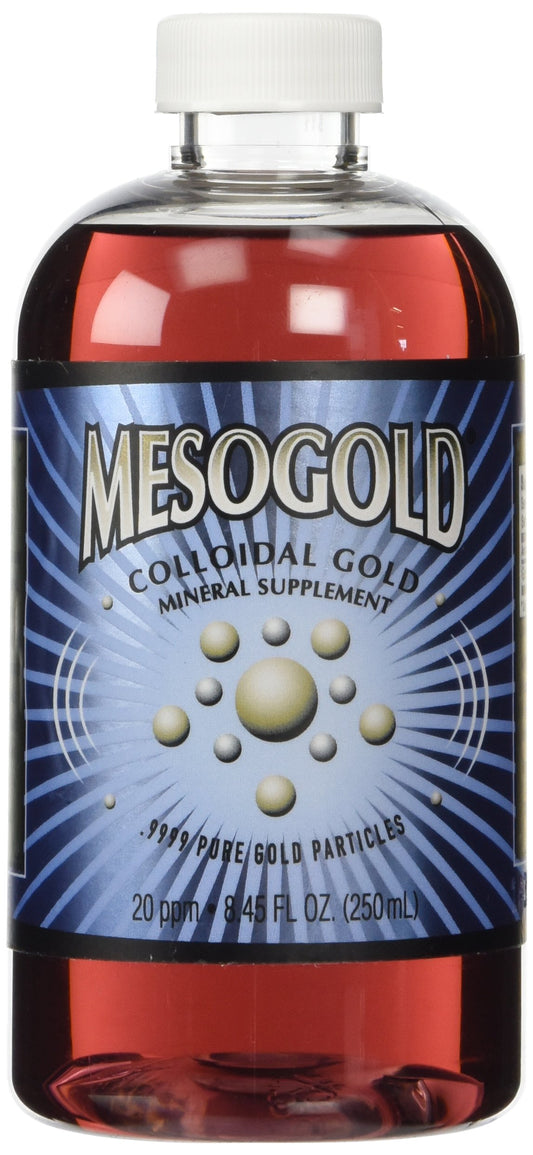
MesoGold 20 ppm Colloidal Gold 250 mL | Purest Colloids
About MesoGold 20 ppm Colloidal Gold MesoGold is a TRUE colloidal gold—100 percent gold nanoparticles suspended in deionized water. The particles are among the smallest available in the market, averaging 2–4 nanometers, creating a high surface area for potential interactions in the suspension. The...- £47.47
- £47.47
- Unit price
- per
-
Vendor:I Am Joy co.
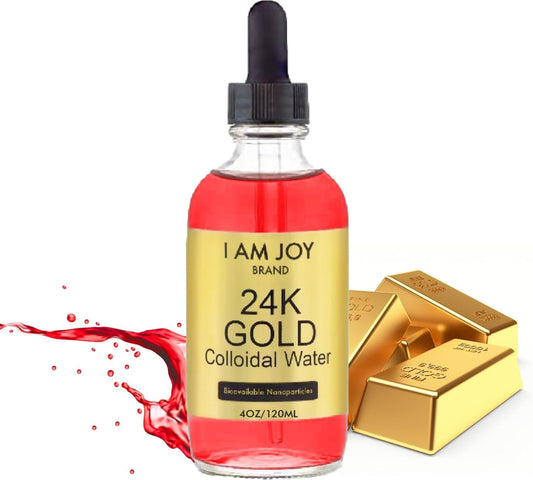
I Am Joy co. Liquid Colloidal Gold 24K – 99.99% Pure Ruby Red, 100ppm, Water Based, 4oz
Experience the luxury of I Am Joy co. Liquid Colloidal Gold Discover a ruby red 24K gold solution designed to elevate your daily routine. This water-based formula combines 99.99% pure 24K gold with medical-grade distilled water, delivering a clean, two-ingredient experience. At 100ppm, the...- £45.38
- £45.38
- Unit price
- per
-
Vendor:Now Alchemy
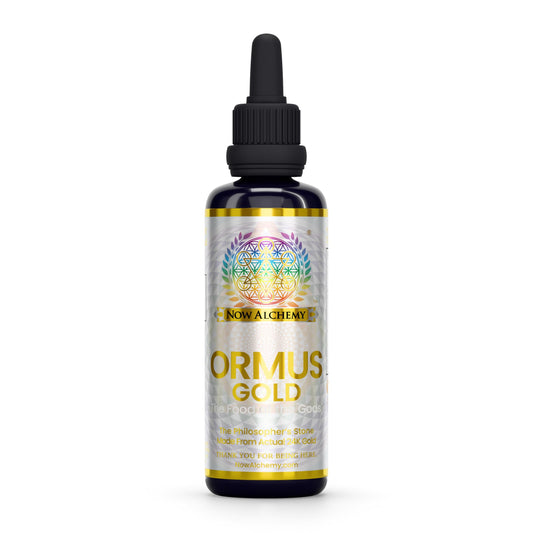
Now Alchemy 24K ORMUS Gold – Ocean Plasma Minerals with Real 24K Monoatomic Gold
Now Alchemy 24K ORMUS Gold Actualize your daily routine with a premium blend built around real 24K monoatomic gold and ocean plasma minerals. Now Alchemy positions itself as a pioneer in ORMUS, blending a ceremonial sensibility with practical daily use. Each batch draws from...- £108.98
- £108.98
- Unit price
- per