








Wearable insect repellent for outdoor
routines
Explore a focused collection of wearable insect repellent options designed to fit everyday life in the United Kingdom. Ideal for quick trips and planned adventures alike, these on-the-go solutions offer a neat alternative to frequent spray application while supporting a consistent approach to mosquito repellent and broader insect and pest repellents.
Wearable formats are chosen for their portability and ease: keep one by the back door for the garden, add one to your rucksack for a hike, or pack one for camping and festival weekends. They can complement other outdoor essentials such as sun cream, a first-aid kit, and post-exposure care like insect bite relief. Common related needs include midge protection, tick awareness, and comfort during evenings outdoors when activity can increase near woodland or water.
Why choose wearable formats
Designed for low-fuss use, wearable repellents are a practical pick when you want a lightweight option that travels well. They’re often used for:
- Camping, fishing, dog walks, and routes near lakes or rivers
- Days out in urban parks, gardens, and picnic spots
- Travel packing alongside toiletries and outdoor clothing
- Keeping a compact option in a day bag, car, or pram
Choosing the right option
Consider your setting (garden patio, park, countryside), how long you’ll be outside, and whether you prefer a discreet, packable format. Always read label instructions, note any guidance for children, and follow usage directions for best results. Product details and prices are shown in GBP to match UK shopping expectations.
-
Vendor:Ben's
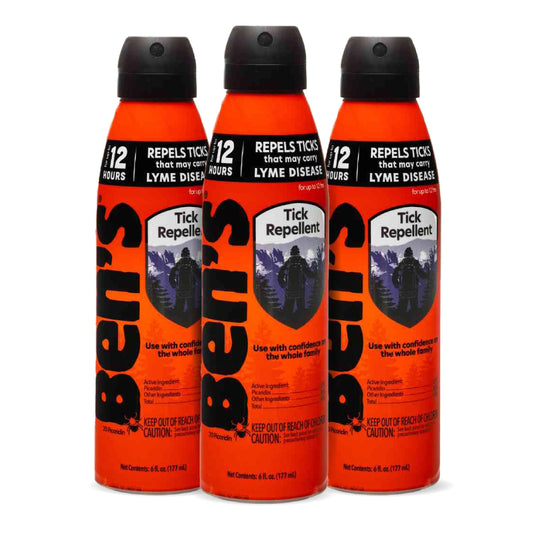
Ben's Tick Repellent - 20% Picaridin, 12-Hour Protection, 6 fl oz (Pack of 3)
Overview For outdoor families who want reliable, straightforward protection from bugs, Ben's Tick Repellent offers a practical, user-friendly solution. With a potent 20% Picaridin formula, the spray is designed to provide up to 12 hours of protection against ticks, mosquitos, and other insects from...- £52.00
- £52.00
- Unit price
- per
-
Vendor:OFF!
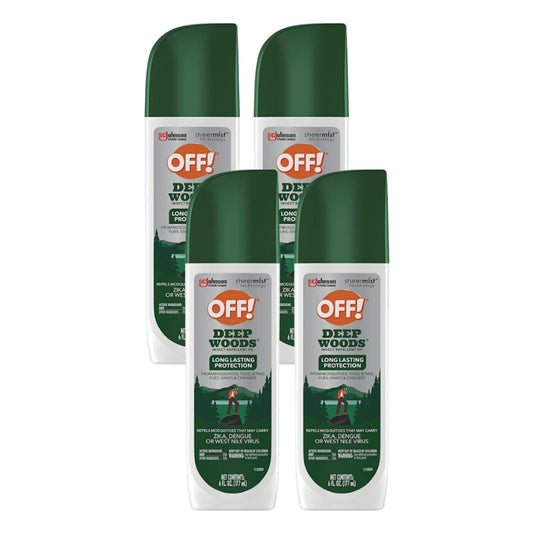
OFF! Deep Woods Off! Pump Insect Repellent – 6 oz, Pack of 4
Outdoor protection designed for your adventures OFF! Deep Woods Off! Pump Insect Repellent provides reliable coverage in a convenient spray format. Each 6 oz bottle is designed to apply easily to skin and clothing, and the four-pack is ideal for family trips or longer...- £54.18
- £54.18
- Unit price
- per
-
Vendor:$averPak
$averPak InsectGuard Permethrin Spray – Mosquitoes, Ticks & Flies Repellent (2-Pack, 6 oz)
Introducing the $averPak InsectGuard Permethrin Spray, a versatile tool designed for outdoor living. Each 6 oz bottle delivers a fine, quick-drying mist that leaves a faint, clean scent and a protective feel on fabrics. The 2-pack format ensures you can stock up at home,...- £46.28
- £46.28
- Unit price
- per
-
Vendor:Murphy's Naturals
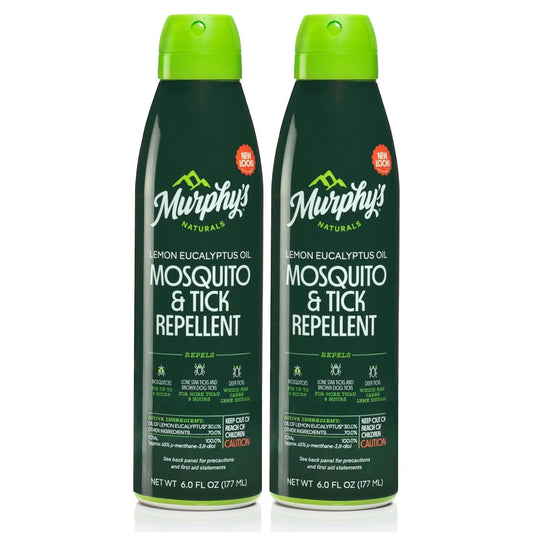
Murphy's Naturals Mosquito & Tick Bug Repellent Spray – Oil of Lemon Eucalyptus, 6 oz Mist (2-Pack)
Overview Murphy's Naturals Mosquito & Tick Repellent Spray combines a plant‑based approach with a crisp lemon eucalyptus aroma to help you enjoy outdoor time more freely. Packaged as a convenient two‑bottle set, the two 6‑ounce mist bottles are designed for skin and outdoor gear...- £44.32
- £44.32
- Unit price
- per
-
Vendor:Bug Soother
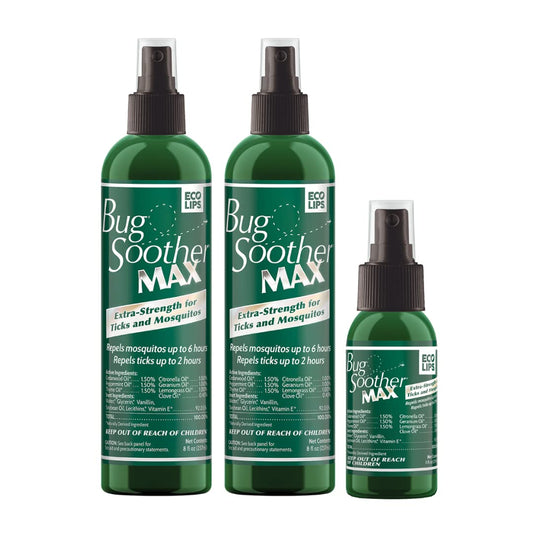
Bug Soother MAX – DEET-Free Tick & Mosquito Repellent Spray, Plant-Based Formula, Made in USA (2 Bottles, 8 oz Each)
Overview Discover a plant-based shield for outdoor time with Bug Soother MAX. This extra-strength, DEET-free spray blends a curated mix of essential oils to create a breathable, fragrant barrier against mosquitoes and ticks. Designed for campers, hikers, yard work, and all-day adventures, the two-bottle...- £43.22
- £43.22
- Unit price
- per
-
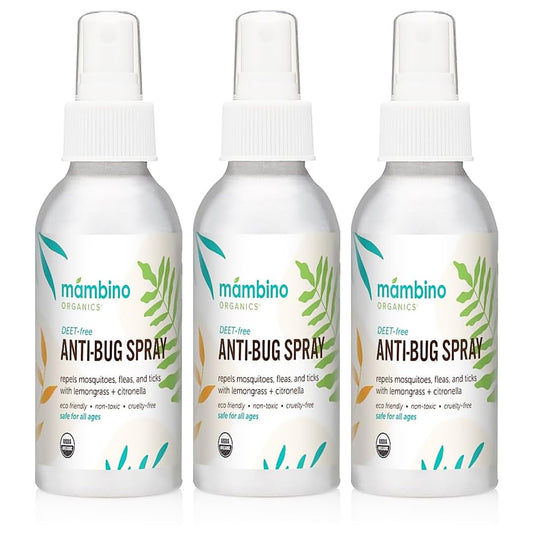
Vendor:Mambino Organics
Mambino Organics Anti-Bug Spray – DEET-Free Organic Mosquito Repellent (2.7oz, 3-Pack)
Naturally Effective Bug Protection for Every Outdoor MomentMeet Mambino Organics Anti-Bug Spray, a lightweight, quick-drying formula designed to keep skin comfortable without a sticky residue. Made with lemongrass and citronella, the spray offers a clean, fresh aroma that suits backyard gatherings, camping weekends, and...- £37.70
- £37.70
- Unit price
- per
-
Vendor:Gnat Armor
Gnat Armor All Natural Kids Bug Spray - DEET-Free Citronella, Hypoallergenic, USA Made (2oz + 16oz)
Gnat Armor offers a naturally powerful citronella-based bug spray designed for active families. The scent is citrusy and light, avoiding the heavy chemical odor often found in repellents. The formula relies on a simple three-ingredient blend that emphasizes skin comfort and environmental responsibility. Available...- £59.36
- £59.36
- Unit price
- per
-
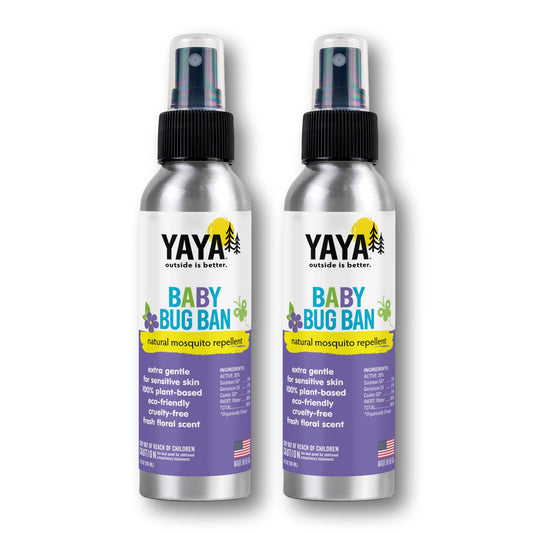
Vendor:YAYA ORGANICS
YAYA ORGANICS Baby Bug BAN – All-Natural Bug Repellent for Babies & Sensitive Skin (4 oz Spray, 2-Pack)
Gentle, plant-based bug protection for little explorers YAYA ORGANICS Baby Bug BAN offers a delicate, all-natural shield against outdoor bugs, crafted for babies six months and up, toddlers, and skin-sensitive families. Made in the USA, the formula relies on plant-based essential oils and carrier...- £40.66
- £40.66
- Unit price
- per
-
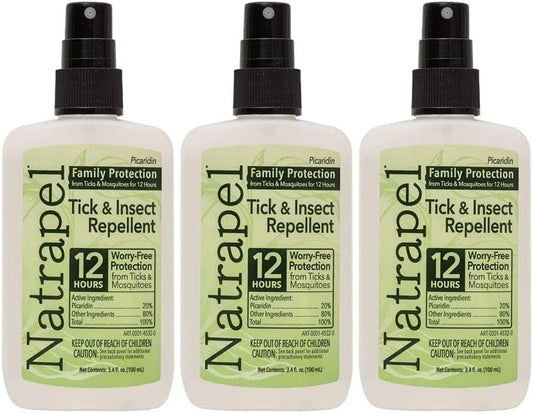
Vendor:Natrapel
Natrapel Tick & Insect Repellent – 20% Picaridin, Up to 12 Hours, 3-Pack (3.4 fl oz Each)
Overview Natrapel Tick & Insect Repellent uses a 20% Picaridin formula designed to deter mosquitoes, ticks, chiggers, and other common outdoor pests. The spray distributes smoothly with a light, fresh scent and a non-greasy feel, making it comfortable to wear during long outings. With...- £42.10
- £42.10
- Unit price
- per
-
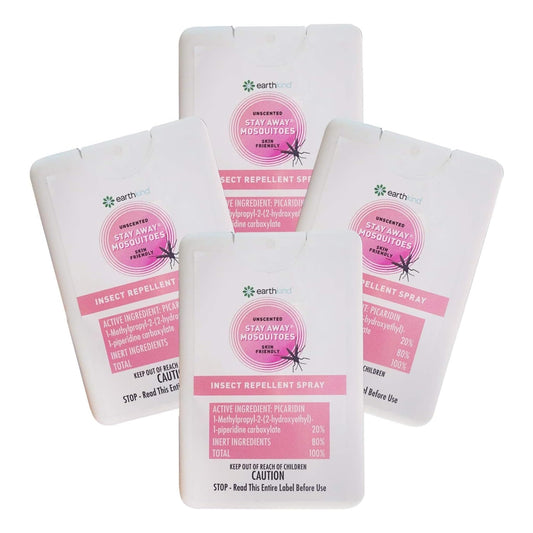
Vendor:Stay Away
Stay Away EarthKind Mosquito Repellent — Plant-Based, Unscented, Picaridin, 14-Hour Protection
Why choose Stay Away EarthKind Mosquito Repellent Meet a plant-based approach to outdoor protection with a focus on comfort and practicality. This mosquito repellent uses Picaridin as its active ingredient and is formulated to be unscented, so you can enjoy the moment without a...- £42.12
- £42.12
- Unit price
- per
-
Vendor:AVON
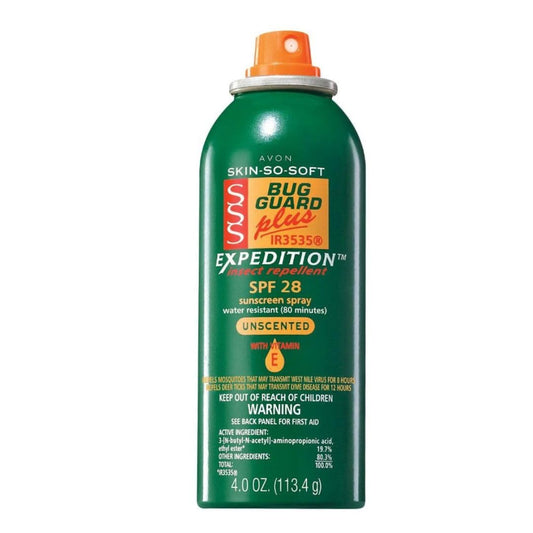
AVON Skin So Soft Bug Guard Plus Expedition Aerosol – SPF 28, DEET-Free Insect Repellent, 8-Hour Mosquito Protection
OverviewEnjoy the outdoors with confidence using AVON Skin So Soft Bug Guard Plus Expedition. This IR3535-based, DEET-free formula combines reliable insect defense with SPF 28 sun protection in a convenient aerosol. The unscented, dermatologist-tested solution is designed to be gentle on skin while helping...- £41.04
- £41.04
- Unit price
- per
-
Vendor:AVON
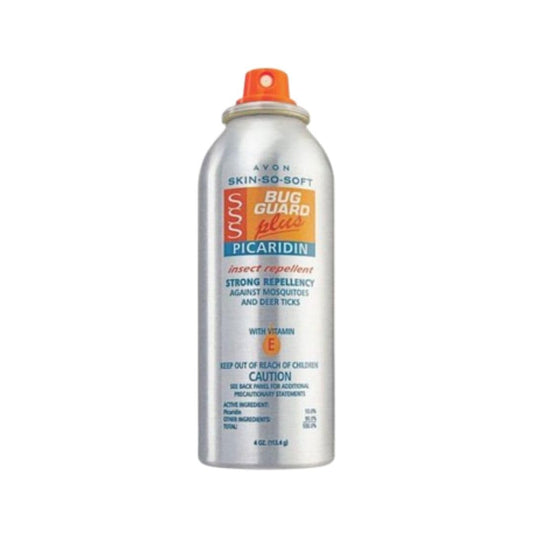
AVON Skin So Soft Bug Guard Plus Picaridin Aerosol Spray – 4 oz Insect Repellent
Overview Discover AVON Skin So Soft Bug Guard Plus Picaridin Aerosol Spray, a compact 4 fluid ounce bottle crafted for easy outdoor protection. Combining the trusted Skin So Soft name with picaridin, this modern insect repellent comes as a light, breathable mist you can...- £41.04
- £41.04
- Unit price
- per
-
Vendor:Insect Shield
Insect Shield Premium Permethrin Spray – 60-Day Repellent for Clothing & Gear (Pack of 2, 6 oz)
Meet your ultimate shield against outdoor pests Insect Shield Premium Permethrin Spray creates an invisible barrier that helps repel mosquitoes, ticks, and other biting insects while you hike, camp, or simply enjoy time in the yard. This EPA-registered formula is inspired by nature and...- £35.50
- £35.50
- Unit price
- per
-
Vendor:YAYA ORGANICS
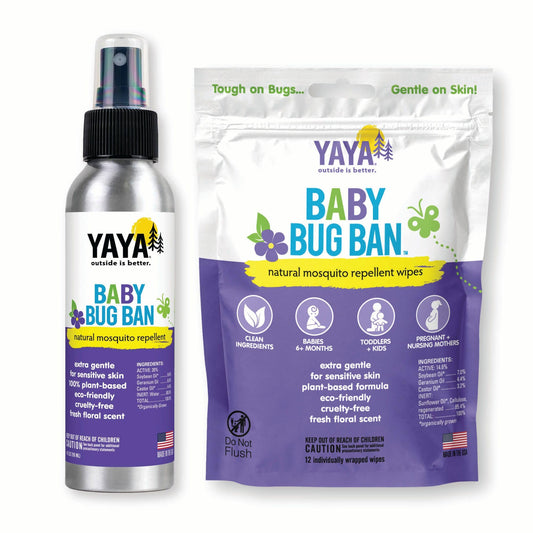
YAYA ORGANICS Baby Bug Ban Spray + Wipe Bundle – All-Natural Repellent for Babies & Sensitive Skin
All-Natural Protection for Your Little One Meet a gentle, all natural approach to outdoor time with the YAYA ORGANICS Baby Bug Ban Spray + Wipe Bundle. This USA-made duo is designed for babies 6 months and older, toddlers, and kids, including families with sensitive...- £40.11
- £40.11
- Unit price
- per
-
Vendor:Quantum
Quantum Buzz Away Extreme Spray 8 oz – Multi-Pack (5 Bottles)
Discover Quantum Buzz Away Extreme Spray, a plant based repellent designed for outdoor moments big and small. In a convenient 8 oz bottle, this multi pack provides five bottles to keep at home, in the car, or in your backpack for family adventures and...- £110.81
- £110.81
- Unit price
- per
-
Vendor:CoreTex
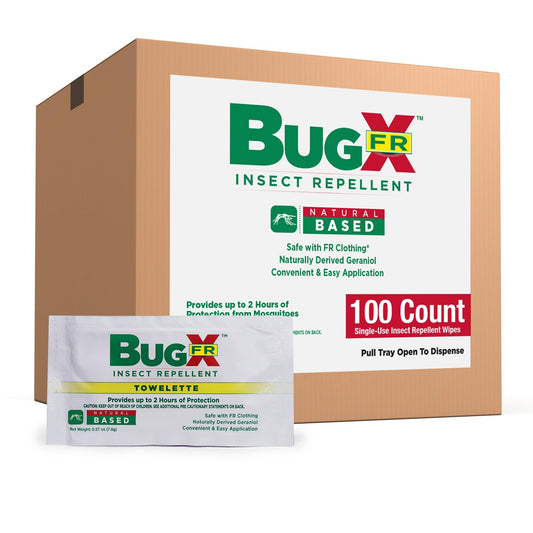
CoreTex Bug X FR DEET-Free Wipes – 100-Count, Geranium Oil, Travel-Size Towelettes
Natural, DEET-free protection for outdoor life Discover a plant-powered option for keeping insects at bay with CoreTex Bug X FR DEET-Free Insect Repellent Wipes. This 100-count bundle combines convenient single-use towelettes with a calming, light aroma that won’t overwhelm your senses. Designed for active...- £100.21
- £100.21
- Unit price
- per
-
Vendor:$averPak
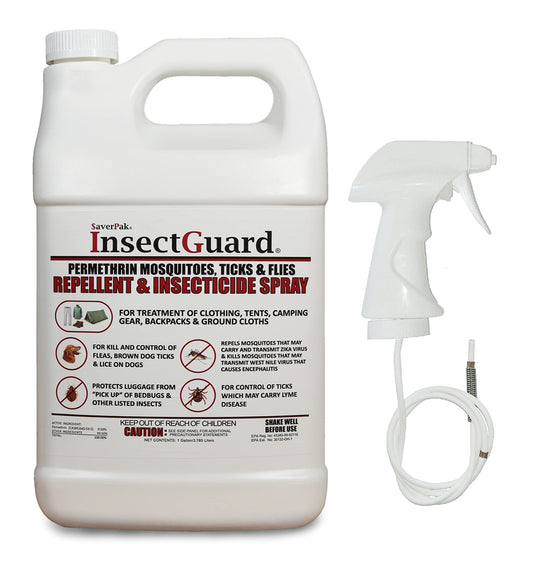
$averPak InsectGuard Permethrin Spray – 128oz Gallon for Clothing, Gear, and Outdoor Use
$averPak InsectGuard Permethrin Spray is a ready-to-use, water-based solution designed to treat clothing and gear, delivering reliable repellency and insecticidal action against mosquitoes, ticks, chiggers, and more. Packaged in a 1-gallon bottle, it offers an economical option for families, hikers, travelers, and outdoor workers...- £91.10
- £91.10
- Unit price
- per
-
Vendor:CoreTex
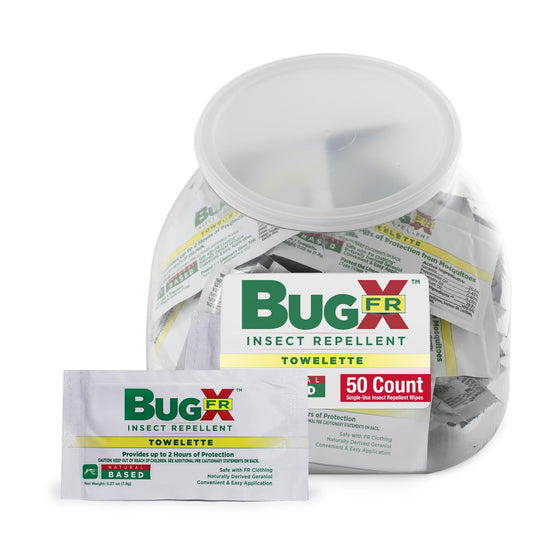
CoreTex Bug X FR DEET-Free Insect Repellent Wipes – 50-Count Fishbowl Pack, Geraniol Mosquito Wipes
Experience DEET-Free, Plant-Powered Bug Defense CoreTex Bug X FR DEET-Free Insect Repellent Wipes are proudly made in the USA. The formula relies on geraniol, a plant-based component designed to deter biting insects without heavy odors or greasy residues. The wipes are non-flammable and formulated...- £82.38
- £82.38
- Unit price
- per
-
Vendor:CoreTex
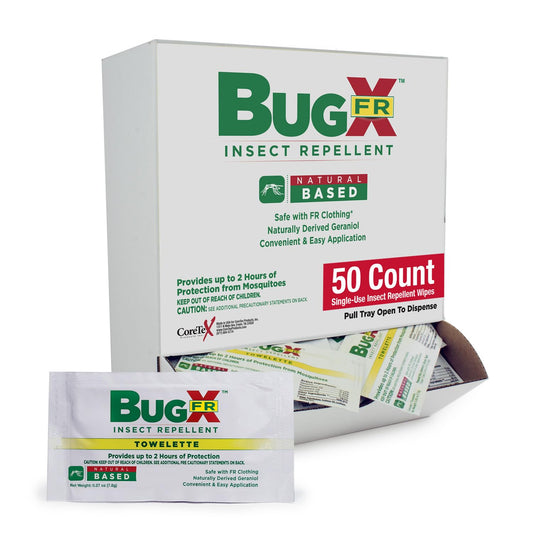
CoreTex Bug X FR DEET-Free Insect Repellent Wipes – Pack of 50 | Geraniol-Powered, Travel-Ready
CoreTex Bug X FR DEET-Free Insect Repellent Wipes – Pack of 50 When you plan outdoor time, a compact, reliable wipe can make a meaningful difference. CoreTex offers a DEET-free, plant-based alternative powered by geraniol, delivering a natural-defense option that feels light on the...- £82.38
- £82.38
- Unit price
- per
-
Vendor:CoreTex
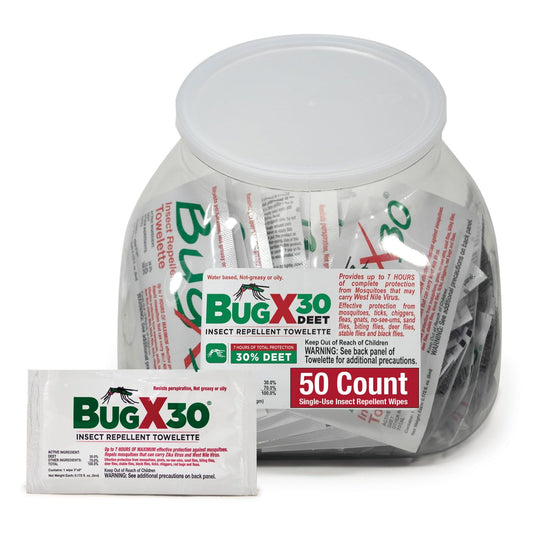
CoreTex Bug X 30 Insect Repellent Wipes – 50 Count, 30% DEET, Up to 7 Hours
Compact, dependable outdoor protectionCoreTex Bug X 30 Mosquito, Tick, and Insect Repellent Wipes deliver portable, reliable protection for outdoor days. Proudly American-made, these wipes combine a strong DEET formula with a low odor, water-based experience that feels light on skin and easy to apply.With...- £82.38
- £82.38
- Unit price
- per