








Home Drug Test Kits Collection
This collection brings together practical home drug tests for private, straightforward screening in the United Kingdom. Designed for use with clear instructions and easy-to-read results, these kits support quick checks at home when you need reassurance, household safeguarding, or routine monitoring. Prices and payments are shown in GBP, so you can compare options with confidence.
Panels and formats to suit your needs
Select the level of screening that matches your situation. Formats commonly include urine test strips and rapid test cassette designs, with both single-substance and multi-panel drug test options available. Depending on the kit, screening may cover THC (marijuana), and broader multidrug tests can help you check several substances in one go. These are suitable for general drug screening, recovery support check-ins, or personal pre-employment self-checking where appropriate.
- Targeted THC screening for focused checks
- Multi-panel drug test kits for broader screening
- Simple, discreet home tests for fast use
- Optional alcohol tests for added context
How to choose the right test
When comparing products, look at the substances included, the stated cut-off levels, and timing relative to possible exposure. Results are intended for screening and should be interpreted carefully, especially if medication use or other factors could affect outcomes. For decision-critical situations—such as workplace policy, legal matters, or formal documentation—follow up any non-negative screening result with laboratory confirmation via an appropriate service.
Related entities and keywords include urine drug test, rapid test cassette, THC screening, multi-panel drug test, cut-off levels, home health tests, and alcohol breath test. Choose an option that fits your needs, then use results to guide informed next steps.
-
Vendor:Prime Screen
Prime Screen 5-Level THC Urine Test Kit – 15–300 ng/mL, 5-Min Results (10 Pack)
Overview Prime Screen presents a highly sensitive 5-level THC urine test kit designed for discreet, at-home testing. With detection at multiple ng/mL cut-offs, you can gauge where you stand quickly and privately, using a simple dip-and-read process that takes about five minutes. Five Cut-Off...- £44.32
- £44.32
- Unit price
- per
-
Vendor:Lamwinsco
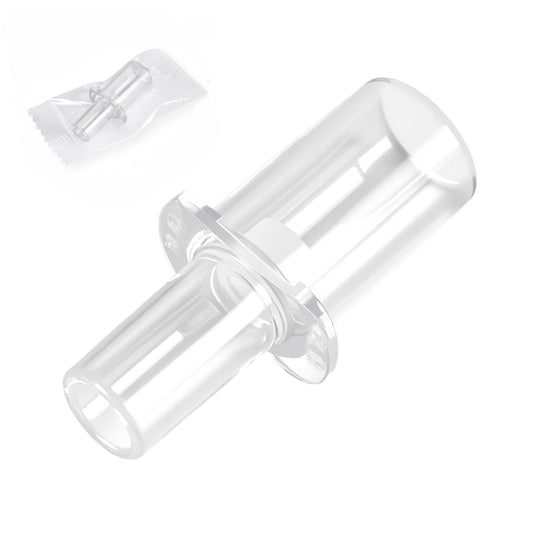
Lamwinsco Breathalyzer Mouthpieces (400-Pack) – Universal Fit, Hygienic, Reusable for S75, S80, Trace, Element, Scout
OverviewLamwinsco Breathalyzer Mouthpieces come in a ready-to-use 400-pack, designed to work with popular models like S75, S80, Trace, Element, and Scout. The mouthpieces feature a snug, secure fit that minimizes air leaks, helping you conduct test sessions with steadier, more comfortable handling across users....- £143.75
- £143.75
- Unit price
- per
-
Vendor:Virtue Sensor
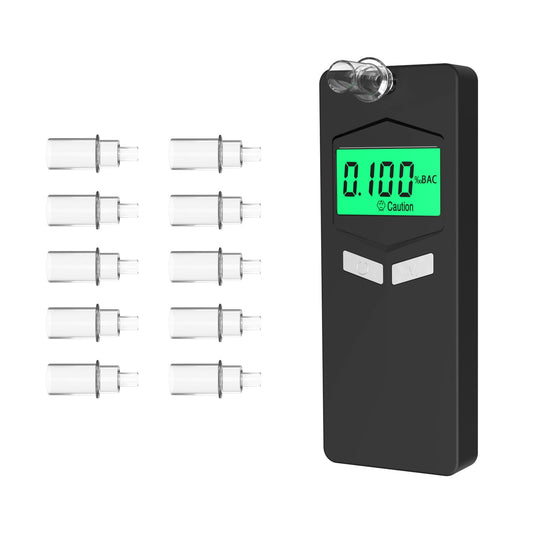
Virtue Sensor Personal Breathalyzer – Pocket BAC Tester with Reord Checking Mode, Audible & Color Alarms, 0.000–0.190% BAC, Black
Overview Meet Virtue Sensor's compact personal breathalyzer, a palm-sized device designed for quick, discreet BAC checks wherever you are. Built around an advanced semiconductor sensor, it delivers fast readings from 0.000% up to 0.190% BAC, offering a reliable snapshot in seconds. This module is...- £48.70
- £48.70
- Unit price
- per
-
Vendor:Prime Screen
Prime Screen 5-Panel Urine Drug Test Cup - 10 Pack - AMP, COC, mAMP/MET, OPI, THC - T-Cup
Prime Screen 5-Panel Urine Test Cup – Compact, Ready for Real-Life Screening Prime Screen’s 5-Panel Urine Test Cup brings a compact, user-friendly solution to quick, on-site drug screening. Built with lab-inspired screening technology, this cup aims to deliver results that align with familiar workflows...- £64.84
- £64.84
- Unit price
- per
-
Vendor:Identify Diagnostics
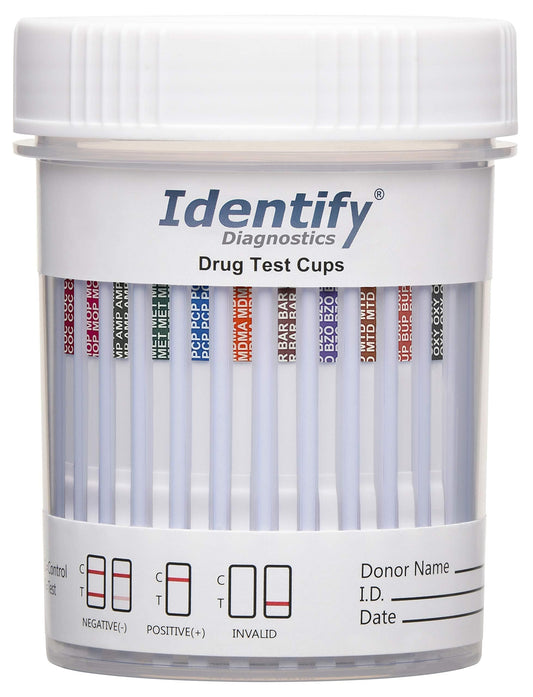
Identify Diagnostics 14-Panel Drug Test Cup – 5 Pack, CLIA Waived, Made in USA
OverviewDiscover the Identify Diagnostics 14‑panel urine drug test cup set, offered here in a convenient 5‑pack. Each kit is designed for on‑site screening with a clear reading window and a built‑in urine temperature strip to help verify sample integrity. The compact packaging supports quick...- £55.93
- £55.93
- Unit price
- per
-
Vendor:Lamwinsco
Lamwinsco Breathalyzer Mouthpieces (100-Pack) – Universal Fit for S75, S80, Trace, Element, Scout
Overview Discover the Lamwinsco Breathalyzer Mouthpieces, a 100-pack designed to work with popular breathalyzer models. Each piece arrives individually wrapped, supporting clean handling and easy sharing in households, workplaces, or events. These mouthpieces emphasize practical usability and hygiene while preserving accuracy in daily testing...- £51.99
- £51.99
- Unit price
- per
-
Vendor:EZCHECK
EZCHECK 6-Panel Drug Test Kit – 25 Pack, At-Home Urine Screening (THC, MET, BZO, OPI, AMP, COC)
Overview Meet the EZCHECK 6-Panel Drug Test Kit — a compact, at-home urine screening solution designed to simplify preliminary testing across six common substances. Built with regulatory awareness in mind, it carries 510(k) clearance for both consumer and professional use and delivers results in...- £48.70
- £48.70
- Unit price
- per
-
Vendor:HEAL-CHECK
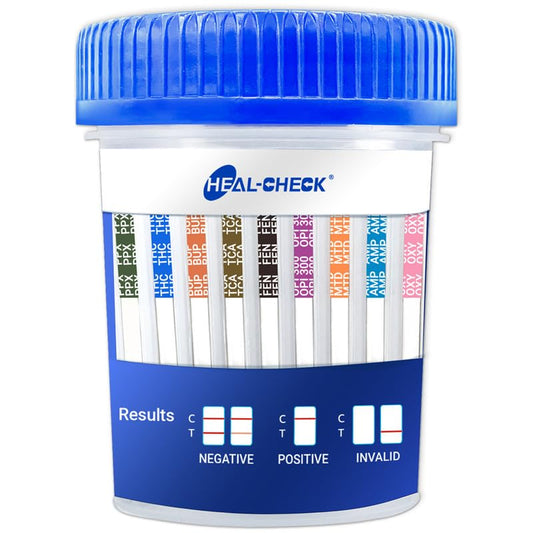
HEAL-CHECK 6-Pack 16-Panel Urine Drug Test Kit – At-Home & Workplace Screening
Overview The HEAL-CHECK 6-Pack 16-Panel Urine Drug Test Kit offers a practical, consumer-friendly solution for at-home or workplace screening. Designed for quick, straightforward use, it combines breadth of detection with a focus on clean collection and fast results. The kit emphasizes portability, ease of...- £43.22
- £43.22
- Unit price
- per
-
Vendor:Prime Screen
Prime Screen 5-Panel Saliva Test Kit (AMP, COC, MET, OPI, THC) – 5 Pack | ODOA-256
Prime Screen 5-Panel Saliva Test Kit (AMP/COC/MET/OPI/THC) offers a quick, on-site screening option that fits into busy workflows. This five-substance panel uses oral fluid and is designed for supervised collection, which helps reduce tampering and speeds up the process in settings like workplaces, clinics,...- £43.22
- £43.22
- Unit price
- per
-
Vendor:Easy@Home
Easy@Home 5-Panel Urine Drug Test Kit – 15 Pack – Home Use, Results in 5 Minutes
Overview The Easy@Home 5-Panel Urine Drug Test Kit offers a practical, privacy‑friendly option for at‑home screening. Supplied in a 15‑pack, it helps you check for five widely used substances with clear, rapid results designed for personal use, family checks, or light workplace screening prep....- £42.96
- £42.96
- Unit price
- per
-
Vendor:NICOTESTS
NICOTESTS Saliva Nicotine Test 5-Pack – Quick, Accurate Nicotine Use Detection
OverviewNICOTESTS Saliva Nicotine Test 5-Pack provides a fast, user-friendly option for detecting recent nicotine exposure using saliva. Built for reliability in varied environments, this 5-pack offers flexibility for routine screening, compliance checks, or program evaluation in education, workplace, and clinical settings.Why a saliva testSaliva...- £44.27
- £44.27
- Unit price
- per
-
Vendor:Easy@Home
Easy@Home 6-Panel Drug Test Kit – 15 Pack Urine Tests for THC, AMP, BZO, COC, MET, OPI 2000 | EDOAP-264
Private, at-home drug testing made simple The Easy@Home 6-Panel Drug Test Kit offers a private, convenient option for screening urine for six common drug metabolites. The 15‑pack design provides flexibility to test as often as you like from the comfort of your home, without...- £44.32
- £44.32
- Unit price
- per
-
Vendor:Easy@Home
Easy@Home 5-Panel Instant Drug Test Kit - THC/COC/OPI2000/AMP/MET Urine Dip (15 Pack)
Overview Discover a fast, user-friendly 5-panel screening tool designed for convenient at‑home or small-group testing. This kit screens for five common substances and uses proven screening principles aligned with widely used cut-off levels. It offers a practical option for quick checks without lab visits,...- £43.77
- £43.77
- Unit price
- per
-
Vendor:Prime Screen
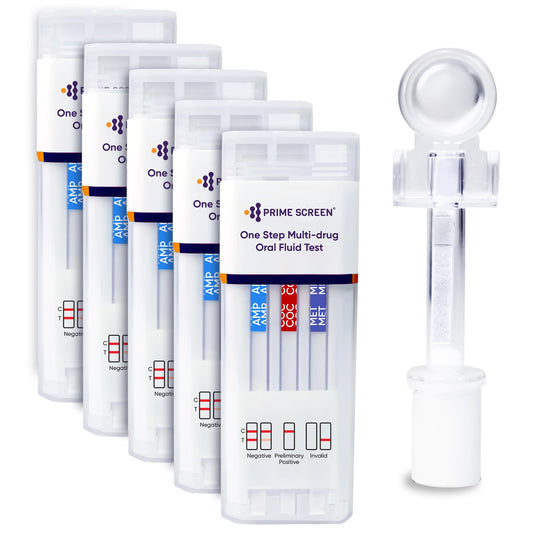
Prime Screen 6-Panel Multi-Drug Oral Fluid Test – 5 Pack | Quick 5-Minute Results (AMP, COC, MET, OPI, OXY, THC)
Fast, discreet, and straightforward screening for on-the-spot decisions Prime Screen 6-Panel Multi-Drug Oral Fluid Test delivers a compact, one-step solution designed for streamlined screening in workplace, insurance, or staffing workflows. The kit emphasizes ease of use and privacy, helping you move through the process...- £43.22
- £43.22
- Unit price
- per
-
Vendor:HEAL-CHECK
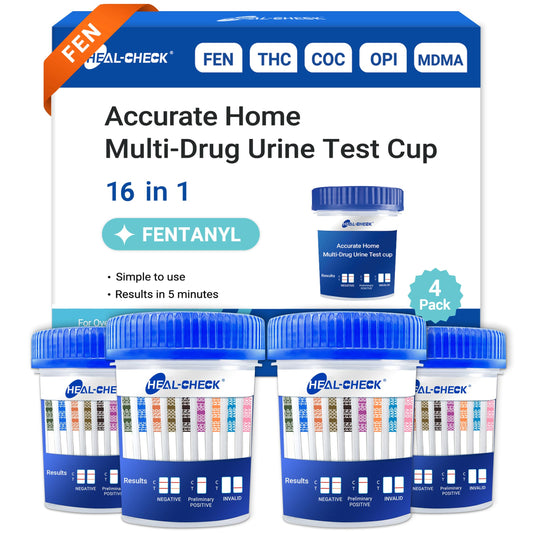
HEAL-CHECK 4-Pack 16-Panel Urine Drug Test Kit for Home or Workplace
Overview Discover a practical, at‑home or workplace screening solution with HEAL-CHECK’s 4‑pack 16‑panel urine drug test kit. Designed for ease of use, it delivers quick, readable results on 16 substances, using reliable technology in an OTC, CLIA‑waived format. The kit includes fentanyl detection (FEN)...- £42.12
- £42.12
- Unit price
- per
-
Vendor:NICOTESTS
Nicotests Ultra-Sensitive Saliva Nicotine Test Kit – 5-Pack, 10 ng
Nicotests Ultra-Sensitive Saliva Nicotine Test Kit Nicotests offers a saliva-based screening tool that prioritizes ease of use and sample integrity. The Ultra-Sensitive kit is designed to operate in a wide range of settings, from classrooms and employee programs to clinical offices. The 5-pack gives...- £42.08
- £42.08
- Unit price
- per
-
Vendor:Identify Diagnostics
Identify Diagnostics 12-Panel Drug Test Cups | 15 Pack | CLIA-Waived Urine Test Kit
Fast, discreet screening you can trustIdentify Diagnostics 12-Panel Drug Test Cups in a 15-pack bring quick, private screening to homes, workplaces, and clinical settings. Designed for speed and ease of use, these CLIA-waived cups deliver readable results in minutes with minimal setup. The kit...- £109.77
- £109.77
- Unit price
- per
-
Vendor:Easy@Home
Easy@Home Drug Test Cup – At-Home 14-Panel Urine Test Kit with THC50 (5-Min Results)
Overview The Easy@Home Drug Test Cup is a versatile at‑home urine testing kit designed to help you screen for a broad panel of substances quickly and privately. With built‑in test strips, a reliable 150 mL collection cup, and clear result readouts, it aims to...- £99.91
- £99.91
- Unit price
- per
-
Vendor:iSOBER
iSOBER30 Breathalyzer — DOT/NHTSA Compliant | Suracell Fuel Cell Sensor | Portable Professional Tester
Trusted professional-grade breathalyzer built for accuracy and reliability The iSOBER30 is a compact, portable breathalyzer designed to support responsible decisions in everyday life. It blends regulatory readiness with thoughtful engineering, delivering readings you can rely on in a variety of real-world scenarios. Built to...- £111.16
- £111.16
- Unit price
- per
-
Vendor:Prime Screen
Prime Screen Urine Drug Test – Compact Cup 16-Panel Kit (10 Pack) – CDOA-9165EFTK
Overview Prime Screen Urine Drug Test Compact Cup 16-Panel Kit offers broad screening in a compact format, built for quick, on-site use. It is designed to integrate smoothly into daily workflows, delivering a portable solution without compromising clarity or organization. The kit supports a...- £114.16
- £114.16
- Unit price
- per