When the season changes in the UK-shorter days, more time indoors, and routines that shift-many people review their nutrition and consider adding an omega-3 source. If you prefer a plant-based option, flax (linseed) is one of the best-known sources of alpha-linolenic acid (ALA), the essential omega-3 fatty acid found in flax seed oil. This article summarises what research suggests about ALA, how flax seed oil works in the body, and how to choose between capsules and liquid based on evidence, practicality, and freshness.
Flax Seed Oil Supplement Collection for this season is the focus of this guide.
This is a consumer-friendly overview, not medical advice. If you are pregnant, breastfeeding, have a medical condition, take anticoagulants/antiplatelet medicines, or have an upcoming procedure, speak to a pharmacist or GP before starting a new supplement.
If you’d like to browse options while you read, you can explore theFlax Seed Oil Supplement Collection for this seasonfrom Elovita UK Supplement.
What flax seed oil is (and what it isn’t)
Flax seed oil is pressed from flax seeds (also called linseeds). It’s mainly valued for ALA, a polyunsaturated fatty acid (PUFA) that your body cannot make. Because it’s an oil extract, it differs from whole flaxseed or milled flaxseed in a key way: the oil provides fats (including ALA), but it contains little to no fibre and fewer naturally occurring lignans than ground seed. If your main goal is digestive fibre, whole or ground seeds are a different tool. If your goal is increasing ALA intake in a measured way, flax seed oil is the more direct option.
It also helps to set expectations. Many people associate “omega-3” with EPA and DHA (the long-chain omega-3s found in oily fish and algae oil). Flax seed oil does not provide EPA/DHA in meaningful amounts; instead, it provides ALA, which the body can convert to EPA and DHA only to a limited degree. Research in humans generally shows conversion is modest and influenced by factors such as overall diet, sex, and the balance of omega-6 to omega-3 intake. In other words: flax seed oil can support omega-3 intake through ALA, but it’s not a one-to-one substitute for fish oil or algae oil if a person is specifically targeting EPA/DHA.
That said, ALA is still an essential fatty acid with its own roles. ALA contributes to normal blood cholesterol levels at an intake of 2 g per day (as recognised in UK/EU authorised health claims). Any supplement should be used as part of a varied, balanced diet and healthy lifestyle.
To see different formats (capsules and liquids) in one place, theflax seed oil supplement rangeis a useful starting point for comparing practical details like serving size and packaging.
The science in plain English: mechanisms and what studies tend to measure
Most studies on flax seed oil (or flax-derived ALA) focus on measurable biomarkers rather than “feelings” or quick fixes. Common outcomes include blood lipids (total cholesterol, LDL cholesterol, HDL cholesterol, triglycerides), inflammatory markers (such as C-reactive protein in some studies), blood pressure, and fatty-acid composition in blood (which reflects intake and metabolism). Results vary between studies due to differences in dose, duration, participants’ baseline diet, and whether the intervention is oil, whole seed, or ground seed.
Here’s how flax seed oil may act in the body, based on established nutrition science:
- Provides ALA (omega-3):ALA is incorporated into cell membranes and can be metabolised into longer-chain omega-3s (EPA, then DHA) to a limited extent.
- Influences lipid metabolism:Diets higher in unsaturated fats (including PUFAs) may support healthier lipid profiles when they replace saturated fats. Some flax interventions show modest improvements in certain lipid markers, but outcomes aren’t uniform.
- May shift omega-6:omega-3 balance:Many UK diets are relatively high in omega-6 fats. Adding an ALA source can help improve the overall dietary ratio, though the best approach is usually a combination of increasing omega-3 sources and moderating ultra-processed foods high in certain omega-6-rich oils.
- Antioxidant and stability considerations:Flax seed oil is rich in polyunsaturated fats, which are more prone to oxidation (going rancid) if exposed to heat, light, or air. Oxidised oils are undesirable, which is why packaging and storage matter.
When reading claims online, it’s worth distinguishing between evidence forwhole flaxseed(which includes fibre and lignans) and evidence forflax seed oil(primarily ALA). For example, bowel regularity and certain hormone-related outcomes are more often studied with ground flaxseed rather than the oil, because those effects may relate to fibre and lignans.
If you prefer to keep your search focused on oil-based ALA products, thisFlax Seed Oil Supplement Collection for this seasonkeeps formats together so you can check what suits your diet and routine.
Capsules vs liquid: how to choose for this season in the UK
Capsules and liquid can both deliver flax seed oil effectively. The “best” choice is usually the one you’ll take consistently, stored correctly, in a dose that aligns with your goals and your tolerance.
Capsules: the practical, travel-friendly option
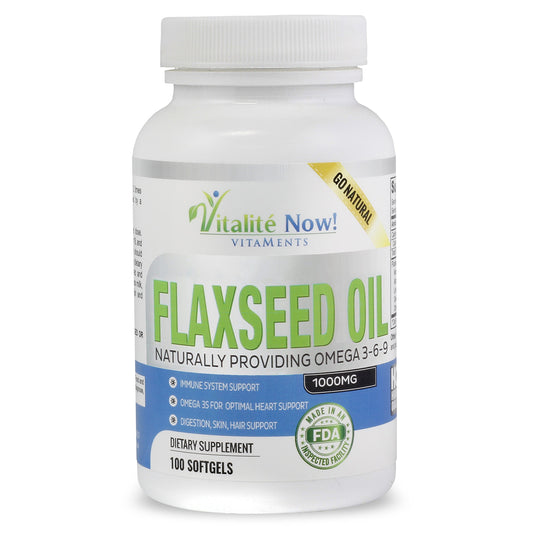
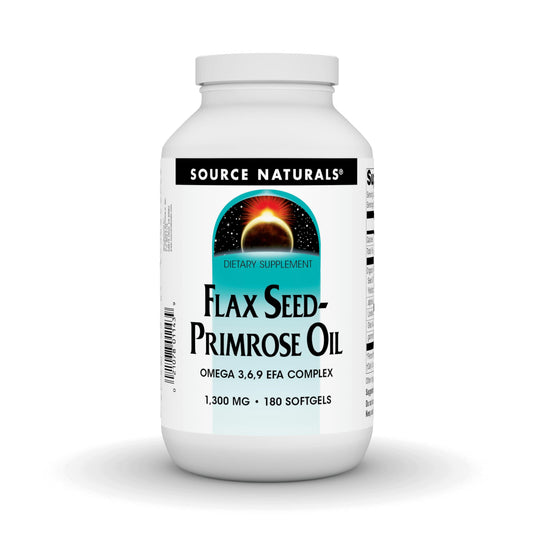
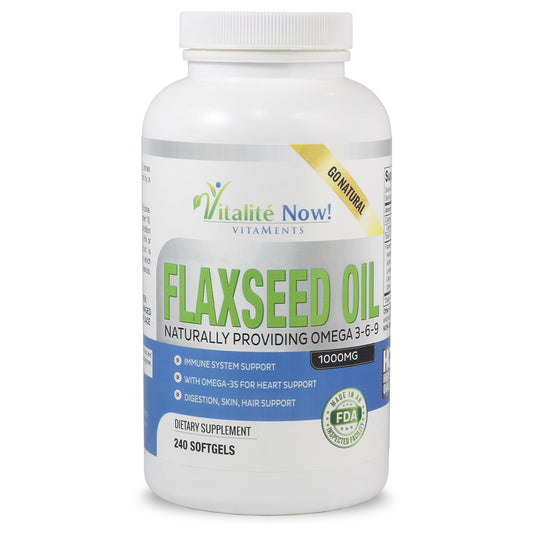
Why people choose capsules:They’re convenient, pre-measured, and often easier to take daily-especially if you’re commuting, travelling, or you simply don’t like the taste of oils. Capsules can also reduce day-to-day exposure of the oil to air, which may help with freshness during normal use (though the oil can still oxidise over time, so check best-before dates and storage guidance).
What to look for in capsules:
- Clearly stated ALA content:Some labels list only “flax seed oil” in mg; others also state omega-3/ALA content. If your aim is ALA intake, the omega-3 breakdown is helpful.
- Softgel size and count:Consider whether you’re comfortable swallowing them and whether the serving size is 1 capsule or several.
- Added vitamin E (tocopherols):Often included as an antioxidant to support stability. It’s not a guarantee of freshness, but it’s a reasonable formulation choice for PUFA-rich oils.
- Dietary fit:Some softgels use gelatine; others use plant-based capsules. If you follow a vegetarian or vegan diet, confirm the capsule material.
Seasonal fit:In colder months, routines can become more rigid (same breakfast, same commute). Capsules can “slot in” with minimal effort-useful if you’re trying to build consistency.
Liquid: the flexible option for food and higher-volume servings
Why people choose liquid:Liquid flax seed oil can be easier if you prefer not to swallow capsules or if you want flexibility with serving size. Many people add it to cold foods such as yoghurt, smoothies, overnight oats, dips, or salads. If you enjoy cooking seasonally at home, liquid can integrate into meals more naturally.
What to look for in liquid oil:
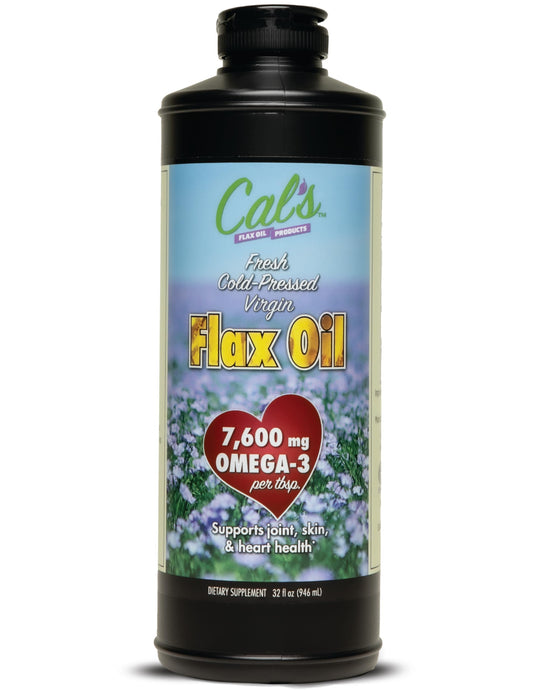
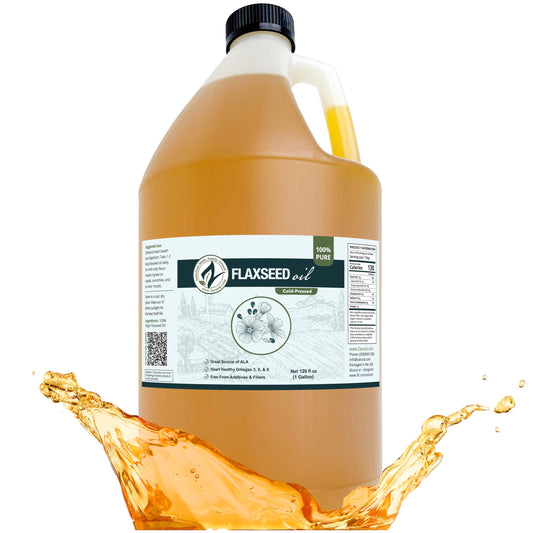
- Packaging:Dark glass can help reduce light exposure. An airtight cap and sensible bottle size matter because the oil is sensitive to oxygen.
- Storage instructions:Many flax seed oils are best kept in the fridge after opening. If you know you won’t use it often, a smaller bottle may be better than a large one.
- Flavour and freshness:Fresh flax seed oil typically has a mild, nutty taste. A strong bitter or “paint-like” taste can indicate oxidation-don’t use it if it seems rancid.
- Use it cold:Flax seed oil isn’t ideal for high-heat cooking due to its PUFA profile. Use it for drizzling or mixing into cold dishes.
Seasonal fit:If this season means more home-prepped lunches, soups with a drizzle added after cooking, or salad-based meals, liquid can be a simple add-on-just keep it away from heat and store it properly.
To compare these formats vs, you can browse thecapsules and liquid flax seed oil optionsin one place.
Freshness, oxidation, and why storage matters more than most people think
Because flax seed oil is rich in polyunsaturated fats, it can oxidise. Oxidation is driven by exposure to heat, light, and oxygen. This matters for two reasons: taste and quality. Oxidised oils can taste unpleasant, and many consumers prefer to avoid oxidised fats in general.
Evidence-based freshness tips you can apply immediately:
- Choose sensible pack sizes:If you won’t use liquid oil quickly, a smaller bottle may reduce the time it sits open.
- Store correctly:Follow the label. For many liquid flax oils, that means refrigerating after opening and keeping the cap tightly closed.
- Keep away from the hob and windowsill:Heat and light accelerate oxidation. A fridge door shelf is often better than a countertop.
- Be cautious with “bulk decanting”:Pouring into other containers increases oxygen exposure and can remove protective packaging benefits (like dark glass).
- Trust your senses:If it smells or tastes rancid, don’t force it-replace it.
Capsules can be more forgiving for day-to-day handling, but they still require sensible storage: keep them cool, dry, and away from direct sunlight, and avoid leaving the lid off.
If you’re selecting products specifically for regular use this season, theFlax Seed Oil Supplement Collection for this seasonis a handy shortlist to explore different packaging types and serving styles.
How much ALA do you actually get? Understanding labels without overcomplicating it
Supplement labels can be confusing because they may list:
- Total flax seed oil per serving(for example, 1,000 mg), and/or
- Omega-3 (ALA) contentwithin that oil (often several hundred mg), and sometimes
- Omega-6 and omega-9amounts, because flax oil contains a mix of fatty acids.
If you’re aiming for the authorised claim about ALA contributing to maintenance of normal blood cholesterol levels, the relevant daily amount is 2 g (2,000 mg) of ALA. Whether a particular product and serving size gets you there depends on its ALA concentration. If the label doesn’t state ALA specifically, you may need to check product details from the brand or retailer.
Also consider your broader diet. If you regularly eat walnuts, chia seeds, hemp seeds, rapeseed oil, or omega-3 enriched foods, your baseline ALA intake may already be meaningful. A supplement can fill gaps, but it’s rarely the only source.
Who might prefer flax seed oil this season (and who might choose something else)
Flax seed oil can be a good seasonal choice for a range of UK consumers, particularly those who want a plant-based omega-3 option. Situations where it often fits well include:
- Vegetarian or vegan diets:ALA is a useful omega-3 option when fish oil isn’t preferred.
- People who dislike fishy aftertaste:Flax oil doesn’t have the same profile as marine oils, though liquid flax can have its own taste.
- Those building a simple winter routine:Capsules can be easy to keep consistent with breakfast.
- People focusing on heart-health habits:ALA has an authorised role in contributing to maintenance of normal blood cholesterol levels at 2 g per day, alongside diet and lifestyle.
On the other hand, you might consider an alternative if:
- You specifically want EPA/DHA:Consider algae oil (plant-based) or fish oil, depending on your preferences and dietary pattern.
- You want fibre and lignans:Ground flaxseed may be more relevant than the oil (though it’s a food rather than an oil supplement).
- You’re on certain medicines:Especially anticoagulants or antiplatelets-seek professional guidance due to the broader context of fatty acids and bleeding risk considerations.
For UK shoppers balancing preferences, dietary style, and practicality, it can help to browse theElovita flax seed oil collectionand note capsule type, serving size, and any stated omega-3 breakdown.
Season-friendly ways to take flax seed oil (without turning it into a chore)
Consistency tends to matter more than perfection. If you choose capsules, attach them to an existing habit (breakfast, brushing teeth, or a mid-morning drink). If you choose liquid, use it in ways that suit cooler weather and UK eating patterns-always avoiding high heat.
Ideas that work well in-season:
- Stir into yoghurt or kefirwith berries and oats (add the oil after serving).
- Blend into a smoothiewith banana, spinach, and nut butter (keep it cool).
- Drizzle over roasted vegetablesafter they’ve come out of the oven and cooled slightly.
- Mix into hummusor a tahini-lemon dressing for salads.
- Add to soup at the tableonce the soup is no longer steaming hot.
If taste is a barrier, capsules may be more suitable. If swallowing is a barrier, liquid (or smaller capsules) might be a better fit.
Quality checklist: simple signals of a well-thought-out product
Without overpromising, you can still make a sensible, evidence-informed choice. Here are practical quality markers that generally matter for flax seed oil supplements:
- Clear labelling:Total oil amount, serving size, and ideally omega-3 (ALA) content.
- Stability support:Antioxidants like mixed tocopherols (vitamin E) may be included.
- Appropriate packaging:Dark bottles for liquids; well-sealed containers for capsules.
- Storage instructions you can follow:If a product requires refrigeration after opening, consider whether that fits your lifestyle.
- Allergen and dietary transparency:Especially capsule material (gelatine vs plant-based) and any added ingredients.
When comparing options, it can be helpful to keep one tab open for theFlax Seed Oil Supplement Collection for this seasonand focus on format, freshness considerations, and how the serving size fits your routine.
FAQ: quick, direct answers
Is liquid flax seed oil better absorbed than capsules?
In most everyday contexts, both forms can be absorbed well because the oil is ultimately digested as fat. The more meaningful differences tend to be convenience, tolerance, and freshness management rather than a clear, universal absorption advantage.
Can I cook with flax seed oil?
It’s generally better used cold or added after cooking. Because it’s high in polyunsaturated fats, it’s more sensitive to heat and can oxidise more easily than oils designed for high-temperature cooking.
How can I tell if flax seed oil has gone off?
Fresh oil is usually mild and slightly nutty. If it smells sharp, bitter, or like paint/varnish, it may be rancid. Don’t use it; replace it and review storage (especially refrigeration after opening).
Bottom line: the best option is the one you’ll use consistently (and store correctly)
For this season in the UK, capsules are often the easiest choice for a consistent routine and minimal taste. Liquid offers flexibility and can fit naturally into cold foods, but it demands more attention to storage and avoiding heat. Whichever format you pick, prioritise clear ALA labelling, sensible packaging, and storage instructions you can realistically follow.
If you want to compare formats and pick what suits your daily habits, browse theFlax Seed Oil Supplement Collection for this seasonand shortlist one capsule option and one liquid option-then choose based on the routine you can maintain.