








EPA Omega-3 Supplements
Explore a focused collection of EPA nutritional supplements curated for everyday wellness routines in the United Kingdom. EPA (eicosapentaenoic acid) is a widely recognised omega-3 fatty acid, commonly sourced from fish oil, and often selected by adults looking to support a balanced diet with targeted nutrition. This collection helps you compare strengths, serving sizes, and formats so you can choose confidently.
Across the range you’ll find easy-to-swallow softgels and capsules with clear labelling of EPA content per serving. Many people include omega-3 supplements as part of heart health-friendly habits, active lifestyles, and overall wellbeing. If you track related nutrients such as DHA, or aim to improve your omega-3 intake profile, EPA-forward products can be a practical addition to a consistent routine.
How to choose an EPA option
Start by checking the stated EPA amount per capsule and the suggested daily intake. Quality markers can include purification methods, third-party testing, sustainability notes, and allergen statements (fish or shellfish). If you already use supplements and vitamins, consider how fish oil fits into your schedule and meals.
- EPA per serving and capsule count
- Fish oil source, purity, and testing standards
- Softgel versus capsule preference
- EPA to DHA balance to match your needs
- Timing with meals for comfort and consistency
UK pricing and sensible use
Product details are presented for informed comparisons, with transparent pricing shown in GBP. For personalised advice—especially if you’re pregnant, taking anticoagulants, or managing a health condition—speak with a pharmacist or clinician before use. Used thoughtfully, EPA supplements can complement a well-rounded lifestyle alongside a nutritious diet.
-
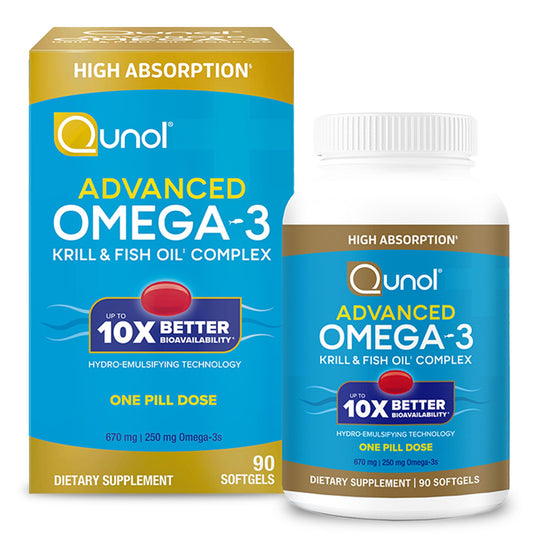
Vendor:Qunol
Qunol Advanced Omega-3 Krill and Fish Oil Complex – 10x Better Bioavailability, 250mg EPA/DHA, 90 Count
Meet Qunol Advanced Omega-3 Krill and Fish Oil Complex, a thoughtfully crafted blend designed for daily omega-3 support with convenience. Each soft gel pairs premium fish oil and krill oil to deliver EPA and DHA at 250 mg per capsule, complemented by choline and...- £45.40
- £45.40
- Unit price
- per
-
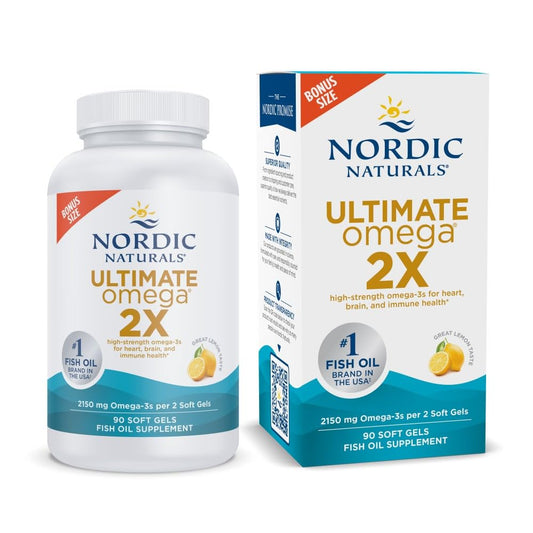
Vendor:Nordic Naturals
Nordic Naturals Ultimate Omega 2X Lemon - 90 Soft Gels | High-Potency EPA & DHA Omega-3
Boost your daily omega-3 intake with Ultimate Omega 2X Nordic Naturals Ultimate Omega 2X delivers a robust daily dose of EPA and DHA in a triglyceride molecular form, designed for efficient absorption and a clean lemon flavor. The lemon-tinted soft gels go down smoothly,...- £84.23
- £84.23
- Unit price
- per
-
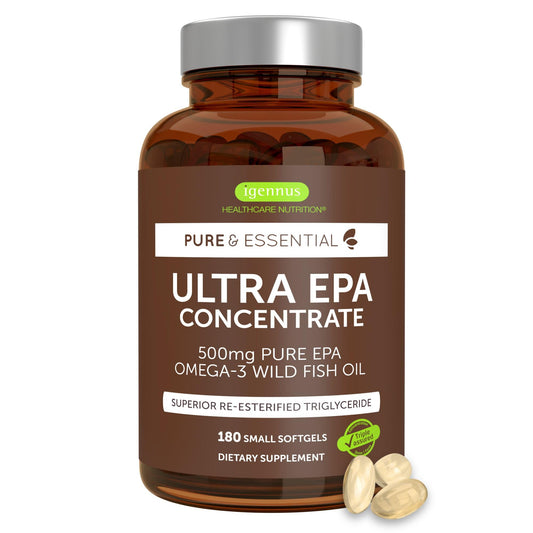
Vendor:Igennus Healthcare Nutrition
Igennus Ultra Pure Omega-3 EPA 500mg – IFOS Certified, rTG, Non-GMO, 180 Softgels
Igennus Ultra Pure Omega-3 EPA 500mg is a highly concentrated EPA only wild fish oil designed for daily use. Each small softgel delivers 500 mg of EPA, and the natural lemon flavor helps minimize aftertaste, making it easier to include in meals without a...- £76.05
- £76.05
- Unit price
- per
-
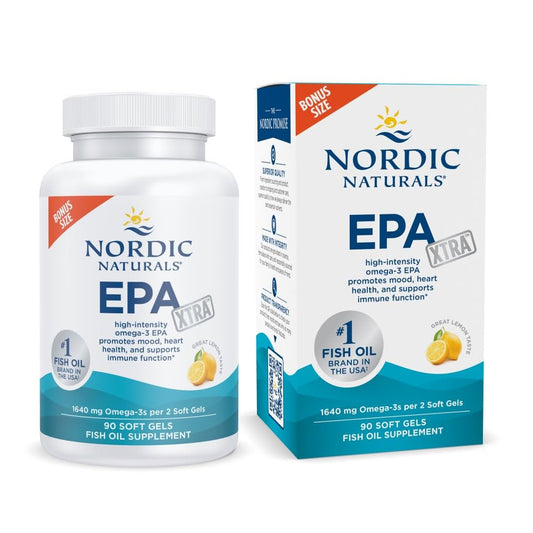
Vendor:Nordic Naturals
Nordic Naturals EPA Xtra Lemon - 90 Soft Gels | High-Potency EPA for Mood, Heart & Immunity
Overview Discover Nordic Naturals EPA Xtra Lemon, a high‑potency omega‑3 formula designed for everyday wellness. Each serving delivers a robust amount of EPA alongside DHA, packaged in a triglyceride form that the body tends to absorb efficiently. The bright lemon flavor helps minimize aftertaste,...- £70.26
- £70.26
- Unit price
- per
-
Vendor:Natural Factors
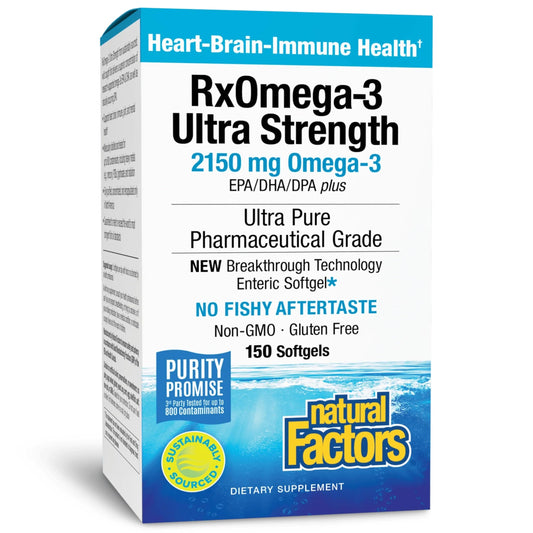
Natural Factors RxOmega-3 Ultra Strength – Brain & Heart Health Support
Premium, purified omega-3 for daily wellness Natural Factors RxOmega-3 Ultra Strength delivers a high-purity fish oil blend with EPA and DHA, crafted to support heart, brain, and eye health as part of a balanced lifestyle. With 150 softgels in each bottle (75 servings), this...- £60.95
- £60.95
- Unit price
- per
-
Vendor:THORNE
THORNE Super EPA – Omega-3 EPA 425mg & DHA 270mg for Brain, Heart & Joints
Introducing THORNE Super EPA, a high-quality omega-3 supplement designed to fit into your daily wellness routine. Each bottle contains 180 soft gelcaps crafted to be easy to swallow and to support a steady omega-3 intake as part of a balanced lifestyle. Omega-3 profile you...- £91.41
- £91.41
- Unit price
- per
-
Vendor:Standard Process Inc.
Standard Process Olprima EPA 60 Softgels | High-Concentration EPA in Triglyceride Form
Overview Olprima EPA is a high concentration omega-3 supplement designed to support targeted inflammatory balance while fitting into everyday wellness routines. It features a triglyceride form of EPA and is provided in a bottle of 60 softgels. This formulation is crafted by Standard Process...- £51.47
- £51.47
- Unit price
- per
-
Vendor:Igennus Healthcare Nutrition
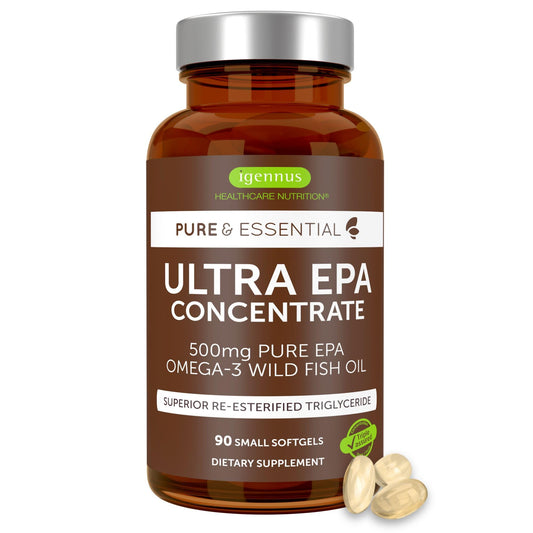
Igennus Ultra Pure Omega-3 EPA 500mg | IFOS Certified Wild Fish Oil, rTG Triglyceride Form, 90 Softgels
Introducing Igennus Ultra Pure Omega-3 EPA 500mg, a concentrated EPA-only wild fish oil with a refreshing natural lemon flavour. Each bottle contains 90 small softgels designed for daily use, sourced from wild Pacific anchovies and purified to remove common environmental toxins. The product is...- £48.66
- £48.66
- Unit price
- per
-
Vendor:Douglas Laboratories
Douglas Laboratories Opti-EPA 500 — Enteric-Coated Omega-3 for Brain, Eye, Pregnancy & Heart Health | 60 Softgels
Douglas Laboratories Opti-EPA 500 is an enteric-coated omega-3 softgel formula designed to deliver EPA and DHA with comfort and ease. Packaged in a 60-softgel bottle, this supplement blends essential fatty acids that align with thoughtful daily wellness habits, with a focus on brain and...- £49.26
- £49.26
- Unit price
- per
-
Vendor:Igennus Healthcare Nutrition
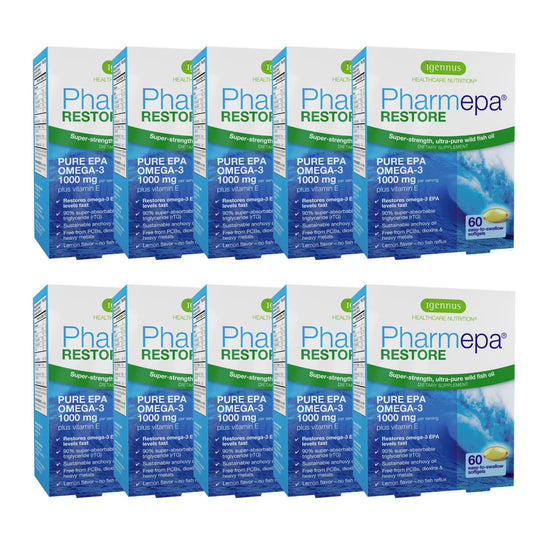
Igennus Pharmepa Restore – Pure EPA 1000mg Omega-3 rTG, IFOS Certified
Premium omega-3 formulation for daily wellness Igennus Pharmepa Restore centers on 500 mg of pure EPA per softgel, delivering a high EPA concentration that supports flexible dosing from 500 mg to 2 g per day. This design makes it easier to tailor intake to...- £270.02
- £270.02
- Unit price
- per
-
Vendor:Nordic Naturals
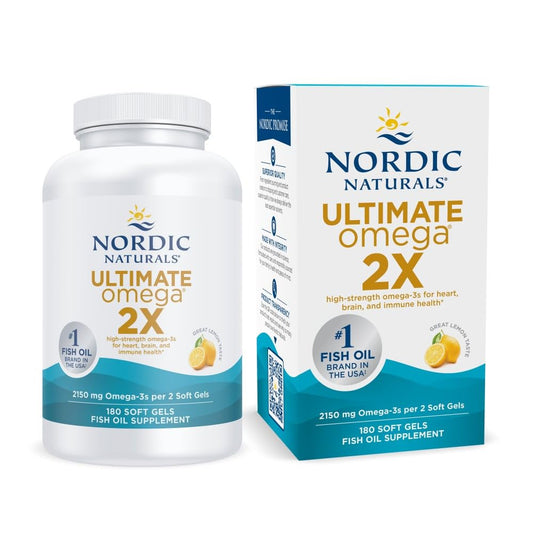
Nordic Naturals Ultimate Omega 2X Lemon Flavor – High-Potency Omega-3, 180 Soft Gels (EPA & DHA)
Nordic Naturals Ultimate Omega 2X Lemon Flavor delivers a high-potency omega-3 formula in lemon-tinted soft gels. Sourced from fresh, wild-caught fish, this product provides EPA and DHA in the triglyceride form for easier absorption, paired with a refreshing citrus note that many find pleasant....- £132.00
- £132.00
- Unit price
- per