








Baby & Child Adhesive Bandages
Everyday scrapes happen—at nursery, the playground, or on family days out. This collection of baby and child adhesive bandages (plasters) is curated for parents and carers who want reliable, gentle wound coverage that stays put through active play. Ideal for small cuts, minor grazes and blisters, these plasters support clean, comfortable protection while you get on with the day in the United Kingdom. Prices are shown in GBP.
We focus on practical first aid essentials for families: breathable materials for comfort, flexible strips that move with little fingers and knees, and secure adhesive designed to help keep dirt out. Choose sizes suited to tiny knuckles and elbows, plus multipacks that make it easy to restock the first aid kit at home, in the car, or in a changing bag—without overthinking minor wound care. Look out for options aimed at sensitive skin and latex-free preferences where noted.
Designed for busy family routines
From nursery bags to weekend adventures, it helps to have dependable plasters on hand. Our range is organised to support quick decisions across everyday wound dressing needs, including blister care and active play coverage. Related essentials include first aid kits, wound care supplies, antiseptic wipes, hypoallergenic adhesive, and breathable dressings.
- Gentle adhesive options for sensitive skin
- Breathable, flexible strips for active children
- Assorted sizes for cuts, grazes and blisters
- Easy-to-store packs for home and travel kits
How to choose and use plasters
For best results, clean and dry the area before applying, then change regularly to keep the dressing fresh. Select a plaster that fully covers the cut or graze, and replace after swimming or heavy play. Pair with simple first aid supplies to keep your family prepared for everyday mishaps.
-
Vendor:PowerHeal
PowerHeal Bioelectric Bandage Kit – 4-Pack, 4x4 Wound Care with Hydrogel
Take control of at-home wound care with PowerHeal PowerHeal Bioelectric Bandage Kit blends a three-layer bandage with Energel Wound Hydrogel to support a moist, protected wound environment. Designed for everyday injuries, it provides a complete, easy-to-use solution for quick, comfortable care from the comfort...- £53.09
- £53.09
- Unit price
- per
-
Vendor:Veo
Veo Strip | Sweat-Channeling Adhesive Strips for Eyes & Glasses | Non-Absorbent, Unlimited Capacity (Black 30)
Reimagine Sweat Management for Peak Performance Veo Strip offers a lightweight, adhesive solution designed to steer sweat away from the eyes and glasses rather than absorbing it. At roughly 2 grams per strip, these single-use devices sit close to the brow, delivering a barely-there...- £50.89
- £50.89
- Unit price
- per
-
Vendor:Reginary
Reginary Vet Wrap – 60 Rolls Self-Adhesive Bandage Wrap for Horses, Sports & Wound Care (2x5 yd & 4x5 yd, 15 Colors)
Overview Reginary Vet Wrap delivers a versatile cohesive bandage system designed for horses, athletes, and everyday care. The kit includes 60 self-adhesive rolls, split evenly between two practical sizes: 2 inches by 5 yards and 4 inches by 5 yards, available in 15 color...- £76.90
- £76.90
- Unit price
- per
-
Vendor:Treela
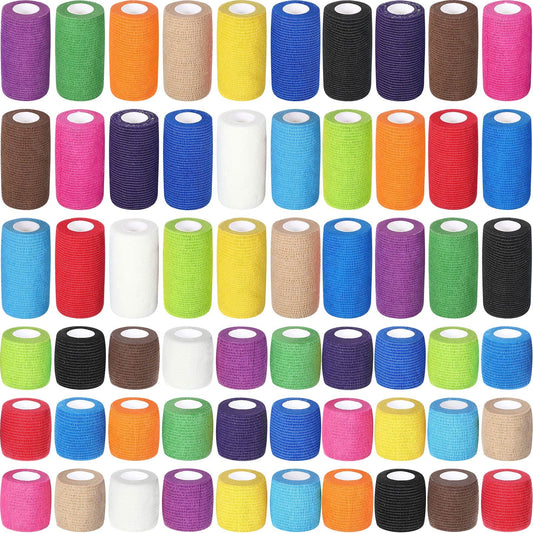
Treela 64 Pack Self-Adherent Bandage Wraps - 2" x 5 Yards Elastic Tape, Mixed Colors
Overview Discover Treela’s 64-pack of self-adherent bandage wraps, designed for everyday flexibility and dependable coverage. Each bundle includes 64 rolls of cohesive tape, measuring 2 inches wide by 5 yards long, crafted from a breathable non-woven fabric. The set comes in eight vibrant colors,...- £70.32
- £70.32
- Unit price
- per
-
Vendor:Lounsweer
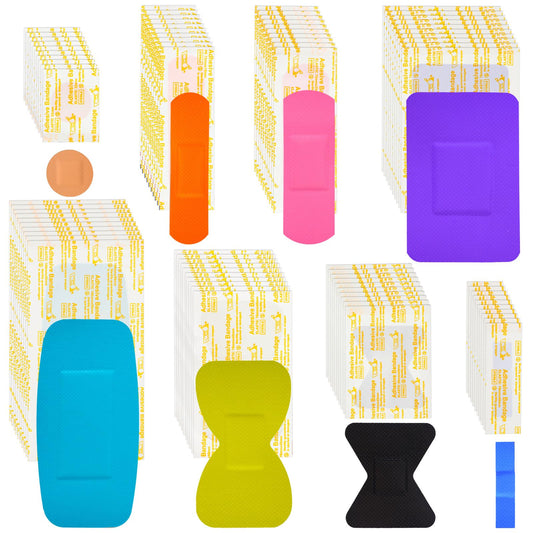
Lounsweer 720 Pcs Bandage Bulk Variety Pack – Flexible, Breathable, Waterproof First Aid Bandages (8 Sizes)
Meet the Lounsweer 720 Pcs Bandage Bulk Variety Pack Designed for everyday care, this bulk assortment brings together 720 bandages in a range of sizes and shapes to suit many common small injuries and daily activities. The pack is ideal for home first aid...- £51.99
- £51.99
- Unit price
- per
-
Vendor:BQTQ
BQTQ 120 Rolls Self-Adhesive Bandage Wrap – 1in x 5yd, Black, Self-Adherent Athletic Tape
Overview Meet BQTQ's self-adhesive bandage wrap set—an extensive supply designed for quick, secure wraps. With 120 rolls included, each roll measures 1 inch wide and 5 yards long, providing ample material for multiple wraps across a range of activities. The timeless black color pairs...- £72.51
- £72.51
- Unit price
- per
-
Vendor:KOVOQ
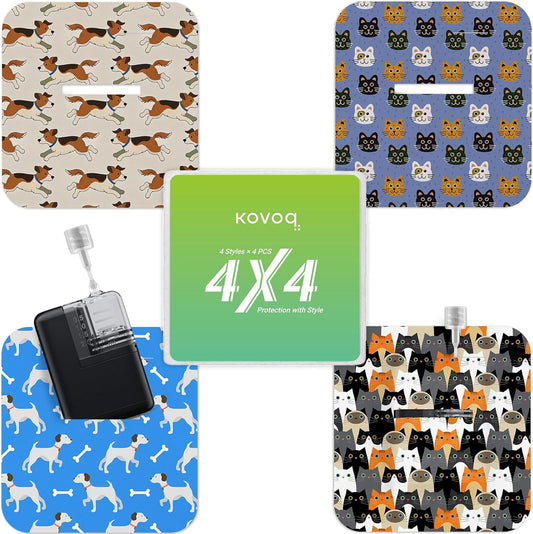
KOVOQ Tandem Mobi Adhesive Sleeve – 16 Pack Waterproof Overpatches for Insulin Pump
Overview The KOVOQ Tandem Mobi Adhesive Sleeve is a skin-friendly pocket designed to hold the Tandem Mobi insulin pump securely without a rigid tray. The sleeve attaches directly to the skin, allowing easy insertion or removal during showers or cartridge changes, while maintaining a...- £51.99
- £51.99
- Unit price
- per
-
Vendor:Hola Health
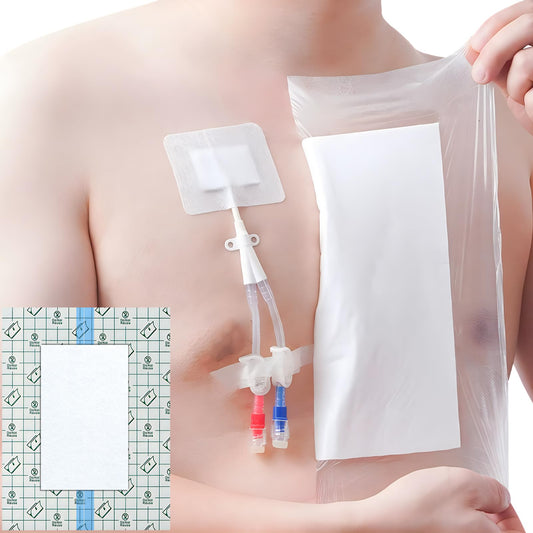
Hola Health Waterproof Shower Cover for Dialysis Ports & PICC Lines – 12x16, Pack of 14
OverviewDiscover the Hola Health Shower Water Shield, a waterproof barrier designed to keep ports, lines, and dressings dry during bath time. The 12" x 16" shield features a gentle adhesive border paired with a non-stick center pad, creating a flexible, skin-friendly shield that moves...- £51.99
- £51.99
- Unit price
- per
-
Vendor:Treela
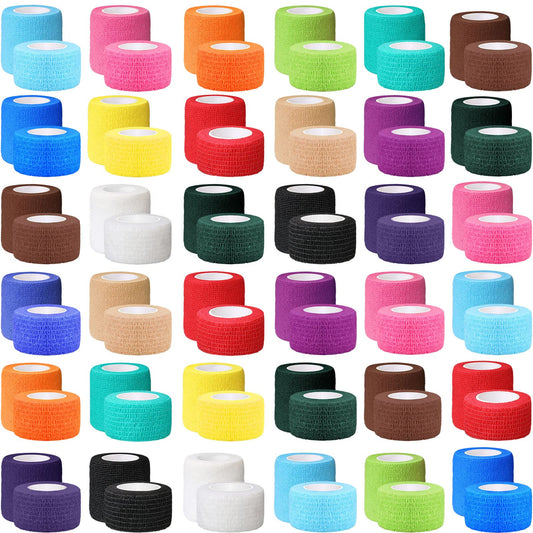
Treela 64 Pack Self-Adherent Bandage Wrap – 2in x 5yd Purple, Breathable Elastic Tape for Wrists, Ankles, Pets
Treela’s 64-pack self-adherent bandage wraps deliver flexible, breathable support for wrists, ankles, fingers, and small joints. The vibrant purple hue helps you quickly identify gear in a busy kit, gym bag, or field kit, while the fabric’s softness invites comfortable wear during activity. Designed...- £72.51
- £72.51
- Unit price
- per
-
Vendor:Treela
Treela 96 Pcs Self-Adhesive Wrap Bandages – 1in x 5yd & 2in x 5yd Bulk Breathable Elastic Cohesive Tape
OverviewTreela presents a 96 piece cohesive wrap bundle designed for everyday use in sports, travel, and home care. The set includes two practical widths, 1 inch x 5 yards and 2 inches x 5 yards, offering flexible coverage for ankles, wrists, fingers, and more.Designed...- £74.70
- £74.70
- Unit price
- per
-
Vendor:Dynarex
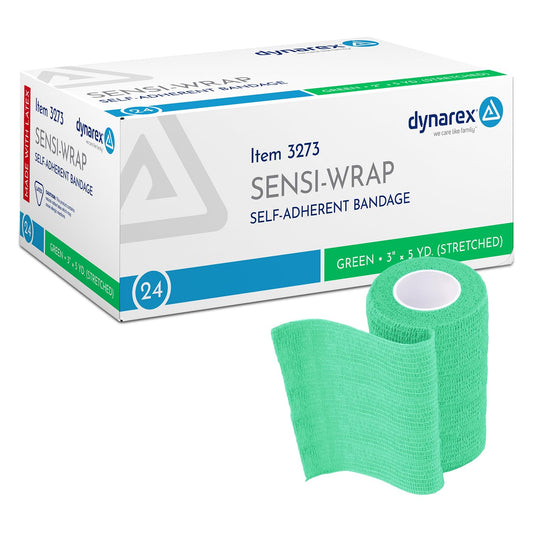
Dynarex Sensi-Wrap Self-Adhesive Bandages – 24 Pack, 3-Inch x 5-Yard, Green
Meet a lightweight, self-adherent wrap designed to move with you. Dynarex Sensi-Wrap Bandages come in a 24-pack, with each wrap measuring 3 inches wide by 5 yards long. They stick to themselves, not to skin, hair, or clothing, enabling quick adjustments during activity or...- £67.03
- £67.03
- Unit price
- per
-
Vendor:Henry Schein
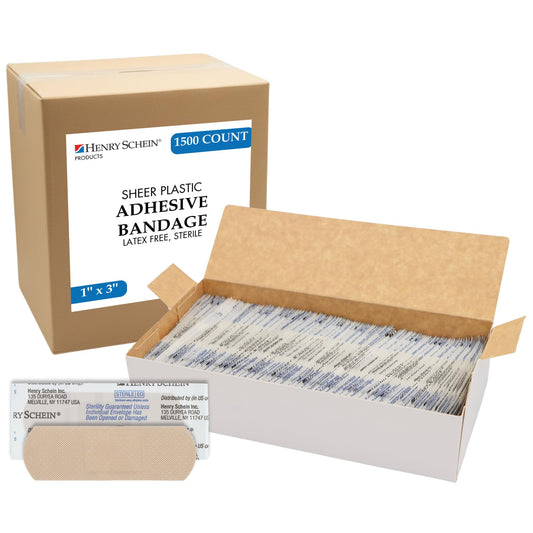
Henry Schein Sheer Adhesive Bandages 1" x 3" – Latex-Free, Breathable, Bulk Case 1,500 (10 Packs of 150)
OverviewHenry Schein Sheer Adhesive Bandages offer a practical, high-volume first aid solution for busy environments. Each 1" x 3" sterile strip delivers discreet coverage that blends with skin tones while maintaining reliable protection. The bulk case of 1,500 bandages is designed for clinics, schools,...- £68.09
- £68.09
- Unit price
- per
-
Vendor:KisSealed
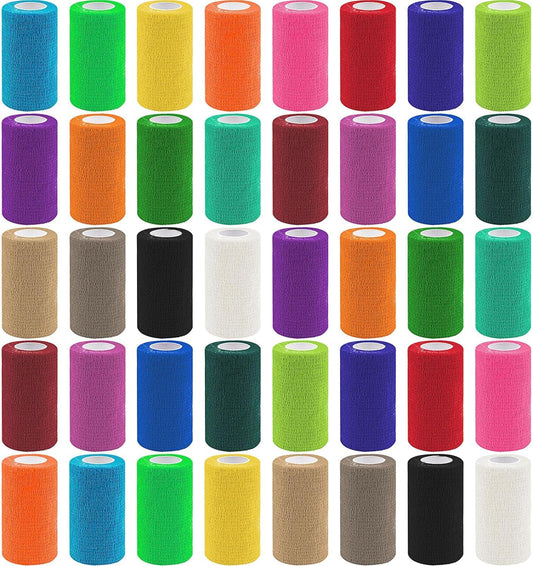
KisSealed Self-Adhesive Bandage Wrap — 40 Rolls, 4in x 5yd, 20 Colors, Breathable Non-Woven
Product Overview Meet KisSealed Self-Adhesive Bandage Wrap, a versatile wrap designed to simplify everyday care. This bulk set brings color and comfort to your first-aid kit, gym bag, or home medical drawer. With 40 rolls in 20 colors, you can tailor wraps to your...- £73.62
- £73.62
- Unit price
- per
-
Vendor:Coban
Coban NL Non-Latex Self-Adherent Wrap, 1 inch x 5 Yards, Tan – Pack of 72
Coban NL Non-Latex Self-Adherent Wrap: Versatile, Skin-Friendly Securement Coban NL Non-Latex Self-Adherent Wrap offers a reliable way to secure dressings, protect wound sites, and provide gentle compression without sticking to skin. This tan wrap measures 1 inch by 5 yards and arrives in a...- £99.90
- £99.90
- Unit price
- per
-
Vendor:BQTQ
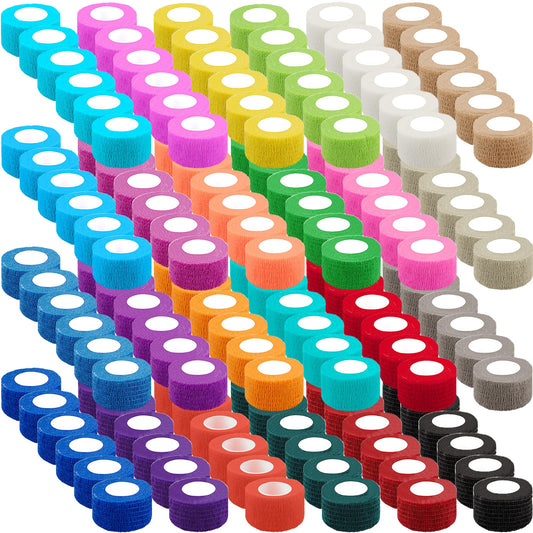
BQTQ 144 Rolls Self-Adhesive Bandage Wrap – 1-Inch Colorful Athletic Wrap Tape
Overview Discover a versatile, breathable self-adhesive wrap designed for flexible support in everyday activity. The BQTQ system pairs a generous quantity with color variety to help you tailor wraps to your routine, sport, or care tasks. Each roll is 1 inch wide and 5...- £76.90
- £76.90
- Unit price
- per
-
Vendor:Curad
CURAD Naturals Aloe Vera Hydrocolloids – Finger & Toe Bandages, Waterproof, Aloe-Infused, 8 ct (Pack of 4)
CURAD Naturals Aloe Vera Hydrocolloids offer a practical, Aloe Vera infused solution for minor wounds. Each box contains 8 sterile bandages designed for small cuts, scrapes, and blisters. The gentle Aloe Vera infusion provides a soothing touch while helping moisturize the surrounding skin, making...- £51.99
- £51.99
- Unit price
- per
-
Vendor:Dynarex
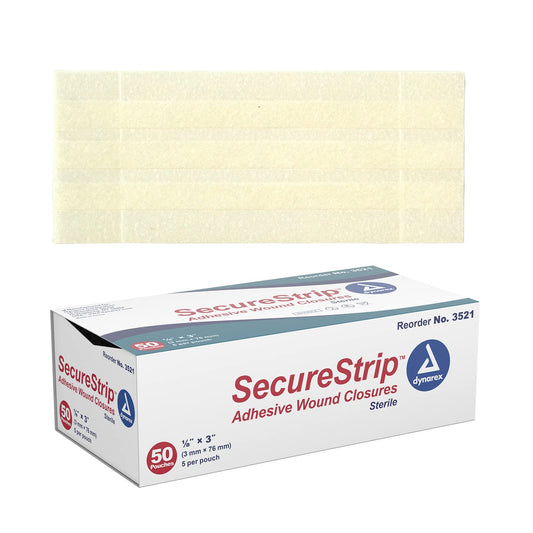
Dynarex Wound Closure Strips – Sterile, 1/8" x 3", 50 Strips
OverviewDynarex Wound Closure Strips provide a sterile, discreet option to support the skin along small cuts and after minor closures. The strips are designed to stay in place, helping maintain skin alignment during healing and through removal of stitches or staples. This simple closure...- £51.99
- £51.99
- Unit price
- per
-
Vendor:Dynarex
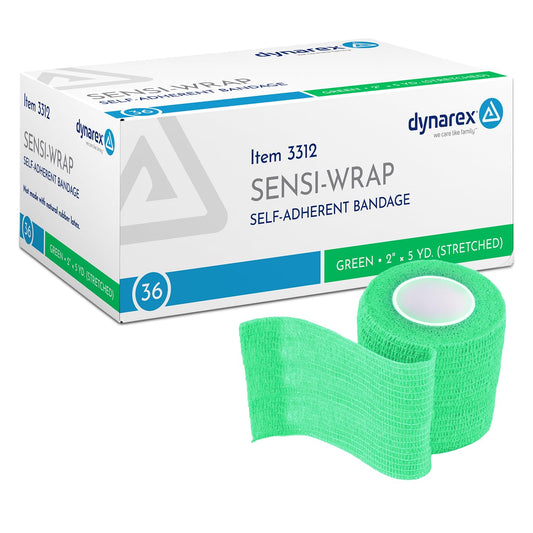
Dynarex Sensi-Wrap Self-Adhesive Bandages – 36-Pack, 2" x 5 Yards, Latex-Free, Green, Tattoo Grip & Vet Wrap
Overview Meet Dynarex Sensi-Wrap Self-Adhesive Bandages, a versatile 36-pack designed for fast, reliable wraps. Each 2 inch by 5 yard roll balances soft comfort with a secure hold, offering a lightweight, flexible option that sticks to itself without attaching to hair, skin, or clothing....- £68.13
- £68.13
- Unit price
- per
-
Vendor:Dynarex
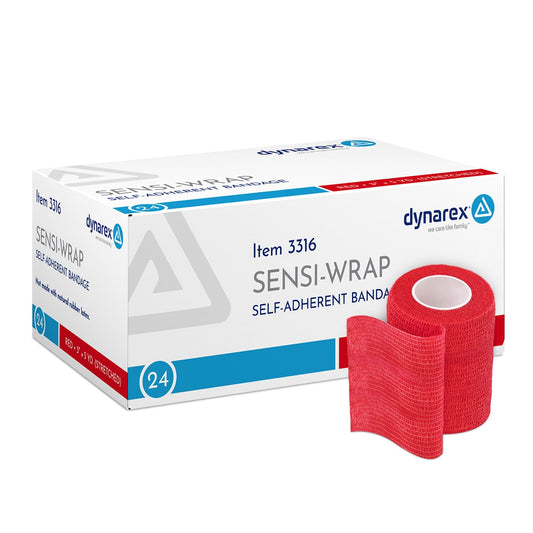
Dynarex Sensi-Wrap Self-Adhesive Bandages – 24-Pack, 3" x 5 Yards, Latex-Free, Red
Overview Dynarex Sensi-Wrap Self-Adhesive Bandage Rolls deliver lightweight, flexible compression designed to help manage a variety of minor injuries. The 24-pack features 3-inch by 5-yard rolls in red, with a latex-free option within the line. The wrap is gentle on skin and hair and...- £67.03
- £67.03
- Unit price
- per
-
Vendor:SH School Health
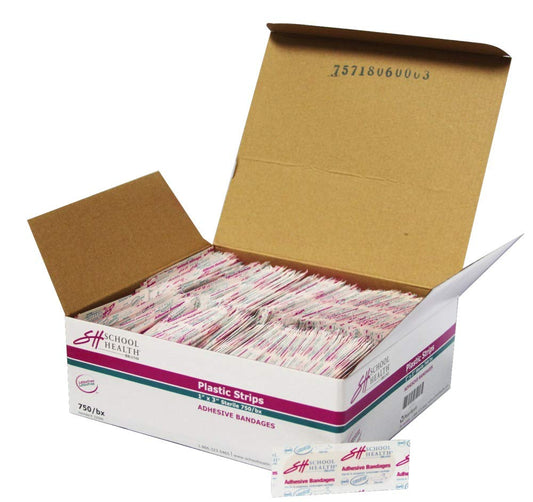
SH School Health Adhesive Bulk Bandages 750-Count, 1 x 3 in | Secure, Flexible Plastic Bandages for Minor Scrapes
Overview SH School Health brings a bulk bandage solution designed for busy classrooms, clinics, and homes. This 750-count box provides a ready-made supply of easy-to-apply, discreet coverings for minor cuts and scrapes, helping you stay prepared for daily injuries in active environments. Why these...- £55.27
- £55.27
- Unit price
- per