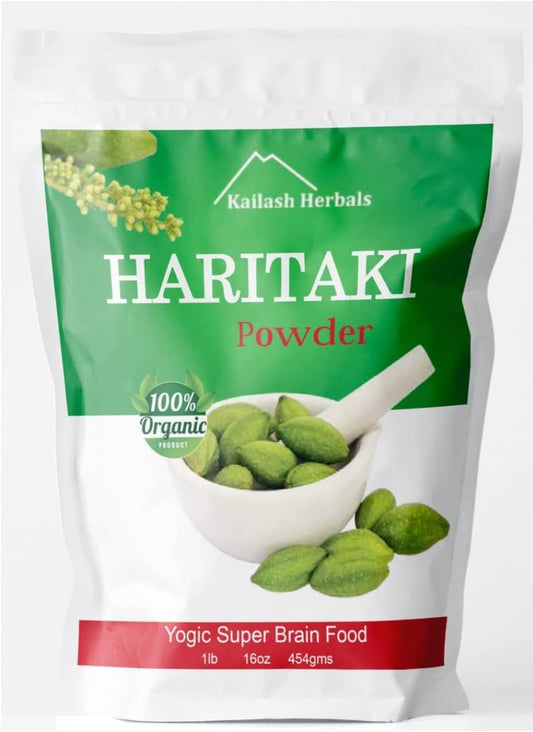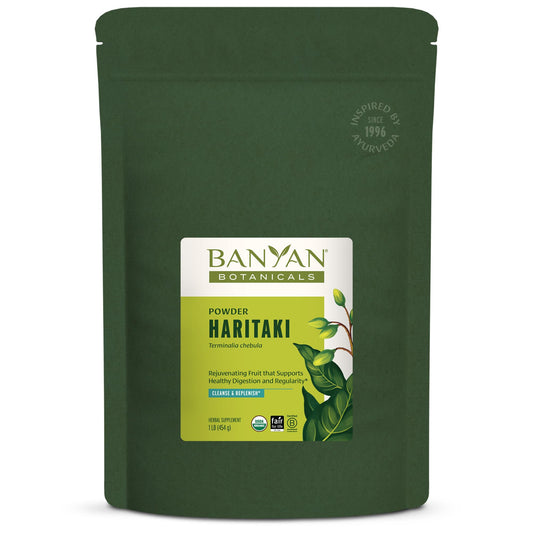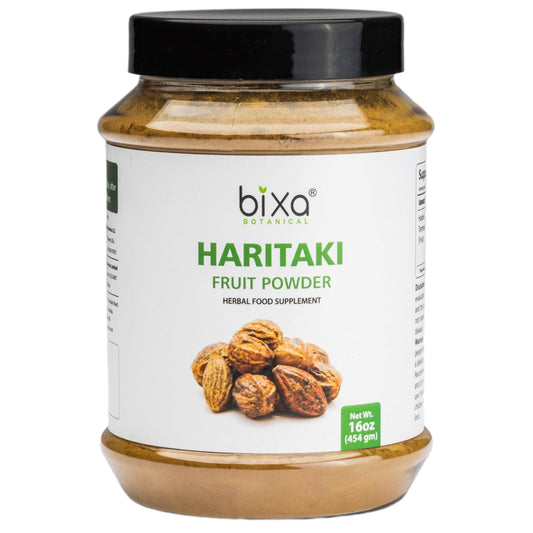




Searching for aHaritaki Supplement Collection for your levelcan feel confusing at first. Haritaki (also known asTerminalia chebula) is a traditional botanical used in Ayurveda, and today it’s available in the UK as capsules, tablets, powders, and blends. If you’re new, the goal isn’t to buy the “strongest” product-it’s to choose a form and quality standard you can use consistently, comfortably, and safely.
This guide is written for beginners in the UK who want a practical way to evaluate aHaritaki Supplement Collection, understand the kind ofbenefitspeople commonly seek, and learn what “quality” looks like on labels-without hype or unrealistic promises.
If you’d like to browse options while you read, you can view Elovita’s range here:Haritaki Supplement Collection.
What is haritaki, and why do people take it?
Haritakiis the dried fruit ofTerminalia chebula. In traditional Ayurvedic practice it’s often described as a “rejuvenating” herb, and in modern wellness circles it’s most commonly discussed in relation to digestion and daily routines.
People explore a haritakisupplementfor a range of everyday goals, including:
- Digestive comfortand a more regular routine (for example, when travelling, after diet changes, or during stressful periods)
- Gentle daily cleansinghabits (often alongside hydration and fibre)
- Antioxidantsupport (haritaki contains plant compounds such as polyphenols and tannins)
- General wellbeingas part of an Ayurvedic-inspired lifestyle
It’s important to keep expectations realistic: experiences vary from person to person, and supplements are not a substitute for medical care. If you have ongoing symptoms-especially persistent digestive issues-speak with a pharmacist or GP.
When choosing aHaritaki Supplement Collection for your level, your starting point should be: your sensitivity, your routine, and the format you’ll actually use (capsules or powder).
Beginner basics: capsules vs powder (and which suits your routine)
Most UK shoppers choose betweenharitaki capsulesandharitaki powder. Both can be “high quality”; they simply fit different lifestyles.
Haritaki capsules: the simplest place to start
Capsulesare popular for beginners because they’re convenient, pre-measured, and easier to travel with. They also reduce the chance you’ll dislike the taste (haritaki powder is naturally quite astringent and bitter).
Capsules may suit you if:
- You want a consistent daily habit with minimal prep
- You’re sensitive to strong tastes
- You prefer a neater supplement routine alongside other vitamins or minerals
Haritaki powder: flexible, traditional, and easy to adjust
Powdergives you more control over portion size. Many people use it in warm water, mixed into smoothies, or alongside other botanicals (for example,triphalablends that combine amla, bibhitaki, and haritaki).
Powder may suit you if:
- You want to start very small and adjust gradually
- You already use herbs like psyllium husk, ginger, or turmeric in drinks
- You don’t mind an earthy, astringent flavour
If you’re deciding between the two, a simple beginner approach is: choose capsules for convenience and powder for flexibility. You can explore both formats in thisUK haritaki supplement collection.
What benefits do beginners most often look for?
When people first try haritaki, they often do so as part of a broader “reset” routine: better hydration, more fibre, more whole foods, and steadier sleep. In that context, haritaki’s traditional use is most commonly associated with gut and elimination comfort.
Common beginner-focused wellness goals include:
- Daily digestive routine:supporting regularity when diet, stress, or travel disrupts your normal pattern
- Post-meal comfort:pairing with mindful eating habits (slower meals, less ultra-processed food)
- Antioxidant support:plant compounds such as polyphenols are frequently discussed in relation to oxidative stress balance
- Holistic wellbeing:integrating Ayurvedic practices like warm water, gentle movement, and consistent meal timing
Because the word “benefits” can be interpreted broadly online, it’s worth being specific: supplements may support normal body functions, but they don’t diagnose, treat, cure, or prevent disease. If you’re pregnant, breastfeeding, taking medication, or managing a medical condition (including diabetes), get professional advice before starting any new supplement.
How to choose quality haritaki in the UK: a practical checklist
Quality can mean several things: correct botanical identity, clean manufacturing, clear labelling, and a product format that suits you. Use the checklist below when reviewing aHaritaki Supplement Collection for your level-especially if you’re ordering online.
1) Clear botanical naming and plant part
Look for the Latin nameTerminalia chebulaand an indication that it’s thefruit(the typical plant part used). Vague labels can make it harder to compare products.
2) Straightforward ingredient list
For beginners, simpler is often better: haritaki plus the capsule shell (if applicable). If it’s a blend, the label should state each ingredient and amount. Watch for unnecessary fillers, artificial colours, or sweeteners if you’re aiming for a cleaner supplement routine.
3) Testing and traceability signals
Many shoppers look for evidence of good manufacturing practices and testing. Depending on the product, you may see references to:
- Third-party testing (where available)
- Batch numbers and best-before dates
- Testing for heavy metals and microbial contaminants (common concerns for herbal powders)
Not every brand presents this in the same way, but reputable sellers usually provide clear documentation or are transparent when asked.
4) Form and potency that matches your sensitivity
Beginners often do best starting gently. A higher-strength capsule isn’t automatically “better” if it makes you uncomfortable. Consider whether a lower dose capsule or powder (which you can measure in smaller amounts) fits your body and routine.
5) Capsule type and dietary preferences
If you’re vegetarian or vegan, check whether capsules are made from plant cellulose (often called HPMC) rather than gelatin. Also consider allergen statements if you avoid soy, gluten, or dairy.
6) Storage and freshness
Botanical powders can absorb moisture. Choose products with sensible packaging (sealed pouches or tubs), and store them away from heat and humidity. If you buy powder, a small measuring spoon and a dry storage area can make the habit easier.
To compare formats and ingredient approaches, you can browse theHaritaki Supplement Collection from Elovita UKand then cross-check labels using the points above.
How to start: beginner-friendly steps (without overdoing it)
Starting any new supplement is easier when you keep the rest of your routine stable. If you change five things at once, it’s hard to know what’s helping-or what isn’t agreeing with you.
Step 1: Choose a format you’ll stick with
If you’re busy or travelling, capsules tend to be the most consistent. If you like making warm drinks or smoothies, powder can be easier to personalise. Either way, choose aHaritaki Supplement Collection for your levelrather than what sounds most intense.
Step 2: Start low and keep notes for 1-2 weeks
Follow the product label and consider starting at the lower end of the suggested use if you’re sensitive. Keep a simple note in your phone about timing, meals, water intake, and how you feel.
Step 3: Support the basics (this is where many people notice the biggest change)
Haritaki is often used alongside foundational habits:
- Hydration (especially if you increase fibre)
- Regular meal timing
- Fibre-rich foods (vegetables, oats, pulses, chia)
- Gentle movement (walking after meals can help many people)
Step 4: Adjust only one variable at a time
If you decide to increase your amount (within label guidance), do it slowly. If you’re using powder, small adjustments are easier. If you experience cramping, loose stools, or discomfort, stop and reassess-your best “quality” product is the one that fits your body.
Who should be cautious (and when to speak to a professional)
Even natural supplements can interact with individual health circumstances. Check with a healthcare professional (GP or pharmacist) before using haritaki if you:
- Are pregnant, trying to conceive, or breastfeeding
- Have a digestive condition (for example IBS, IBD, or chronic diarrhoea/constipation)
- Have diabetes or take medication that affects blood sugar
- Take anticoagulants or have a bleeding disorder
- Are scheduled for surgery
- Are buying supplements for a teenager or child
If you’re unsure, take the product label (or a screenshot) to your pharmacy and ask for advice. That’s a simple UK-friendly step many people forget.
Building your own “collection” by skill level: beginner, regular, and experienced routines
AHaritaki Supplement Collection for your levelisn’t about owning lots of products-it’s about choosing a small set that matches how confident you are with herbs and how steady your routine is.
Beginner level: keep it simple
Choose one product format (capsule or powder) and use it consistently. Look for clean labelling and a sensible serving size. If you want to explore options, start with thisharitaki supplements selectionand shortlist 2-3 items based on format and ingredients.
Regular level: refine for your lifestyle
If you already know how your body responds, you might decide between:
- Capsules for weekdays + powder on weekends (when you have time)
- A single-ingredient haritaki product vs a blend (such as triphala) depending on your preference
- Organic certification as a priority if that matters to you
Experienced level: focus on quality signals and consistency
More experienced users often pay extra attention to sourcing transparency, batch testing information, and how the supplement fits into a broader routine (diet, hydration, timing). The best approach is still to avoid stacking too many new botanicals at once.
For inspiration, browse theElovita Haritaki Supplement Collectionand use the quality checklist above to compare products objectively.
Related terms you’ll see when shopping (and what they usually mean)
UK listings often use a mix of traditional and modern supplement language. Here are common terms and how to interpret them as a consumer:
- Ayurveda / Ayurvedic:linked to traditional Indian wellness practices; not a guarantee of quality by itself
- Triphala:a three-fruit blend (amla, bibhitaki, haritaki) often used for digestive routines
- Organic:a regulated certification if properly stated; useful if you prioritise farming standards
- Vegan capsules:typically plant cellulose (HPMC); check if that matters to you
- Extract vs powder:extracts can be more concentrated; powders are closer to whole herb and easier to portion down
- Tannins / polyphenols:naturally occurring plant compounds often discussed in antioxidant context
- Gut health:broad term; look for specific, realistic goals like comfort and regularity
- Detox:marketing language; your body’s detoxification is primarily handled by liver and kidneys-focus on hydration, fibre, and overall habits
FAQ: quick answers for UK beginners
Is haritaki better as capsules or powder?
Neither is universally “better”. Capsules are usually easier and more consistent for beginners, while powder is more flexible if you want to start very small and adjust gradually. Choose the format you’ll use reliably.
How do I tell if a haritaki supplement is good quality?
Look for clear botanical identification (Terminalia chebula), a transparent ingredient list, sensible labelling, and quality signals like batch information and testing details where available. Also choose a format (capsule or powder) that suits your routine so you can use it consistently.
Where to explore a haritaki supplement collection in the UK
If you want to compare capsule and powder options in one place, you can browse theharitaki supplement collection page. As you review products, come back to the checklist in this article and prioritise clarity, testing transparency, and a beginner-friendly format-those three factors usually matter more than bold claims.
Key takeaway:The bestHaritaki Supplement Collection for your levelis the one that matches your experience, feels manageable day-to-day, and is labelled clearly enough that you know exactly what you’re taking.