








Flower Essence Remedies
Explore our curated Flower Essences collection, bringing together traditional and contemporary liquid drops designed to complement everyday emotional wellbeing routines. In the United Kingdom, flower essence remedies are often chosen as a gentle, holistic addition to a balanced lifestyle—especially during busy weeks, periods of change, or when you want to feel more grounded. Each product page provides clear usage guidance and ingredient details, with prices shown in GBP.
Flower essences are typically taken as drops under the tongue or added to water, making them simple to include in a daily ritual. Many shoppers compare Bach-style flower remedies with modern blends that focus on common intentions such as calm, confidence, resilience and emotional balance. While individual experiences vary, these products are widely used alongside mindfulness, journalling and self-care practices.
Choose by intention and routine
Browse by how you want to feel and the situations you’re navigating—whether that’s work pressure, travel, study, or building a new routine. Consider starting with one focus and using it consistently to see what suits you.
- Everyday calm for demanding schedules
- Confidence and focus for presentations or interviews
- Wind-down support alongside good sleep habits
- Emotional reset during transitions and change
Formats, labels and easy comparison
We prioritise transparent labelling and practical formats, including alcohol-free options where available. Explore single essences and blended formulas, compare bottle sizes and dropper bottles, and choose what fits your routine. Related entities and keywords across the range include Bach, Rescue Remedy-style blends, holistic wellness, mindfulness, emotional wellbeing, natural remedies, and botanical extracts.
-
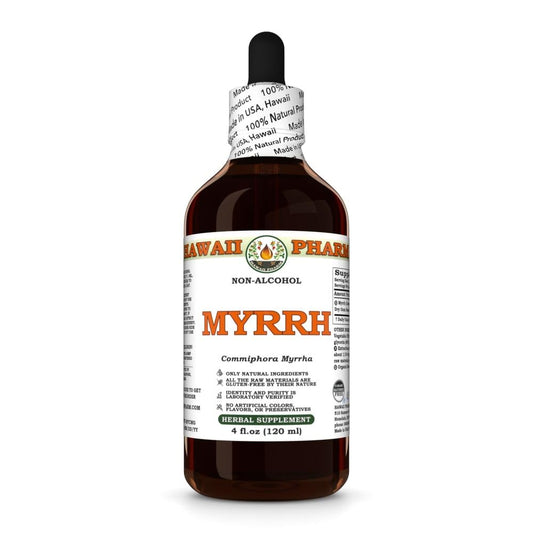
Vendor:Hawaii Pharm
Myrrh Alcohol-Free Liquid Extract | Organic Myrrh Gum Resin Glycerite | Hawaii Pharm, USA 4 fl oz
Discover Hawaii Pharm Myrrh Alcohol-Free Liquid Extract, a glycerite crafted from organic Commiphora myrrha resin. This alcohol-free extract is produced with a classic approach, using palm glycerin and purified water to preserve the plant's natural character.What makes this glycerite distinctive is the extraction method...- £53.04
- £53.04
- Unit price
- per
-
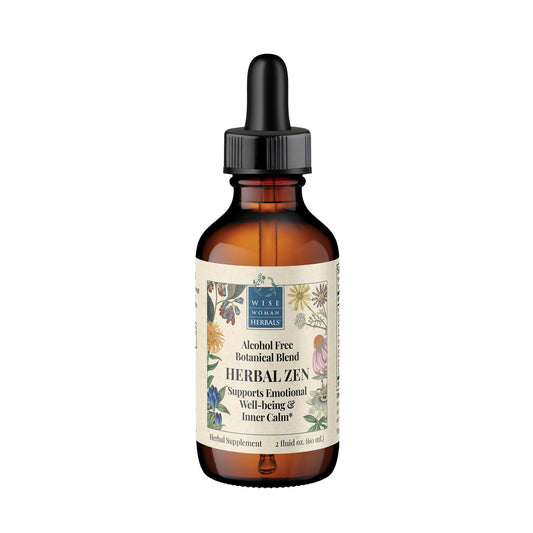
Vendor:Wise Woman Herbals
Wise Woman Herbals Herbal Zen – Alcohol-Free Mood Support for Relaxation and Focus (2 fl oz)
Meet Herbal Zen: a natural, alcohol-free mood support Herbal Zen, formerly Kalmerite Glycerite, blends soothing herbs in a glycerite base to offer a gentle, alcohol-free path to calm. The aroma hints of lavender and citrus, while the texture feels smooth and approachable when drawn...- £46.29
- £46.29
- Unit price
- per
-
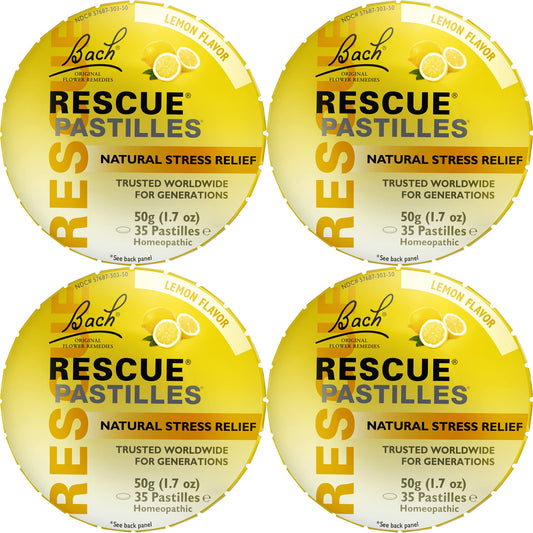
Vendor:RESCUE
RESCUE Bach Rescue Pastilles Lemon – Stress Relief Lozenges, 35 Count, 4-Pack (Vegetarian)
Calm, Carry, and Continue: RESCUE Bach Rescue Pastilles Lemon When everyday moments pile up—meetings, deadlines, errands—the lemon aroma and smooth melt of these pastilles offer a discreet pause. The Lemon pastille flavor is bright and refreshing, designed for a gentle sensory cue that can...- £49.01
- £49.01
- Unit price
- per
-
Vendor:bixa BOTANICAL
bixa BOTANICAL Calamus Root Powder – Ayurvedic Acorus Calamus, 16 oz
Step into a long-standing tradition of herbal care with bixa BOTANICAL Calamus Root Powder. Sourced from Acorus calamus (also known as Vacha or Sweetflag), this finely milled powder brings a fragrant, earthy note to your herbal routine. Each batch is steam treated to help...- £49.80
- £49.80
- Unit price
- per
-
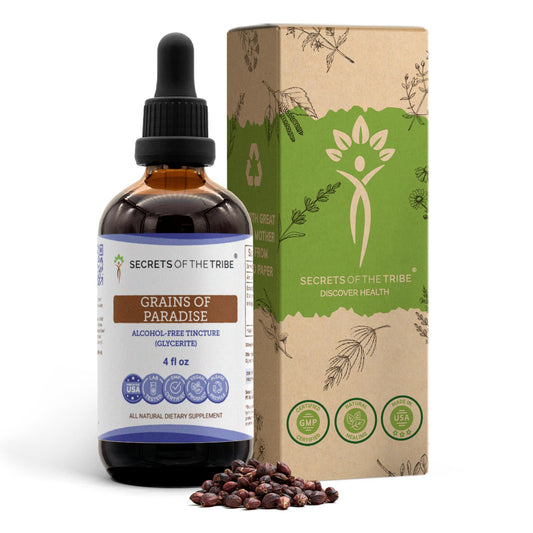
Vendor:Secrets of the Tribe
Secrets of the Tribe Grains of Paradise Tincture – Alcohol-Free Liquid Extract, 4 fl oz
Authentic Grains of Paradise Tincture Discover Secrets of the Tribe Grains of Paradise Tincture, a clean, alcohol-free extract that captures the warm aroma and distinct character of Aframomum melegueta's dried seeds. This plant-based liquid is sugar-free and gluten-free, crafted to fit mindful, everyday routines...- £48.68
- £48.68
- Unit price
- per
-
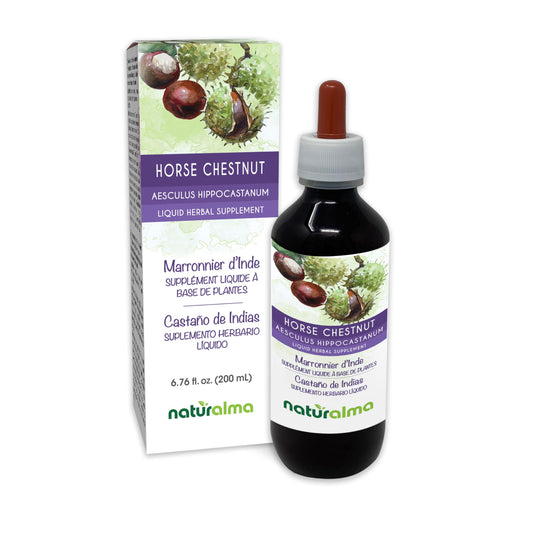
Vendor:Naturalma
Naturalma Horse Chestnut Seed Alcohol-Free Tincture Drops (1:5) – 6.76 fl oz, Vegan, Made in Italy
Overview Naturalma Horse Chestnut Seed Alcohol-Free Tincture is a concentrated liquid extract sourced from Aesculus hippocastanum seeds. The tincture uses an exclusive extraction method to maximize active constituents while staying 100% natural, alcohol-free, and free from added sugars. Crafted for vegan, plant-based routines, this...- £45.41
- £45.41
- Unit price
- per
-
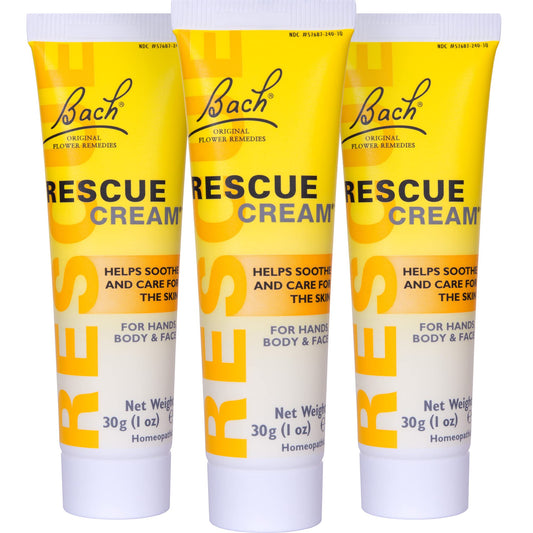
Vendor:RESCUE
RESCUE Bach Rescue Cream - Hydrating 3-Pack for Hands, Body & Face | Fragrance-Free
All-in-One Hydration for Everyday Skin Needs Meet RESCUE Bach Rescue Cream, a travel-friendly, multi-use moisturizer designed to pamper hands, body, and face with gentle, nourishing care. Each 30g tube delivers a light, creamy texture that sinks in without a greasy afterfeel, making it easy...- £44.15
- £44.15
- Unit price
- per
-
Vendor:Bach Flower Remedies
Bach Original Flower Remedies Star of Bethlehem – 20mL Dropper (Pack of 2) – Emotional Balance
Discover a gentle flower essence designed to support inner calm during challenging moments. Bach Star of Bethlehem is prepared using Dr. Edward Bach’s traditional methods, crafted from hand-selected Star of Bethlehem flowers to capture their subtle soothing properties. The convenient 20 mL dropper makes...- £42.98
- £42.98
- Unit price
- per
-
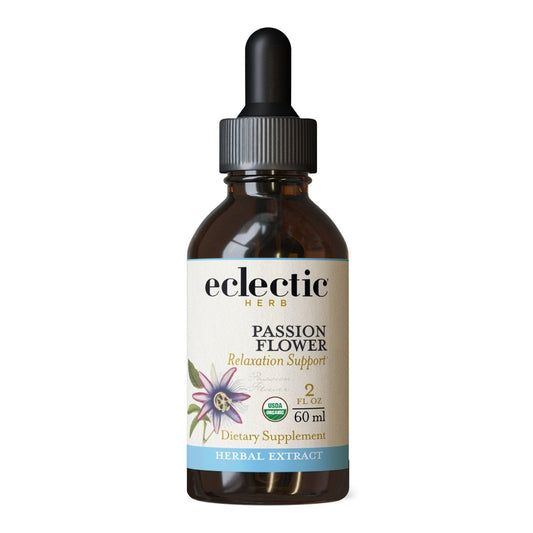
Vendor:ECLECTIC INSTITUTE
Eclectic Institute Passion Flower G, Orange – 2 Fluid Ounce | Botanical Blend for Relaxation
Experience Eclectic Institute Passion Flower G, Orange In a compact two-ounce bottle, this vibrant orange blend from Eclectic Institute invites you to slow down and savor a moment of calm. The Passion Flower G color and scent hint at a botanical approach to everyday...- £42.30
- £42.30
- Unit price
- per
-
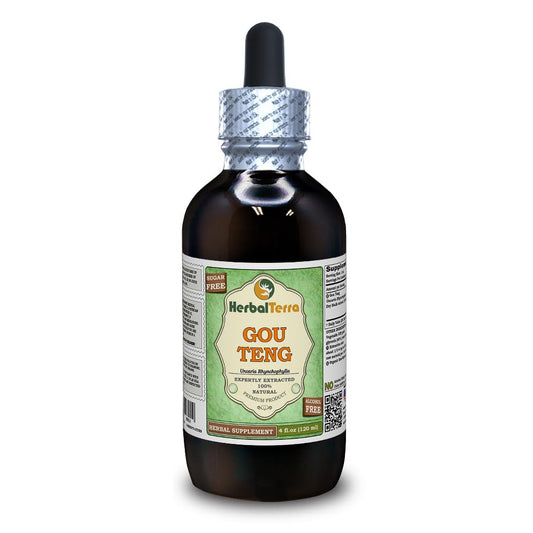
Vendor:Herbal Terra LLC
HerbalTerra Ramulus Uncariae Cum Uncis Glycerite – Organic Alcohol-Free Extract, 4 oz
Overview HerbalTerra Ramulus Uncariae Cum Uncis glycerite is a 4 fl oz (120 ml) alcohol free liquid extract crafted from organically grown Ramulus Uncariae cum Uncis dried stalks. This glycerite is designed for flexible daily use in beverages or meals, offering a convenient way...- £43.18
- £43.18
- Unit price
- per
-
Vendor:Bach Flower Remedies
Bach Original Flower Remedies Impatiens – 20mL Dropper Pack of 2 | Have Patience
Unlock a calmer routine with Impatiens Meet Bach Original Flower Remedies Impatiens, a 20 mL dropper pack designed to accompany everyday moments of decision and action. Drawn from Dr. Edward Bach's system of 38 flower essences, Impatiens is associated with patience and steadiness, offering...- £42.98
- £42.98
- Unit price
- per
-
Vendor:Bach Flower Remedies
Bach Original Flower Remedies Hope & Joy Kit – Comfort and Optimism, Vegan (3x20mL Droppers)
Rediscover calm with the Bach Original Flower Remedies: Hope & Joy Kit Developed in the 1930s by Dr. Edward Bach, these natural flower essences are designed to support emotional balance as part of a holistic approach to wellness. The Bach Original Flower Remedies have...- £40.48
- £40.48
- Unit price
- per
-
Vendor:Bach Flower Remedies
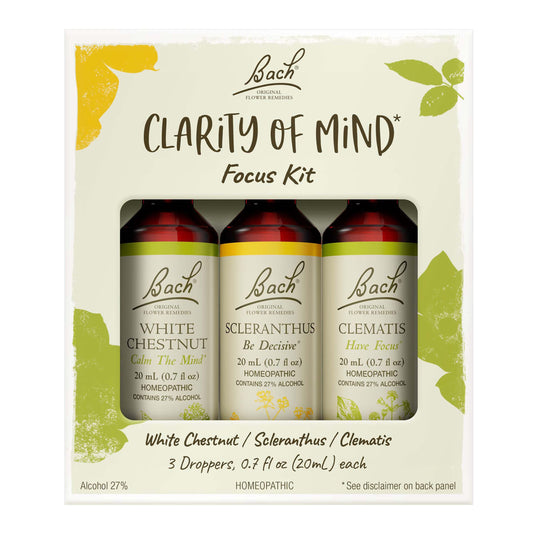
Bach Original Flower Remedies Clarity of Mind Kit – Focus & Mindfulness (3 x 20mL Droppers)
A gentle, plant-based path to present-focused calm The Bach Original Flower Remedies Clarity of Mind Kit offers a natural, holistic option to support daily balance. Formulated in the 1930s by Dr. Edward Bach, these flower essences aim to reflect different emotional states and are...- £40.48
- £40.48
- Unit price
- per
-
Vendor:RESCUE
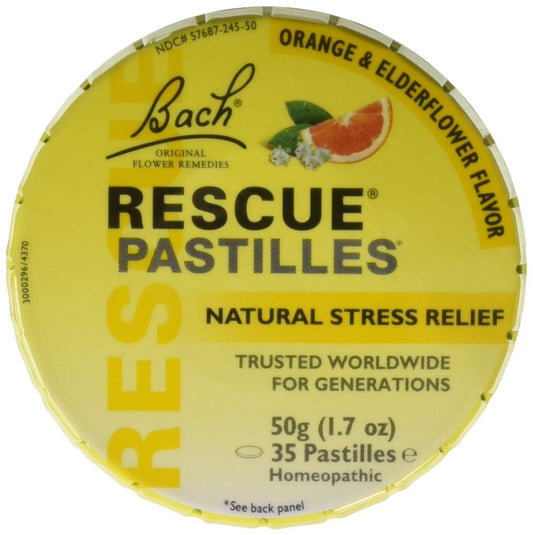
RESCUE Rescue Remedy Pastilles 12-Pack | Bach Flower Essences
Portable calm for everyday moments RESCUE Rescue Remedy Pastilles offer a compact, approachable blend inspired by Bach Flower Essences. Designed for busy lives, these pastilles are easy to carry and quick to use when you need a brief moment of balance. The mild, fruity...- £121.94
- £121.94
- Unit price
- per
-
Vendor:Bach Flower Remedies
Bach Original Flower Remedies Full Set (Non-Alcohol) – 38 Bach + 2 Rescue Remedy | 40 Droppers
Overview: A Complete, Non-Alcohol Flower Remedy Kit The Bach Original Flower Remedies Full Set gathers 38 distinct flower essences with a non-alcohol formula, plus two Rescue Remedy droplets. This compact collection is designed for both professional and home use, offering a comprehensive tool kit...- £383.75
- £383.75
- Unit price
- per
-
Vendor:Bach
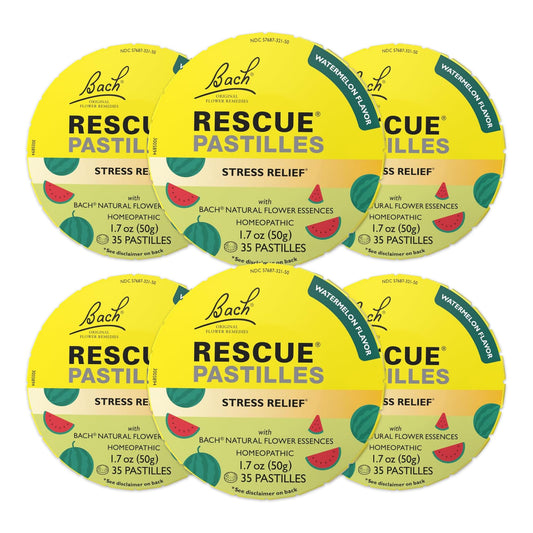
Bach RESCUE PASTILLES Watermelon – Stress Relief Lozenges, 6 Pack, Vegan
Calm moments, on the go: Bach RESCUE PASTILLES Watermelon These watermelon flavored pastilles are designed to ease everyday feelings of stress, restlessness, and irritability. Each soft lozenge centers around the original Rescue Remedy blend, a collection of five flower essences developed by Dr. Edward...- £73.30
- £73.30
- Unit price
- per
-
Vendor:ECLECTIC INSTITUTE
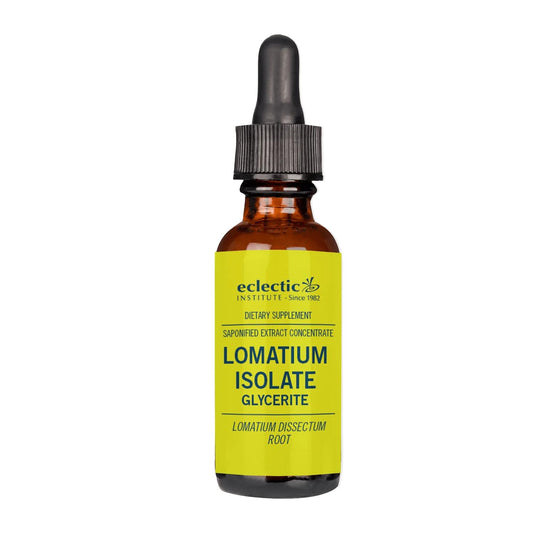
Eclectic Institute Lomatium Isolate Glycerite | Alcohol-Free Herbal Immune & Lung Support
OverviewEclectic Herb Lomatium Isolate Glycerite is a highly concentrated, alcohol-free glycerite derived from Lomatium dissectum. This warming, drying herbal profile is traditionally valued for potential support of immune and lung health during seasonal changes. The formulation emphasizes purity, using a gentle extraction that preserves...- £61.86
- £61.86
- Unit price
- per
-
Vendor:Bach
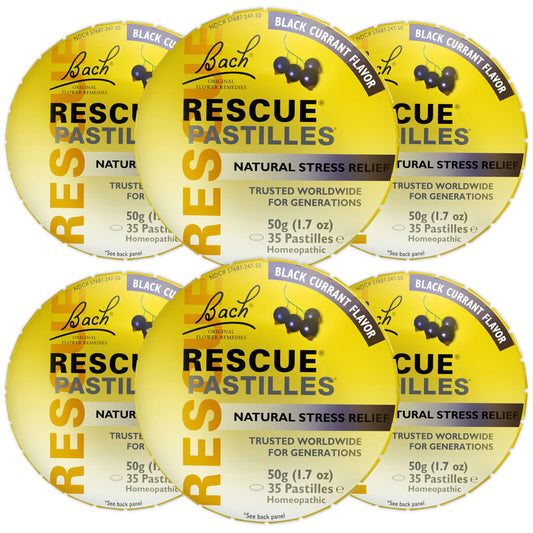
Bach RESCUE PASTILLES – Black Currant Flavor | Sugar-Free Stress Lozenges, 6-Pack
When days feel rushed and a moment to breathe seems scarce, Bach RESCUE PASTILLES offer a tasty, on-the-go option that may help you regain composure and stay focused. Each pastille carries one dose of the original Rescue Remedy tincture, built on Dr. Bach's five-flower...- £67.24
- £67.24
- Unit price
- per
-
Vendor:Naturalma
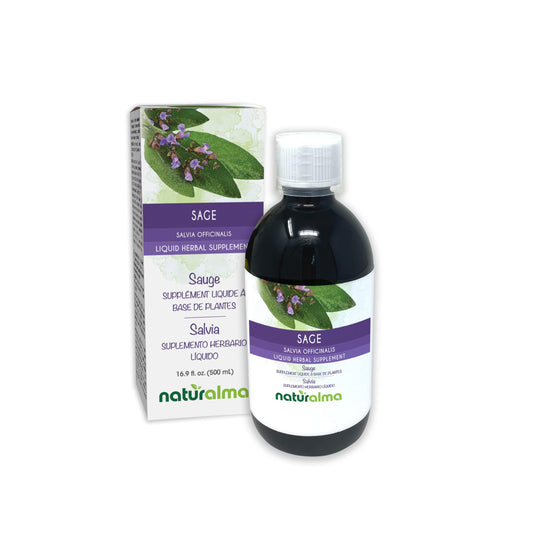
Naturalma Sage (Salvia officinalis) Leaf Tincture - Alcohol-Free, 16.9 fl oz Vegan Liquid Extract
Naturalma Sage Leaf Tincture: Alcohol-Free Liquid Extract Naturalma Sage leaf tincture is a concentrated liquid extract derived from Salvia officinalis leaves. This 1:10 tincture is crafted to be 100% natural and alcohol-free, with a clean, sugar-free profile. Produced in Italy, the formula emphasizes purity...- £67.33
- £67.33
- Unit price
- per
-
Vendor:Naturalma
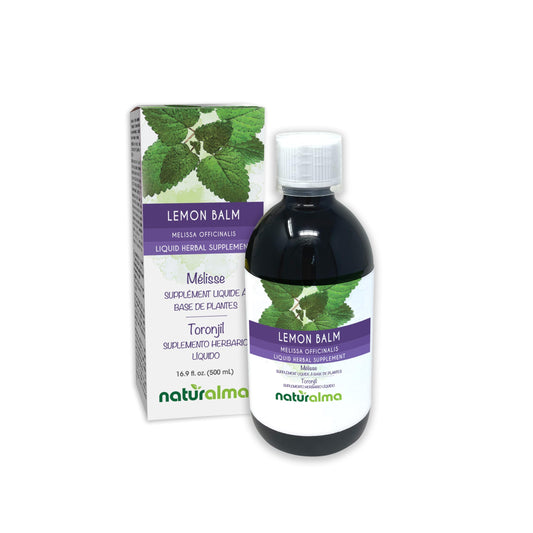
Naturalma Lemon Balm Leaf Tincture (Alcohol-Free) – 16.9 fl oz Drops | Vegan, Made in Italy
Naturalma Lemon Balm Leaf Tincture – Alcohol-Free and Richly Concentrated Discover a lemony, herbaceous aroma carried by a clean, pleasant taste. This lemon balm leaf tincture uses an exclusive extraction that yields a 1:5 concentrate, capturing the plant’s delicate notes in a versatile liquid...- £67.33
- £67.33
- Unit price
- per