








Diabetic Blood Test Strips
Diabetic blood test strips are a core part of everyday blood glucose monitoring, helping you check your levels quickly at home, at work, or while travelling. This collection brings together dependable test strips designed for use with compatible blood glucose monitors, supporting routine checks for people managing type 1 diabetes, type 2 diabetes, gestational diabetes, or clinician-advised monitoring. Shoppers in the United Kingdom can browse options with pricing shown in GBP.
Choosing the right strip is mainly about meter compatibility, accuracy, and practical handling. Before selecting, confirm your glucose meter model and the exact strip name, and review any coding requirements (where applicable). It’s also worth checking pack size and expiry dates so you can plan reorders and avoid gaps in testing. Many people also look for easy sampling, clear labelling, and packaging that fits neatly into a diabetes kit alongside lancets, alcohol wipes, and a sharps container.
Match strips to your glucose meter
Each product listing highlights key details to support safe, confident selection. If you’re unsure, match the brand and model precisely and follow the manufacturer’s instructions for use to help maintain consistent readings and storage.
- Compatible options for popular blood glucose monitors
- Clear details for pack size, intended use, and storage
- Convenient formats for home routines and travel kits
- Simple handling for regular finger-prick checks
Support for daily diabetes routines
Regular testing can inform meal planning, activity, and medication conversations with your pharmacist, GP, or diabetes nurse. For a more complete routine, consider related essentials such as diabetic foot care and protective storage for your monitoring supplies. Keep strips sealed, dry, and within temperature guidance, and seek medical advice if readings are unexpected or symptoms change.
-
Vendor:Opalescence
Opalescence Teeth Whitening Strips (12 Treatments) – 10% Hydrogen Peroxide, Enamel Safe, Slip-Free Comfort + Bamboo Toothbrush
Overview Opalescence Teeth Whitening Strips deliver a convenient, at‑home whitening experience designed to fit into daily life. Each kit contains 24 strips—12 upper and 12 lower—for twelve complete treatments. The formulation uses a 10% hydrogen peroxide concentration chosen to target common stains while aiming...- £44.33
- £44.33
- Unit price
- per
-
Vendor:SNOW
SNOW DiamondSeries Whitening Strips 14-Count – At-Home Brightening
OverviewSNOW DiamondSeries Whitening Strips 14-Count offer a practical at home whitening option designed to fit into a busy routine. The kit includes 14 whitening strips that deliver targeted treatment, pairing convenience with a refreshing finish. Built for everyday use, it aims to help you...- £41.59
- £41.59
- Unit price
- per
-
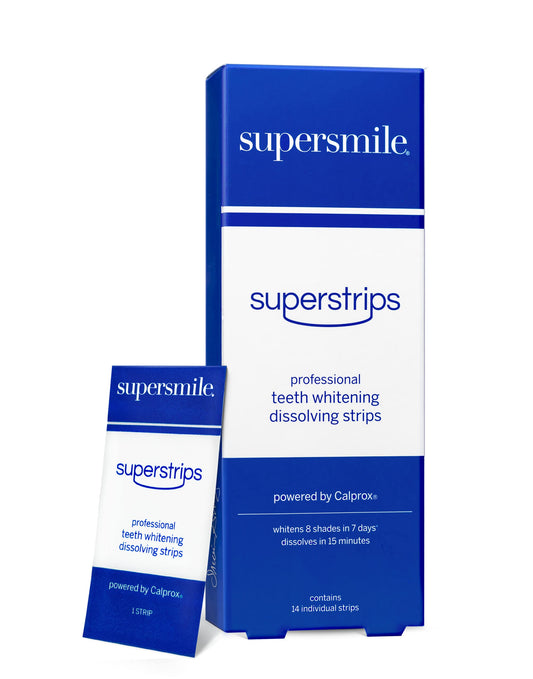
Vendor:Supersmile
Supersmile Dissolving Superstrips – Professional Teeth Whitening Strips (Enamel-Safe, Gentle on Sensitive Teeth)
Calprox-powered whitening that cleans as it brightens Meet Supersmile Dissolving Superstrips, a compact whitening solution designed for busy days. Each strip is infused with Calprox, Supersmile’s proprietary ingredient that helps whiten teeth and reduce surface buildup as it dissolves. The quick-dissolving format means you...- £78.30
- £78.30
- Unit price
- per
-
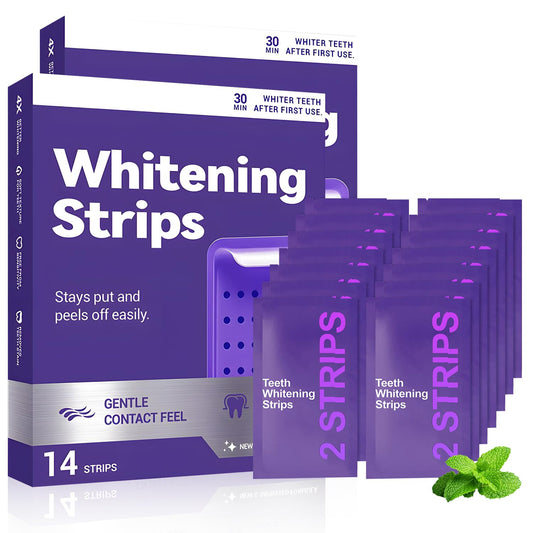
Purple Teeth Whitening Strips – Gentle Daily Formula, Travel-Ready (28 Strips)
Meet Purple Teeth Whitening Strips, a gentle, purple-tinted whitening system designed for daily use at home or on the move. The kit includes 28 strips in a compact box, ready to slot into your morning or evening routine. The formula emphasizes comfort and ease,...- £28.97
- £28.97
- Unit price
- per
-
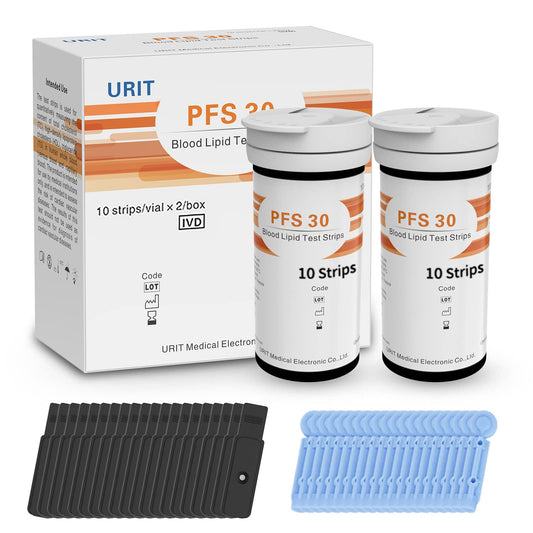
Vendor:URIT
URIT 5 in 1 Lipid Test Strips – 20 Strips for PSF-30 | Fast At-Home Lipid Panel
Meet URIT’s streamlined at-home lipid panel: the 5 in 1 Lipid Test Strips designed for PSF-30. With 20 strips per kit, you can explore five key lipid metrics in a single, compact test run. Quick, simple, and designed for real life, this system uses...- £187.88
- £187.88
- Unit price
- per
-
Vendor:Generic
Blood Glucose Test Strips 50 Count | OneTouch Compatible | Accurate & Easy to Use
Overview Keep daily health tracking simple with our Blood Glucose Test Strips. Each strip is designed for quick readings using a minimal blood sample, helping you stay on top of your routine with less disruption. Packaged as a 50-count box in a resealable container,...- £55.24
- £55.24
- Unit price
- per
-
Vendor:Accu-ANSWER
ACCU-Answer 50 Test Hemoglobin Strips + 50 Lancets | No Code Card Needed, Fast Readings
ACCU-ANSWER 50 Test Strips for 4-in-1 Meter — practical, at-home testing with confidence ACCU-ANSWER offers a practical set for home testing: 50 hemoglobin test strips designed to work with the ACCU-Answer 4-in-1 test meter (meter not included). The kit also includes 50 lancets, distributed...- £55.27
- £55.27
- Unit price
- per
-
Vendor:Glim
Glim Sensitive Whitening Strips for Sensitive Teeth – Gentle, Peroxide-Free, 42 Strips
Glim Sensitive Whitening Strips: Gentle, Gradual Results for Sensitive TeethGlim offers a thoughtfully formulated whitening solution designed for people who notice discomfort with traditional strips. This peroxide-free approach emphasizes a gentle pace, so you can brighten your smile over time without sharp zaps or...- £48.70
- £48.70
- Unit price
- per
-
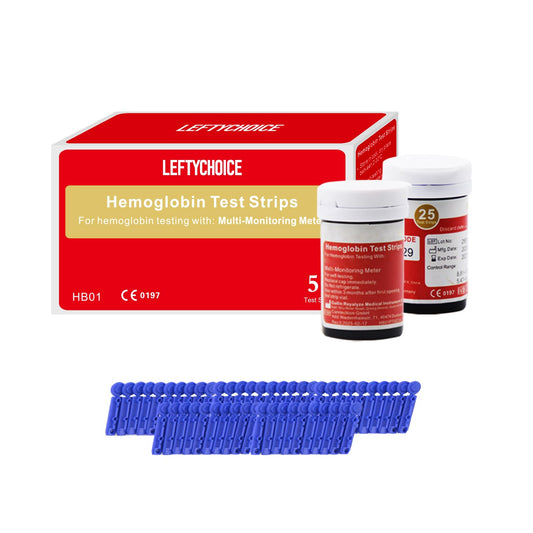
Vendor:LEFTYCHOICE
LEFTYCHOICE 50 PCS Hemoglobin Test Strips for LCLBM-01 2-in-1 Total Cholesterol & Hemoglobin Meter (Device NOT Included)
Introducing the LEFTYCHOICE 50 PCS Hemoglobin Test Strips, crafted to pair with the LCLBM-01 2-in-1 Total Cholesterol and Hemoglobin Testing Meter. This pack provides a ready supply of strips designed to support your at-home testing routine. Note that the testing meter itself is not...- £54.19
- £54.19
- Unit price
- per
-
Vendor:STS Home
STS Home Premier Blood Glucose Test Strips – 100 Count, No Coding
Overview STS Home Premier Blood Glucose Test Strips come in a convenient 100‑count box, designed to pair with compatible glucose meters including Prime models. These strips emphasize precision and reliability, helping users track glucose levels with ease. A no-coding design reduces setup steps, making...- £49.77
- £49.77
- Unit price
- per
-
Vendor:STS Home
STS Home Prime Blood Glucose Test Strips – 50 Count, No Coding, Accurate Readings
Overview The Prime Blood Glucose Test Strips from STS Home are designed for a steady daily testing routine. They require no coding, which means fewer steps and less setup, helping you focus on your measurements. Each box contains 50 strips, offering a practical supply...- £49.77
- £49.77
- Unit price
- per
-
Vendor:STS Home
Platinum Blood Glucose Test Strips – 100 Count | STS Home
Simple, dependable testing for everyday needs Platinum Blood Glucose Test Strips are designed to make at‑home glucose checks straightforward and affordable. When paired with the Platinum Blood Glucose Meter—an easy‑to‑use, Bluetooth enabled monitor with advanced features—the strips support a smooth testing flow from sample...- £49.77
- £49.77
- Unit price
- per
-
Vendor:LUAL
LUAL Platinum Test Strips 100 Count — Compatible with Platinum Meter + Diabetes Decoded eBook
OverviewExperience clinical precision with LUAL Platinum Blood Glucose Test Strips. Engineered for high accuracy and ease of use, these strips require just 0.5 µL of blood and deliver results in under four seconds. They’re designed exclusively for the Platinum meter, ensuring seamless Bluetooth connectivity...- £49.77
- £49.77
- Unit price
- per
-
Vendor:Opalescence
Opalescence Go Teeth Whitening Strips – 12 Treatments, 10% Hydrogen Peroxide, Enamel Safe
OverviewOpalescence Go Teeth Whitening Strips offer a compact, enamel safe whitening solution you can use at home. The kit covers 12 complete treatments (24 strips) and includes a travel size Sensitive Whitening Toothpaste to support a gentle routine. Key benefits at a glance Visibly...- £50.88
- £50.88
- Unit price
- per
-
Vendor:Generic
Blood Glucose Test Strips 100 Count | Relion Premier Compatible | Generic
Effortless daily glucose tracking Take control of your routine with our Blood Glucose Test Strips. Engineered for reliable readings and easy handling, these strips are designed to work smoothly with Relion Premier CLASSIC, VOICE, BLU, and COMPACT meters. Each box includes 100 strips, offering...- £50.85
- £50.85
- Unit price
- per
-
Vendor:Generic
Premier 100 Count Test Strips — No Coding, Accurate Monitoring with Premier Meters
Effortless daily testing for your routineMeet the Premier 100 Count Test Strips, a thoughtful component of your care toolkit. The no coding required design helps you start testing quickly, while the crisp packaging keeps each strip ready when you need it. Designed for use...- £49.77
- £49.77
- Unit price
- per
-
Vendor:Generic
100 Strips Precision Blood Glucose – Individually Wrapped, Free 10 Strips + 50 Lancets
Overview Meet the 100 Strips Precision Blood Glucose kit, a practical companion for routine glucose monitoring. Built to provide steady, dependable test strips with a focus on user friendly design. Each purchase includes a generous bonus to support ongoing tracking: free 10 strips and...- £48.93
- £48.93
- Unit price
- per
-
Vendor:AUVON
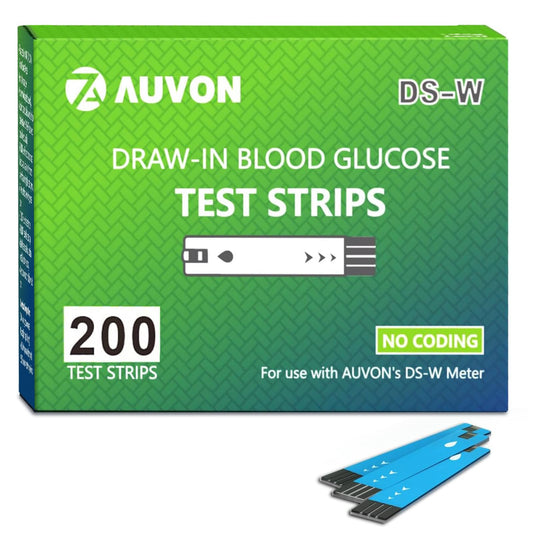
AUVON DS-W Draw-in Blood Glucose Test Strips – 200 Count, No Coding Required (DS-W Meter)
Overview Designed for use with the AUVON DS-W Diabetes Testing Meter, these Draw-in Blood Glucose Test Strips offer a streamlined testing flow for home monitoring. The No Coding Required feature removes one common source of user error, helping you stay focused on your routine...- £49.80
- £49.80
- Unit price
- per
-
Vendor:HEMOTOUCH
HEMOTOUCH Blood Glucose Test Strips Ba'yer 100 Count - Compatible with Older Bayer Monitors
Overview HEMOTOUCH Ba'yer Blood Glucose Test Strips come in a convenient 100 count, designed for older Bayer monitor models. Each strip is individually wrapped and housed in a sealed vial, helping maintain freshness and ensuring you can test when needed. The generous pack size...- £48.70
- £48.70
- Unit price
- per
-
Vendor:Swissklip
Swissker by Swissklip ShineStrips Teeth Whitening Strips – Enamel Safe, Dentist Formulated, Visible Results in 2–3 Treatments | 28 Strips (14 Upper + 14 Lower)
Brighten your smile at home with Swissker ShineStrips Swissker by Swissklip ShineStrips Teeth Whitening Strips offer enamel-safe whitening formulated with trusted dental know-how. The package includes 28 strips (14 for the upper row and 14 for the lower), designed for convenient at‑home use. While...- £50.89
- £50.89
- Unit price
- per