



When you start exploring ways to manage corns, calluses and thickened hard skin at home, the choices can feel overwhelming. This guide compares the Corn & Callus Trimmers Collection vs alternatives - covering electric files, manual rasps and natural options - and offers clear pros, cons and use-case guidance so you can pick the safest, most effective solution for your feet.
What we mean by Corn & Callus Trimmers Collection vs alternatives
"Corn & Callus Trimmers Collection vs alternatives" is the central vs in this article. On one side are purpose-built trimmers and tools designed to reduce hard skin quickly and precisely. On the other side are alternative approaches: pumice stones, file-and-moisturiser routines, electric rollers from other brands, podiatry treatments, and home remedies. We evaluate each by benefits, quality, compatibility, safety, fit and features - then translate that into practical recommendations for different users: athletes, older adults, gardeners, frequent travellers and anyone wanting neat, comfortable feet.
Overview: main approaches to manage corns and calluses
At a glance, these are the most common approaches you’ll see in the UK market and at home:
- Dedicated corn & callus trimmers (manual blades or guarded trimmers from reputable ranges).
- Electric callus removers and rotary files - fast results with minimal effort.
- Manual tools: rasps, metal files, pumice stones and foot files.
- Topical treatments: keratolytic creams (containing salicylic acid or urea), moisturizing balms, and occlusive patches.
- Professional podiatry care and in-clinic corn removal or debridement for severe cases.
Top-level vs: performance, safety and suitability
Below is a practical summary of strengths and trade-offs - followed by deeper modules that explain the science and seasonal considerations.
| Approach | Performance | Safety | Best for |
|---|---|---|---|
| Corn & Callus Trimmers Collection tools | High precision; removes thick layers quickly | Safe when used correctly; guarded blades reduce risk | Experienced DIY users, regular maintenance, targeted trims |
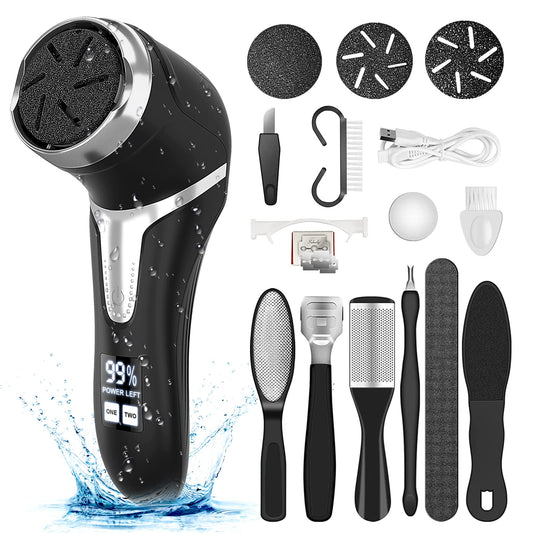
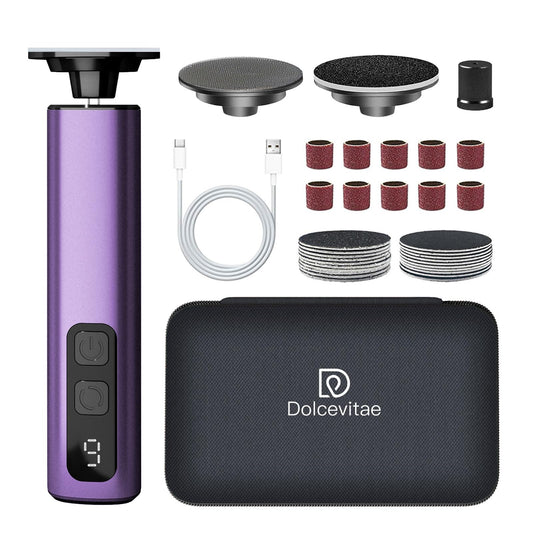
| Electric callus removers | Fast, even results; gentle abrasions with rollers | Low risk with basic guidance; watch pressure and duration | Busy people, mobility-limited users, maintenance between trims |
| Manual files & pumice | Gradual results; best for light flaking | Very safe but slower; may need repeated sessions | Preventative care, sensitive skin, regular smoothing |
| Keratolytic creams & balms | Softens skin over days; complements mechanical tools | Formula-sensitive; follow instructions for acids | Ongoing care, thin calluses, combined regimens |
| Podiatry & clinic treatments | Most thorough and long-lasting | Performed by professionals; best for underlying issues | Severe corns, diabetic foot, painful calluses |
: how trimmers and other tools work (material and technology science)
The basic principle behind most callus-management tools is to reduce accumulated keratinised tissue without damaging healthy skin beneath. Methods differ:
- Blade trimmers remove layers of hardened skin with a sharp edge. Quality trimmers have guarded blades or depth settings to limit removal and prevent cuts.
- Electric callus removers use rotating rollers or abrasive discs to abrade the surface. Abrasive grit, drum rotation speed and disk material determine how quickly they remove skin.
- Manual files and rasps abrade via friction; they work slower and require more physical effort. Materials like stainless steel or ceramic define longevity and performance.
- Keratolytic creams chemically soften the protein bonds in hard skin. Ingredients like urea or mild salicylic acid break down keratin, making physical removal easier.
Understanding the mechanism helps match tool features to your needs: if you want rapid shape changes, guarded trimmers or electric removers perform best. If you prefer slower, safer smoothing, manual files or creams are appropriate.
Recommended products:Read My2Feet Professional Electric Callus Remover with Replacement Disks | Generic
Pros and cons: corn & callus trimmers collection
Specialist trimmers in a Corn & Callus Trimmers Collection are designed for targeted work on corns and dense callus. Here are typical pros and cons.
- Pros: Precise removal, quick results, targeted shaping, often compact and travel-friendly. Many collections combine blades with protective guards and callus files.
- Cons: Require technique and confidence to avoid over-trimming. Not ideal for very thin or fragile skin. Blade maintenance and replacement are necessary for consistent quality.
Pros and cons: electric callus removers (roller-style)
Electric models offer convenience but come with their own trade-offs.
- Pros: Gentle, even abrasion; good for routine maintenance; often rechargeable; less risk of sudden cuts.
- Cons: Can be noisy or bulky; abrasive heads wear out and need replacement; may struggle with very thick, dense callus compared to a blade in experienced hands.
Pros and cons: manual files, pumice and creams
For preventive care and sensitive skin, manual options shine.
- Pros: Affordable, low risk, easy to control; pumice and files are great after bathing when skin is softer. Balms and urea creams improve texture and reduce re-build of hard skin.
- Cons: Slower results; manual methods may not fully remove thick corn cores; creams need consistent use and may irritate sensitive skin.
Use-case guidance: which option suits you?
Consider these common scenarios when choosing between the Corn & Callus Trimmers Collection vs alternatives:
- Busy commuters or parents:Electric callus removers give quick upkeep between pedicures.
- Experienced DIYers:Trimmers from a purpose-built collection provide precision where you can safely manage corns and shaped edges.
- Sensitive skin or elderly users:Manual files and moisturisers are kinder and lower risk.
- Severe corns or diabetic foot concerns:Seek podiatry care - professional assessment and in-clinic debridement are the safest options.
Compatibility, fit and features to check before buying
When comparing products in the Corn & Callus Trimmers Collection vs alternatives, look for these markers of quality and fit:
- Blade guards and adjustable depth for trimmers - these improve safety and compatibility with different skin thicknesses.
- Replaceable abrasive heads or disks for electric tools - a sign of long-term value and consistent performance.
- Ergonomic grips and anti-slip handles for better control.
- Materials: stainless steel for longevity; medical-grade plastics in electric housings reduce wear.
- Included aftercare products, such as moisturizing balms or urea creams, that support maintenance and reduce recurrence.
Featured product examples and how they fit the
Two examples illustrate how diverse options can be. An electric roller delivers gentle, routine abrasion, while a full trimmer set offers precision for targeted work.
For a fast, rechargeable electric option, consider theMy2Feet Professional Electric Callus Remover, which pairs well with weekly maintenance routines. For a manual approach with files and a balm included, theSandBar Ultimate Callus Remover Setgives a complete kit for shaping and soothing.
Material science: why different grit or blade types matter
Abrasion is delivered by grit, metal, or blade. Coarser grits and sharper blades remove tissue faster; fine grits and gentle discs polish rather than reshape. Ceramic or diamond-coated files keep performance longer than low-grade emery boards. If you have thick, dense calluses, look for tools designed to handle higher-pressure abrasion without overheating the skin. When using chemical treatments, pair them with gentle mechanical removal to avoid over-thinning.
Recommended products: Read SandBar Ultimate Callus Remover Set - 4in & 8in Files + Moisturizing Balm Stick (Gold Bundle) | SandBar Ultimate Callus Remover Set - 4in & 8in Files + Moisturizing Balm Stick (Gold Bundle)
Climate and seasonal impacts on performance
In the UK, seasonal changes affect skin condition and tool effectiveness:
- Winter: drier skin and more keratin build-up can make calluses harder; moistening balms and occlusive creams before any mechanical removal help avoid cracking.
- Summer: open footwear exposes feet to friction that forms new calluses; light, frequent maintenance with an electric remover or pumice keeps skin manageable.
- Humidity: higher humidity softens skin and makes removal easier; schedule deeper trims after a warm soak or shower for better control.
Safety warnings and usage limits
Safety should guide any home foot-care routine. Key cautions include:
- Do not use sharp trimmers on thin, inflamed or infected skin.
- Avoid aggressive removal if you have diabetes, peripheral neuropathy or poor circulation - seek professional advice.
- Limit sessions to short durations and check results frequently - over-trimming risks pain and infection.
- Sanitise metal blades and change abrasive heads on electric devices as recommended by the manufacturer to reduce bacterial build-up.
- Follow labelled instructions for any keratolytic cream; avoid combining strong acids with mechanical sanding in the same session without guidance.
Maintenance and care checklist
Extend tool life and preserve quality by following this checklist:
- Rinse or wipe down manual files after each use and dry fully to prevent corrosion.
- Replace abrasive heads on electric rollers when they show wear; worn heads increase session time and may reduce effectiveness.
- Store blades and files in a dry case; humidity shortens lifespan.
- Inspect blades and guards for damage before each use.
- Use a gentle moisturiser or urea balm after mechanical removal to support skin recovery and reduce recurrence.
Practical vs checklist: how to choose right now
Answer these questions to narrow your choice quickly:
- How quickly do you want results? (Immediate: trimmer or electric; gradual: pumice/cream)
- How confident are you using blades? (Confident: trimmers; prefer low risk: files or rollers)
- Do you have any medical conditions affecting feet? (If yes, consult a podiatrist first)
- Will you travel with it? (Compact kits and foldable files are travel-friendly)
- Do you want low maintenance? (Electric rollers with replaceable heads are user-friendly)
Topical pairing: combining mechanical and chemical care
Many users find the best outcomes by combining methods: soften with a urea-based cream, then remove bulk with a guarded trimmer or electric roller, and finish with a moisturising balm. This multi-step approach improves comfort, reduces the chance of deep cuts, and keeps calluses from returning quickly. For step-by-step instructions and a beginner-friendly walkthrough, see ourbeginners guide to callus trimmers.
When to choose professional podiatry instead
Home trimmers and electric removers are excellent for routine and moderate cases. However, book a podiatry appointment if you notice:
Recommended products:Read SandBar Ultimate Callus Remover Set - 4in & 8in Files + Moisturizing Balm Stick (Gold Bundle)| SandBar Ultimate Callus Remover Set - 4in & 8in Files + Moisturizing Balm Stick (Gold Bundle) guide
Recommended products: My2Feet Professional Electric Callus Remover with Replacement Disks | Generic | My2Feet Professional Electric Callus Remover with Replacement Disks | Generic guide
- Deep core corns or recurring painful spots under pressure points.
- Signs of infection (redness, warmth, pus) or persistent bleeding after minor home care.
- Compromised sensation in feet, poor circulation or diabetes.
Clinics provide assessment for biomechanical causes, orthotics to redistribute pressure, and safe debridement for stubborn cores that home tools cannot resolve.
Real-world examples and recommendations
Consider these scenarios where a particular approach clearly wins:
- A runner with mild, frequent build-up: an electric callus remover used weekly supports performance and comfort.
- A gardener with thick, localised corns: a guarded trimmer from a specialist collection gives precision to remove the core without harming surrounding skin.
- An older adult with thin, fragile skin: gentle pumice and moisturiser routines are safest; avoid sharp tools.
- Someone preparing for summer footwear or holidays: combine a keratolytic cream with electric maintenance to get smooth feet fast.
Where to explore trusted product options
To browse purpose-built selections and compare features, check the dedicatedCorn & Callus Trimmers Collectionpage for curated tools and replacement parts. If you want a quick-start pack with files and a balm, you canview the full collectionand compare kit inclusions. For testers and reviewers, the collection page helps compare replaceable head compatibility, blade guard designs and ergonomic features;our corn & callus trimmers rangeshows examples across price and feature tiers.
Evidence and guidance: expertise and review
This article is written by an experienced foot-care editor and informed by independent podiatry guidance and reputable foot-care sources in the UK. Practical recommendations reflect common clinical advice: protect healthy skin, avoid aggressive trimming on thin skin, and seek professional care for medical concerns. For readers in Scotland seeking region-specific options and advice, our practical recommendations can be paired with guidance found inlocal suggestions for smoothing hard skin at home.
Practical shopping checklist
- Check whether replacement heads or blades are available for your chosen tool.
- Confirm materials and warranty or return information if applicable.
- Look for bundled aftercare (balms, files) if you prefer all-in-one solutions - some sets combine files with moisturisers.
- Read usage instructions and safety information before first use.
- Compare ergonomics: a comfortable handle reduces accidents and improves control.
Sustainability and waste considerations
When choosing between single-use blades, replaceable heads and disposable emery boards, consider long-term waste. Replaceable metal parts and refillable heads typically create less waste than fully disposable options. Recyclable packaging and stainless-steel tools often reduce environmental impact over time.
Summary: choosing between Corn & Callus Trimmers Collection vs alternatives
In short, the right choice depends on your priorities. If precision and rapid reshaping matter, a specialist trimmer in a Corn & Callus Trimmers Collection is an excellent match. If you prefer lower risk and consistent upkeep, electric callus removers or manual files paired with moisturisers are safer and easier for regular use. Professional podiatry remains the best option for severe or medically complicated cases.
To explore curated options, compare features and check replacement parts, visit thecollection page. If you’re starting out, read ourbeginners guide to callus trimmersfor step-by-step help. For a compact, routine-friendly electric model, see theMy2Feet Professional Electric Callus Remover. For an all-in-one manual kit with moisturizing aftercare, consider theSandBar Ultimate Callus Remover Set. For additional options and to browse other tools,shop the trimmers collectionand compare quality, compatibility and features.
How often should I use a trimmer or electric remover?
Frequency depends on skin type and activity. Many people maintain results with light sessions every 1-2 weeks. For heavy build-up, shorter, more frequent sessions after softening the skin are safer than long, aggressive sessions.
Are guarded trimmers safe for first-time users?
Guarded trimmers reduce risk and are safer for beginners than raw blades, but they still need care. Start with small, shallow passes, keep the skin softened and stop if you feel pain or see bleeding. When in doubt, use manual files or consult a podiatrist.
Can I use keratolytic creams with electric files or trimmers?
Yes - keratolytic creams (urea-based or mild acids) are often used to soften hard skin before mechanical removal. Follow product directions, avoid applying strong acids immediately before vigorous mechanical sanding, and allow skin to recover with moisturiser afterwards.
Recommended products: Learn about SandBar Ultimate Callus Remover Set - 4in & 8in Files + Moisturizing Balm Stick (Gold Bundle) | SandBar Ultimate Callus Remover Set - 4in & 8in Files + Moisturizing Balm Stick (Gold Bundle)
Recommended products:SandBar Ultimate Callus Remover Set - 4in & 8in Files + Moisturizing Balm Stick (Gold Bundle)|My2Feet Professional Electric Callus Remover with Replacement Disks | Generic
What maintenance keeps tools performing well?
Rinse and dry manual tools after use, replace electric heads as they wear, sanitise metal blades and store tools in a dry case. Routine maintenance preserves performance and reduces infection risk.
For a curated selection of purpose-built trimmers and supporting accessories, explore theCorn & Callus Trimmers Collectionto find tools matched to your needs and read more about safe home care in ourbeginners guide to callus trimmers.